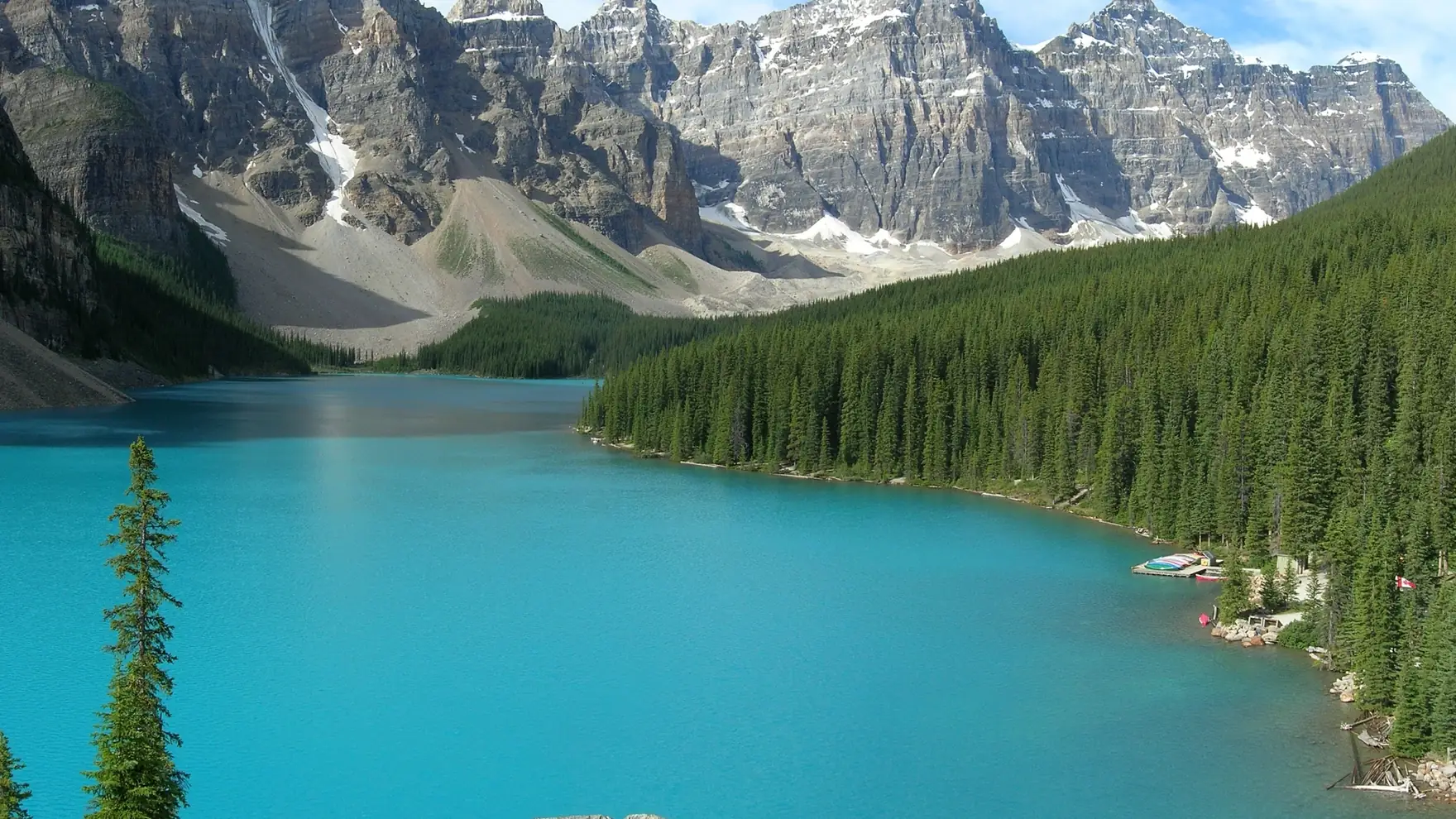
Lago de águas turquesa cercado por picos e florestas nas Montanhas Rochosas canadenses

Canada · The Rockies

Turquoise lakes, glaciers
and the great silence

In the Canadian Rockies, ancient glaciers paint lakes a blue no photograph can prepare you for. Between Banff and Jasper, elk cross the road unhurried, lakeside hotels keep their fireplaces lit — and every bend delivers a landscape bigger than the last. All at your pace, all designed tailor made.

1885Banff is born — Canada's first national park
230 kmof Icefields Parkway — ranked among the world's most beautiful drives
4contiguous parks forming a single UNESCO World Heritage Site
100%tailor made — season, pace and stops chosen for you

The destination

Nature writ large,
comfort in the details

The Canadian Rockies are what happens when the planet decides to show off: ten-thousand-foot peaks, glaciers reaching down to the roadside, and lakes of a turquoise so improbable it looks retouched. Four national parks joined at the seams — Banff, Jasper, Yoho and Kootenay — form a single UNESCO World Heritage Site, threaded by one of the most beautiful roads on Earth.

And, despite what the word "wilderness" suggests, you travel here in rare comfort: century-old railway-era hotels planted on the shores of the most famous lakes, timber-and-stone lodges with spas facing the peaks, long dinners after days in the open air. The nature is epic; the logistics, gentle.

There are two journeys inside this destination: the summer of thawed lakes, hiking trails and wildlife — and the winter when everything turns white, the lakes become skating rinks and the mountains host some of North America's finest ski resorts. Choosing the right season for your moment is the first decision — and it is precisely our job.

Nature & wildlife Lakes & trails Ski & snow Families Honeymoon Road trip & scenic train

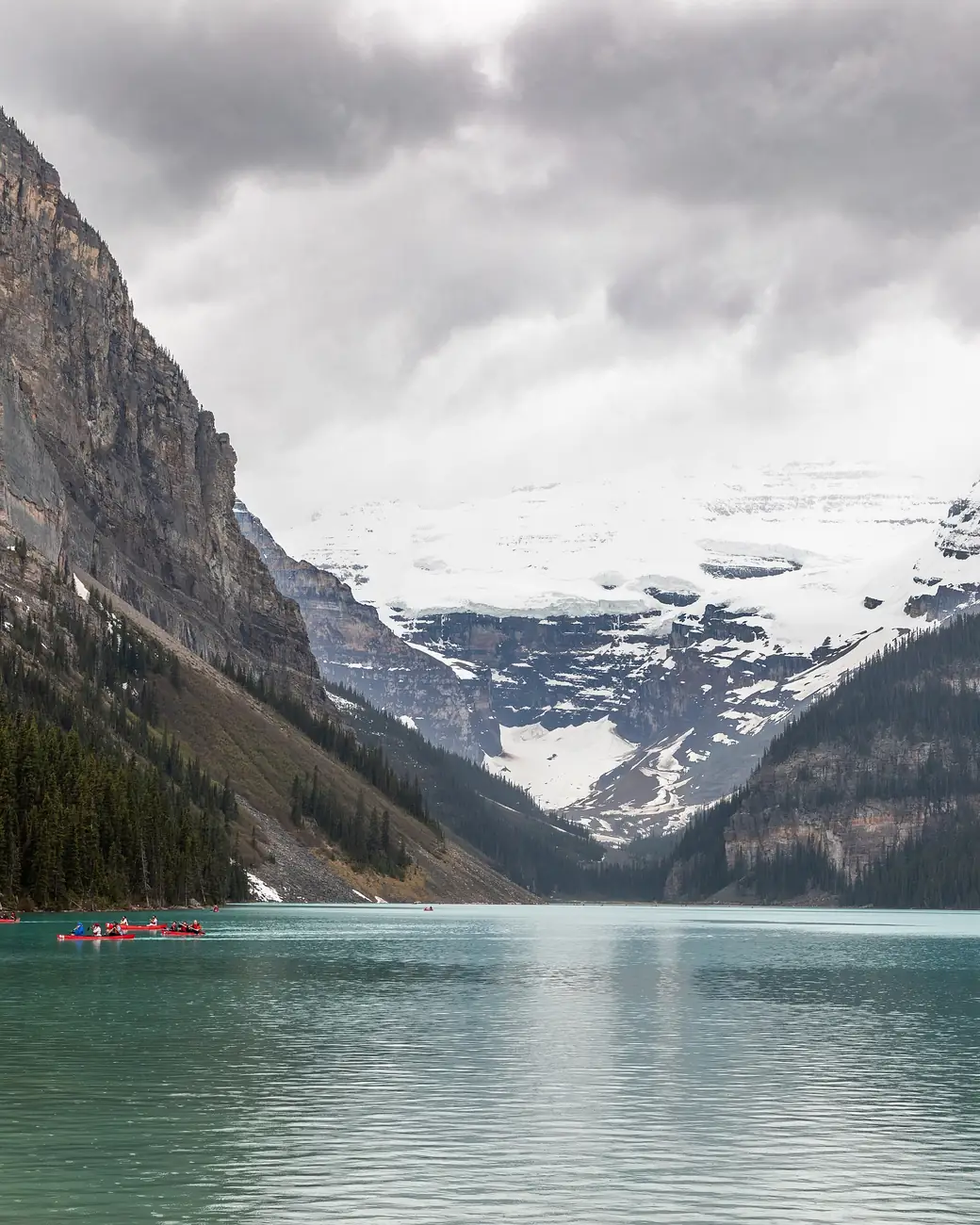
Lago Louise com suas águas turquesa e a geleira Victoria ao fundo, em Banff Banff · The gateway

First chapter

The town among peaks and the impossible lakes

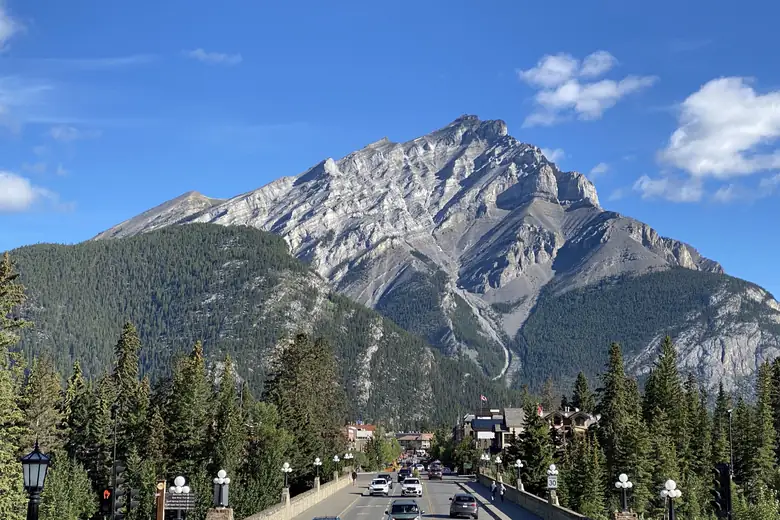
The journey starts gently: you land in Calgary and, after ninety minutes of smooth highway, the prairies give way to the wall of the Rockies. Beyond the gate lies Banff — the park that founded Canada's national park system in 1885 — and the town of the same name, with Cascade Mountain closing off the main avenue like a stage set, restaurants aglow and hot springs steaming on the hillside since the nineteenth century.

Half an hour away are the two lakes that explain why the whole world comes here: Louise and Moraine. The colour — a milky turquoise that shifts with the light — comes from the "rock flour" the glaciers grind and pour into the water. The secret is timing: at dawn, before the day wakes up, the lakes are a mirror and almost yours alone. We design the day so that it is.

  • 90 min from Calgary to the park gates
  • 1,383 m of altitude — the highest town in Canada
  • 2 iconic lakes half an hour from town
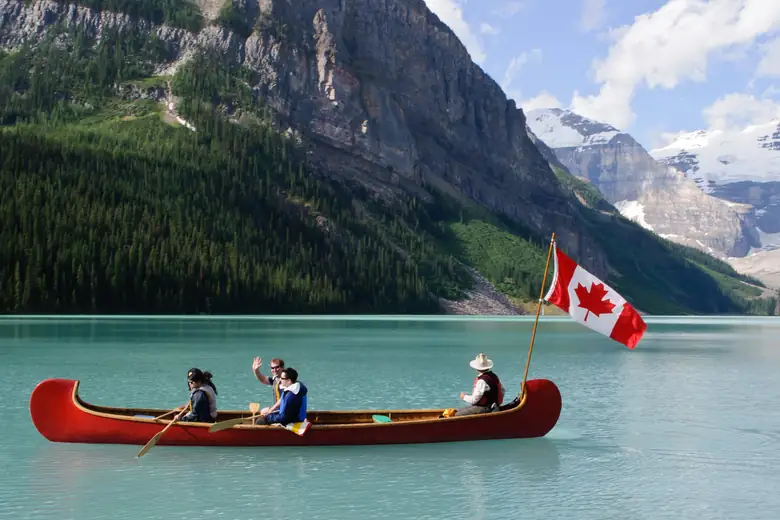
Canoas vermelhas na água turquesa do Lago Louise
The icon

Lake Louise

Victoria Glacier behind, turquoise water in front and red canoes crossing the middle — the image that became synonymous with Canada. Paddle without hurry, hike up to the century-old teahouse at Lake Agnes, and stay for the late-afternoon light, when the crowds drift away.

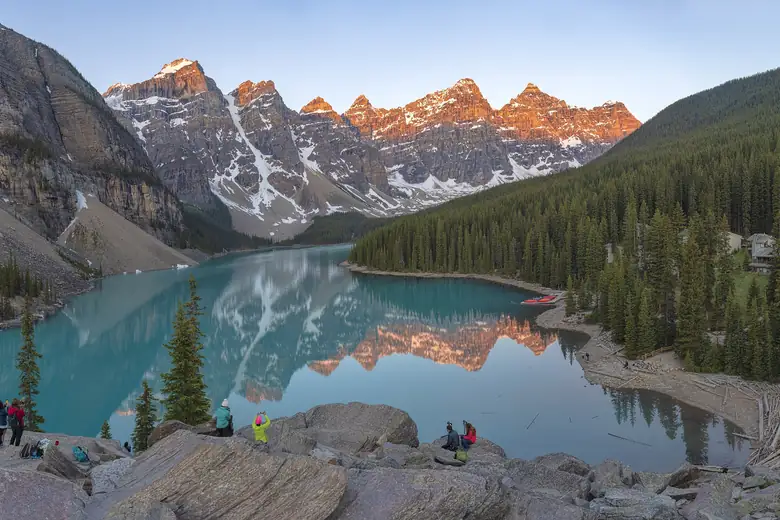
Lago Moraine e os picos do Vale dos Dez Picos ao amanhecer
The sunrise

Moraine Lake

Ten peaks lined up behind a blue even deeper than its neighbour's — a landscape that once graced the Canadian twenty-dollar bill. The road is closed to private cars: you go up with an authorised operator, ideally for sunrise. We secure the seats — among the most sought-after tickets in the Rockies.

Avenida de Banff com a Cascade Mountain ao fundo
For everyone

Banff town & the gondola

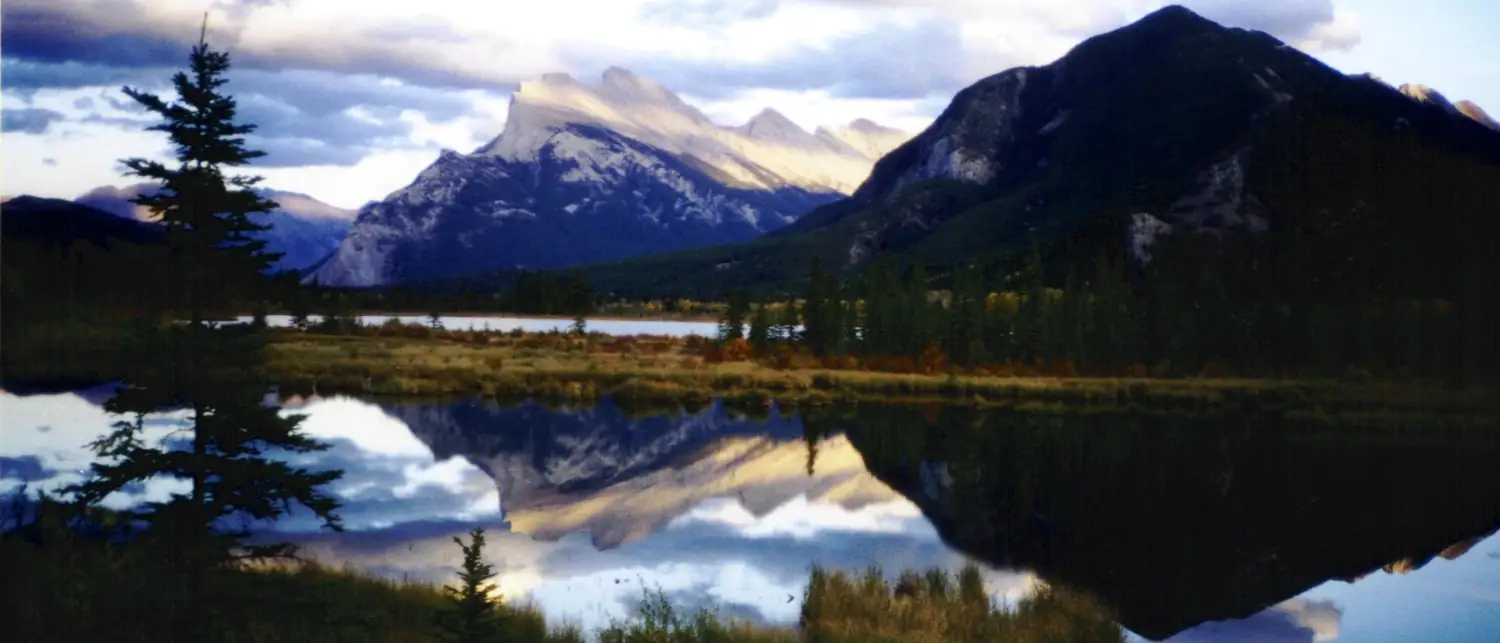
The gondola climbs Sulphur Mountain in eight minutes and opens the Rockies in 360 degrees — six mountain ranges at once. On the way down: the hot springs that gave birth to the park, the town's shops and restaurants, and sunset at Vermilion Lakes, five minutes from the centre, with Mount Rundle reflected in the water.

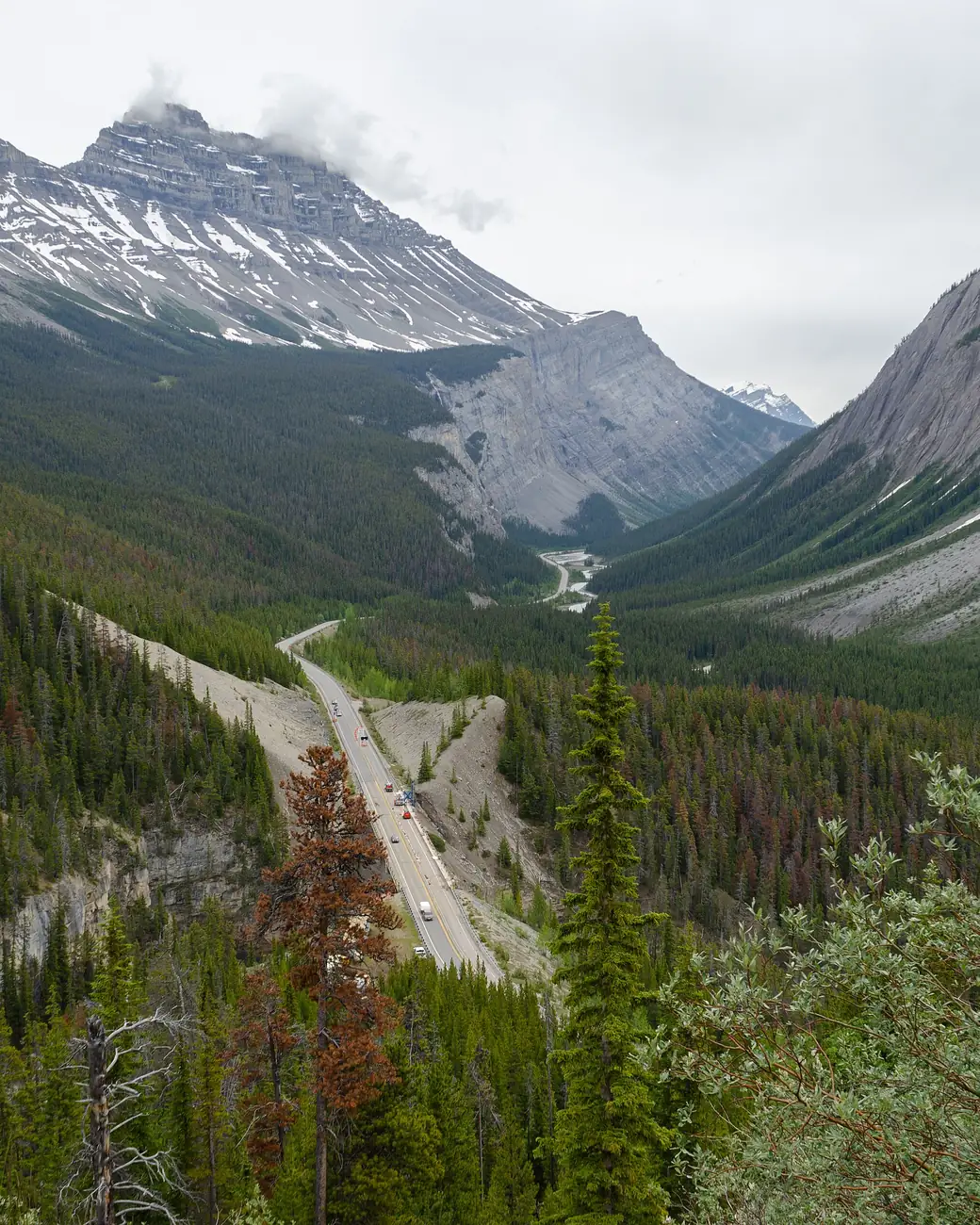
Icefields Parkway serpenteando entre picos e geleiras Icefields Parkway · 230 km of cinema

Second chapter

The road you drive slowly on purpose

Between Lake Louise and Jasper runs the Icefields Parkway: 230 kilometres drawn in the 1930s with a single purpose — to pass as many extraordinary landscapes as possible. Glaciers hanging from rock walls, milky-blue lakes at the edge of the asphalt, waterfalls plunging from hanging valleys. It is that rare drive where the road is the destination, and three hours become a full day with no complaints.

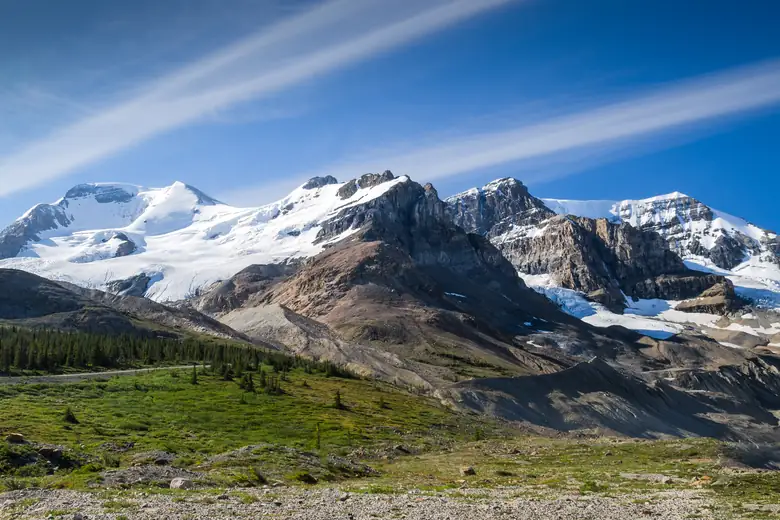
At its highest point lies the Columbia Icefield, the largest icefield in the Rocky Mountains — a frozen plateau the size of a city, feeding rivers that flow to three different oceans. From it descend tongues of ice like the Athabasca Glacier, where Ice Explorer vehicles climb so you can walk on centuries-old ice. We do the road unhurried, picnic in the trunk and the right stops at the right time.

  • 230 km between Lake Louise and Jasper
  • 100+ glaciers visible along the way
  • 1 full day — the minimum it deserves
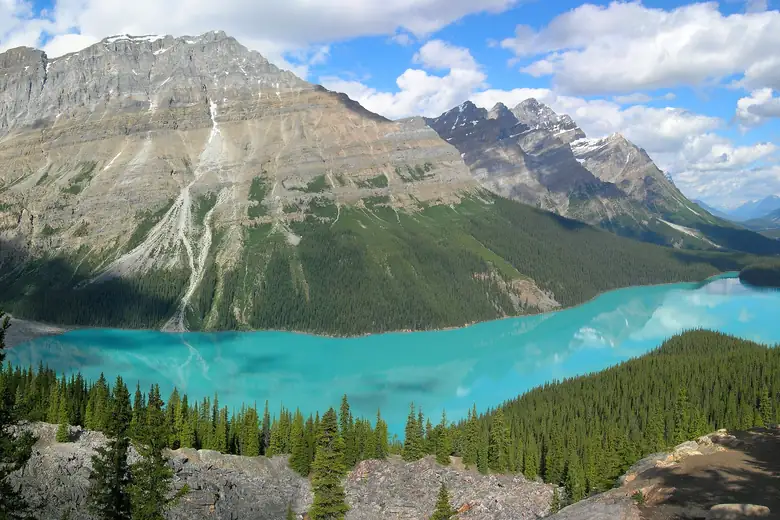
Lago Peyto visto do mirante, com sua forma de raposa e água azul-turquesa
The lookout

Peyto Lake

A short walk leads to the lookout over the bluest lake in the Rockies — an electric, fox-shaped blue framed by pine forest. It is the stop that converts sceptics: nobody believes the colour until they are standing in front of it.

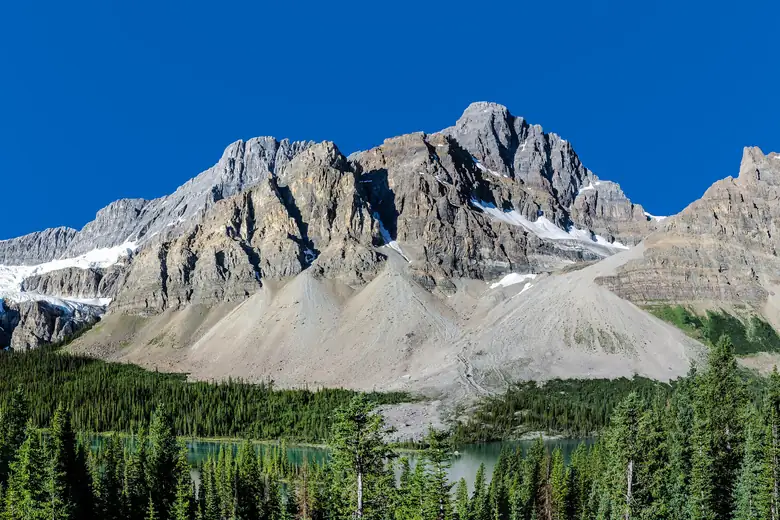
Lago Bow espelhando as montanhas na beira da Icefields Parkway
For everyone

Bow Lake & the Crowfoot Glacier

A mirror of water at the roadside, with the crow's-foot-shaped glacier hanging from the wall across it. No trail, no effort — just step out of the car, breathe the cold air and let the landscape do the rest.

Glaciar Athabasca descendo do Columbia Icefield
The glacier

Walking on the Athabasca Glacier

Giant all-terrain vehicles climb the ice tongue of the Columbia Icefield to a plateau where you walk on centuries-old ice — with crystal-blue meltwater streams running underfoot. Cold in the right measure, wonder without measure; it is the outing children and grandparents retell with equal enthusiasm.

Passarela de vidro do Skywalk projetada sobre o vale Sunwapta
Good vertigo

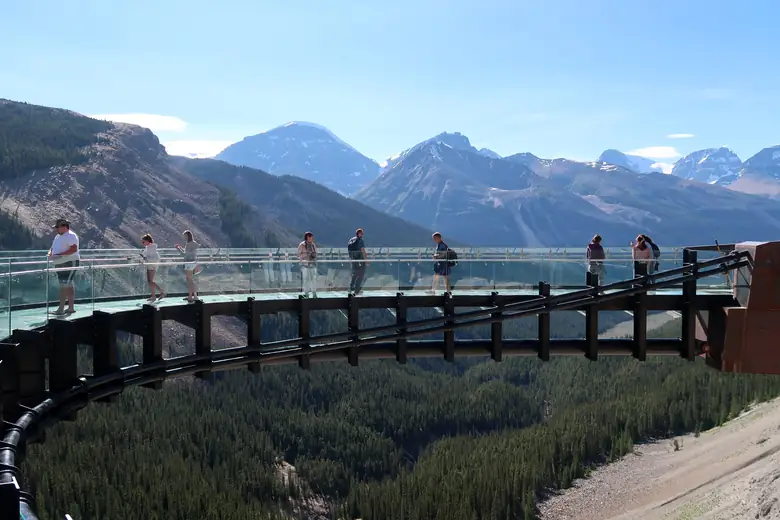
The glass Skywalk

A glass walkway juts into the void, 280 metres above the Sunwapta river valley, glaciers on either side. You walk over the abyss with a racing heart and both hands on the rail — and leave with the trip's best photograph of courage.

Cataratas Athabasca despencando no desfiladeiro de quartzito, em Jasper
The pause

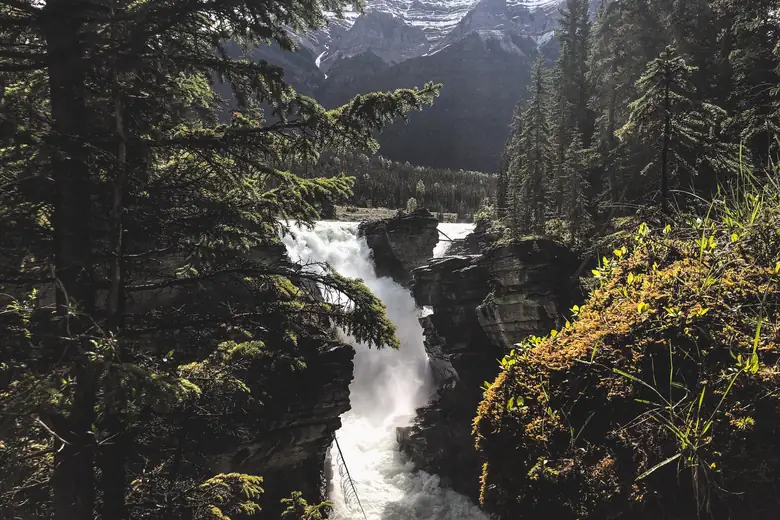
The waterfalls on the way

Near Jasper, the entire Athabasca River squeezes into a quartzite gorge and roars — safe walkways lead to the edge of the thunder. Together with Sunwapta Falls, it is the stop that restores your sense of scale: here, even the water is in a mountain-sized hurry.

Carneiro-selvagem das Rochosas na beira da estrada
On the road

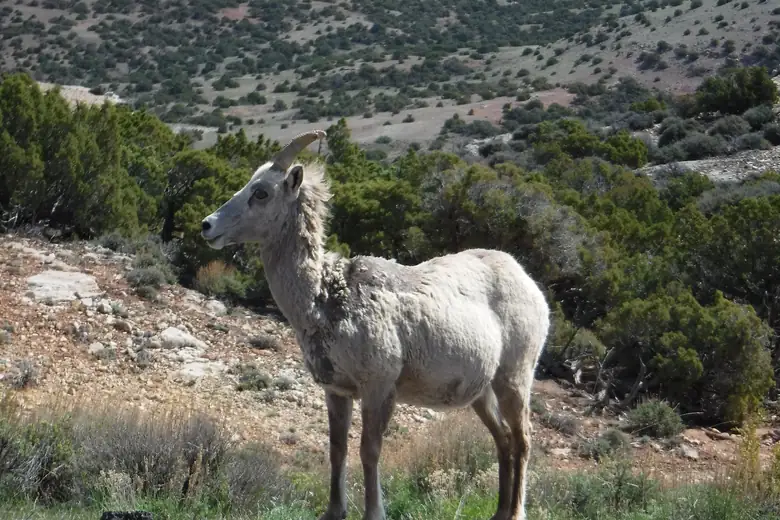
The roadside locals

Bighorn sheep posing on the embankments with their curled horns, mountain goats balanced where they shouldn't be, a black bear grazing in the distance. On the Parkway, the binoculars live in the glovebox — and the best stops are the ones no itinerary predicted.

Entardecer dourado sobre lago e montanhas nas Rochosas canadenses

There is a bend on the Icefields Parkway where Peyto Lake appears far below, absurdly blue — and the whole car falls silent at once. The entire trip fits inside that moment.

From Brazil to the Rockies, everything designed tailor made
Spirit Island no Lago Maligne, cercada pelas montanhas de Jasper Jasper · The wild side

Third chapter

Where nature still calls the shots

At the end of the Parkway the landscape opens up and the rhythm changes. Jasper is the largest park in the Canadian Rockies — eleven thousand square kilometres, nearly twice the size of Banff — and the wildest: the town is smaller and unpretentious, the valleys are wider, and elk graze by the river like rent-paying residents. It is the half of the trip where you ease off the accelerator on purpose.

It is also the park of quiet superlatives: the longest glacial lake in the Rockies, with a tiny island at its heart that became a photographic legend, and one of the largest dark-sky territories on the planet — at night the Milky Way appears to the naked eye and, on the right autumn and winter nights, the northern lights dance over the mountains.

  • 11,000 km² — the largest park in the Canadian Rockies
  • 2nd largest dark-sky preserve in the world
  • 50+ mammal species living in the park
Spirit Island com seus pinheiros no meio do Lago Maligne
The classic

Spirit Island

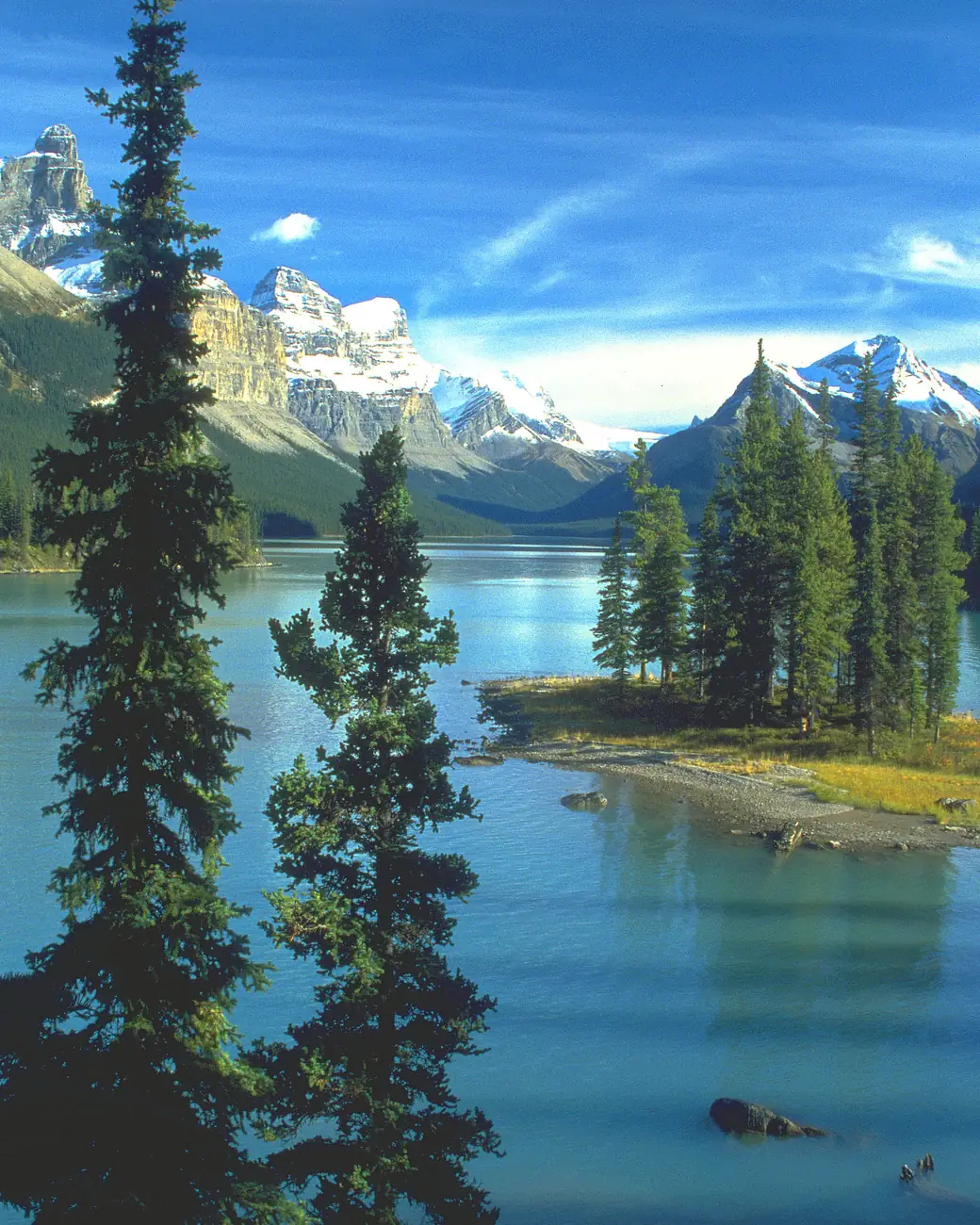
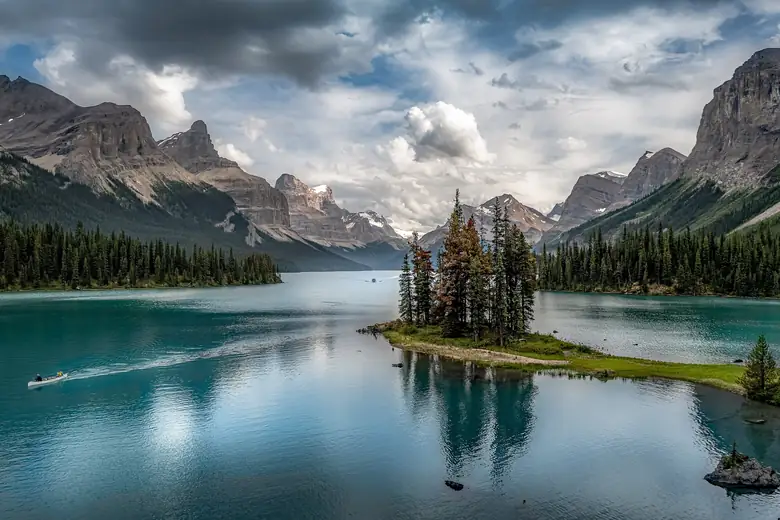
A handful of pines on a tiny island, three mountain ranges all around — Canada's most photographed scene can only be reached by boat, on a 90-minute cruise across Maligne Lake. Sacred to the First Nations, it asks for silence and rewards it twice over. We book the hour with the most beautiful light.

Águas verde-esmeralda do Lago Maligne em Jasper
For everyone

Maligne Lake

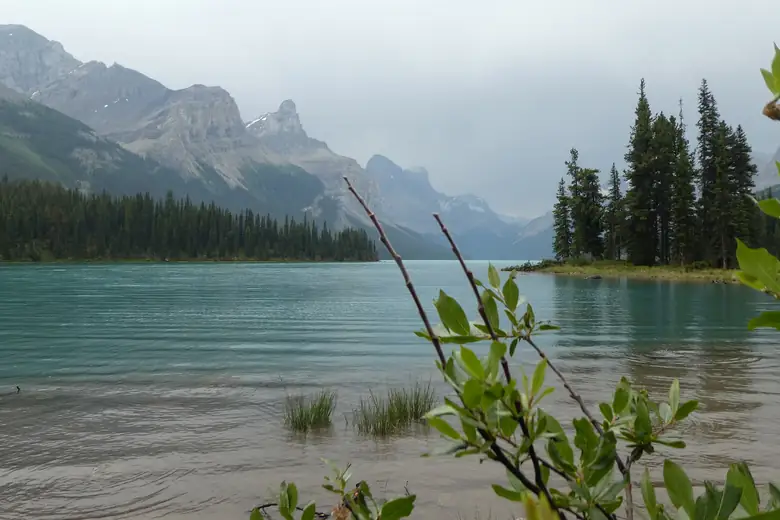
Twenty-two kilometres of glacial water wedged between peaks — the longest natural lake in the Canadian Rockies. On its shores, easy trails, picnics with a view and the chance of spotting caribou and eagles; on the water, kayaks for those who prefer to earn the landscape by paddling.

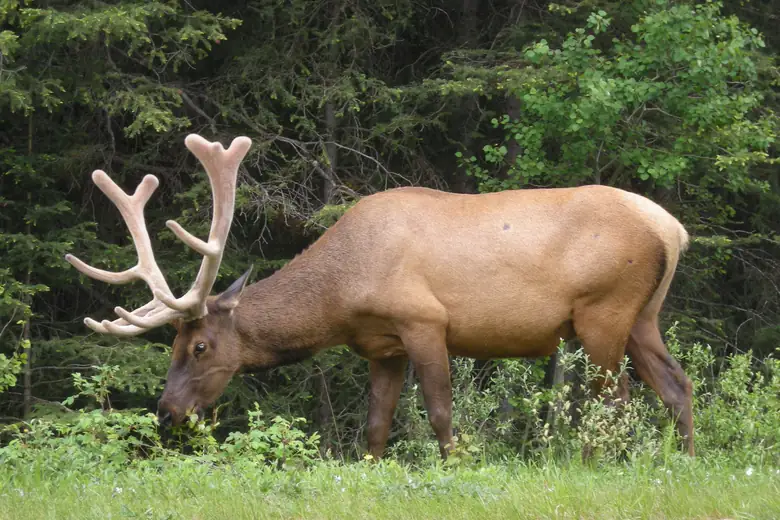
Wapiti de galhada imponente em campo aberto em Jasper
Wildlife

Elk, moose & caribou

At dawn and dusk the great deer take the stage: broad-antlered elk on the meadows, moose in the wetlands, caribou in the high valleys. A photo safari with a naturalist guide turns luck into method — and teaches you to read the landscape like a local.

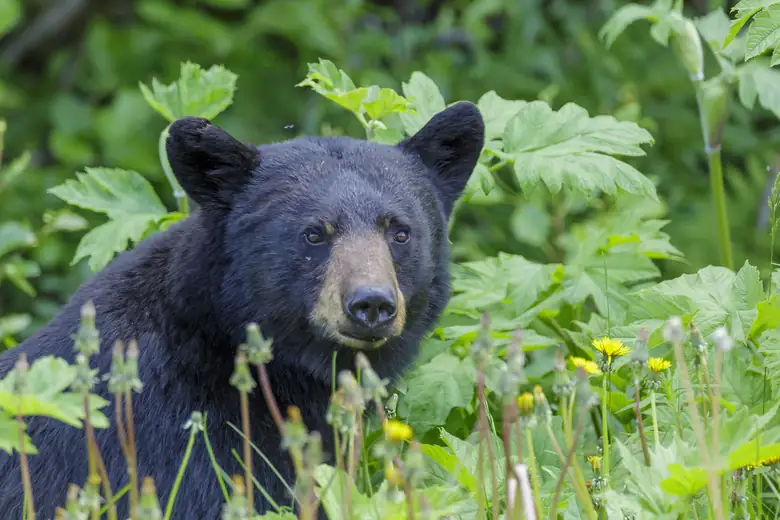
Urso-negro caminhando em clareira nas Rochosas canadenses
With luck

The bears

Black bears in the clearings of spring, grizzlies on the berry slopes of late summer — always at a respectful distance, from the car or beside a guide. Seeing a bear free, going about its life, is the kind of memory that reorganises the others.

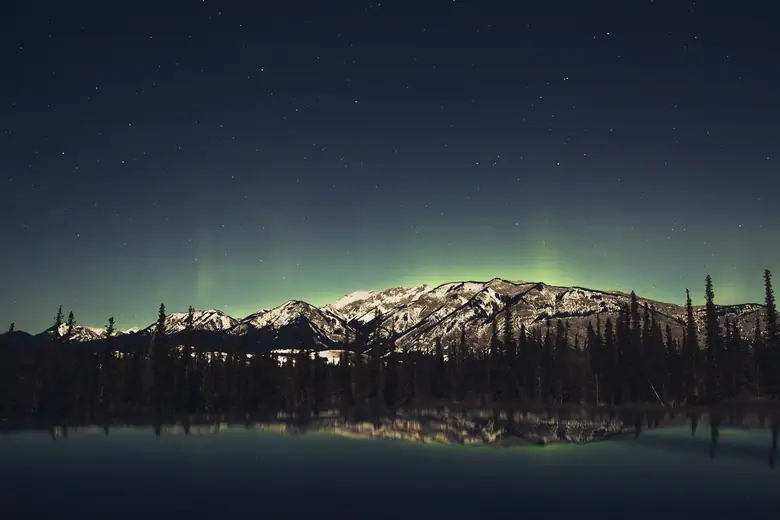
Aurora boreal verde sobre as montanhas de Jasper
At night

The dark-sky sky

Jasper is one of the largest protected dark-sky territories in the world: the Milky Way appears whole to the naked eye. From September to April, on nights of solar activity, the aurora borealis joins the show — and watching it all from a lakeshore, hot chocolate in hand, becomes the highlight of the trip.

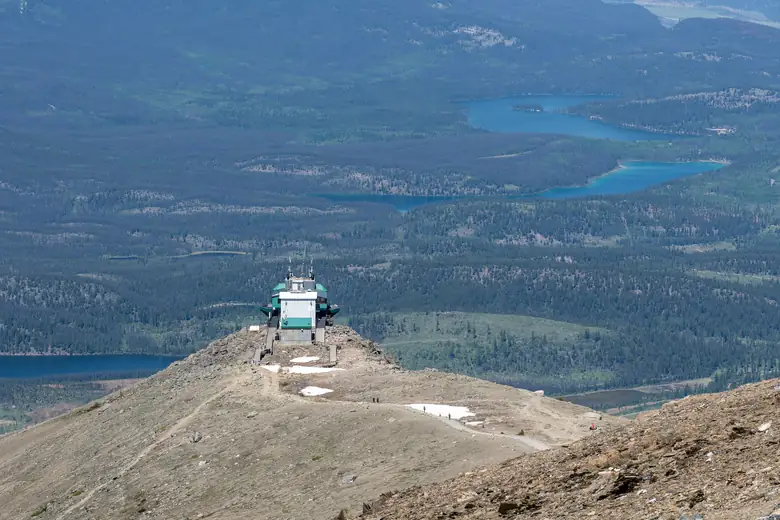
Vista do alto da Whistlers Mountain, alcançada pelo teleférico de Jasper
From above

The SkyTram & the town lakes

The tramway climbs Whistlers Mountain and lays the entire range at your feet — on clear days you can see Mount Robson, the roof of the Rockies. Afterwards, late afternoon calls for Pyramid and Patricia Lakes, minutes from town, with canoes and a sunset nobody hurries.

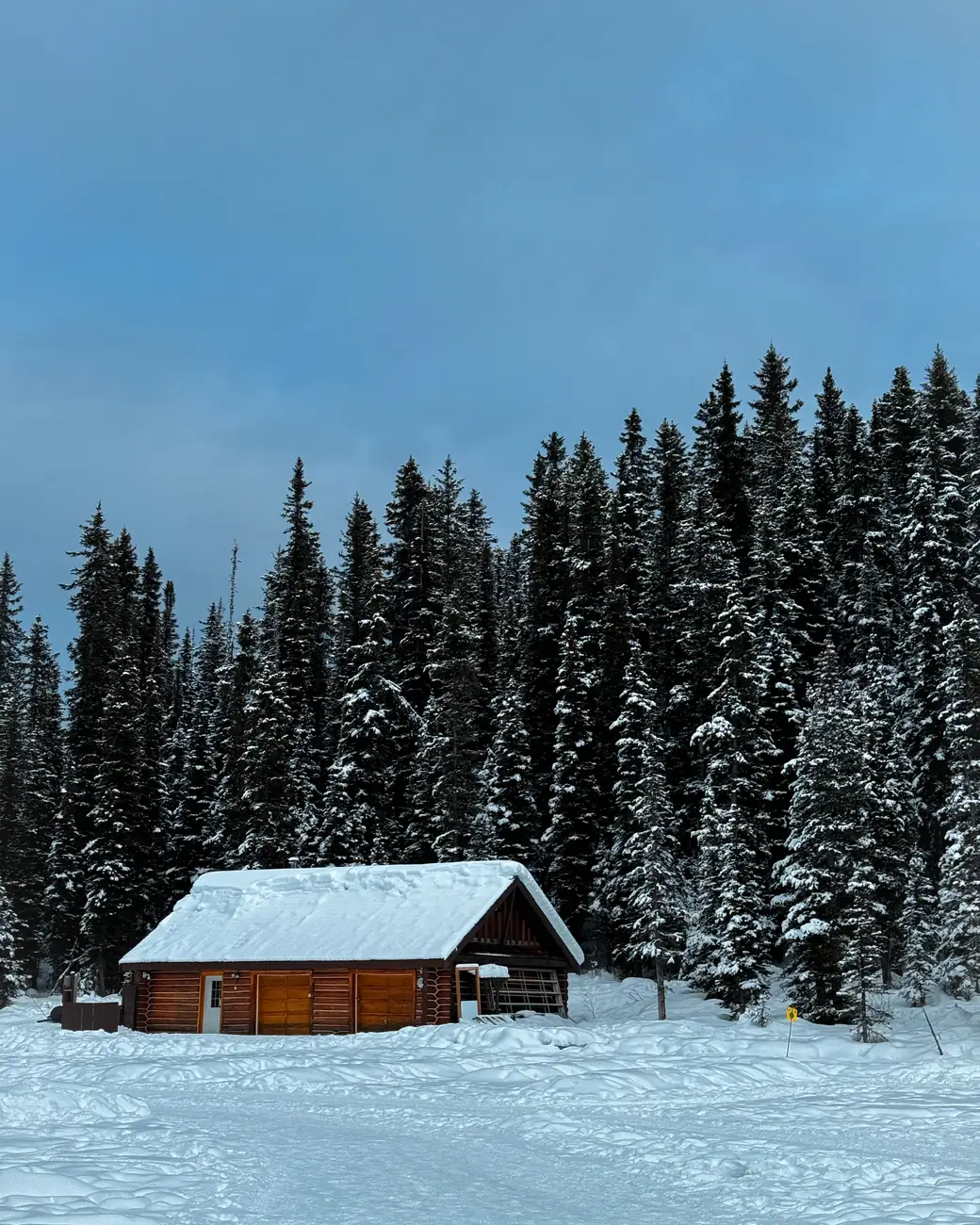
Cabana de madeira na floresta nevada, no inverno das Rochosas canadenses Winter · Nature & snow

Fourth chapter

When the Rockies change costume

From December to April the whole destination dresses in white — and becomes another journey. The lakes freeze into rinks of glass, the forests wake up frosted, and inside Banff National Park three ski resorts run one of the longest seasons in North America, served by a dry, feather-light snow skiers rightly call champagne powder.

And winter here doesn't require skiing: you skate on a frozen lake with a castle on its shore, walk with crampons through canyons of frozen waterfalls, ride a dogsled — and end the day in hot springs steaming under the open sky, snow in your hair. Clothing, gear and instructors for all of it? Sorted before you board.

  • 3 ski resorts inside Banff National Park
  • Nov–May — one of the longest seasons in North America
  • 0 worries: outfits, gear and lessons already arranged
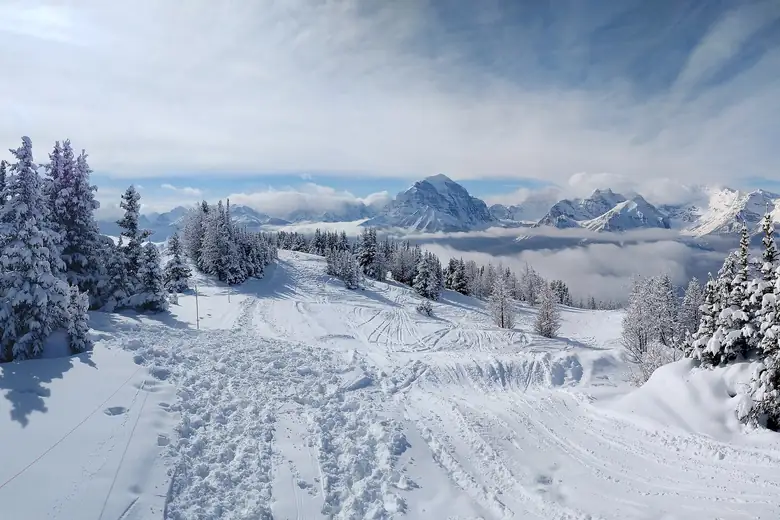
Pista de esqui entre árvores cobertas de neve nas Rochosas canadenses
The skiing

Three mountains, one trip

Lake Louise, Sunshine Village and Mt. Norquay: three resorts inside the park, from beginner nurseries to deep-powder bowls, with views that compete with the run itself. We build the week with lessons, reserved gear and daily transfers — all you do is ski down the mountain.

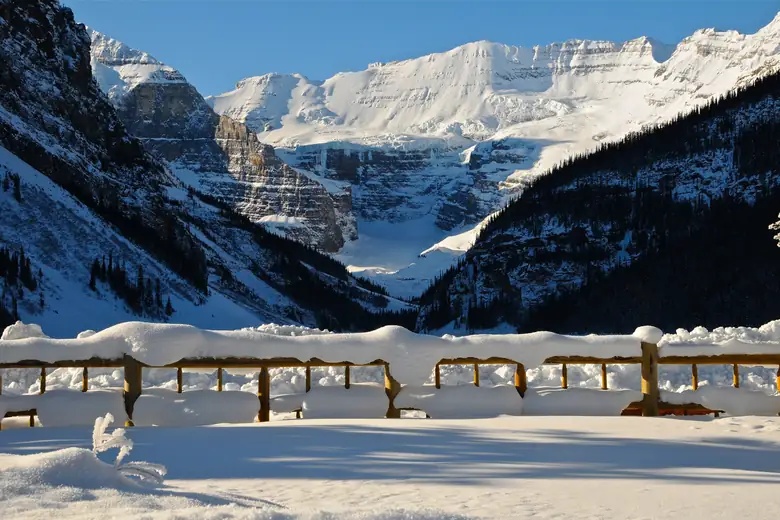
Lago Louise congelado no inverno, com a geleira Victoria ao fundo
The postcard

Skating on Lake Louise

In winter, Canada's most famous lake becomes a natural skating rink — perhaps the most scenic in the world, glacier in the background and ice sculptures on the shore. Skates rented on the spot, hot chocolate right after, and a memory no indoor rink can match.

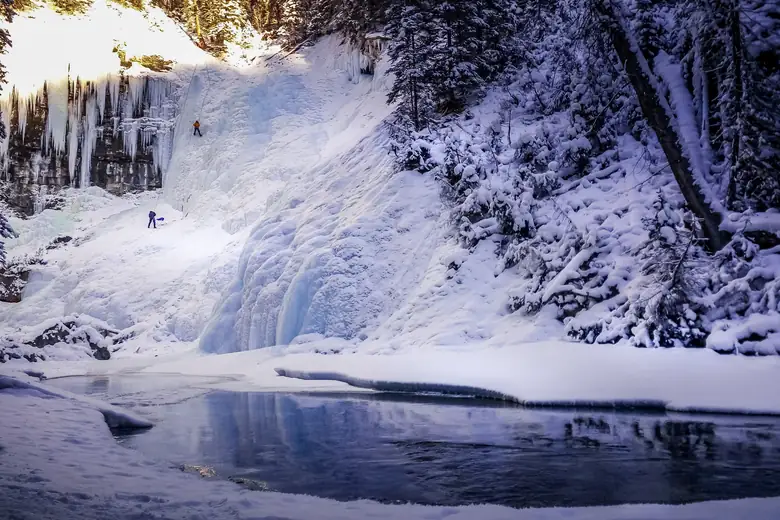
Cascatas congeladas nas paredes do Johnston Canyon no inverno
The walk

The ice canyon

In Johnston Canyon the waterfalls freeze into cathedrals of blue ice — and the guided crampon walk along the canyon walkways is Banff's most beautiful winter outing. Easy, safe and exactly the right amount of surreal; children finish it proud of themselves.

Day by day

How the week takes shape

A one-week summer skeleton to set the rhythm — every day can be swapped for another, and in winter the design changes entirely. Length, pace and experiences are always adjusted to you.

Day 1

Arriving from the west

Land in Calgary, car or driver waiting, and ninety minutes until the wall of the Rockies swallows the road. Check-in in Banff, a stroll through town and the first sunset at Vermilion Lakes, with Mount Rundle for a mirror.

CalgaryCheck-in in Banff
Day 2

Banff at your pace

Morning on the Sulphur Mountain gondola, the Rockies opening in 360 degrees. A free afternoon among the town's shops, a paddle on the Bow River or the historic hot springs — and the first proof that an elk on the lawn is routine, not an event.

GondolaHot springs
Day 3

The day of the lakes

An early alarm worth gold: sunrise at Moraine Lake, the Ten Peaks lighting up one by one. Then Lake Louise — a red canoe, the hike to the century-old teahouse, or simple contemplation facing the glacier. In the afternoon, the body is grateful for the spa.

Moraine at sunriseLake Louise
Day 4

The cinematic road

A whole day for the 230 km of the Icefields Parkway: Bow Lake, the Peyto lookout, the Athabasca Glacier excursion, the glass Skywalk and the waterfalls on the home stretch. Arrival in Jasper at dusk, feeling like you've driven through a documentary.

Icefields ParkwayAthabasca Glacier
Day 5

The lake and the island

Morning on Maligne Lake and the cruise to Spirit Island, the country's most photographed scene. Late afternoon on the Whistlers Mountain tramway — and at night, the dark-sky sky: Milky Way guaranteed, northern lights if the season cooperates.

Spirit IslandStarry sky
Day 6

The wild side

A photo safari at dawn with a naturalist guide — elk, bears and whatever the morning offers. Free afternoon: kayaking on Pyramid Lake, mountain hot springs, or nothing beyond the balcony. At night, the Rockies' farewell dinner.

WildlifeFree day
Day 7

Back down the same road — which is another

The Parkway in the opposite direction, morning light rearranging every landscape. The stops you owed yourself, a last coffee with a view and arrival in Calgary timed to your flight. Your yardstick for nature, recalibrated for good.

Icefields ParkwayFlight home
This itinerary is a starting point, not a package. Some stretch it to ten days and add the Yoho valley and Emerald Lake; some arrive by scenic train from Vancouver; some trade it all for the winter version of skiing and frozen lakes. The final design is always drawn together — and never in a hurry.

Gallery

What you will see

Click any image to enlarge.

How we travel

What changes when the journey is designed

The Rockies look simple — one road, two parks — but they are made of details that define the trip: the season, the access rules that changed, the rooms that sell out a year ahead. All of it is solved before you board.

The right season for your moment

A summer of lakes and trails, a September of golden larches, a winter of snow and auroras — the same map yields three different journeys. We cross occasion, dates and style before any booking: this is the choice that changes the outcome most.

The access rules that changed

Moraine Lake no longer admits private cars, and sunrise seats sell out fast; the Spirit Island cruise and the glacier run on coveted time slots. We know what must be secured months ahead — and we secure it, before you board.

From the wheel to the scenic train

The right car with every document sorted, a private driver for those who prefer to just watch the window, or the glass-roofed scenic train arriving from Vancouver. The logistics are drawn around your style — never the other way round.

The rooms with the view

The lakeside hotels have only a handful of rooms facing the water — and prime dates sell out up to a year ahead. We know which rooms are worth the difference, which wing to ask for and when to book. And we ask.

The right luggage, no excess

The secret of the Rockies is the layering system — and knowing what to rent there instead of carrying from home. We send your season's packing list, from altitude sunscreen to snow gear, and leave the equipment reserved at the destination.

24/7 support

From boarding in Brazil to your return, one team follows the entire trip. Any surprise — a flight, a road closed by weather, a special request at the hotel — is solved with a single message, in your language.

Where to stay

Three ways to live in the mountains

We work with a short list of houses we know and trust, organised by style — the final choice is always designed with you, crossing season, route and occasion.

History & grandeur

The castle hotels

The century-old castles of the railway era, planted on the most coveted spots on the map — one facing the Lake Louise glacier, another overlooking the Banff valley. Double-height halls, afternoon tea with a view, history in every corridor. Sleeping inside the postcard exists, and it is here.

Mountain & design

Mountain lodges

Timber, stone and floor-to-ceiling windows framing the peaks. Fireplaces lit, spas with steaming outdoor pools, mountain cuisine built on regional ingredients. Luxury here means waking up already inside the landscape — no jacket required to dine well.

Retreat & family

Lakeside cabins

In Jasper and the quieter valleys, cabins and chalets scattered along lakeshores — with kitchens for unhurried breakfasts, canoes at the dock and elk crossing the lawn. The right choice for families, for groups and for those who want true silence.

Know before

The essentials, no fine print

Practical information for those starting to think about the trip.

When to go

There is no wrong season — there are different journeys. The right question isn't "when are the Rockies beautiful?", but what you want to see beautiful.

Summer of lakesJun–Sep. Thawed lakes at peak colour, open trails, sixteen hours of daylight. The classic high season.
Golden autumnSep–Oct. The larches paint the slopes gold, the park empties out and the first snows crown the peaks.
Winter of snowDec–Apr. Skiing, frozen lakes, ice canyons — and aurora nights under Jasper's dark sky.
Coveted datesJuly, August and holidays sell out the lake-facing rooms up to a year ahead. The earlier, the better the view.

Documents and visas

Brazilians need a Canadian visa or an eTA (electronic travel authorisation): travellers holding a valid US visa, or who have held a Canadian visa in the past ten years, generally qualify for the eTA — issued online, for arrivals by air. We assess your case and point you down the simplest path, with realistic timelines.

No vaccines are required to enter Canada. We recommend robust travel insurance — standard on any journey of ours — and digital copies of your documents. Your passport must be valid for the full length of the stay.

Time zone, money and language

The Rockies live on Mountain Time, four to five hours behind Brasília — one of the rare faraway destinations without night-flipping jet lag. English is the language, the Canadian dollar is the currency and cards settle practically everything, from coffee to the tramway.

The altitude is kind: the towns sit between 1,000 and 1,600 metres — mountain scenery without altitude sickness. Outlets follow the North American standard (110V), and a 15–18% tip is customary in restaurants.

What to book ahead

The rooms with the view are the bottleneck: the lakeside hotels have few units and summer dates sell out up to a year ahead. Sunrise at Moraine, the Spirit Island cruise and the glacier excursion also call for early booking — they are the park's most contested tickets.

In winter, it's the turn of ski instructors, equipment in the right sizes and tables at the most coveted restaurants during the holiday weeks. None of this is a problem when solved early — and solving early is our trade.

To add on

To make the journey even more yours

Layers that fit naturally into a week in the Rockies.

01

Arrive by scenic train

Two days aboard a glass-roofed train between Vancouver and the Rockies, with impeccable onboard service and the landscape working overtime. The railway that founded these parks is still the most elegant way to reach them.

02

Yoho & Emerald Lake

Across the continental divide, the Yoho valley keeps Emerald Lake, Takakkaw Falls — one of Canada's tallest — and a fraction of its neighbours' visitors. A full day of treasures half an hour from Lake Louise.

03

The Rockies by helicopter

Fly over peaks and glaciers no road reaches and, in permitted areas outside the parks, land on a plateau for a picnic that is yours alone. The scale of the Rockies, seen from where it makes the most sense.

04

Winter, all the way in

Drive your own dogsled through frozen valleys, cross ice canyons on crampons, finish in hot springs steaming under the snow. The Canadian winter has a repertoire for those who have never clipped into a ski — and it concedes nothing.

05

Vancouver or Whistler on the same trip

Join the mountains to the Pacific: Vancouver and its dining scene between sea and forest, or Whistler, North America's most celebrated alpine village. Western Canada fills two weeks without repeating a landscape.

06

A photo session at the lakes

A professional photographer at sunrise on Moraine or Louise, capturing the honeymoon, the proposal or the family against the turquoise. In the Rockies even the scenery cooperates — and the memento appreciates with time.