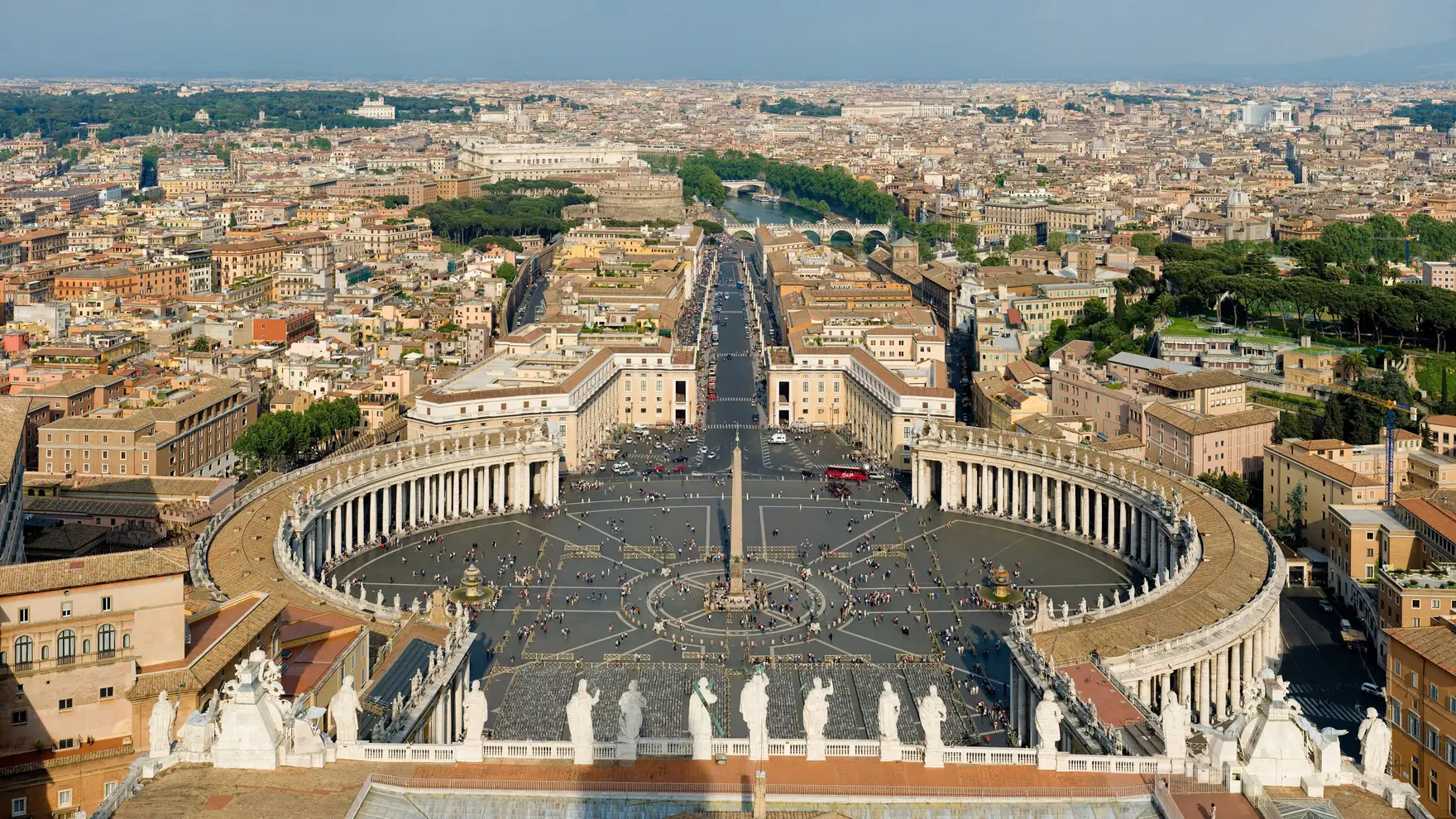
Roma vista do alto da cúpula de São Pedro, com a praça e a cidade ao fundo

Italy · La Dolce Vita

Where living is
an art

No other country packs so much beauty into so little map: Rome and its three thousand years, Tuscany drawn in cypress trees, villages clinging to cliffs above the Mediterranean, an entire city floating on a lagoon. And between one chapter and the next, the best table in the world — all at your own pace, all designed tailor made.

3,000years of layered history — espresso is served next to Roman temples
60+UNESCO World Heritage sites — no country on the planet has more
20regions, twenty cuisines — Italy is always tasted in the plural
100%tailor made — cities, pace and tables chosen for you

The destination

A country to be
savoured slowly

Italy is the most visited open-air museum in the world — but those who truly know it understand that the masterpiece is not behind any glass. It is in the late-afternoon light over a piazza, in wine poured by the person who made it, in the long conversation after lunch. You travel to see art; you come home having learned a way of living.

The classic axis is irresistible for a reason: it works. Rome and Florence linked by high-speed trains, four nights in each — time to see the icons without queues and still get lost without guilt. From there, the trip takes on the layers that suit you: the vineyards of Tuscany, the blue vertigo of the Amalfi Coast, Venice in the first hours of the morning, the northern lakes.

Because there is no single Italy: each region is a country with invisible borders, its own dialect and a cuisine that never repeats itself. Composing your itinerary — which chapters, in what order, at what pace — is exactly our job.

Ancient Rome The Renaissance Tuscan wines Amalfi Coast Venice & lakes Italian cuisine

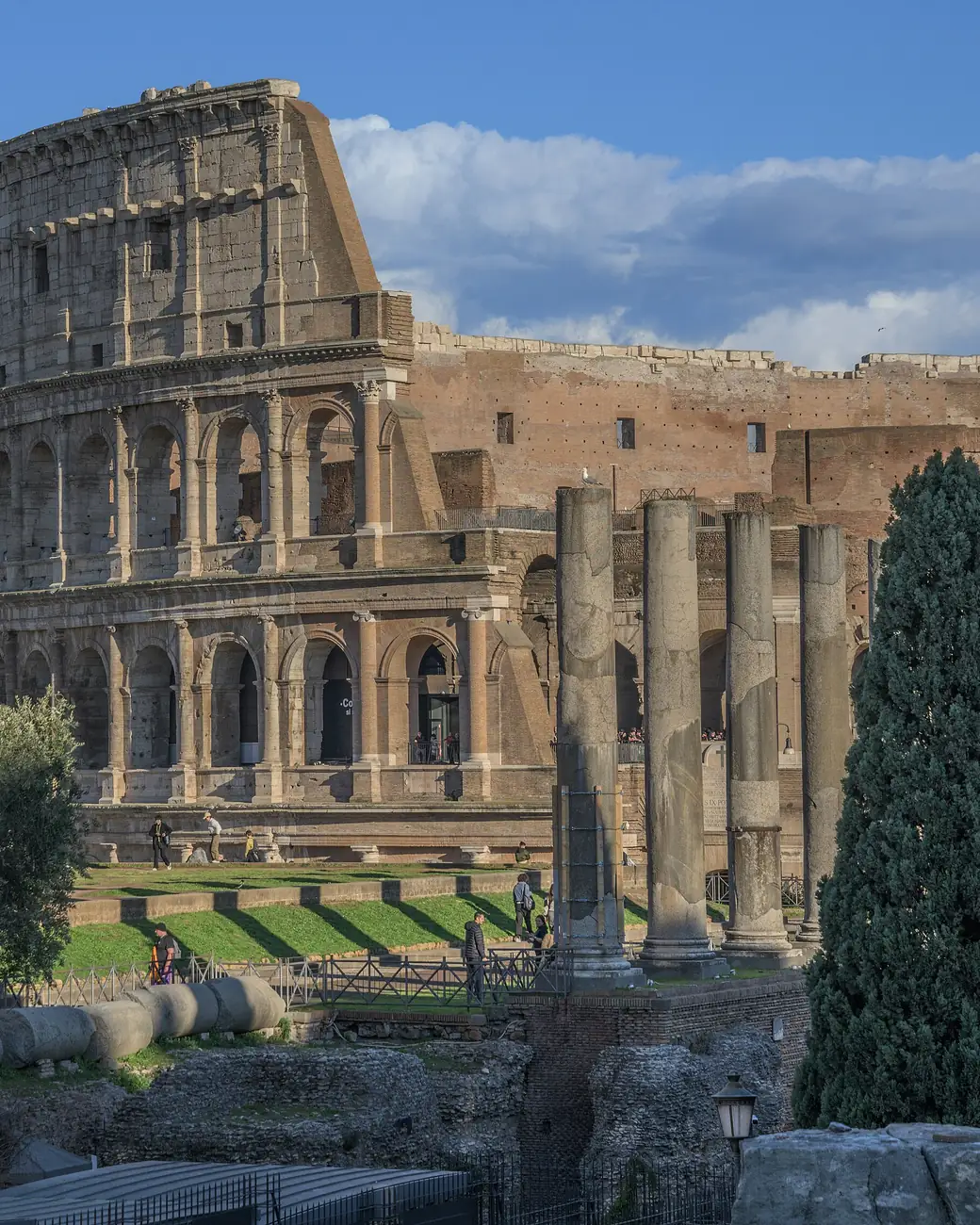
Coliseu de Roma com colunas do Foro Romano em primeiro plano Rome · The Eternal City

First chapter

Three thousand years in one afternoon

Rome does not keep its history — it lives inside it. The Colosseum appears around a corner as if that were normal, the Pantheon still stands with its original dome after two thousand years, and the espresso at the café on the square is served over stones that heard Julius Caesar. No other city in the world stacks so many eras into the same walk.

The secret is to see it without queues and with context: timed entries to the Vatican and the Colosseum, guides who turn ruins into stories, mornings for art and afternoons for la dolce vita — the fountain, the gelato, the aimless passeggiata. At night, Trastevere lights up its trattorias and Rome shows why nobody wants to leave.

  • 3 millennia of city — and the Pantheon still stands intact
  • 1 country inside the neighbourhood: the Vatican
  • 4 nights — the right measure for Rome without hurry
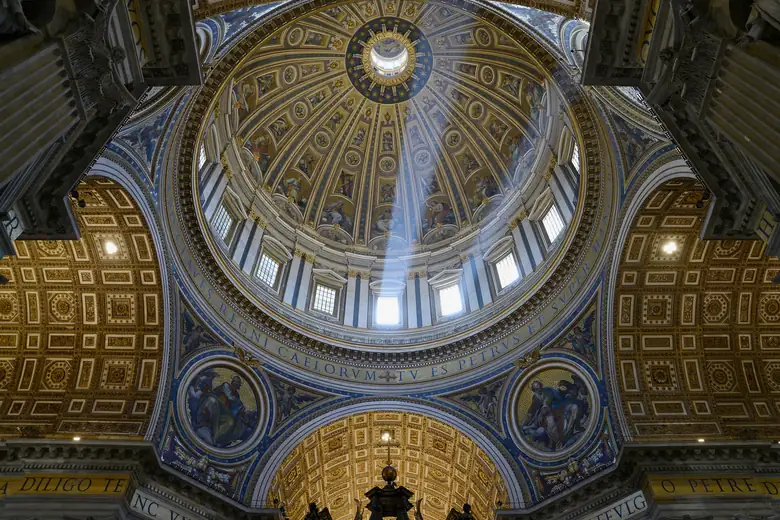
Interior monumental da Basílica de São Pedro, no Vaticano
For everyone

The Vatican, no queues

The Vatican Museums, the Sistine Chapel and St Peter's Basilica in a single visit — with timed, skip-the-line tickets and a guide who makes Michelangelo feel contemporary. The visit that would justify the trip on its own, done the right way.

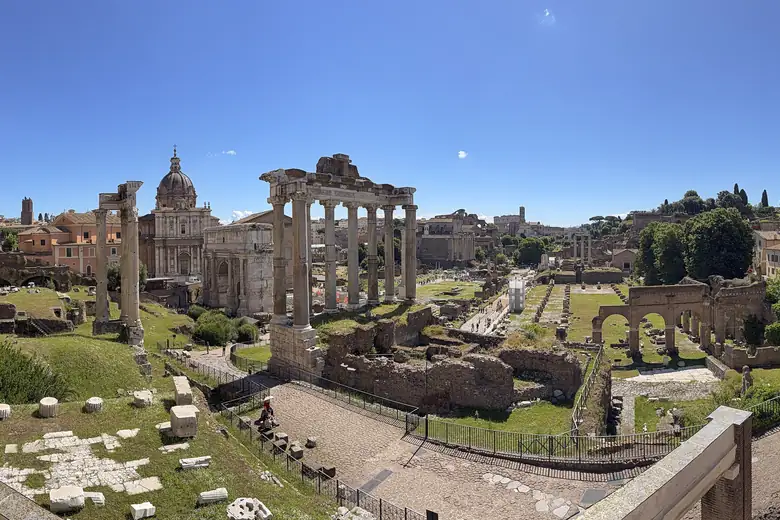
Vista ampla do Foro Romano com o Templo de Saturno
With children

The Rome of the gladiators

Colosseum, Roman Forum, Arch of Constantine: the circuit of ancient Rome becomes an adventure when the guide knows how to tell it — gladiators, emperors and conspiracies hold any age captive. With skip-the-line tickets, there is energy left for the gelato at the end.

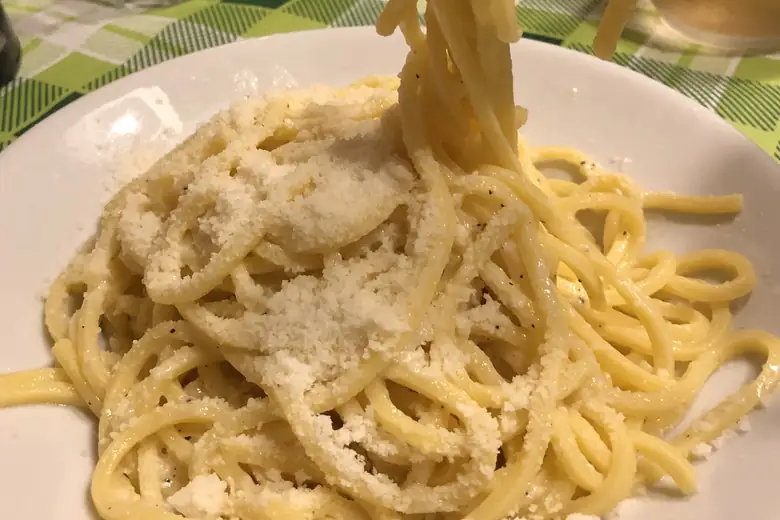
Prato de cacio e pepe servido numa trattoria romana
Adults only

Trastevere by night

Across the river, Rome takes off its evening gown: cobbled lanes, ivy on the façades, family-run trattorias and wine bars in no hurry at all. A dinner guided by the classics — carbonara, cacio e pepe, a chilled Frascati — and the whole city feels more intimate.

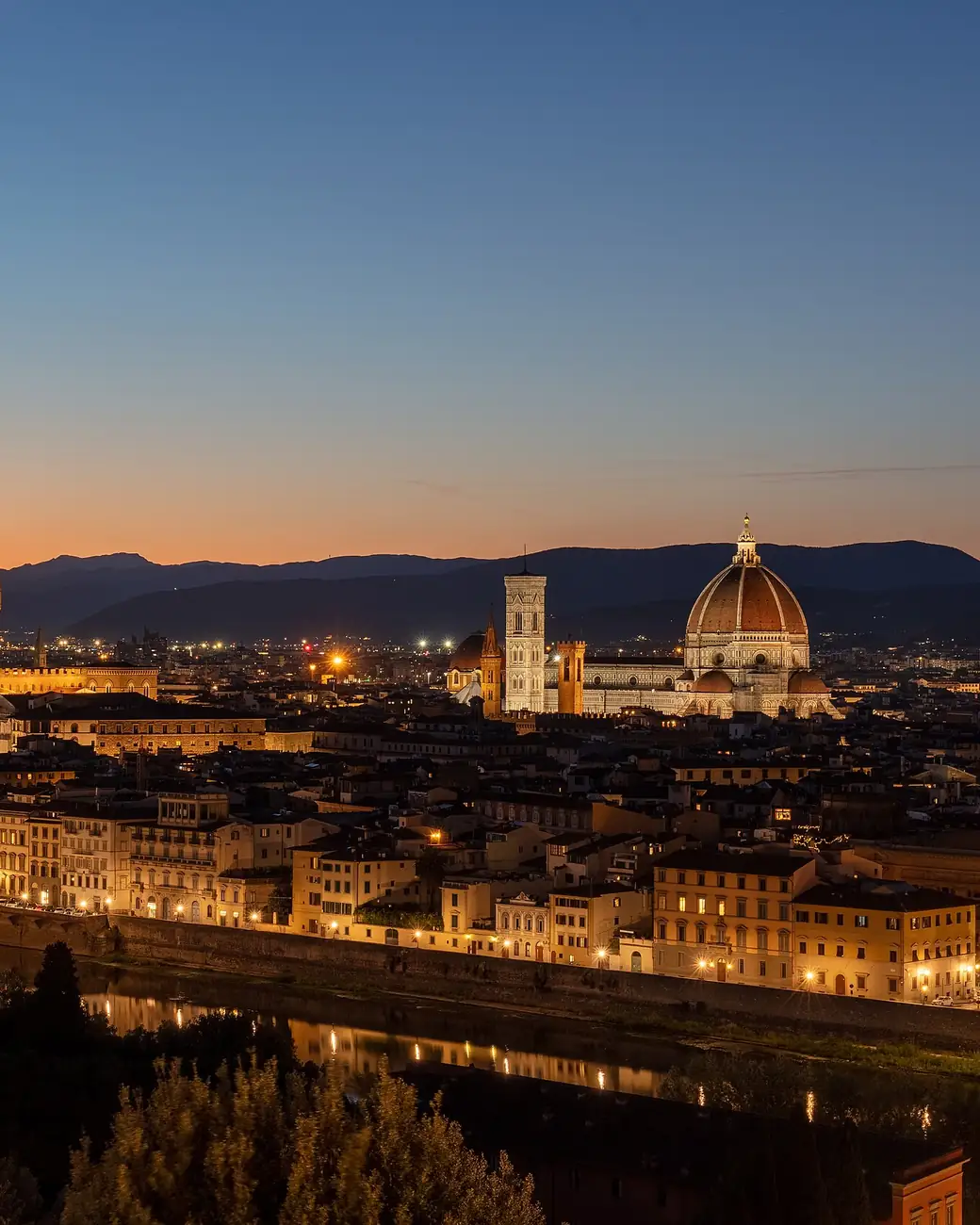
Cúpula de Brunelleschi dominando o casario de Florença Florence & Tuscany · The Renaissance

Second chapter

The city that reinvented beauty

The hour and a half by train between Rome and Florence crosses five centuries: from empire to Renaissance. Florence is compact, walkable and absurdly rich — Brunelleschi's dome, the Baptistery with its Gates of Paradise, Piazza della Signoria, the Ponte Vecchio over the Arno. Everything a few minutes' walk apart, everything at eye level.

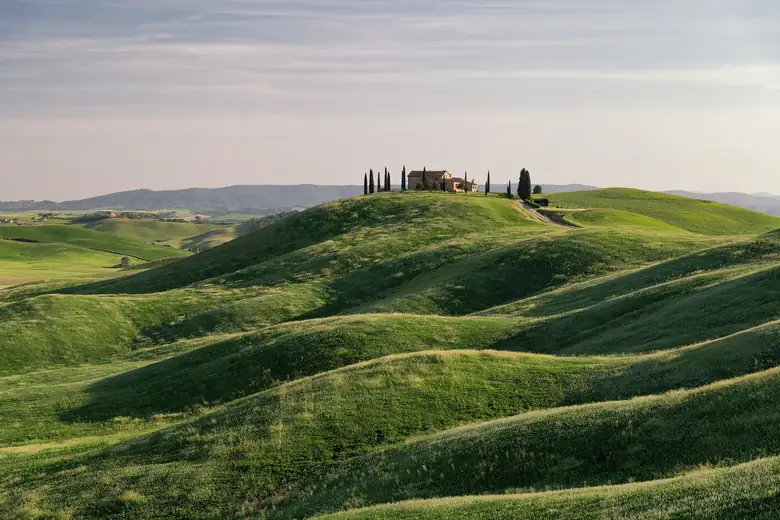
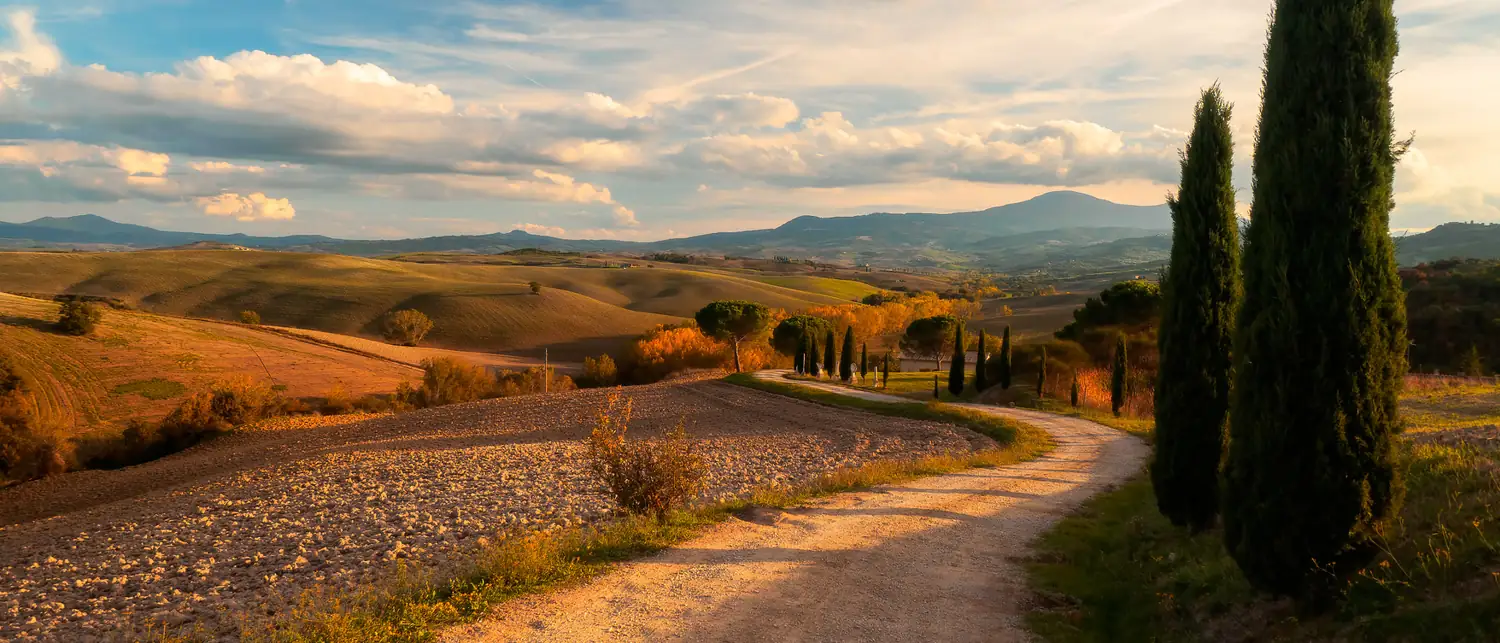
And where the city ends, the most beautiful countryside in Europe begins: hills drawn in cypress, golden dirt roads, walled villages and vineyards where lunch lasts all afternoon. Tuscany is the perfect counterpoint — after days of museums, days of table, wine and horizon.

  • 1h30 by high-speed train from Rome
  • 15th c. — Brunelleschi's dome is still the largest masonry dome in the world
  • 30 min and the city turns to vineyard: Tuscany starts right there
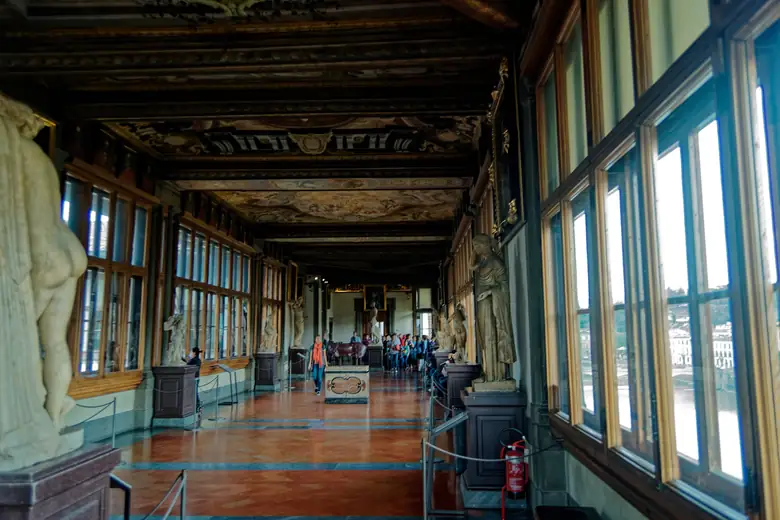
Galeria degli Uffizi com suas obras renascentistas em Florença
For everyone

The Uffizi with a guide

Botticelli, Leonardo, Raphael, Caravaggio — the greatest collection of Renaissance painting on the planet, walked with tickets included and a guide who picks the right path through the corridors. Two well-guided hours are worth more than a day lost in the crowd.

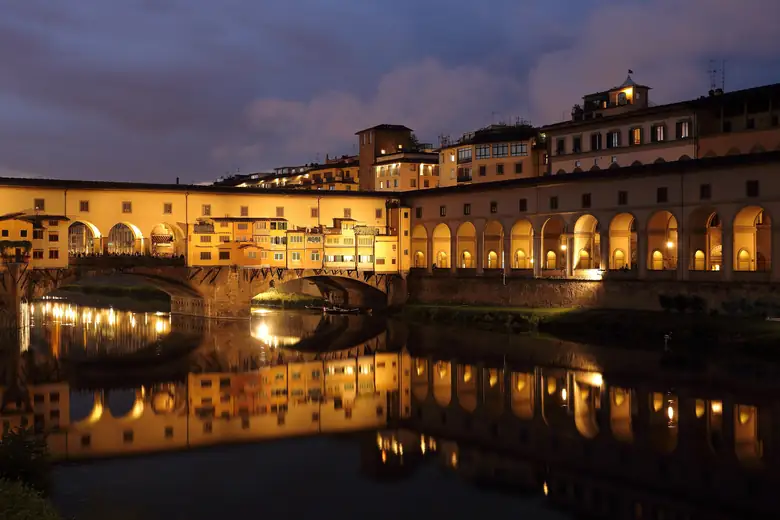
Ponte Vecchio iluminada refletida no rio Arno à noite
For everyone

Florence on foot

From the Cathedral to the Ponte Vecchio, the centre of Florence is a single stroll — the Duomo, Giotto's Campanile, the Baptistery, the Signoria, the goldsmiths over the river. At the end of the day, Piazzale Michelangelo lays the whole city golden at your feet.

Colinas da Toscana com ciprestes e vinhedos ao amanhecer
Adults only

A day among the vineyards

With a private driver, the day drifts through Chianti or the Val d'Orcia: tastings in the cellar, lunch at the winery with the whole hillside in the window, a medieval village before heading back. The kind of day that tends to be voted the trip's best.

Colinas do Val d'Orcia, na Toscana, com ciprestes e luz dourada

In Italy, beauty is not locked away in museums — it spills into the street, onto the table, into the conversation. You travel to see; you come home having learned to live a little better.

From Brazil to la dolce vita, everything designed tailor made
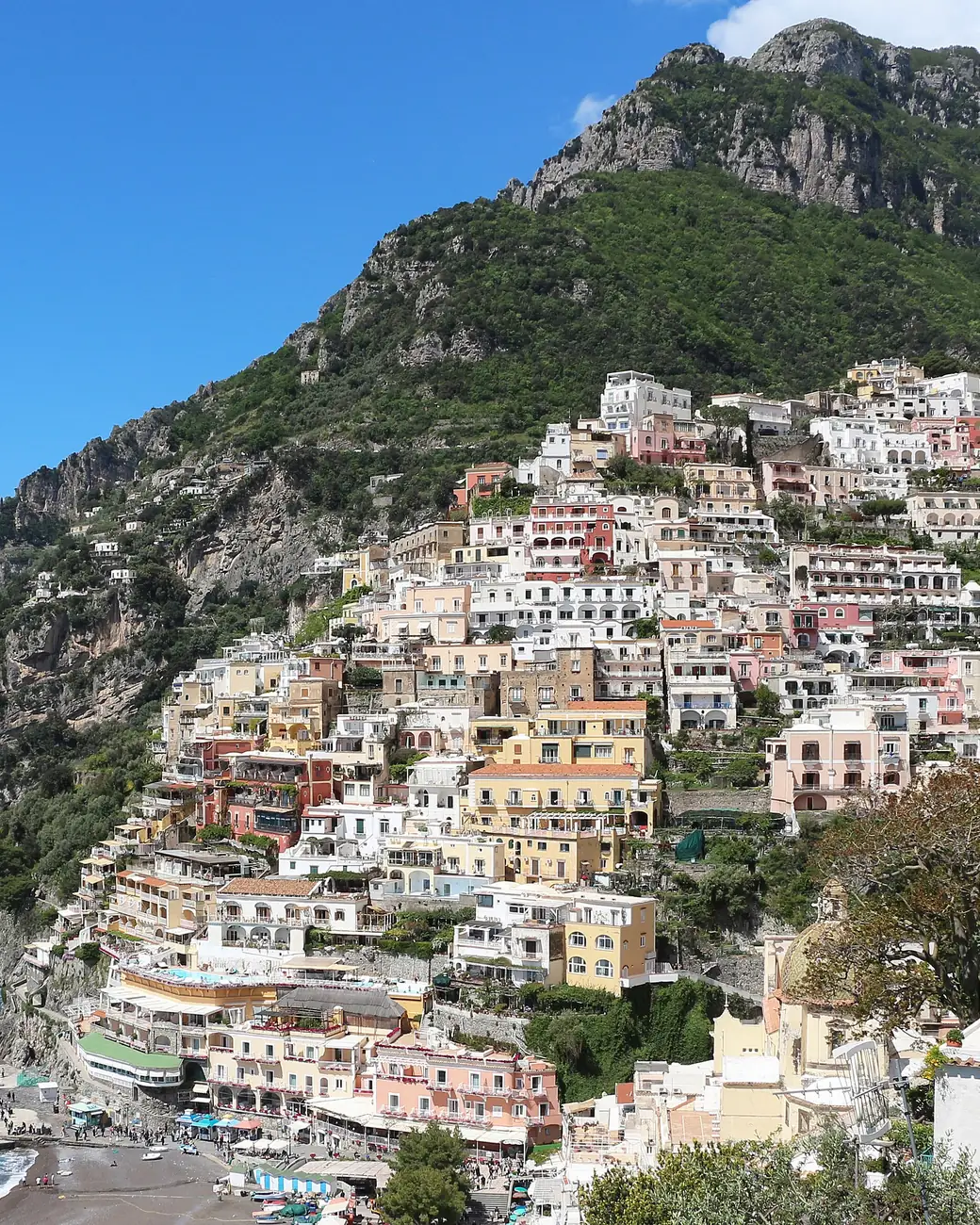
Casario colorido de Positano descendo o penhasco até o mar Amalfi Coast · The vertical Mediterranean

Third chapter

The most beautiful road in the world

South of Naples the mountain plunges into the sea and thirteen villages cling to the way down: Positano in a cascade of peach-coloured houses, Amalfi and its cathedral, Ravello suspended in its gardens high above. The road that stitches them together is one continuous lookout — and a UNESCO World Heritage site for almost three decades.

Here the trip shifts gear: mornings on a private boat along the coast, swims in ink-blue water, limoncello in the shade of the lemon groves, dinners on terraces where the sea is the wall. This is the chapter of dolce far niente — the Italian art of doing nothing, done to perfection.

  • 13 villages hanging between the mountain and the sea
  • 1997 — UNESCO World Heritage site
  • Capri is one private boat ride away
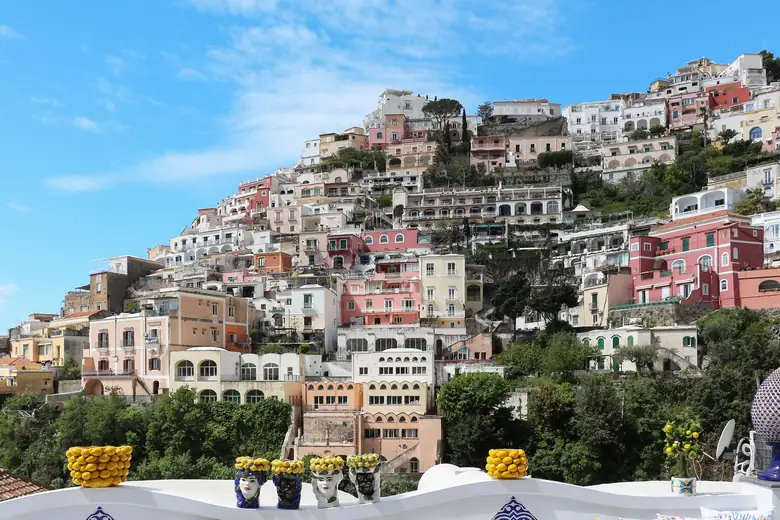
Casario colorido de Positano subindo o penhasco
Adults only

Positano at dusk

When the tour buses leave, Positano goes back to being itself: the houses lighting up one by one, the murmur of the terraces, a spritz with the Mediterranean darkening behind it. Staying on the coast — rather than visiting it — is what changes everything.

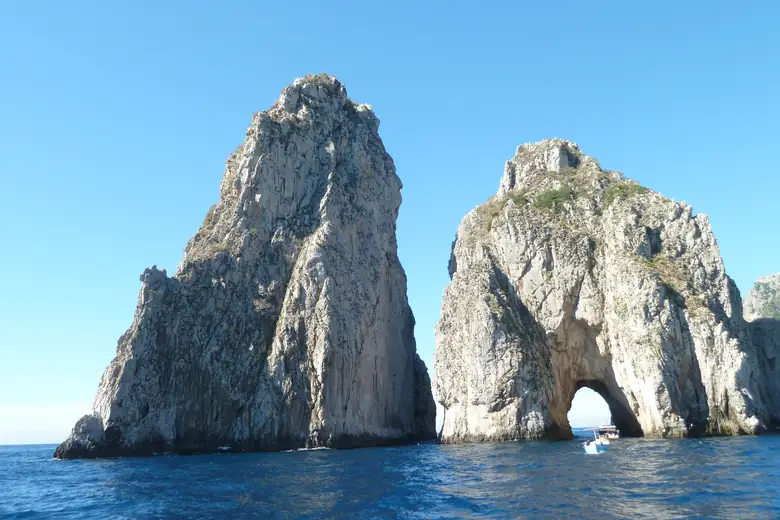
Faraglioni de Capri vistos do mar em dia de céu azul
For everyone

Capri by private boat

Set out early, round the Faraglioni, dive into grottoes of electric-blue water and have lunch on Capri before the island fills up. With your own launch and skipper, the whole coast becomes a backyard — and the children forget the pool ever existed.

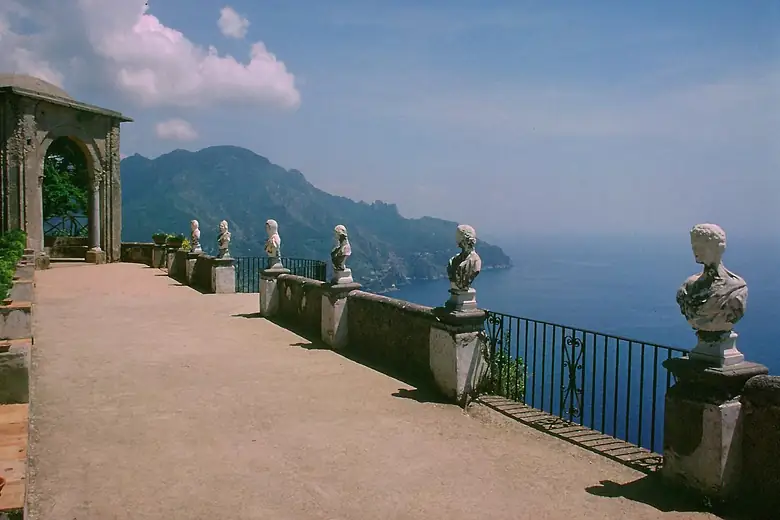
Terraço com vista para o mar em Ravello, na Costa Amalfitana
For everyone

Ravello, the coast's terrace

Three hundred metres above the sea, Ravello is the coast's erudite pause: hanging gardens, centuries-old villas and open-air concerts with infinity for a backdrop. Wagner composed here — and the reason becomes obvious at first sight.

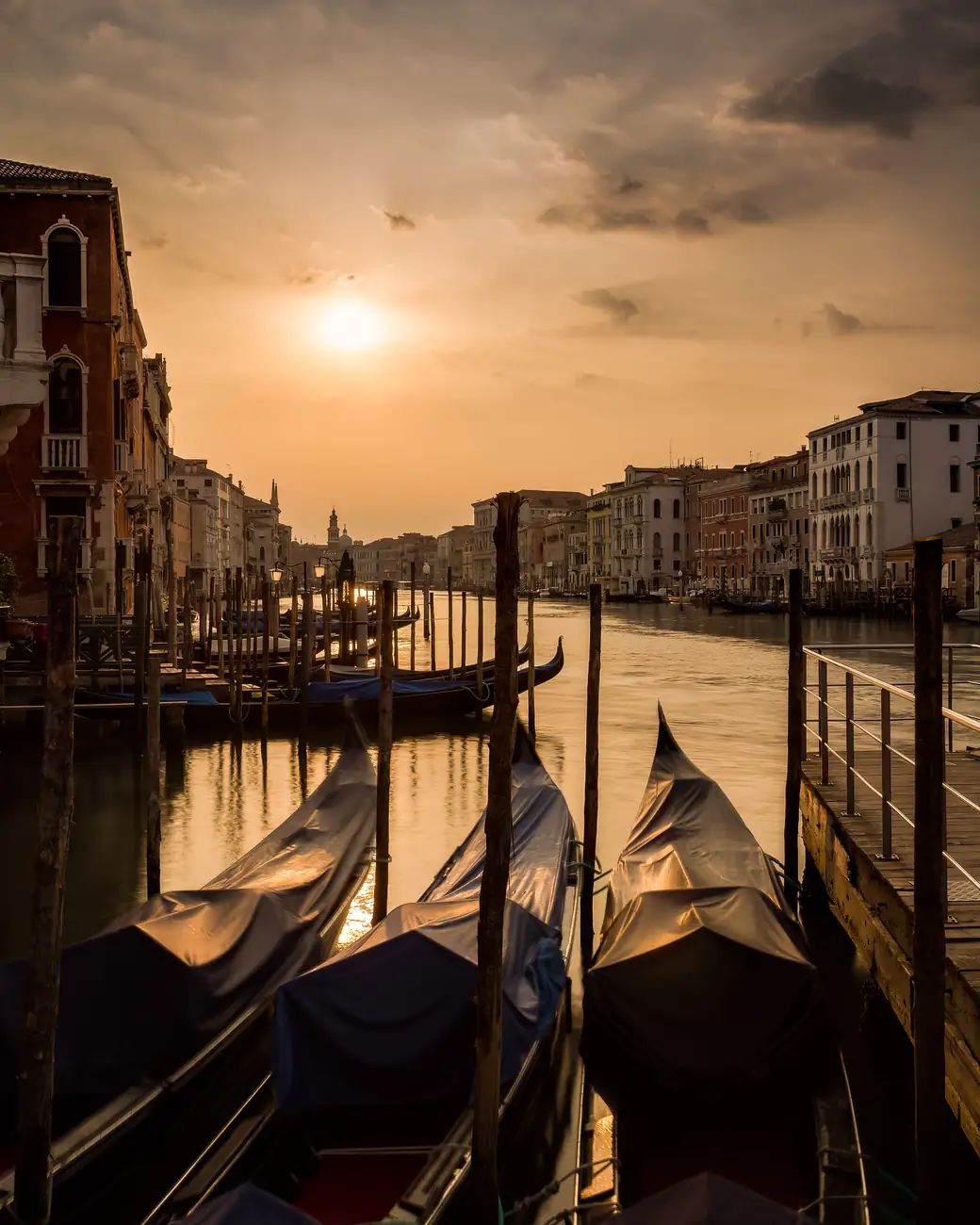
Gôndolas no Grand Canal de Veneza com palazzos ao fundo Venice & the Lakes · Italy on the water

Fourth chapter

A city that floats

One hundred and eighteen islands, more than four hundred bridges, not a single car: Venice remains the most improbable city in the world. The right way to live it is to sleep in it — when the day-trippers leave, the Serenissima gives back its canals in silence, and St Mark's Square at dawn becomes an almost private privilege.

And Italy on the water does not end at the lagoon: to the north, Lake Como mirrors mountains and villas with gardens running down to the shore — the aristocracy's summer refuge since Roman times. Between gondolas and varnished wooden boats, this is the country's most romantic chapter.

  • 118 islands, 400 bridges, not a single car
  • 1,100 years of a republic built on water
  • Como — the lake of the villas, the perfect way to close the trip
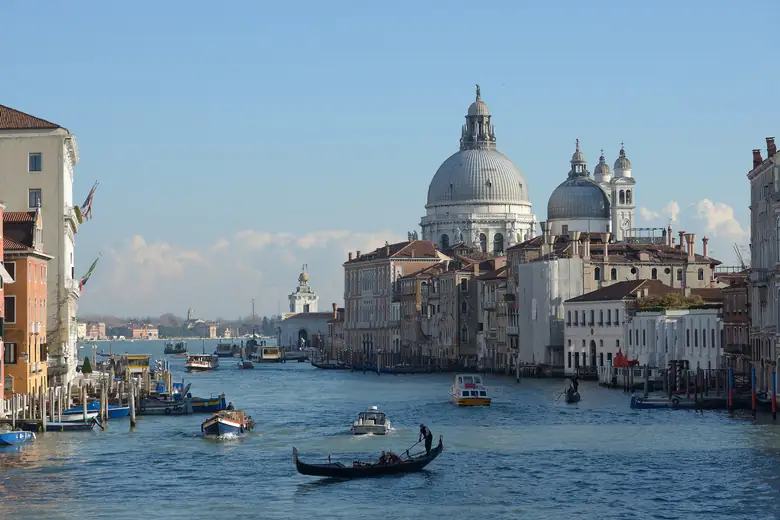
Gôndola no Grand Canal com a Basílica della Salute ao fundo
For everyone

Venice at dawn

Before nine, Venice belongs to those who slept in her: St Mark's without the crowd, the golden mosaics catching the first light, canals where all you hear is water. A walking route in the early hours is worth the whole stay.

Casas coloridas refletidas no canal da ilha de Burano
With children

Murano & Burano

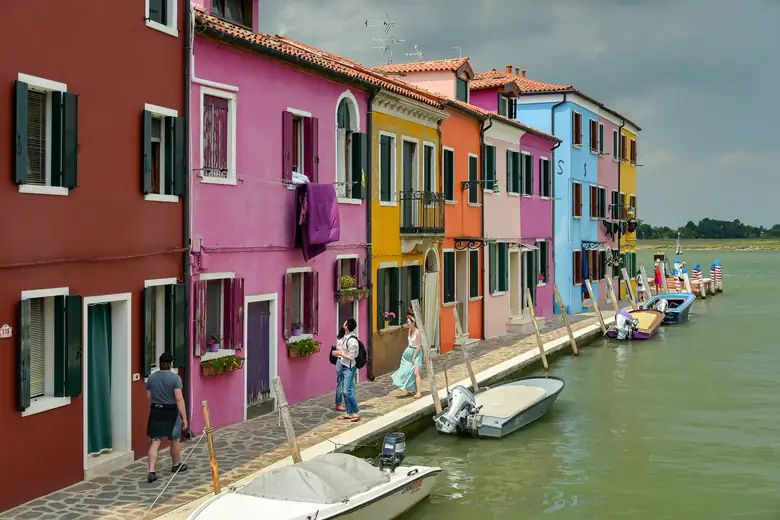
By private boat across the lagoon: on Murano, the master glassmakers blow incandescent sculptures before your eyes; on Burano, every house has its own colour and the seafood lunch is the best in the region. Half a day that enchants any age.

Vilarejo à beira do Lago de Como com montanhas ao fundo
Adults only

Lake Como

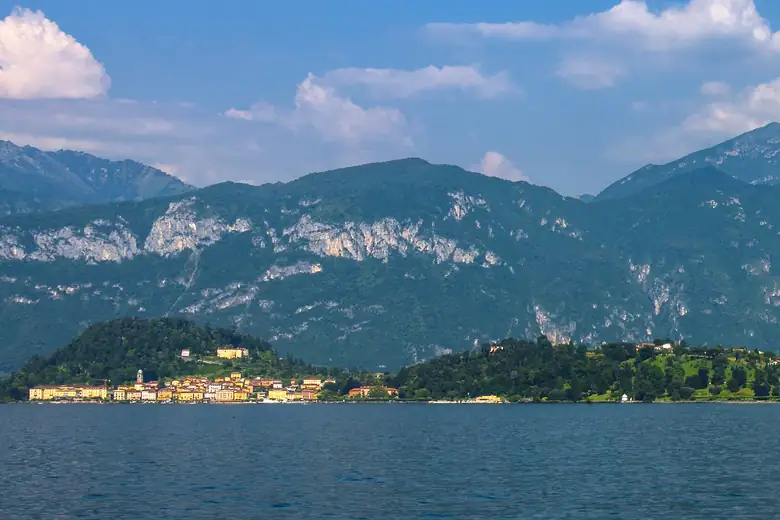
Villas with gardens at the water's edge, villages like Bellagio and Varenna, crossings in wooden boats from the 1950s. Two or three nights on the lake are the perfect epilogue — above all for honeymoons and occasions that call for a proper closing scene.

Day by day

How the trip takes shape

A nine-day skeleton along the classic axis — Rome, Florence and Tuscany — to give you a sense of proportion. Every day can be swapped, and the trip welcomes new chapters: coast, lagoon, lakes. Length and pace are always adjusted to you.

Day 1

Buongiorno, Rome

Arrival in Rome and private transfer to your hotel in the historic centre. Late afternoon for a first passeggiata — the Pantheon, Piazza Navona, a gelato — and dinner close to home to beat the jet lag in the best local style.

ArrivalFirst passeggiata
Day 2

The Vatican

Morning at the Vatican Museums with skip-the-line tickets and a private guide: the galleries, the Sistine Chapel, St Peter's Basilica. Free afternoon — the dome for the energetic, the Trevi Fountain and the Tridente for the flâneurs.

Sistine ChapelNo queues
Day 3

Ancient Rome

Colosseum, Roman Forum and the Arch of Constantine with a guide and timed tickets — the Rome of the emperors told as living history. In the afternoon, the Capitoline Hill and Piazza Venezia; at night, a trattoria in Trastevere.

ColosseumTrastevere
Day 4

Rome at your own pace

A free day with good suggestions up our sleeve: the Galleria Borghese with a timed entry, the ateliers and antique shops of the centre, a long lunch at Campo de' Fiori — or simply Rome with no plan at all, which may be the best Rome there is.

Free dayGalleria Borghese
Day 5

By train to the Renaissance

High-speed train to Florence — an hour and a half of countryside through the window. Check-in and the city on foot with a guide: the Duomo, the Baptistery and the Gates of Paradise, Piazza della Signoria, the Ponte Vecchio at dusk.

Change of baseFlorence on foot
Day 6

Botticelli up close

Morning at the Galleria degli Uffizi with tickets included and a guide — the entire Renaissance in two well-chosen hours. Afternoon in the Oltrarno, the artisans' quarter, and sunset at Piazzale Michelangelo with Florence golden at your feet.

UffiziOltrarno
Day 7

A day in Tuscany

With a private driver, a whole day among the hills: tastings at Chianti or Brunello wineries, lunch on the estate, a medieval village on the way back. The day that usually wins the vote for the trip's best.

VineyardsLunch at the winery
Day 8

Florence at your own pace

A free day for whatever has been calling: climbing Brunelleschi's dome, a cooking class with the market run included, the Accademia to meet the David — or a second helping of countryside, and nobody will judge.

Free dayCooking class
Day 9

Arrivederci — or not yet

An unhurried breakfast and a transfer timed to your flight home. Or — our favourite suggestion — the trip goes on: three nights on the Amalfi Coast, Venice at dawn, Lake Como. Italy always calls for an encore.

ReturnOr an extension
This itinerary is a starting point, not a package. Some swap Tuscany for the Amalfi Coast, some start in Venice, some need more free days — and some want it all. The final design — cities, bases, number of nights — is always drawn up together, and never in a hurry.

Gallery

What you will see

Click any image to enlarge.

How we travel

What changes when the trip is designed

Italy rewards those who arrive prepared: the great icons require timed entries, the best tables require bookings, and the right pace cannot be improvised. All of it is settled before you board.

The right itinerary, not the standard one

First time? Rome and Florence. Honeymoon? Coast and lakes. With children? Gladiators, gelato and boats. Italy has too many chapters for a single trip — choosing yours is the first conversation, and the most important one.

No queues, full context

The Vatican, the Colosseum, the Uffizi and the Borghese all work on timed entries — and they sell out. We book everything in advance and appoint guides who are genuine historians: the difference between looking at stones and hearing history happen.

Trains, drivers & boats

High-speed trains in executive class between the cities, a private driver on the roads of Tuscany and the coast, launches where the road is the sea. The historic centres restrict cars — the right logistics are half the journey.

The table as itinerary

From the family trattoria to the starred restaurant, from the hidden enoteca to lunch at the winery: eating well in Italy takes curation and reservations. We build the gastronomic map of your trip — including the addresses that appear in no ranking.

The Italian pace

The classic mistake is trying to see everything. We design mornings for art and afternoons for life: the piazza, the market, the siesta, the aperitivo. Italy happens in the gaps of the itinerary — and we guard them with care.

24/7 support

From boarding in Brazil to your return, a team follows the entire trip. Any surprise — a flight, a strike, an impossible table — is solved with a single message, in your language.

Where to stay

Three ways to sleep in Italy

We work with a short list of houses we know and trust — organised here by style, because in Italy the address sets the tone of the trip. The final choice is always designed with you.

The classics

Palaces with history

Palazzos and the grandes dames of Italian hotel-keeping: frescoed salons, terraces over the rooftops, service from another era. To sleep inside history — in Rome, above the Spanish Steps; in Venice, with the Grand Canal in the window.

  • Rome · historic centreGrandes dames & terraces
  • Venice · Grand CanalPalazzos on the water
Charm & boutique

Intimate addresses

Houses of just a few rooms in restored palazzetti: Italian design, rooftops with a sunset spritz and the city starting at the door. For those who would rather feel like the guest of a home — not of a lobby.

  • Florence · by the DuomoDesign palazzetti
  • Rome · Monti & the TridenteNeighbourhood boutiques
Country & sea

Villas, vines & cliffs

Wine resorts among Tuscan vineyards, villas with pools and olive trees, garden hotels hanging over the Amalfi Coast and on the shores of Como. Italian luxury beyond the cities — where the landscape does the butler's work.

  • Tuscany · among the vineyardsVillas & wine resorts
  • Amalfi & Como · over the waterGarden hotels with a view

Know before

The essentials, no small print

Practical information for those starting to think about the trip.

When to go

Italy works all year round — each season delivers a different country. The shoulder seasons are the favourites of those who travel well:

Apr–JunSpring: cities in bloom, perfect walking temperatures and the coast opening for the season. The ideal balance for the classic axis.
Jul–AugSummer: the height of the sea — Amalfi, Capri and the lakes in full form. In the art cities, heat and crowds: it calls for a clever routine of early mornings and shaded afternoons.
Sep–OctAutumn: the grape harvest in Tuscany, golden light, a sea still warm and shorter queues. For many — and for us — Italy's finest season.
Nov–MarWinter: the art cities almost without tourism, opera, truffles and snow in the Alps. The coast hibernates — and Venice turns mysterious and beautiful.

Documents and visas

Brazilians do not need a visa for tourism of up to 90 days in Italy (Schengen Area). Passports must be valid for at least six months, and travel insurance with the minimum Schengen coverage is required.

When the European electronic travel authorisation (ETIAS) comes into force, pre-registration will be required — we follow it closely and walk you through it when your trip comes around.

Booking is the word

The great icons — the Vatican, the Colosseum, the Uffizi, the Galleria Borghese, Brunelleschi's dome — work on timed tickets that sell out weeks in advance, as do the best tables and the coast's most coveted hotels.

That is the beauty of travelling by design: by the time you board, all of it is already secured — including the plan B for the day it rains.

Italian codes

Churches require covered shoulders and knees — St Peter's included. Lunch happens between 12:30 and 2:30pm, dinner rarely before 7:30pm, and many shops close for the riposo in the early afternoon. Cappuccino, for the locals, ends at breakfast.

In the historic centres, a car is a liability: the limited traffic zones (ZTL) fine without warning. That is why our city routes run on foot, by train and with a driver — and Italy gives back so much more.

To add on

To make the trip even more yours

Chapters that fit naturally into the classic axis.

01

Cinque Terre & Liguria

Five villages in impossible colours clinging to the cliffside, linked by trails above the sea and fishermen's boats. Between Florence and Milan, two days of Liguria — with a pesto that ruins all others — complete any itinerary.

02

Sicily, Italy twice over

Greek temples better preserved than Greece's own, the baroque of Noto, Taormina with Etna smouldering behind it and a cuisine that is a chapter in itself. The island asks for a week — and gives back a whole other trip.

03

Puglia: trulli & masserias

The heel of the boot keeps Italy at its most authentic: the conical rooftops of Alberobello, white towns above the blue of the Adriatic and masserias — fortified farms turned refuges of charm among thousand-year-old olive trees.

04

The Dolomites, a vertical garden

Towers of rose-coloured stone above alpine meadows: in summer, trails and turquoise lakes; in winter, one of the world's finest ski areas with Europe's most elegant alpine hotel-keeping. Italy in its mountain edition.

05

Milan & the fast north

The capital of fashion and design makes a first-class urban finale: the windows of the Quadrilatero, The Last Supper with a timed entry, opera at La Scala. And for those in love with engines, Ferrari country is on the way.

06

Hands in the dough

Cooking classes with the market run included, truffle hunting with sniffer dogs in Piedmont, vertical tastings with the producer. The best souvenir of Italy is the one you learn to make — and it fits in the luggage of any age.

( Pairs well with this trip )

More chapters for this trip

Greece

From the Colosseum to the Parthenon: the classical Mediterranean continues into the Aegean, among white islands and deep-blue sea.

Portugal

A short flight away, in a familiar language: Lisbon, the Douro and a table to rival Italy's.

Luxury Cruises

The Mediterranean seen from the sea: Amalfi, Sicily and the Aegean stitched together by boutique ships.