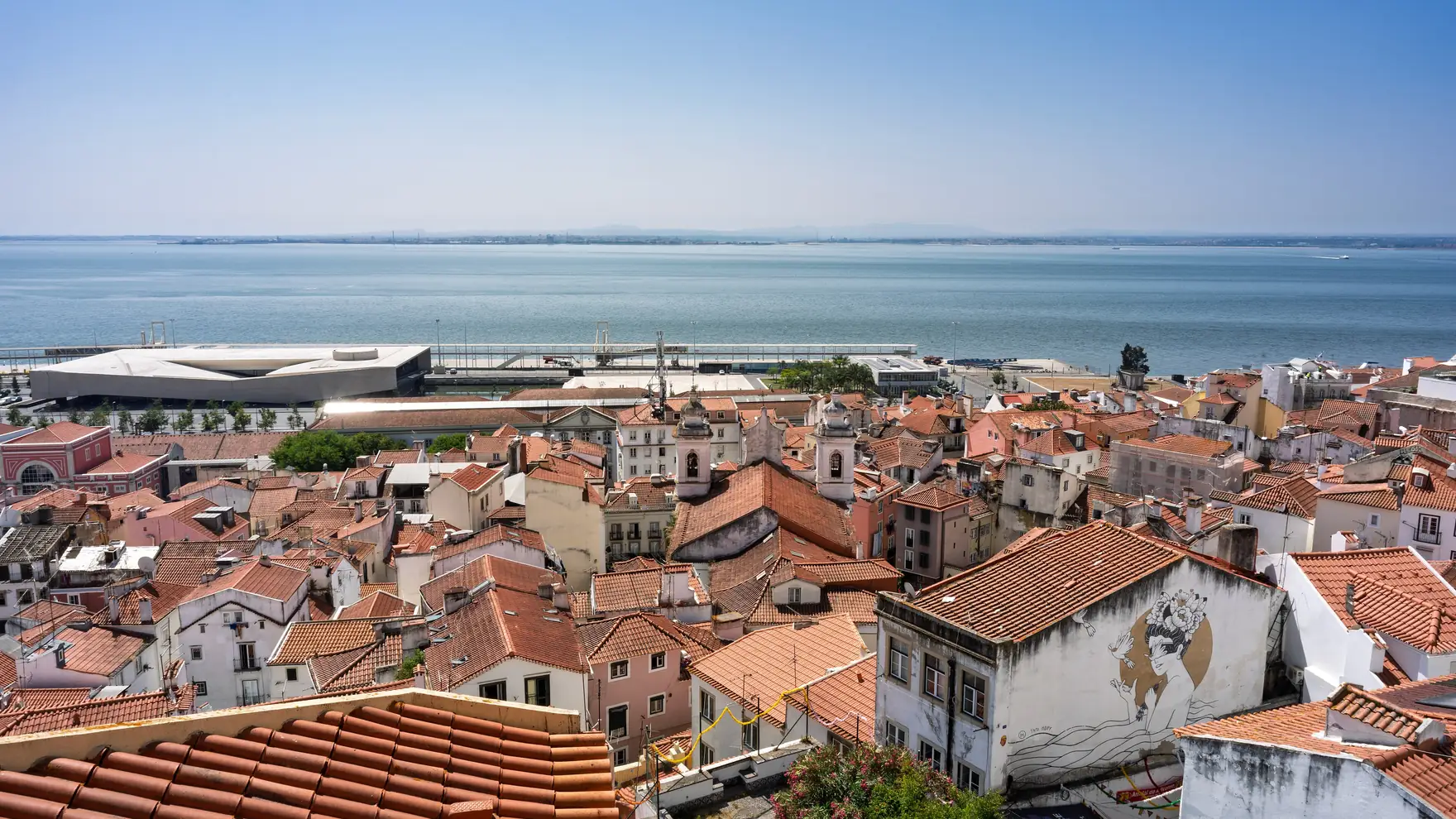
Telhados de Lisboa descendo até o rio Tejo

Portugal · Atlantic Europe

The light, the sea
and the table, set

Europe's oldest country fits into a single journey — with time to spare for doing nothing at all. Palaces in the morning, vineyards at lunch, the Atlantic at sunset; everything close, everything designed tailor made.

1143the year Portugal was born — almost nine centuries of history
17UNESCO World Heritage sites, from Belém to the Douro Valley
300days of sunshine a year between Lisbon and the Algarve
100%tailor made — cities, wine estates and beaches combined for you

The destination

Small on the map,
immense in memory

Portugal is that rare country where distances work in your favour: within a few hours' drive fit a capital of seven hills, a mountain range of palaces, the world's oldest demarcated wine region and a coastline carved into golden cliffs. No day is lost in transit — every one is gained in discovery.

And everything surprises: the light of Lisbon, the granite of Porto, the silence of the Alentejo, and a table that now collects Michelin stars without ever giving up salt cod or a warm pastel de nata. Portugal welcomes visitors with a warmth that turns strangers into regulars by the second day.

There is no single Portugal: there is the one of cities and the one of wine estates, the one of palaces and the one of near-deserted beaches, the classic and the barefoot-chic of Comporta. Combining the right layers — at the right pace, with the right houses and tables — is what turns an itinerary into a journey. And that is precisely our job.

Wine & gastronomy History & palaces Beaches & cliffs Fado & culture Families Honeymoon

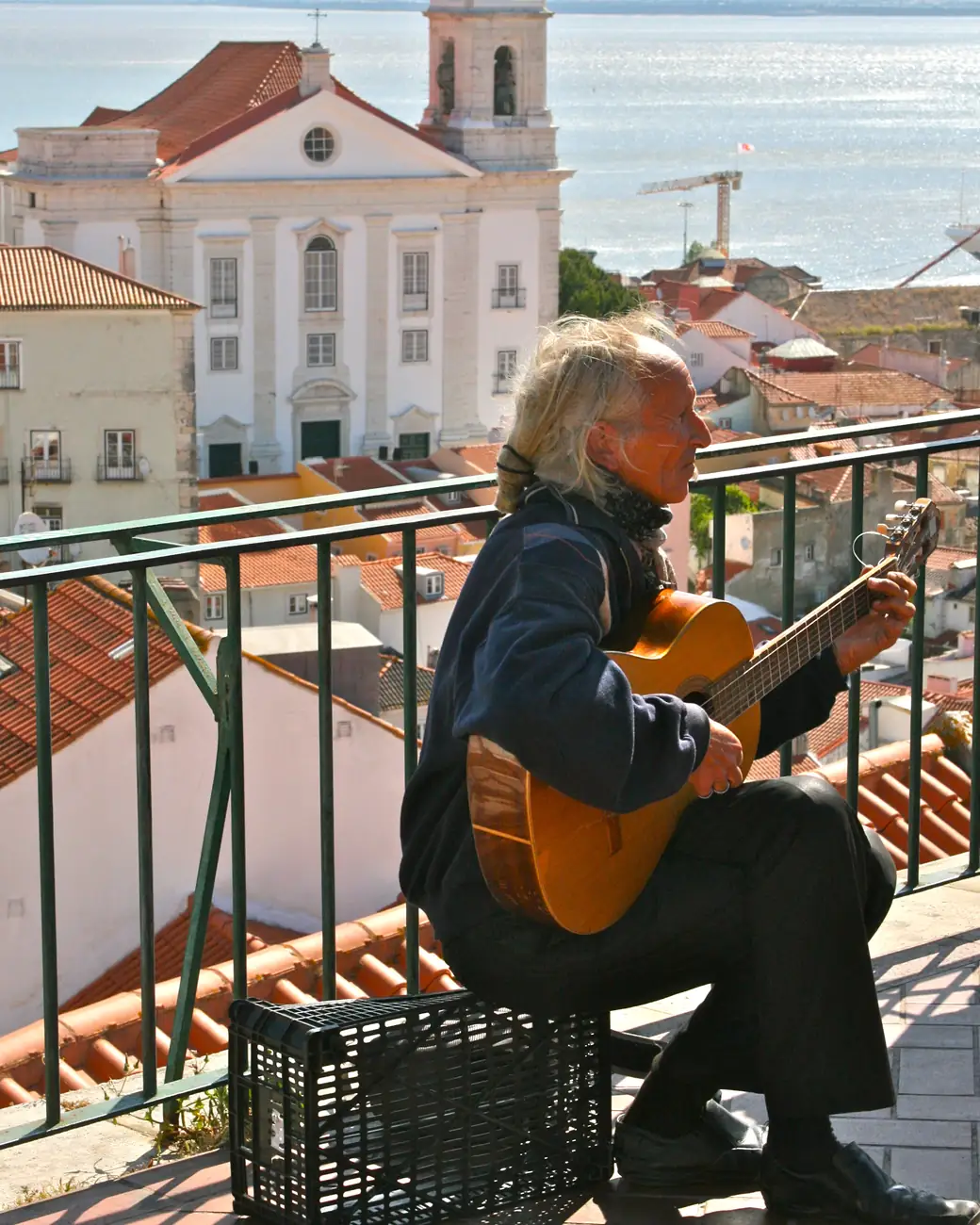
Guitarrista diante do casario de Alfama e do rio Tejo, em Lisboa Lisbon · The city of light

First chapter

Seven hills, a river and a light no one can explain

Lisbon introduces itself all at once: terracotta rooftops tumbling down to the Tagus, tiled façades changing colour with the day, yellow trams stitching the hillsides together. It is a European capital on a human scale — you walk it, ride it by tram, stop at a viewpoint just because. The light, famous among painters and cinematographers, does the rest.

Between one hill and the next, the city that was once the gateway of the great voyages has become one of Europe's most exciting tables: chef's counters, family-run tascas, markets and starred restaurants share the same streets. Our Lisbon days alternate the icons — Belém, Alfama, Chiado — with the addresses only locals know.

  • 7 hills — with a viewpoint waiting on every one
  • 1837 is the year the pastel de Belém first came out of the oven
  • 2 UNESCO World Heritage sites by the river: the Tower and the Monastery
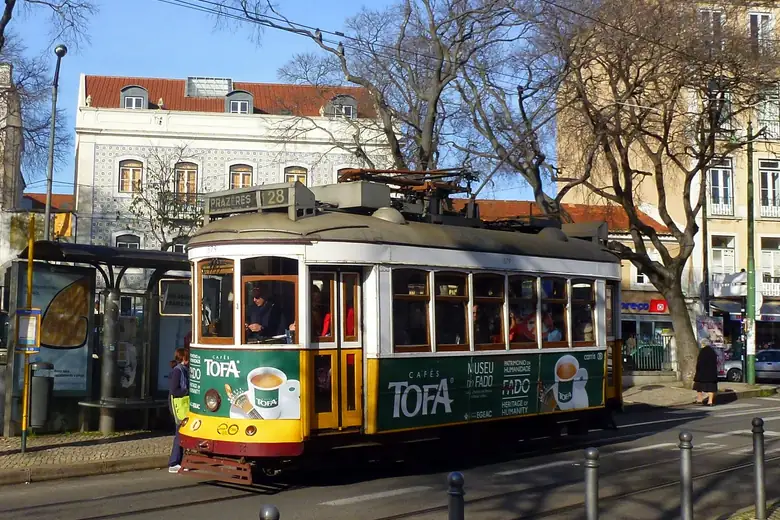
Elétrico amarelo clássico nas ruas de Lisboa
The classic

Alfama & tram 28

Lisbon's oldest quarter survived the 1755 earthquake and keeps its original maze: alleys, laundry on the line, St. George's Castle up above. Crossing it aboard the legendary tram 28 — or on foot, with a guide who knows every courtyard — is the best possible first morning in the city.

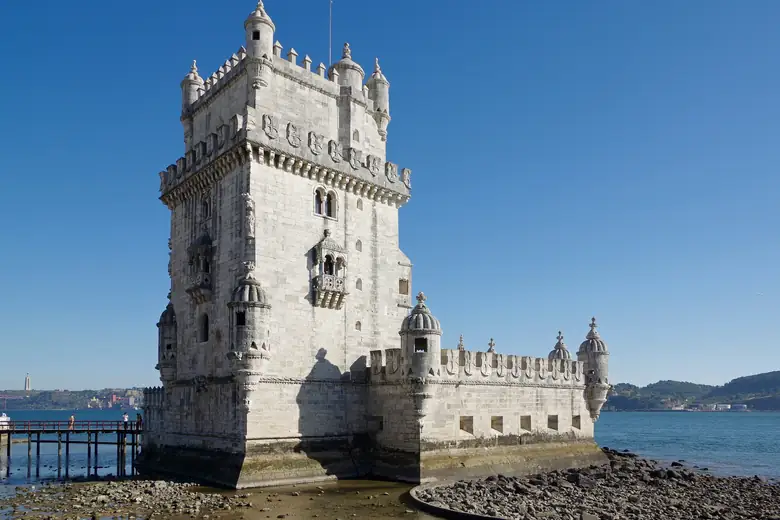
Torre de Belém à beira do rio Tejo em Lisboa
Heritage

Belém, where the world set sail

It was from here that the caravels left to draw the map of the world. The Tower of Belém and the Jerónimos Monastery — UNESCO World Heritage — tell that story in lace-like stone; a few steps away, the queue moves fast for a pastel de Belém, warm and dusted with cinnamon, made to the same secret recipe since 1837.

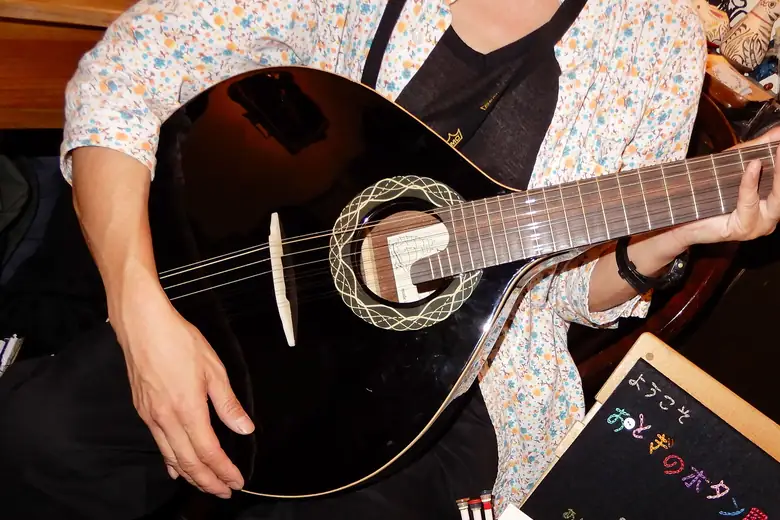
Guitarra portuguesa, o instrumento do fado
At night

A night of fado

Intangible Heritage of Humanity, fado is Lisbon in the form of music — and hearing it live, in a historic fado house or in a room reserved just for you, is understanding the word saudade with no translation needed. We choose the house, the table and the right night.

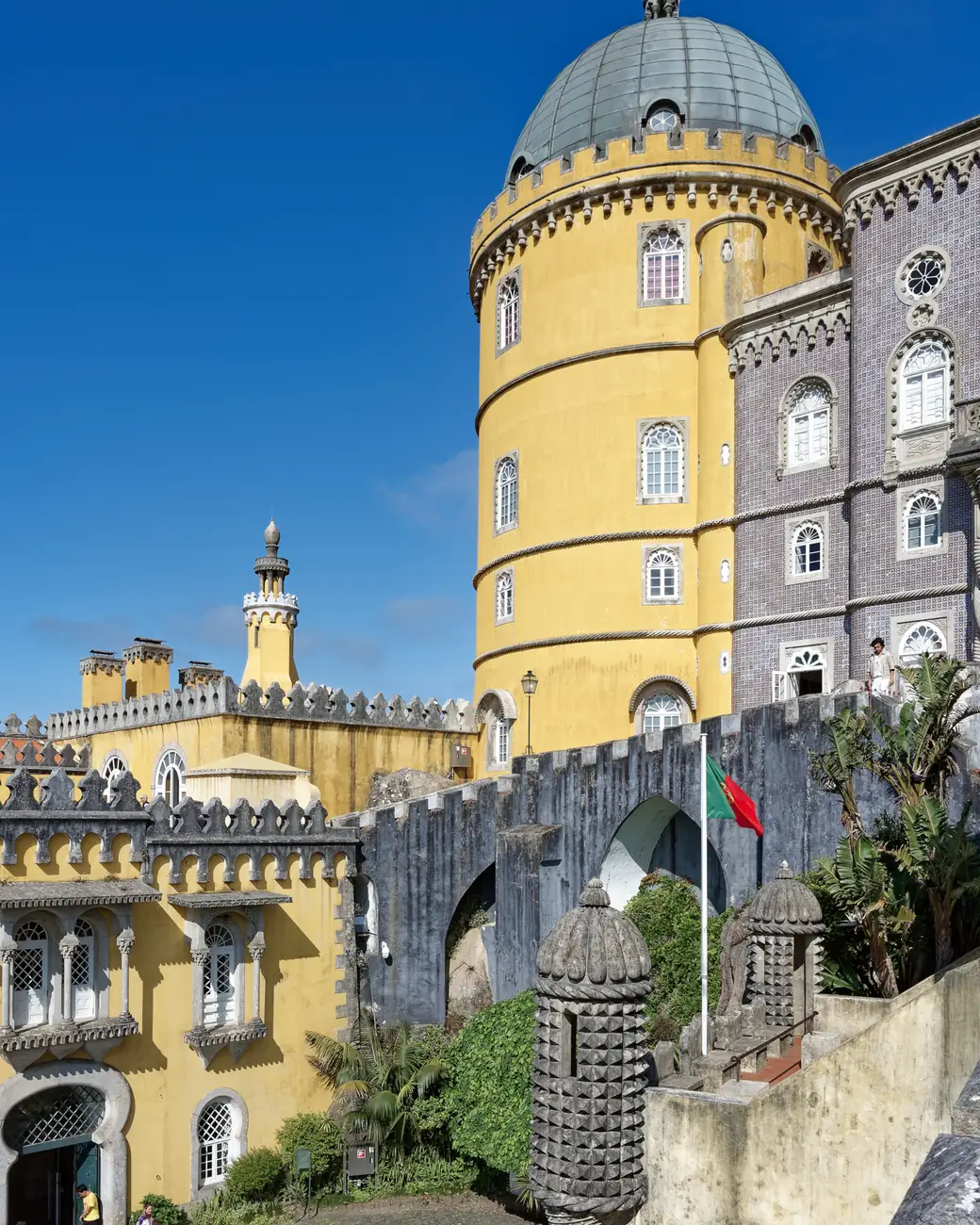
Palácio da Pena colorido no alto da serra de Sintra Sintra & the coast · A fairy-tale day

Second chapter

Palaces in the hills, the Atlantic at the end of the road

Half an hour from Lisbon, the Sintra hills make their own weather — literally: a mist that comes and goes between forests and palaces, and that made the town the romantic refuge of Portuguese royalty. The whole ensemble is a UNESCO World Heritage site, crowned by the Pena Palace, a yellow-and-red castle planted on the highest point of the range.

The secret of Sintra is logistics: arriving before the tour buses, lunching well and leaving the afternoon for the coastal road — Cabo da Roca, where continental Europe ends at a lighthouse above the cliffs, and Cascais, the elegant seaside town where the day closes with the ocean on the table. A fairy-tale itinerary with its feet in the Atlantic.

  • 30 min separate Lisbon from the first palace in the hills
  • 1995 — the year Sintra's landscape became World Heritage
  • The westernmost point of continental Europe: Cabo da Roca
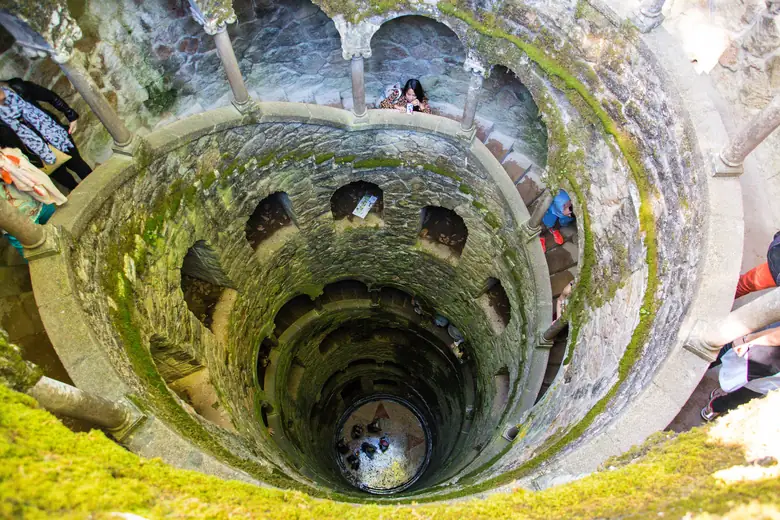
Poço iniciático da Quinta da Regaleira em Sintra
The enigma

Quinta da Regaleira

A palace surrounded by gardens full of symbols: grottoes, inverted towers and the famous initiation well, a spiral staircase descending nine storeys into the earth. It is Sintra's mysterious side — and the visit children and adults fight over in equal measure.

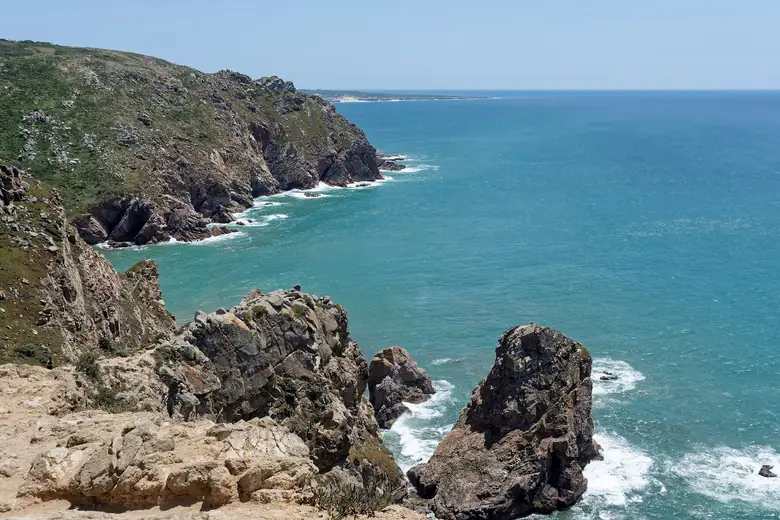
Falésias do Cabo da Roca sobre o mar turquesa do Atlântico
Land's end

Cabo da Roca

"Where the land ends and the sea begins," wrote Camões — and the verse is carved on the cape's monument. Hundred-metre cliffs, the lighthouse, the wind and the whole Atlantic ahead: it is the stop that turns a day of palaces into a day of horizon.

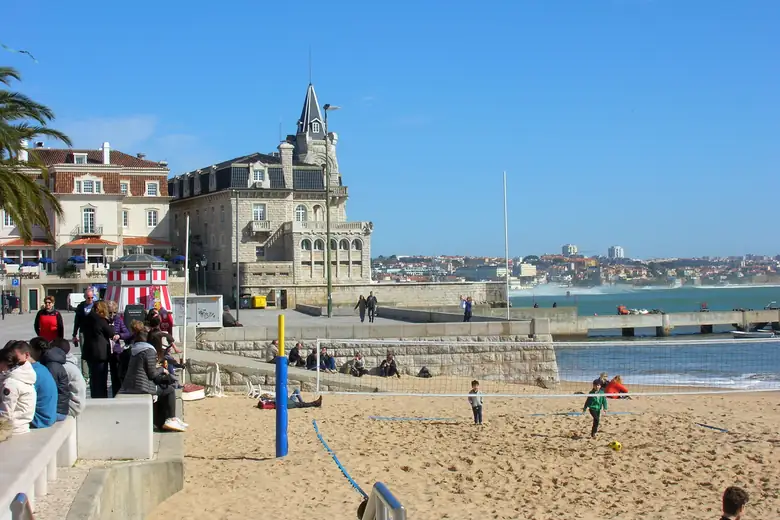
Baía de Cascais com barcos e casario à beira-mar
By the sea

Cascais & Guincho

The old fishing village that became a royal resort keeps both vocations: marina and mansions on one side, fish on the grill on the other. On the way, Guincho beach unfurls wild dunes before the wind — and the return to Lisbon follows the region's most beautiful road, hugging the sea.

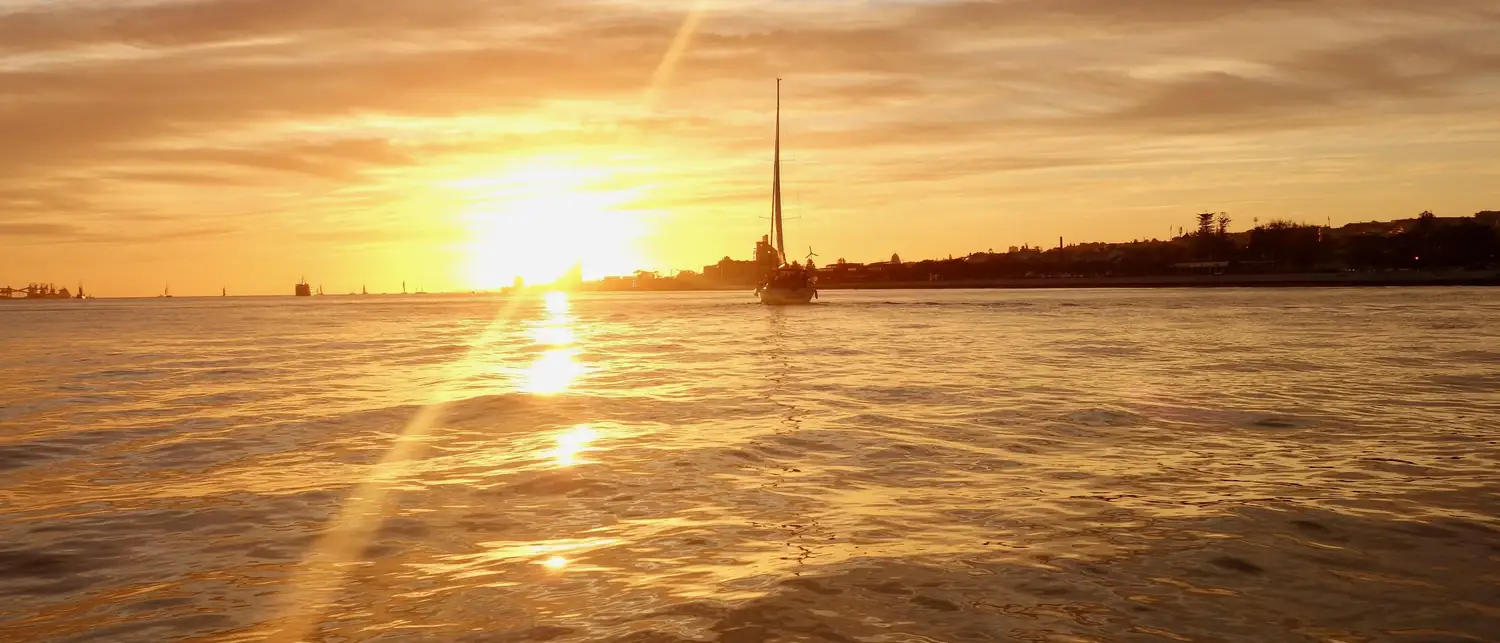
Pôr do sol dourado sobre o rio Tejo em Lisboa

The Portuguese have a word for what you feel when you leave: saudade. The right journey starts producing it at your very first sunset over the Tagus.

From Lisbon to the Douro, everything designed tailor made
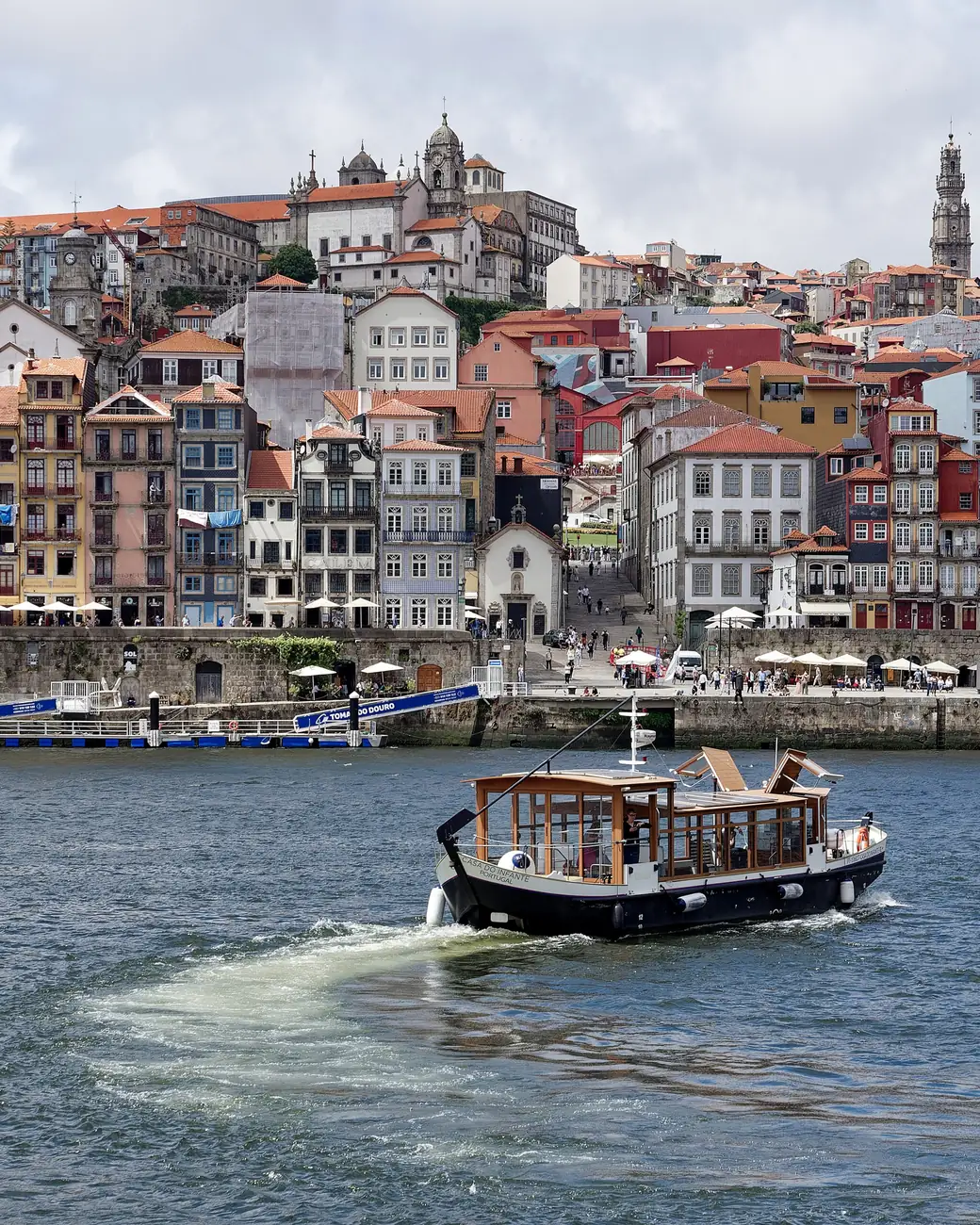
Casario da Ribeira do Porto refletido no rio Douro Porto & Douro · The north that ages well

Third chapter

A city of granite, a river that makes wine

Porto has the beauty of things that never dressed up for the photo: tile façades worn by time, six bridges crossing the Douro, the Ribeira — a World Heritage site — stacked above the river in layers of colour. Across the water, in Vila Nova de Gaia, century-old cellars keep the wine that carried the city's name around the world.

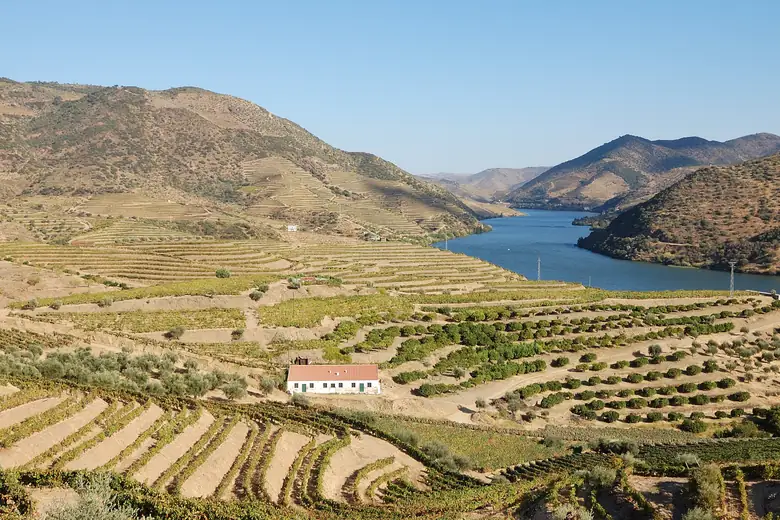
Upriver, the landscape rises in terraces: the Douro Valley, the first demarcated wine region on the planet, is an amphitheatre of vineyards carved by hand over three centuries. You visit it by car, by boat or by historic train — and you sleep in quintas that welcome you like family homes, with the river at the window and a tasting in the cellar.

  • 1756 — the demarcation of the Douro, the world's oldest
  • 6 bridges over the river — one signed by Eiffel's school
  • 3h from Lisbon to Porto by fast train — or a 1h flight
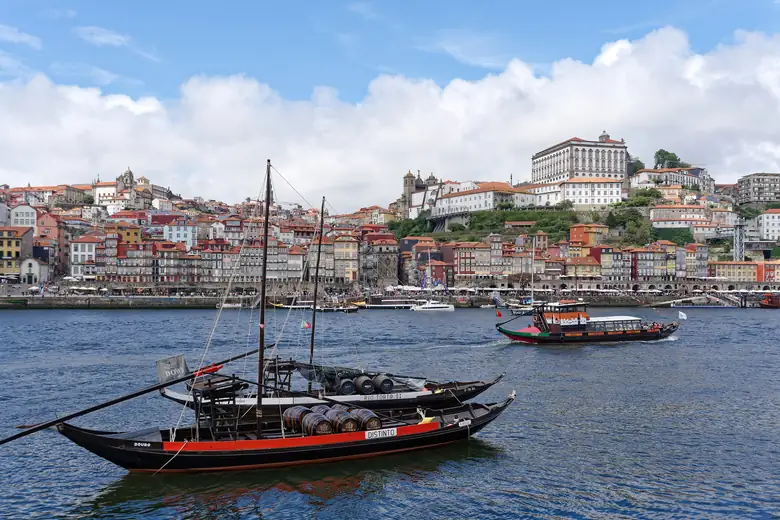
Barcos rabelos ancorados no Douro diante das caves de Gaia
The ritual

The port wine cellars

You cross the Dom Luís I bridge on foot, the river below, to taste port wine where it ages: cellars dug into the Gaia hillside, century-old casks, guided tastings running from ruby to vintage. We book the private rooms — and the glasses that never reach the shelf.

Vinhedos em socalcos do Vale do Douro descendo até o rio
The valley

The Douro Valley

A UNESCO World Heritage site, the valley is one of the world's great wine landscapes: terraces as far as the eye can see, historic quintas, long lunches with the river below. At harvest time, September and October, the whole landscape goes to work — and some guests join the grape treading with their trousers rolled up.

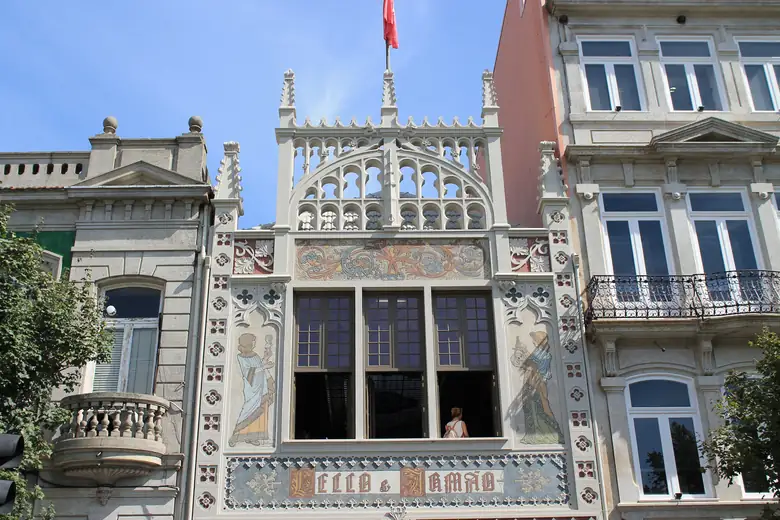
Fachada neogótica da Livraria Lello no Porto
The icon

Livraria Lello & downtown

The Lello bookshop, from 1906, is cited among the most beautiful in the world — its crimson staircase has become a pilgrimage. Around it, downtown Porto adds the azulejo-lined São Bento station, historic cafés, the Clérigos Tower and a restaurant scene that no longer owes Lisbon anything.

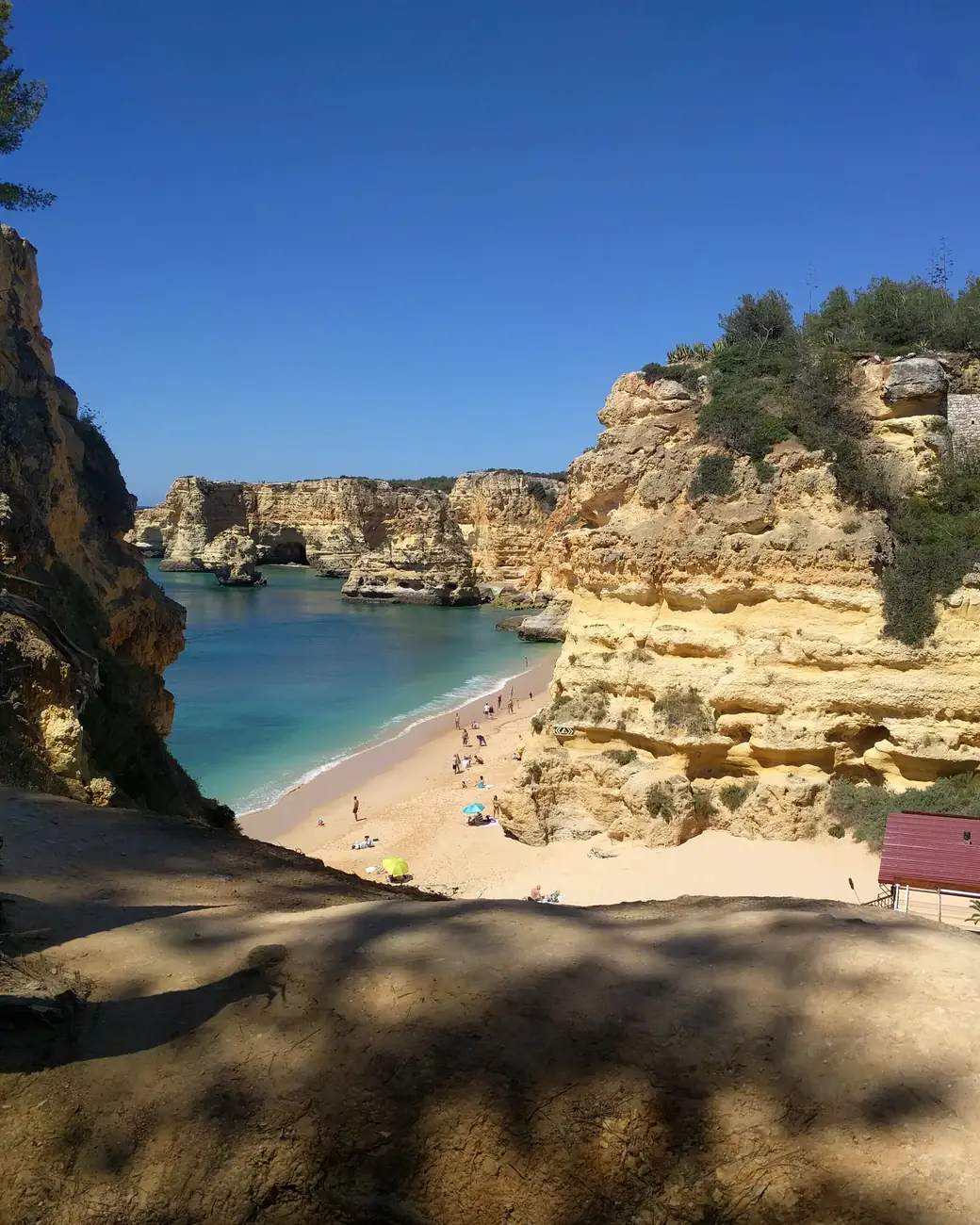
Falésias douradas e mar turquesa na costa do Algarve The south · Alentejo & Algarve

Fourth chapter

Golden plains, a sculpted sea

South of the Tagus the clock slows down. The Alentejo is the plain of cork oaks and whitewashed villages, from Évora — a World Heritage museum-city — to the wineries making some of the country's most awarded wines. At night, far from any city, the Alqueva sky switches on: the region was the world's first certified starlight tourism destination.

On the coast, two different luxuries: Comporta, between rice paddies and dunes, has become Europe's barefoot-chic hideaway — design cabins, horses on the beach, miles of sand with no one on them. Further south, the Algarve sculpts its sea into honey-coloured cliffs, caves and hidden beaches visited by boat, under the mildest climate on the continent.

  • 1h from Lisbon to the beaches of Comporta
  • The 1st starlight tourism reserve in the world: the Alqueva sky
  • 100+ beaches among the golden cliffs of the Algarve
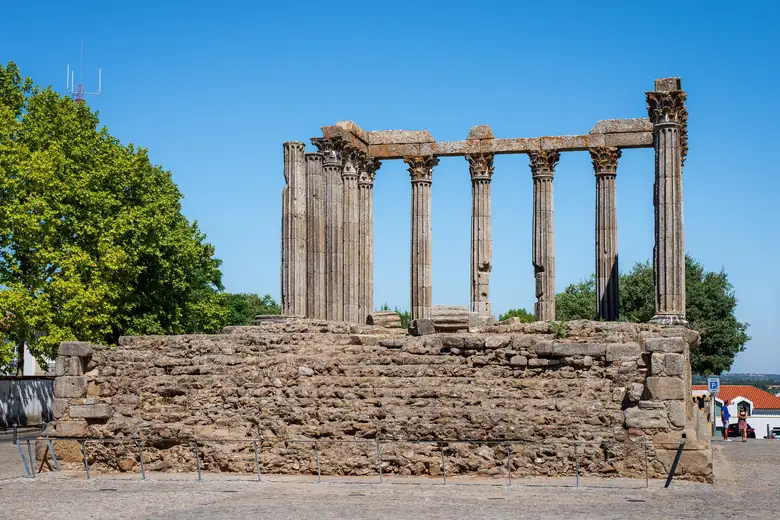
Templo romano no centro histórico de Évora
Heritage

Évora & the wines of Alentejo

A Roman temple, a medieval cathedral and whitewashed streets in a single afternoon — Évora sums up two thousand years without effort. Around it, estates and award-winning wineries serve tastings and lunches among vines and olive trees: the Alentejo is Portugal's most generous table.

Praia extensa e dunas na região da Comporta
The hideaway

Comporta & Melides

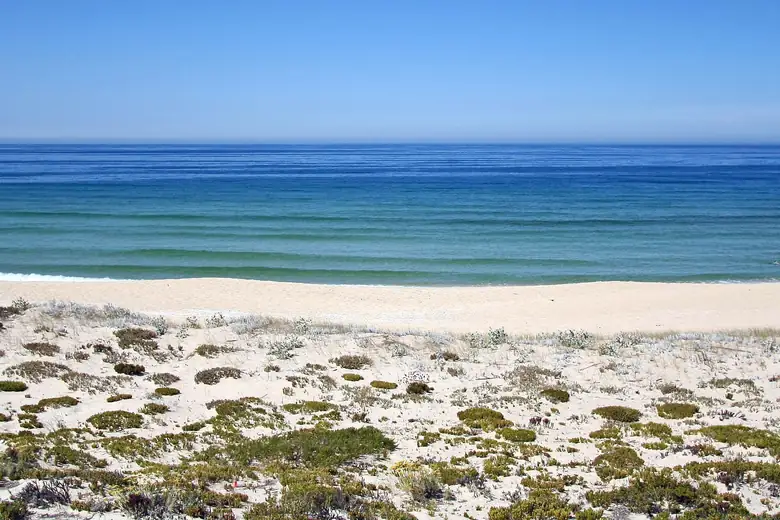
Europe's worst-kept secret: a coastline of rice paddies, pine forests and endless beaches where luxury is absence — of crowds, of noise, of shoes. Horseback rides on the sand, dinners barefoot on the dune and design houses hidden in the pines. The perfect counterpoint to the cities.

Gruta marinha de Benagil com claraboia aberta para o céu
The sea

Benagil & Ponta da Piedade

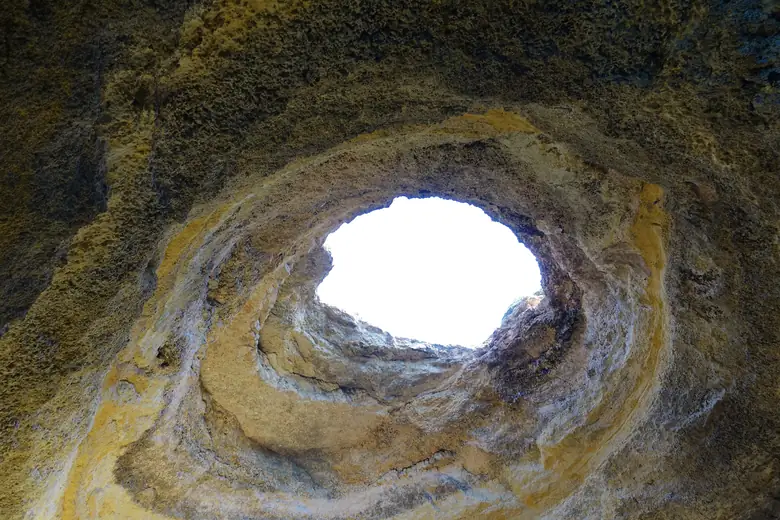
The Algarve coast is best visited from below: by boat or kayak, entering caves like Benagil — a stone cathedral with a skylight open to the sky — and weaving through the arches of Ponta da Piedade at sunrise, before anyone else. Then a beach between cliffs, all to yourselves, for the rest of the day.

Day by day

How the week takes shape

A one-week skeleton to give shape and measure — in Portugal, any day can be swapped for another. Length, pace and experiences are always adjusted to you.

Day 1

Arrival in Lisbon

A direct flight from Brazil, a driver waiting and an unhurried check-in. In the afternoon, a first stroll through Chiado and a viewpoint at golden hour — Lisbon introduces itself best from above, glass in hand.

ArrivalChiado
Day 2

Lisbon in layers

A morning in Alfama with a guide who knows every alley, the castle up top and a tram ride down. In the afternoon, Belém: the monastery, the tower and a warm pastel. At night, the table belongs to a fado house.

AlfamaBelém & fado
Day 3

Sintra & the edge of Europe

Palaces before the crowds — Pena, Regaleira — and lunch in the hills. In the afternoon, Cabo da Roca and the Guincho road to Cascais, with the Atlantic as escort. Back to Lisbon at nightfall.

SintraCabo da Roca
Day 4

Heading north

Lisbon to Porto your way: the fast train with luggage taken care of, or a car and driver stopping at Óbidos, the town inside its walls, or at Coimbra and its baroque library. By day's end, the Douro at your hotel window.

Óbidos or CoimbraPorto
Day 5

Porto on foot

The Ribeira and the six bridges, São Bento and its azulejos, the Lello early in the morning. In the afternoon, the crossing to Gaia for a private tasting in the cellars — and sunset from the right side of the river, with the city lighting up across the water.

RibeiraGaia cellars
Day 6

A whole day of Douro

The valley at estate pace: a tasting with the winemaker, a long lunch above the terraces, an hour by boat on the river — or the historic train along the water. At harvest time, the picking joins the programme.

Wine estatesDouro river
Day 7

Until next time

Breakfast with no clock and the final parcels — wine, azulejos, beautiful tinned delicacies to give away. The flight home leaves from Porto itself, no backtracking. The suitcase returns heavier; so does the urge to come back.

Free morningFlight home
This itinerary is a starting point, not a package. Some add Comporta or the Algarve at the end, some swap the north for the Alentejo, some stretch on to Madeira or the Azores. Portugal takes every combination — the final design is always done together, and without haste.

Gallery

What you will see

Click any image to enlarge.

How we travel

What changes when the journey is designed

Portugal looks easy — and it is. But it is made of choices that define the trip: the order of the cities, the houses, the tables, the right hours for each place. All of it is settled before you board.

Houses with history

Converted palaces, pousadas inside monuments, wine quintas, design cabins on the coast. We know the houses personally and choose the right one for each chapter — and the right room within it.

Distances on your side

A private driver, the fast train with luggage logistics solved, or the road as part of the pleasure, with stops worth the detour. In Portugal almost everything is close — as long as the itinerary runs in the right order.

The right tables

From starred counters to tascas no guide has found, by way of wineries that only open by appointment. The bookings that matter are made before you board — on the trip, only your appetite improvises.

Doors that don't open for everyone

Historian guides, private tastings with the winemaker, fado in a room of your own, azulejo workshops, palaces after hours. It is the layer no ticket office sells — and the one that stays longest in the memory.

Paperwork made simple

Brazilians need no visa for stays of up to 90 days in Portugal. We check passport validity, arrange the travel insurance required in the Schengen Area and give you plenty of notice when new requirements, such as Europe's electronic travel authorisation, come into force.

24/7 support

From boarding in Brazil to your return, one team follows the whole journey. Any surprise — a flight, a booking, a last-minute wish — is solved with a message, in your language.

Where to stay

Three ways to sleep in Portugal

Portugal has one of Europe's most charming hotel scenes — and three families of houses that complete each other within a single journey. In each, we work with a selection tuned to your style and your group.

In the cities

Palaces & classics

Nineteenth-century mansions turned hotels, grand classics overlooking the Tagus or the Douro, boutiques hidden in Chiado and the Sintra hills. Sleeping where history happened — with a spa and room service.

  • WhereLisbon, Sintra and Porto
  • The momentBreakfast with the city at your feet
  • The styleFrom palace to contemporary design
In wine country

Douro quintas & Alentejo estates

Wine houses that receive guests as friends: historic quintas above the Douro terraces and Alentejo estates of award-winning architecture, with their own cellar, the winemaker's table and silence to spare.

  • WhereDouro Valley and Alentejo
  • The momentThe cellar tasting, with the winemaker
  • The styleWine hotels, family quintas, estates
By the sea

Beach & design

In Comporta, cabins and design houses between the pines and the dunes; in the Algarve, clifftop resorts with private beach, golf and kids clubs. The journey's chapter of rest — rustic-chic or full service.

  • ComportaDesign cabins between rice paddies and dunes
  • AlgarveClifftop resorts with beach and golf
  • For groupsPrivate villas with chef and concierge

Know before

The essentials, no fine print

Practical information for those starting to think about the trip.

When to go

Portugal delivers all year round — what changes is the chapter each season favours. With 300 days of sunshine, it is hard to get it wrong; matching the season to the style of the trip is the refinement.

SpringApr–Jun. Everything in bloom, gentle temperatures and the cities still free of the summer tide. For many, the perfect season.
SummerJul–Aug. The whole country outdoors: beaches, festivals and long evenings — high season calls for bookings well in advance.
AutumnSep–Oct. The harvest in the Douro and Alentejo, the sea still warm in the Algarve and the most beautiful light of the year. The insiders' secret.
WinterNov–Mar. Mild by the sea, the cities almost to yourself, fireplaces at the quintas and the table at its finest. Portugal at its most intimate.

Documents and visas

Brazilians need no visa for tourism in Portugal for up to 90 days — just a passport valid for at least three months beyond the return date. We recommend travel insurance with the coverage required in the Schengen Area, which we leave arranged and double-checked.

The European Union is preparing an electronic travel authorisation (ETIAS) for the coming years — once it comes into force, it will be a simple pre-departure registration, and we will walk you through it step by step.

Pace, time zone and money

The time difference is 3 to 4 hours ahead of Brasília, depending on the season — among the gentlest for an international flight, with virtually no jet lag. The currency is the euro, cards are accepted everywhere and tipping is not compulsory: rounding up the bill is a welcome gesture, not a rule.

For Portuguese speakers there is the quiet luxury of travelling in your own language: understanding the signs, the menu and the conversation changes everything — from special requests to chatting with the winemaker in the cellar. For everyone else, English is spoken with ease across the country.

What to book in advance

The small houses sell out first: Douro quintas at harvest time, Comporta cabins in summer and the best-view rooms in Lisbon and Porto call for months of notice — few units, much sought after.

So do timed experiences: Sintra's palaces work with timed tickets, and the country's most coveted tables open their diaries weeks ahead. We secure everything before you board.

To add on

To make the journey even more yours

Layers that fit naturally into a Portugal itinerary.

01

Madeira, the Atlantic garden

Ninety minutes by air and the scenery changes to green cliffs, lava pools and levada walks through World Heritage forest. Iconic clifftop hotels and a mild climate all year make the island a perfect epilogue.

02

The Azores, nature unfiltered

Crater lakes, hot springs in the forest, whales and dolphins offshore. The archipelago is Europe's best-kept natural secret — for closing the journey with landscapes that resemble nothing else.

03

Harvest season in the Douro

In September and October the whole valley picks: shears in the vines, open stone lagares and harvest dinners at the quintas. Joining in — trousers rolled up or glass in hand — is the Douro at its truest.

04

A night of fado, just for you

A historic room, a Portuguese guitar, one voice — and no other table. Fado in private session, with a dinner designed for the night, is the gift that moves people most in Lisbon. For occasions that call for goosebumps.

05

The Alqueva sky

In the world's first starlight tourism reserve, the Alentejo turns the lights off: astronomer-guided stargazing, dinner in the open air and the whole Milky Way above the table. The luxury of seeing the sky as it really is.

06

The sea, from the water

A sailboat at sunset on the Tagus, a yacht along the Algarve caves, golf on courses hanging over the Atlantic. The layers of sea and green that turn the last days of the trip into a holiday within the holiday.