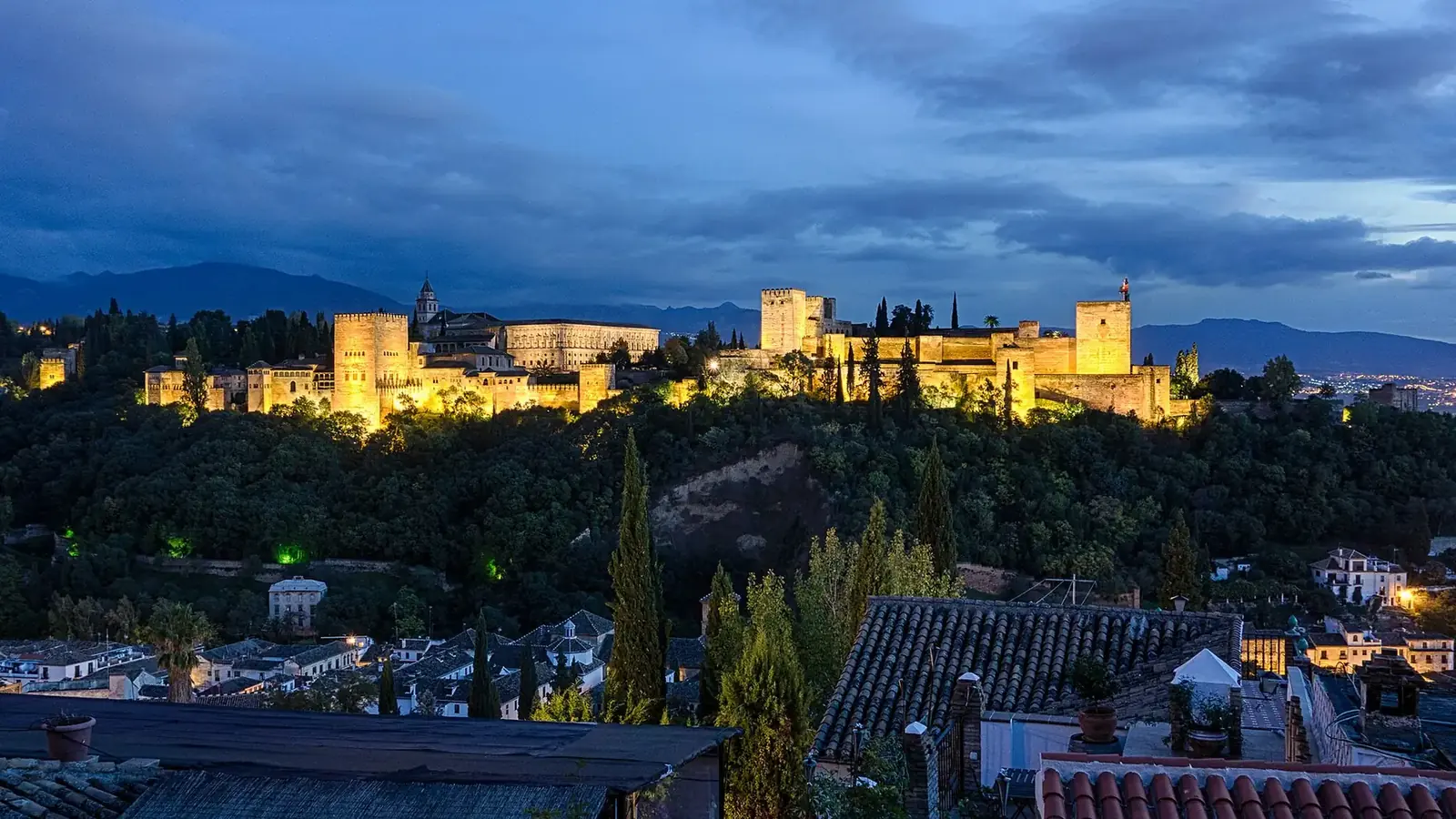
The Alhambra lit at dusk, on its hill above Granada

Spain · Castile & Andalusia

Madrid, Granada
and Seville

Ten days between the avant-garde of a capital that breathes art and the last Moorish stronghold on the Iberian Peninsula. Palaces, courtyards of running water, orange trees and a high-speed train cutting across Spain from north to south — at your own pace, with a guide who is yours alone.

10days of travel, with room to breathe in each city
3cities: Madrid, Granada and Seville
100%private — guide, driver and pace entirely yours
3World Heritage Sites visited from the inside

The itinerary

Two Spains
in a single journey

There is a lazy way to see Spain, and then there is this one. The journey opens in Madrid — a capital of vast museums, wide avenues and an energy that asks no permission — and heads south into Andalusia, where eight centuries of Arab presence left palaces unlike anything else in Europe.

Between the two poles, the contrast is the point. Madrid is the Spain of the Bourbons, of the Royal Palace, the Prado and the Retiro; of the Gran Vía and dinner at eleven at night. Granada is Nasrid Spain, of latticed marble, water running through channels and the Sierra Nevada behind. Seville closes the circle by gathering it all in: Mudéjar, Gothic and Baroque, the river that carried Spain to the New World, and the flamenco born in its own neighbourhoods.

Ten days, with four nights in Madrid, two in Granada and three in Seville — time enough for the great monuments with a private guide and for the free afternoons that turn a trip into a memory: a market, a tavern, a square with nowhere to be.

Couples Families Culture & architecture Food & wine First time in Spain Comfortable pace

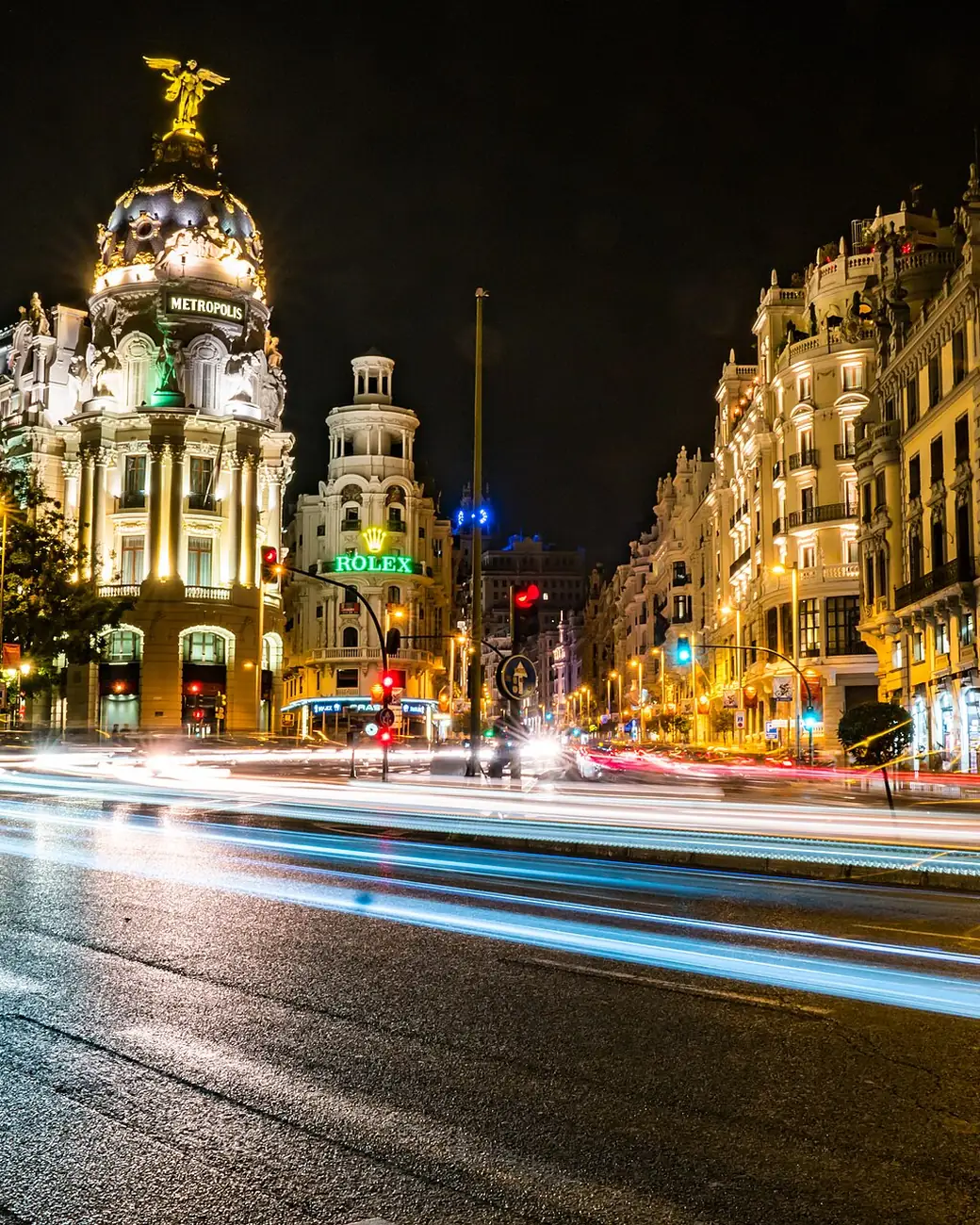
Gran Via in Madrid at night, with the Metropolis building beyond Madrid · 4 nights

First stop

Madrid, the capital that never turns in early

Parks shaded by immense trees, bustling plazas, sophisticated shopping and some of the finest museums in the world make Madrid one of the most interesting and lively cities in Europe. It was the stage for revolutionary artistic movements — Goya, Picasso and Dalí developed part of their work here — and perhaps that explains the avant-garde atmosphere the city has never lost.

Eighteenth-century Madrid, with its mythological fountains and great museums, sits alongside the Castellana boulevard and the modern financial district. From the Retiro park to the boutiques of Salamanca, from the Gran Vía to the Real Madrid stadium, it all fits into one well-drawn day — and still leaves time to discover the city on your own.

  • 4 nights
  • 1 full day of private city touring
  • 2 free days
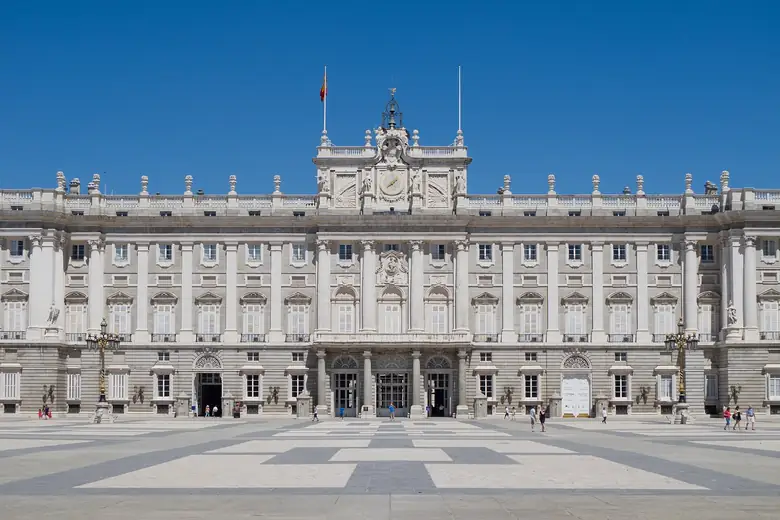
Facade of the Royal Palace of Madrid
Visit with admission

The Royal Palace

The largest palace in Western Europe by floor area — more than 3,000 rooms, of which a selection is open: royal apartments, throne rooms and the royal pharmacy. Still the official residence of the Spanish Crown and used for state ceremonies.

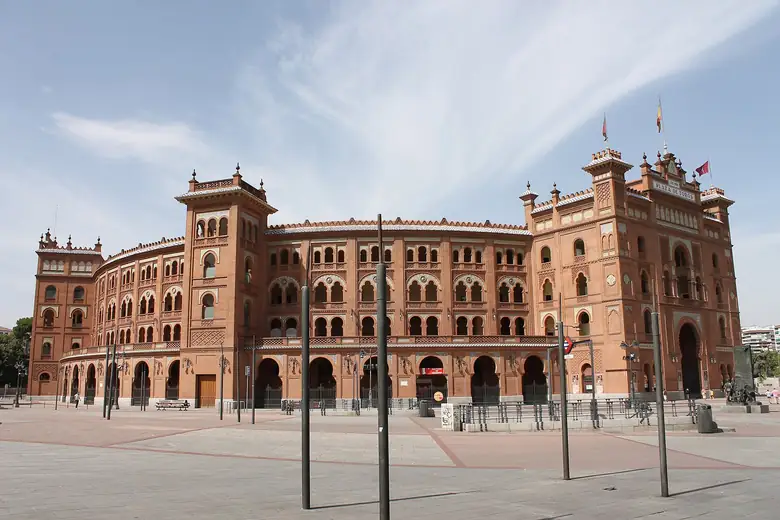
Las Ventas bullring, Madrid
Visit with admission

Plaza de Toros de Las Ventas

Spain's most important bullring and a landmark of Madrid's neo-Mudéjar style: exposed brick, ceramic tilework and horseshoe arches. You walk the ring, the pens and the museum — a lesson in a contested but inescapable chapter of Spanish culture.

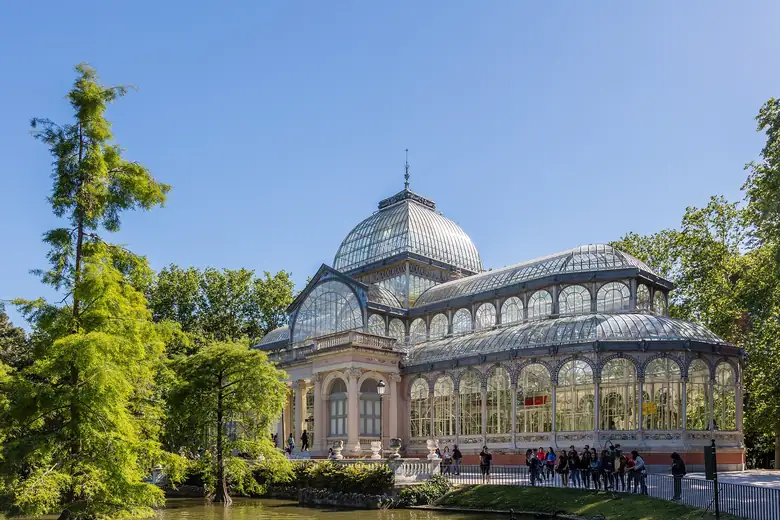
Palacio de Cristal in the Retiro park
Panoramic

El Retiro Park

The royal garden that became the city's back yard: 125 hectares, the boating lake, the rose garden and the Palacio de Cristal — an 1887 glass-and-iron greenhouse that now hosts exhibitions. A World Heritage Site since 2021.

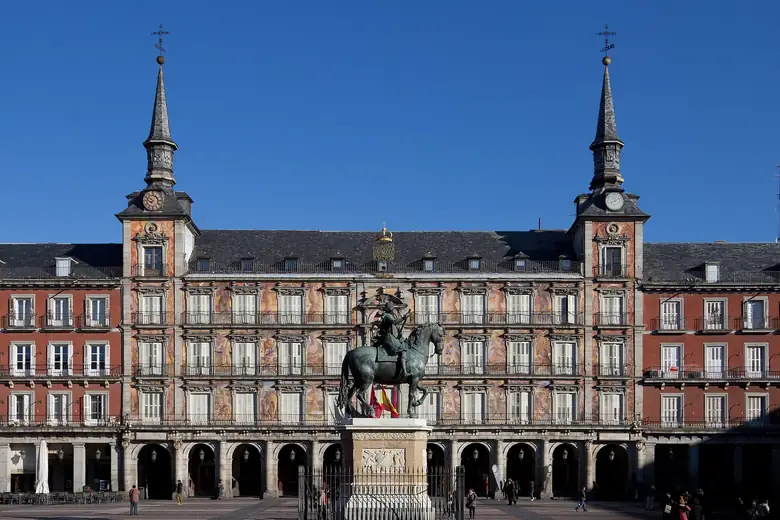
Plaza Mayor, Madrid
Panoramic

Plaza Mayor & Habsburg Madrid

The heart of the old town: an enclosed seventeenth-century square that has served as market, bullring and stage for autos-da-fé. Around it, the centuries-old taverns and narrow streets of the Madrid de los Austrias.

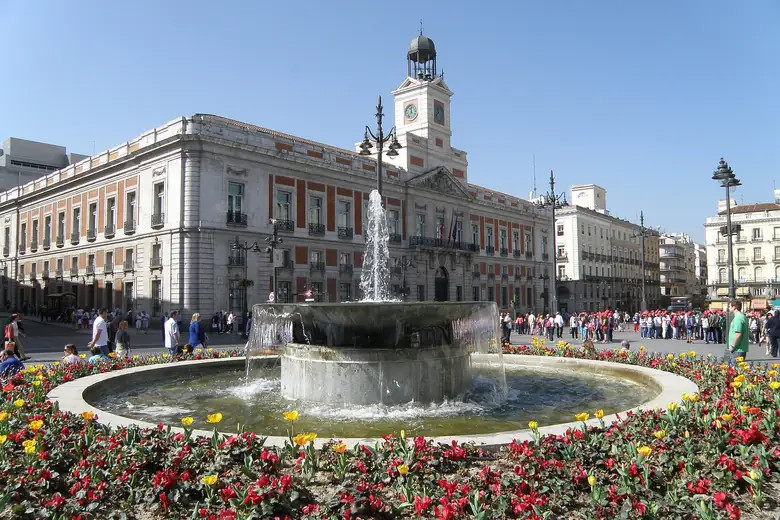
Puerta del Sol, Madrid
Free-day suggestion

Puerta del Sol

Kilometre zero of Spain's road network and the busiest meeting point in the country. Since the late nineteenth century the restaurants and cafés around it have drawn visitors from all over the world — and still do.

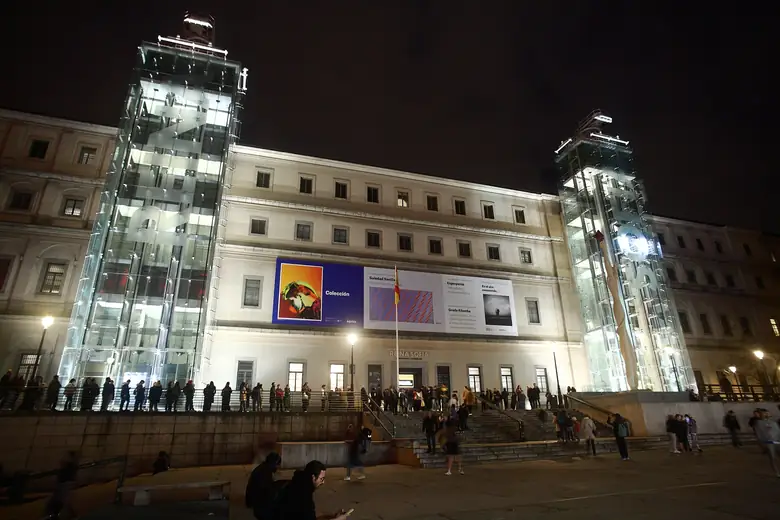
Reina Sofia Museum, Madrid
Free-day suggestion

Reina Sofía Museum

Spain's twentieth-century collection, with Picasso's Guernica filling an entire room on its own — the harrowing portrait of the German bombing of the Basque town. Note: the museum closes on Tuesdays.

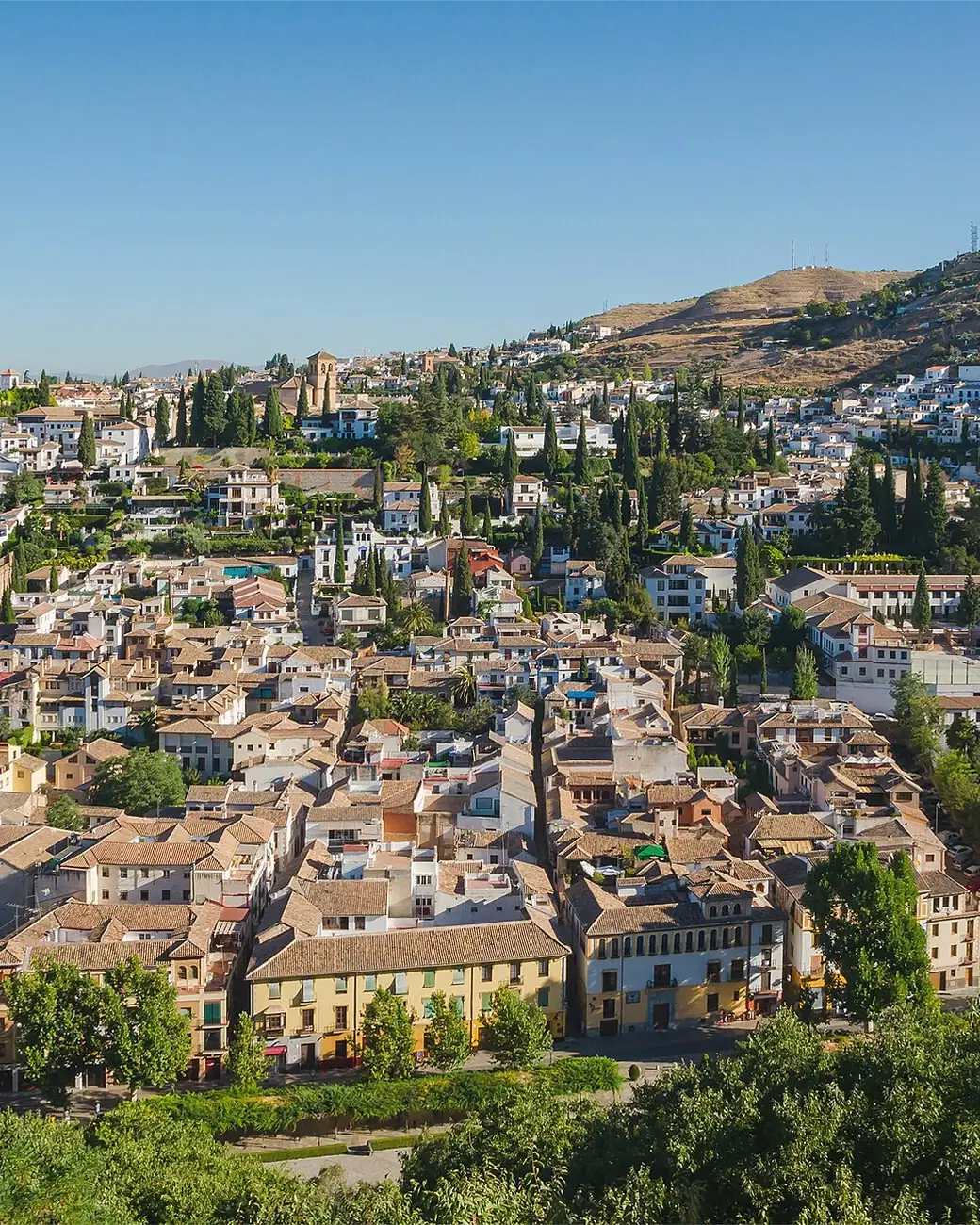
Rooftops of the Albaicin quarter, Granada Granada · 2 nights

Second stop

Granada, the last Moorish stronghold

Shaped by Arab style and recognised as a World Heritage Site by UNESCO, Granada was the last Muslim territory on the Iberian Peninsula. The Moors surrendered to the Catholic Monarchs — Ferdinand of Aragon and Isabella of Castile — and left the region at the end of the fifteenth century. Five centuries on, the city still holds much of that aura.

The Moors are gone; the palaces and gardens of the Alhambra remain — a complex that served as military fortress and as residence of the Nasrid sultans, and that ranks among the most precious treasures in Spain, perhaps in all of Europe. Around it, the Albaicín tumbles down in white lanes to the river Darro, and from the Mirador de San Nicolás you see the whole Alhambra with the snow-covered Sierra Nevada behind.

  • 2 nights
  • 1 full day of private walking touring
  • 3 monuments with guaranteed admission
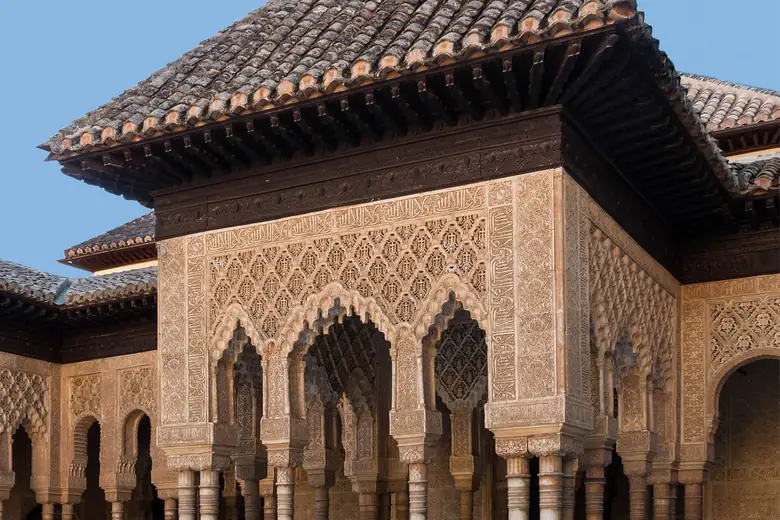
Pavilion of the Court of the Lions, the Alhambra
Visit with admission

Alhambra · Nasrid Palaces

The high point of the journey. The sultans' palaces — Mexuar, Comares and the Lions — are Moorish architecture at its peak: marble, lace-like stucco, geometric tilework and sheets of water that give the architecture back in mirror image.

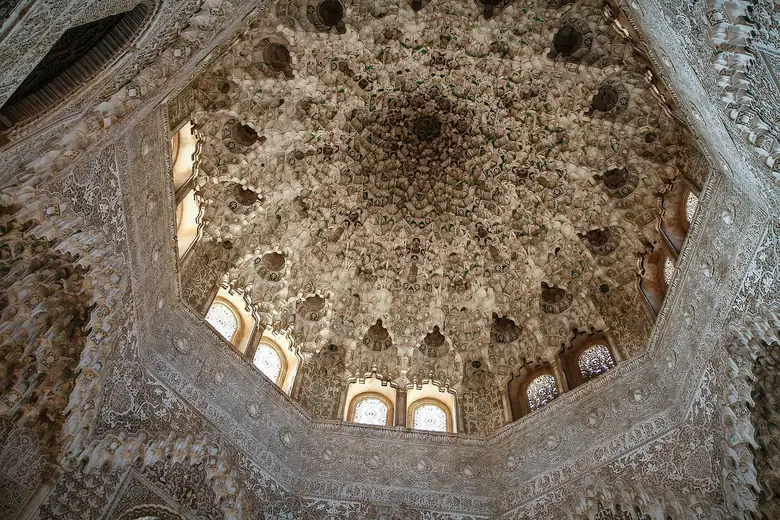
Muqarnas dome in the Alhambra
Detail

The muqarnas domes

Thousands of interlocking plaster prisms form ceilings that look like stalactites — or like the sky itself. The Hall of the Two Sisters holds more than 5,000 muqarnas cells: pure geometry, built to stand for the infinite.

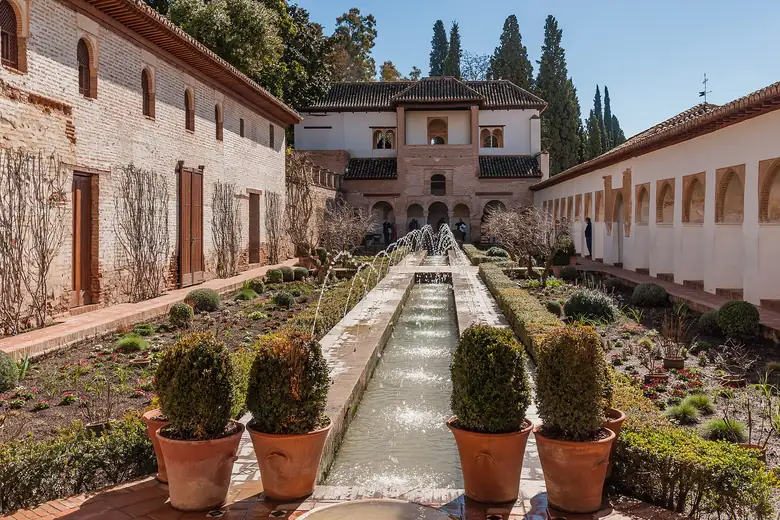
The Generalife gardens, the Alhambra
Visit with admission

Generalife Gardens

The sultans' summer country house, climbing the hill beside the Alhambra. Fountains, courtyards, terraced kitchen gardens and the Patio de la Acequia — the best-preserved medieval Islamic garden in the world — with panoramic views over the city.

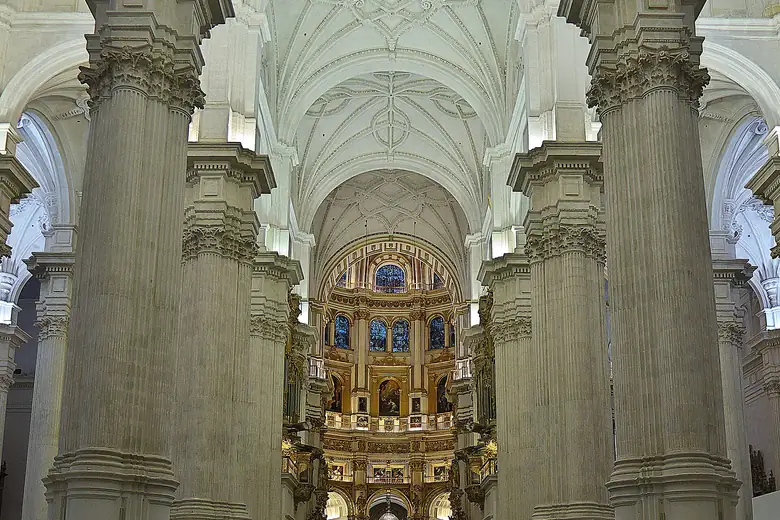
Interior of Granada Cathedral
Visit with admission

Granada Cathedral

One of the great expressions of the Spanish Renaissance, raised over the city's former main mosque. The circular sanctuary, 45 metres high, is among the boldest ideas in sixteenth-century religious architecture.

The Royal Chapel of Granada
Visit with admission

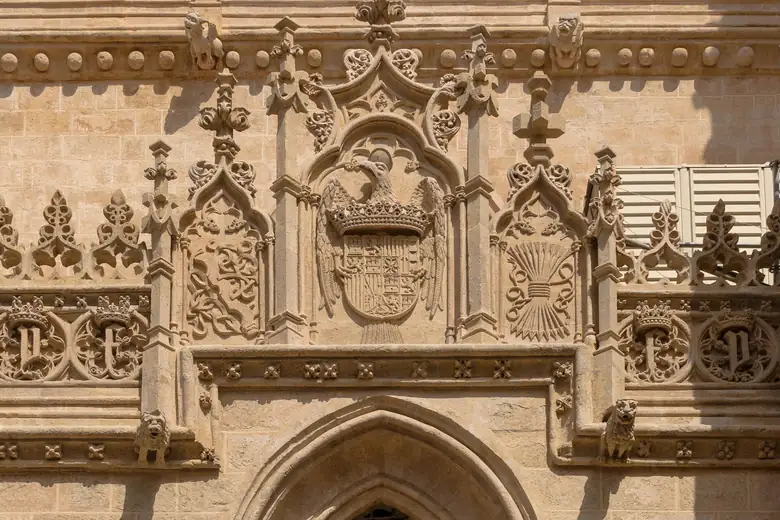
The Royal Chapel

Where the Catholic Monarchs, Isabella and Ferdinand, lie at rest, alongside their daughter Joanna "the Mad" and her husband Philip "the Handsome". Late Gothic, a monumental altarpiece, and a sacristy holding Isabella's sceptre and Flemish paintings from her personal collection.

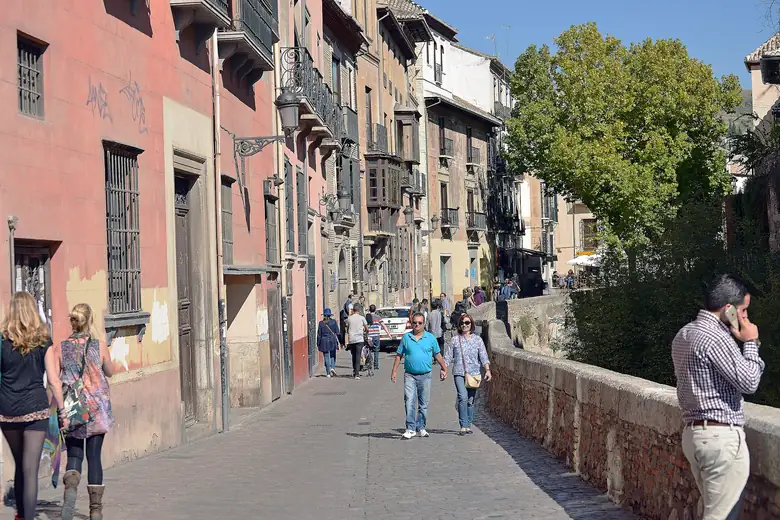
Carrera del Darro, Granada
On your own

Albaicín & Carrera del Darro

The loveliest street in Granada follows the river Darro between Arab bridges and old mansions, then climbs into the Albaicín — a maze of cármenes, courtyards and viewpoints that is itself a World Heritage Site.

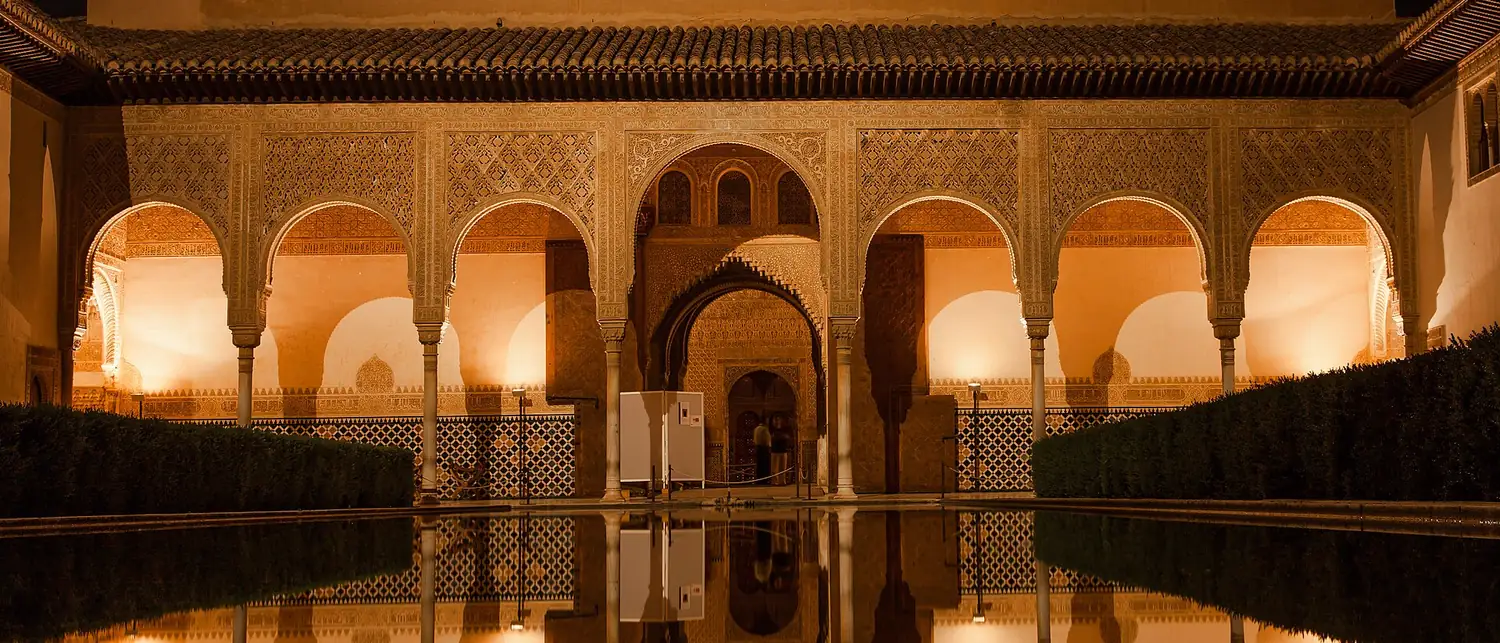
The Court of the Myrtles mirrored in its pool, the Alhambra

There are things a photograph cannot give you: the temperature of the marble, the sound of water running through the channels, the silence of a courtyard once the group ahead has moved on.

This is why we travel with a private guide
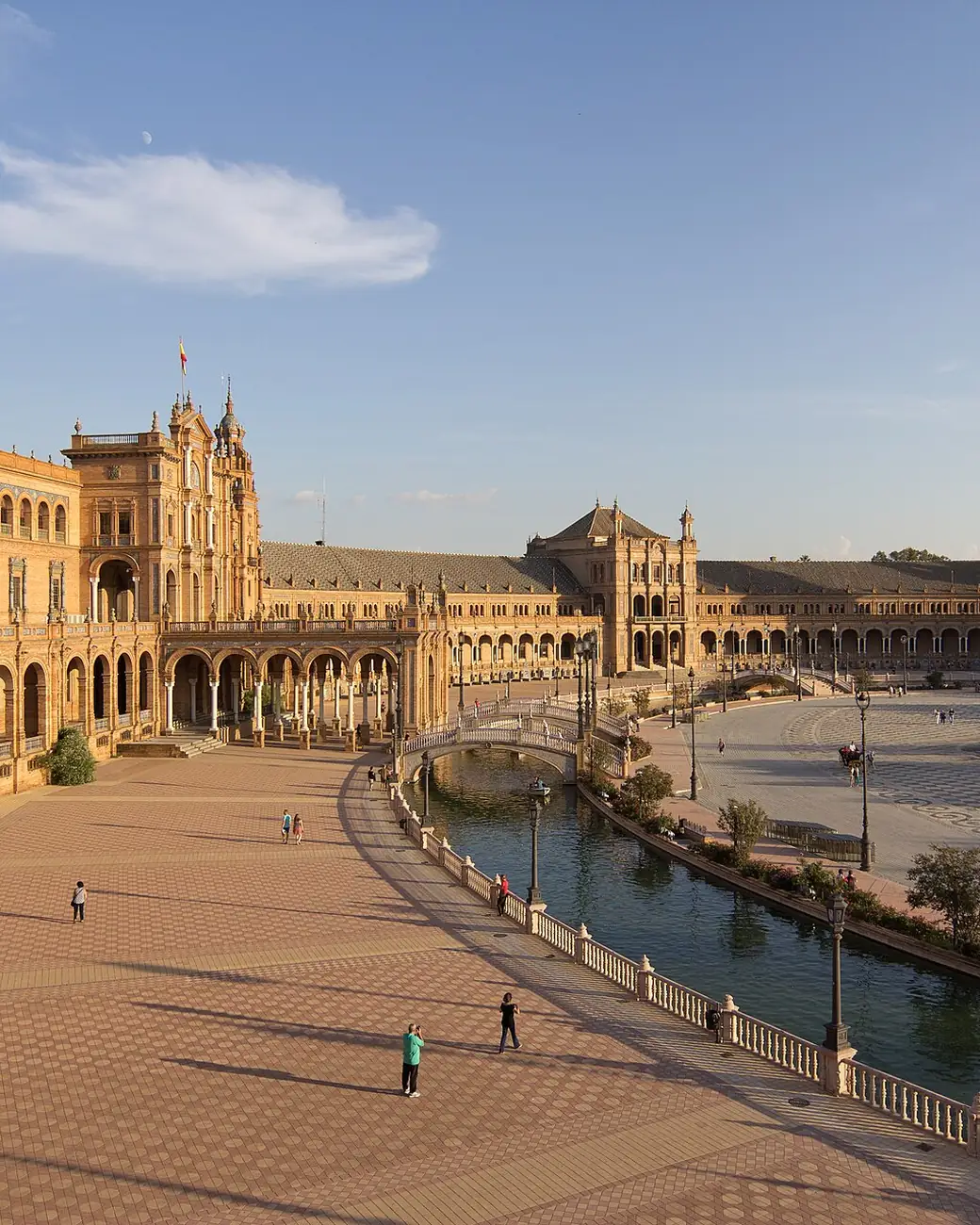
Plaza de Espana, Seville Seville · 3 nights

Third stop

Seville, capital of Andalusia

One of the most beautiful and captivating cities on the Iberian Peninsula. Its glorious past is written into an architectural and artistic heritage marked deeply by the centuries of Moorish rule. On the banks of the Guadalquivir, Seville was once one of Europe's most important ports — not least because it held the trading monopoly with the New World.

This is the city of orange trees along the pavements, of courtyards glimpsed through a gate, of dinner that starts late and of flamenco that is no tourist folklore: it was born here, in Triana and Santa Cruz, and it is still alive. Three nights allow you to see the monuments unhurried and still keep a whole evening free for the city to happen.

  • 3 nights
  • 1 full day of private walking touring
  • 1 free day
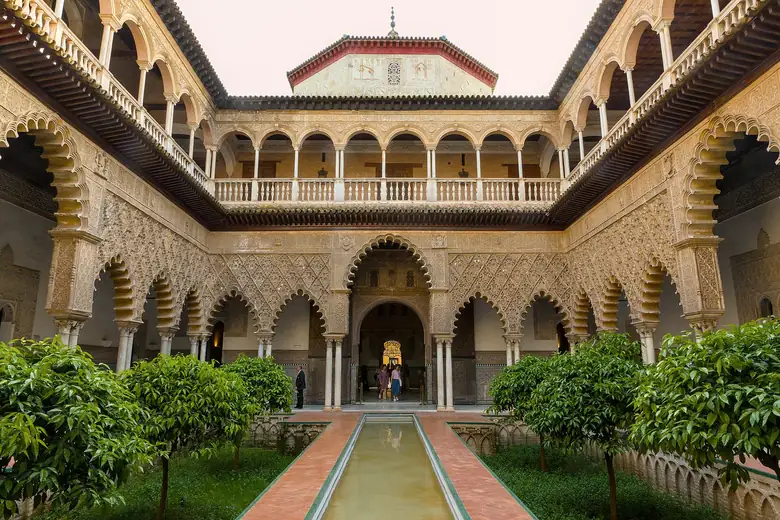
Courtyard of the Maidens, Real Alcazar of Seville
Visit with admission

Real Alcázar

One of the oldest royal palaces still in use in Europe — the Spanish royal family stays here to this day. Courtyards, gardens and breathtaking Mudéjar architecture, built by Muslim craftsmen in the service of Christian kings.

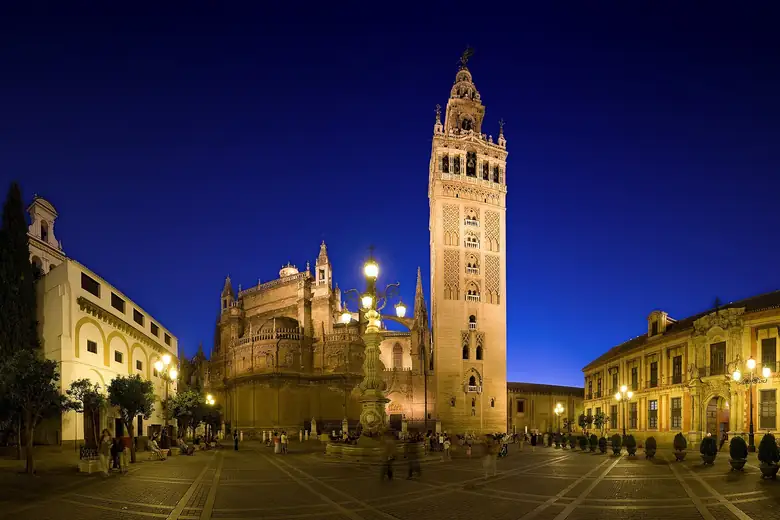
The Giralda and Seville Cathedral at dusk
Visit with admission

Seville Cathedral & the Giralda

One of the largest cathedrals in the world, raised over the city's former mosque and guardian of the tomb of Christopher Columbus. The Giralda, its bell tower, was the Almohad minaret — you climb it by ramps rather than steps, because the muezzin rode up on horseback.

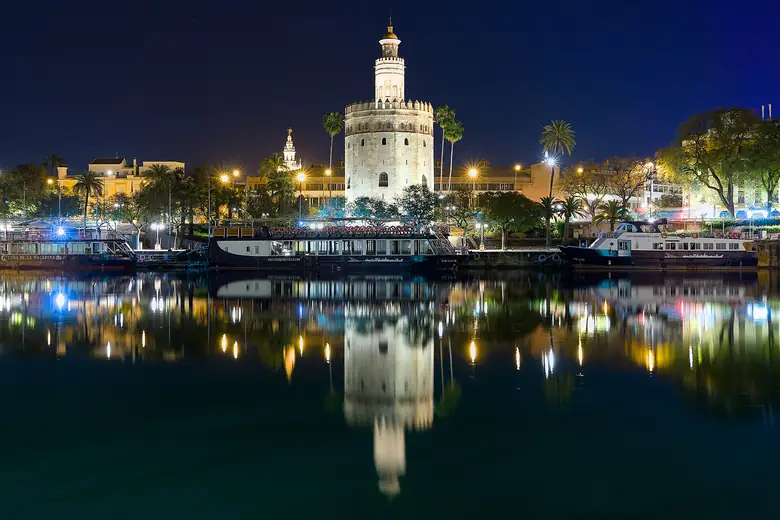
Torre del Oro mirrored in the Guadalquivir
Panoramic

Guadalquivir & Torre del Oro

The riverside walk passes the Maestranza bullring, the opera house and the Torre del Oro — the thirteenth-century watchtower that guarded the port through which the silver of the Americas arrived.

A lane in the Santa Cruz quarter, Seville
Guided walk

Santa Cruz quarter

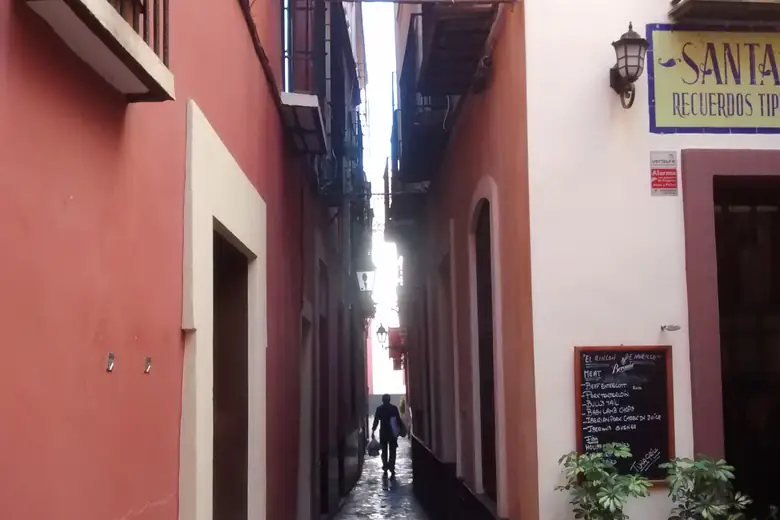
The city's former Jewish quarter, now a tangle of whitewashed alleys, small squares with orange trees and iron gates that reveal courtyards full of plants. One of the most charming walks in Spain.

The Triana bridge over the Guadalquivir
Panoramic

Triana

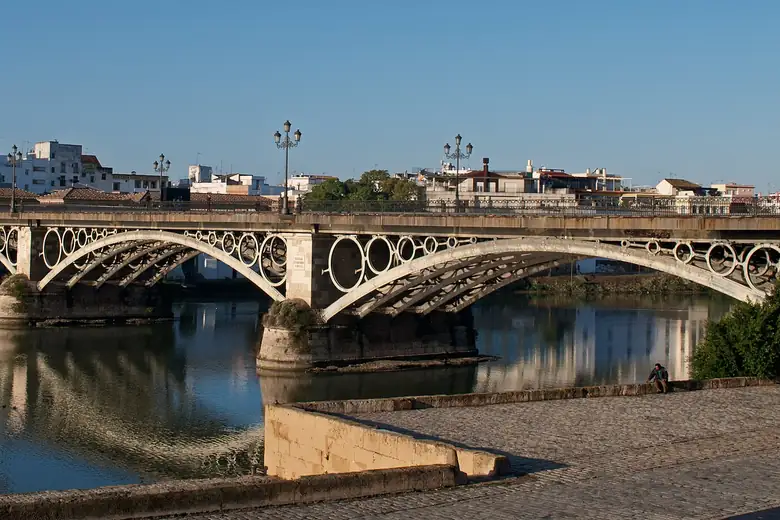
Across the Isabel II bridge, the quarter of the potters, the navigators and a good share of the great names in flamenco. Triana market and the street taverns beside the river are worth a whole afternoon.

A flamenco performance at a tablao
Free-day suggestion

An evening at a tablao

Seville is famous for its tablaos: small stages taken over by bailaoras stamping to torn guitar chords, clapped rhythms and raw, visceral singing. We book the venues worth going to well in advance.

Day by day

How the ten days take shape

A tested structure that balances the great monuments with room to breathe. Dates and order are always adjusted to your calendar — this is the skeleton.

Day 1

Arrival in Madrid

Welcome at the airport and private transfer to the hotel. The rest of the day is yours: a first walk along the Gran Vía, dinner with no set time, the jet lag settling.

Private transferCheck-in
Day 2

Madrid from end to end

A full day of private city touring through the most representative quarters: eighteenth-century Madrid with its museums and mythological fountains, the Retiro, the boutiques of Salamanca, the Castellana boulevard and financial district, the Real Madrid stadium and the Gran Vía. Visits to the Royal Palace and the Las Ventas bullring.

Private guide · 8hRoyal PalaceLas Ventas
Day 3

Madrid at leisure

Our suggestion: the Puerta del Sol area, kilometre zero of the city, and the centuries-old taverns around it. Or the Prado, the Thyssen and the San Miguel market — the choice is yours.

Free day
Day 4

Madrid at leisure

Our suggestion: the Reina Sofía museum, where Guernica fills an entire room on its own. (Closed on Tuesdays.) In the afternoon, the Temple of Debod for the sunset.

Free day
Day 5

Madrid → Granada, by train

Private transfer to the station and the high-speed train to Granada. Arrival, transfer to the hotel and your first Andalusian evening — already a world away from Madrid.

High-speed trainPrivate transfers
Day 6

The Alhambra, all day

A private walking tour of Granada: the Nasrid Palaces of the Alhambra, the Generalife gardens with their fountains and courtyards, the Renaissance cathedral and the Royal Chapel with the tombs of the Catholic Monarchs. Admission and the transfer up to the hill are included.

Private guide · 6hAlhambraGeneralifeCathedral & Royal Chapel
Day 7

Granada → Seville

A private drive to Seville across inland Andalusia — olive groves as far as the eye can see, white villages perched on the hilltops. Arrival and check-in at the hotel.

Private transferAndalusian landscape
Day 8

Seville on foot

A full day of private touring: the Real Alcázar with its Mudéjar courtyards and gardens, the cathedral and the tomb of Columbus, and a panoramic walk along the Guadalquivir — Maestranza, the opera house, Triana and the Torre del Oro. It ends at the Plaza de España and in the Santa Cruz quarter.

Private guide · 7hReal AlcázarCathedralPlaza de España
Day 9

Seville at leisure

Our suggestion: an evening of flamenco at a tablao. Or Triana market in the morning, the Palacio de las Dueñas in the afternoon and a tapas route at dusk.

Free dayFlamenco
Day 10

Seville → Madrid and home

Transfer to the station and the high-speed train back to Madrid (some 390 km in a little over two and a half hours). Arrival and transfer to the airport.

High-speed trainAirport transfer
This itinerary is a starting point, not a package. It stretches to take in Córdoba between Granada and Seville, Toledo or Segovia as a day trip from Madrid, or the white villages of Ronda and Arcos. It also shortens, if you have fewer days. The final shape is always built together.

Gallery

What you will see

Click any image to enlarge.

How we travel

What changes when a journey is designed

Spain is easy to visit and hard to visit well. The difference lies in who organises it — and in how much is already settled before you board.

A private guide, yours alone

No raised umbrella, no group of forty. The guide belongs to your party alone, matches your pace and answers your questions — not those of a whole coach.

Guaranteed admission

The Alhambra has a limited daily quota and sells out months ahead; the Nasrid Palaces are timed to the minute. We book everything in advance — Alhambra, Generalife, cathedral, Royal Chapel, Real Alcázar, Royal Palace and Las Ventas.

Private transfers

Airport, stations and hotels: always a private vehicle with a driver. Between Granada and Seville the journey is made by car — crossing Andalusia — rather than by train with a change.

High-speed rail

Madrid–Granada and Seville–Madrid by AVE, in comfort class. It is the most civilised way to cross Spain: centre to centre, no airport, with the landscape at the window.

Hotels chosen one by one

Restored townhouses, design hotels and historic addresses — always with breakfast, always in the right quarter for walking. You choose the level; we already know which rooms to ask for.

Free days that are not empty

Half the journey is free by design. But you receive tested suggestions — restaurants, opening times, what to book ahead — so that a free day is a choice rather than an improvisation.

Where to stay

Three readings of the same journey

The itinerary stays the same; what changes is the signature of the hotels. These are addresses we work with often in the three cities — the final selection is put together with you.

Selection I

Boutique character

Small houses, very well placed, with strong personality and attentive service. Excellent value without giving up style.

  • MadridUrban Hotel Madrid
  • GranadaHospes Palacio de los Patos
  • SevilleHospes Las Casas del Rey de Baeza
Selection II

Contemporary design

Hotels with striking architecture, rooftops with a view and a lively social scene inside the hotel itself. For those who like being at the centre of what is happening.

  • MadridThompson Madrid
  • GranadaSeda Club Hotel
  • SevilleGran Meliá Colón
Selection III

Historic grand luxe

The great classics: hotels that are themselves monuments of the city. Service of the highest order and rooms that justify staying an extra day.

  • MadridMandarin Oriental Ritz, Madrid
  • GranadaSeda Club Hotel
  • SevilleHotel Alfonso XIII, a Luxury Collection Hotel

Before you go

The essentials, without the small print

Practical information for anyone beginning to think about the trip.

When to go

There is no bad season — only different ones. Andalusia is scorching at the height of summer and delightful the rest of the year; Madrid has dry, cold winters and very hot summers.

SpringMar–May. The finest window: orange blossom, long days, perfect weather. Also the busiest.
SummerJun–Aug. Seville and Granada climb past 40 °C. Intense nightlife and emptier cities in August.
AutumnSep–Nov. The heat relents, the light turns golden and the monuments thin out. An excellent alternative to spring.
WinterDec–Feb. Dry cold, empty monuments, snow on the Sierra Nevada and Christmas in Madrid. Our quiet favourite.

Documents and visas

Holders of a Brazilian passport do not need a visa for stays of up to three months. The passport must be valid for at least six months from the date of departure and have at least two blank pages, side by side.

No yellow fever vaccination certificate is required. We recommend copying the first three pages of your passport: originals travel in your hand luggage, copies in the checked bag.

At immigration you may be asked for confirmed return tickets, proof of funds for the stay and hotel vouchers — all of which we organise with you beforehand.

Pace, language and money

Spain eats late: lunch from 2pm, dinner rarely before 9pm. Many shops still close in the middle of the afternoon, especially in Andalusia.

Currency: the euro. Cards are accepted almost everywhere, but it is worth carrying cash for small taverns and markets. The guides on this itinerary work in Spanish — if you would rather have English or Portuguese, we arrange it.

What to book well ahead

The Alhambra: this is the bottleneck of the trip. Tickets for the Nasrid Palaces carry a daily quota and a timed entry, and they sell out months ahead in high season — the date of your journey is built around it.

Flamenco tablaos and the good tables in Seville also need booking. And keep an eye out: some museums close one day a week — the Reina Sofía, for instance, closes on Tuesdays.

To add on

If you have a few more days

Extensions that fit naturally onto this itinerary.

01

Córdoba

On the road between Granada and Seville. The Mosque-Cathedral, with its forest of red and white arches, is one of the most astonishing buildings in the world — and the old Jewish quarter around it deserves an afternoon.

02

Toledo or Segovia

The classic day trip from Madrid. Toledo stacks three cultures — Christian, Jewish and Muslim — on a rocky outcrop ringed by the Tagus. Segovia has an intact Roman aqueduct and a fairy-tale castle.

03

Ronda and the pueblos blancos

The Andalusia of white villages perched on cliffs. Ronda, split by a gorge more than 100 metres deep, is the picture-postcard — but Zahara, Grazalema and Arcos de la Frontera are worth the drive.

04

Jerez and sherry

Less than an hour from Seville: the centuries-old bodegas of sherry, the Andalusian royal school of equestrian art and one of the most authentic cradles of flamenco.

05

An Arab bath

In Granada and Seville, contemporary hammams occupy historic buildings. It is the perfect end to a day spent walking through palaces.

06

Food and wine experiences

A private tapas route with a sommelier, an Andalusian cookery class, a visit to an olive grove with oil tasting, or a starred table. We add them to the itinerary according to your taste.