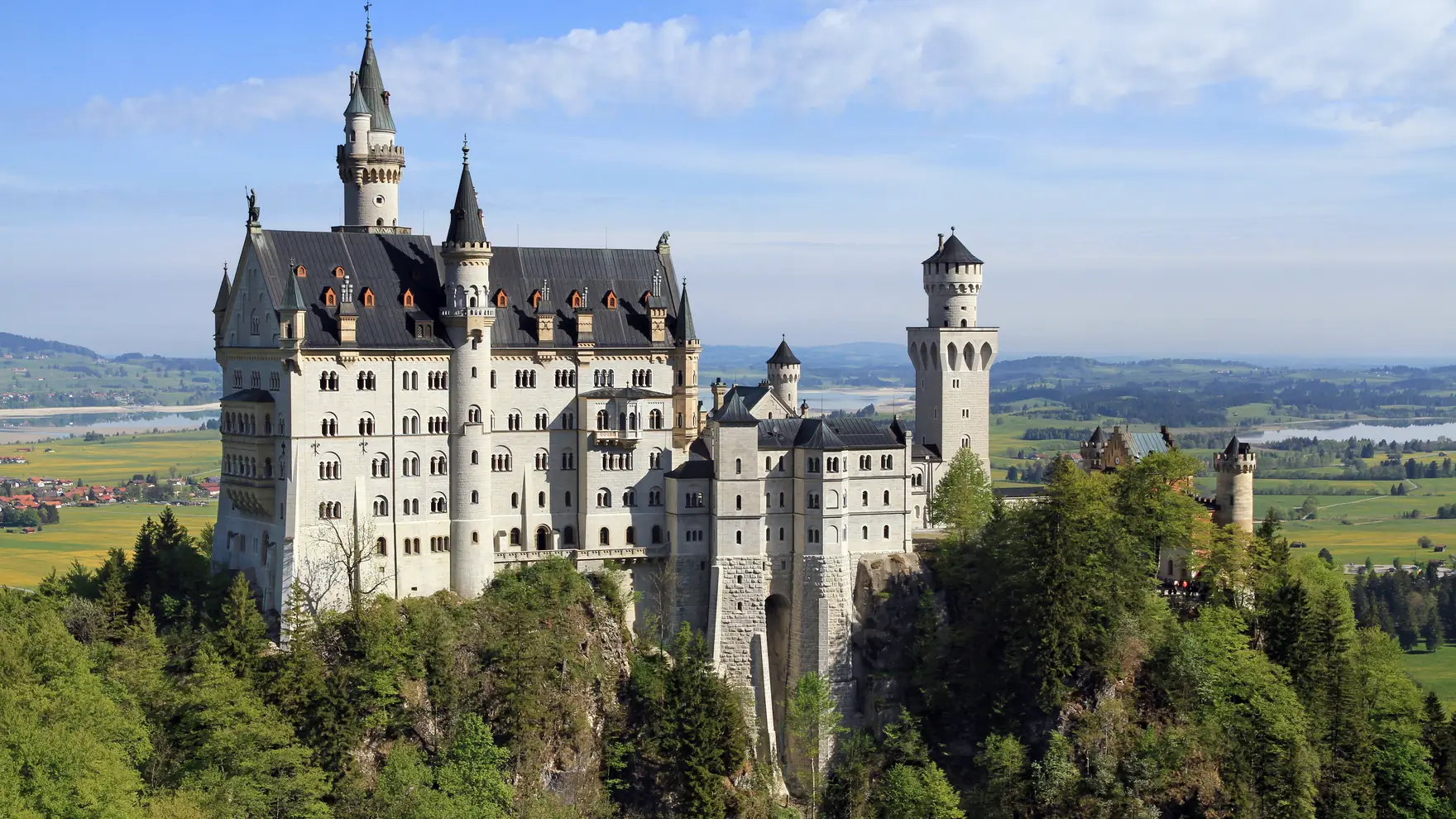
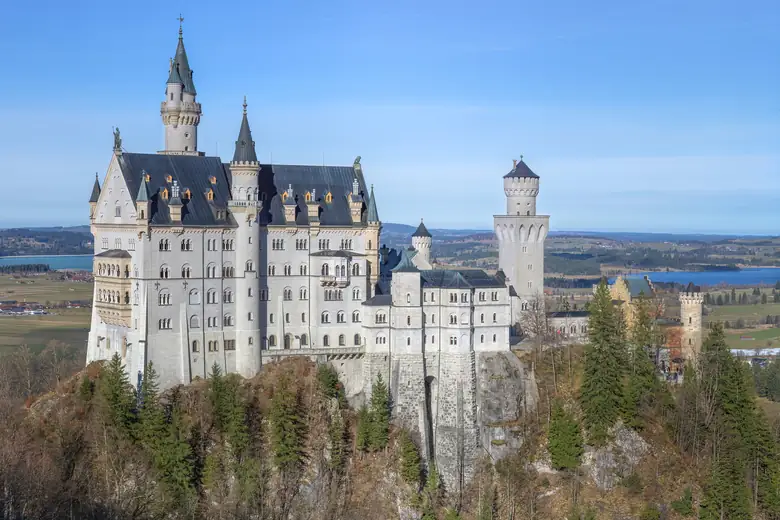
Castelo de Neuschwanstein erguido sobre o desfiladeiro, com lagos e campos da Baviera ao fundo

Germany · From Berlin to the Alps

Where history becomes
a fairy tale

Few countries tell so many stories per square metre: a capital that reinvented itself before the world's eyes, castles hanging in Alpine mist, walled towns untouched since the Middle Ages and rivers that carry vineyards, towers and legends. Germany is the setting of the tales everyone grew up hearing — and every chapter of it can be designed tailor made.

300km/h — the speed of the ICE trains that stitch the country together, city centre to city centre
1516the year of the Beer Purity Law, still followed by the country's breweries today
0visa needed for most travellers — Brazilians get up to 90 days in the Schengen Area on a passport alone
100%tailor made — regions, pace and stops chosen for you

The destination

One country,
four trips in one

Germany holds contrasts rarely found in a single itinerary: Berlin, the capital that turned its own history into an open-air museum and its freedom into a vibrant creative scene; Munich and the Bavarian Alps, with their storybook castles and centuries-old beer halls; walled towns frozen in time; and the Rhine and Moselle valleys, where castles watch over slopes covered in Riesling.

And all of it is travelled with a comfort that became the country's trademark: high-speed trains linking the historic centres, immaculate roads for those who prefer to drive between villages, hotels ranging from the grand urban classic to the inhabited castle. It is the perfect destination for travellers who want a Europe dense with history — without giving up flow.

This page travels the country in the order the trip usually unfolds: Berlin, the plunge into the Bavaria of Munich and Neuschwanstein, the Romantic Road and Rothenburg and, finally, the Rhine and Moselle valleys. You can live one chapter at a time, or stitch two or three into a single journey — drawing that cut is exactly our job.

Berlin Neuschwanstein Romantic Road Rhine & Moselle Historic beer halls Christmas markets

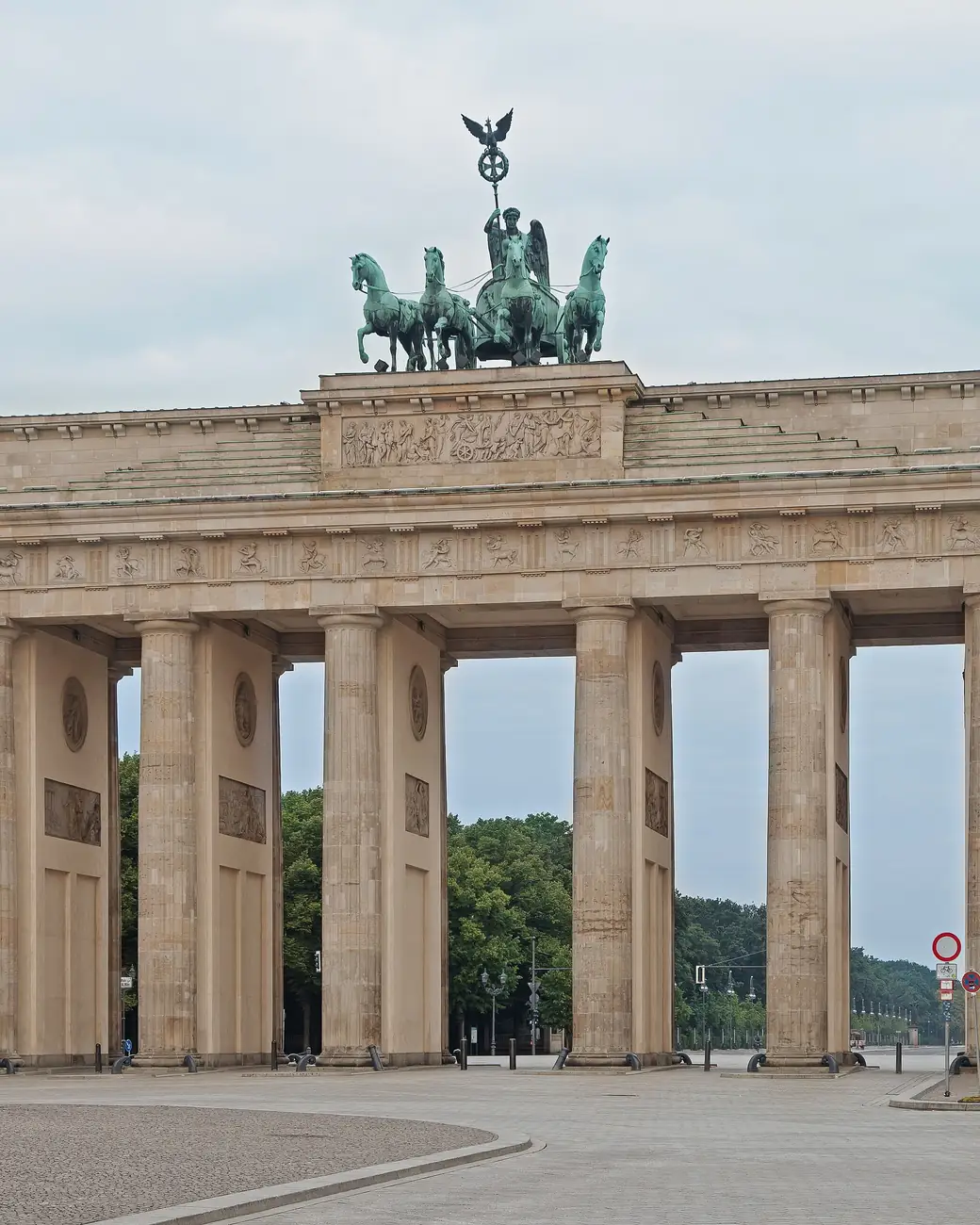
Portão de Brandemburgo com a quadriga no topo, em Berlim Berlin · The reinvented capital

First chapter

The city that turned history into a living museum

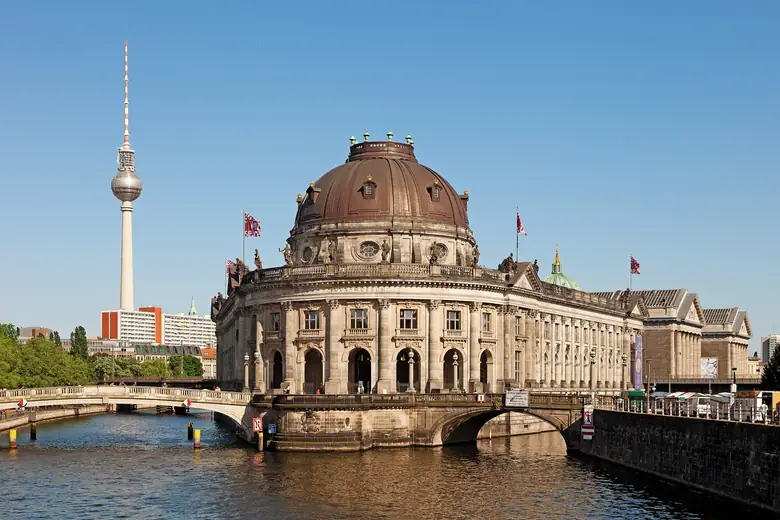
Berlin does not hide its scars — it shows every one of them, and that is why it moves you. From the Brandenburg Gate to the preserved stretches of the Wall, every corner tells a chapter of the twentieth century. At the heart of the city, Museum Island gathers five museums into a single UNESCO-listed ensemble, with treasures such as the bust of Nefertiti — a whole morning without leaving an island in the river Spree.

And then there is the Berlin of now: Europe's creative capital, with contemporary art galleries, specialty cafés, award-winning tables and neighbourhoods that change personality block by block — the buzz of Mitte, the lanes of Prenzlauer Berg, the energy of Kreuzberg. Few places combine so much weight of history with such an appetite for the future.

  • 5 museums on Museum Island, a UNESCO World Heritage Site
  • 1989 — the fall of the Wall that divided the city
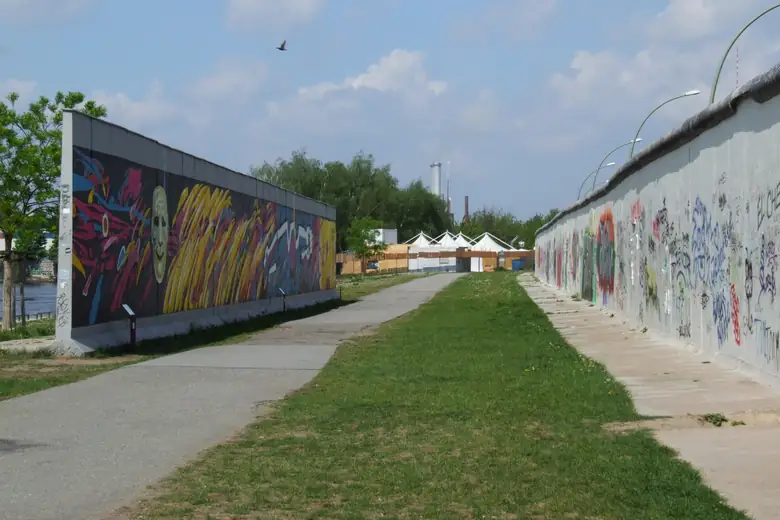
  • 1.3 km — the East Side Gallery, the longest stretch of the Wall still standing
Museu Bode na ponta da Ilha dos Museus, à beira do rio Spree
For everyone

Museum Island

Five museums on an island in the Spree, in an ensemble UNESCO listed as a whole. From the bust of Nefertiti to the galleries of ancient art, it is one of the world's great museum days — and with a private historian at your side, it becomes your own time machine.

Murais coloridos pintados no trecho preservado do Muro de Berlim, na East Side Gallery
For everyone

The Wall, from memorial to gallery

The longest surviving stretch of the Wall became the East Side Gallery: 1.3 kilometres of murals painted by artists from all over the world. Together with the Bernauer Strasse memorial and Checkpoint Charlie, it tells the story of the divided city better than any book.

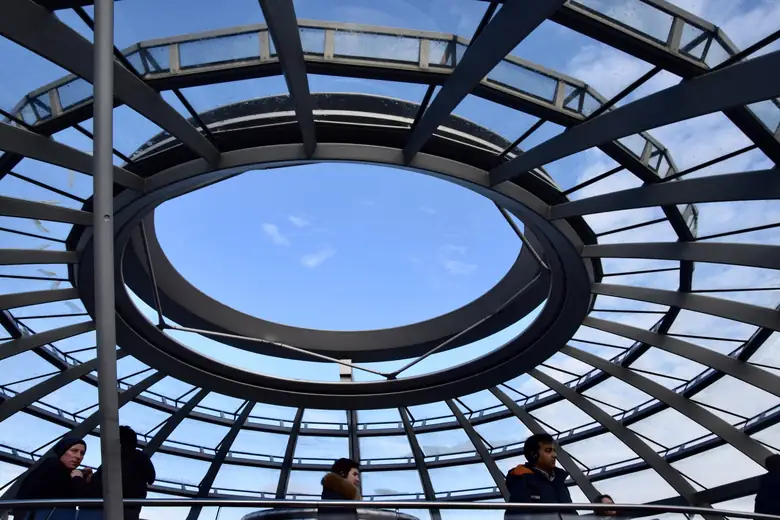
Interior da cúpula de vidro do Reichstag, com a rampa em espiral
With children

The Reichstag's glass dome

Above the German parliament, a glass dome invites you to spiral up until all of Berlin lies at your feet — a symbol of transparency that became an unmissable visit. Children run up; adults come down thinking. Access booked in advance, on us.

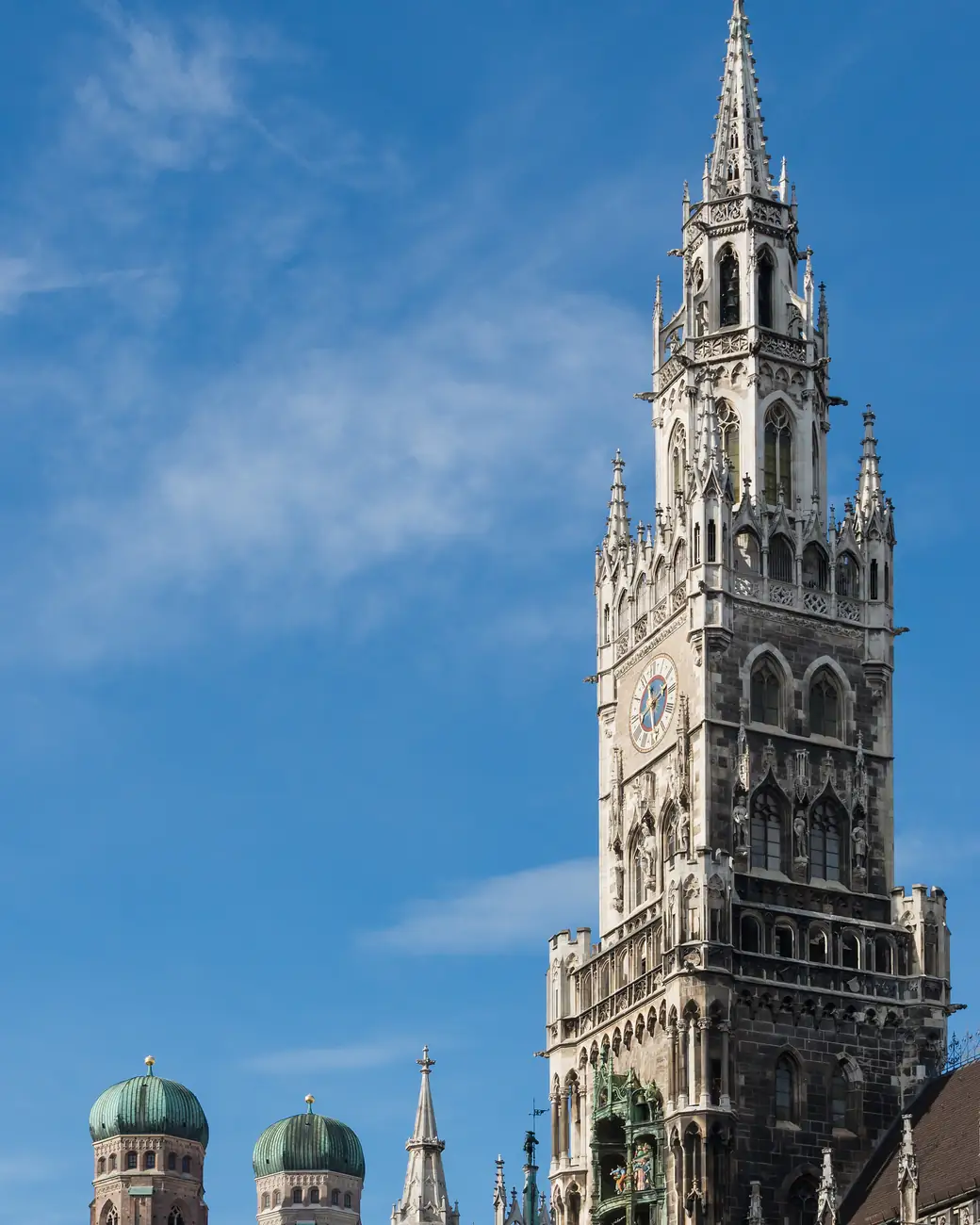
Torre gótica da Nova Prefeitura de Munique com as cúpulas da Frauenkirche ao fundo Munich & Bavaria · The storybook south

Second chapter

Bavaria, between palaces and beer gardens

Munich is the grande dame of the south: Marienplatz with its clockwork figures, the delicacies of the Viktualienmarkt, the Residenz palace and an urban garden where people surf a river wave. It is also the world capital of beer — served in historic beer halls with painted ceilings and in chestnut-shaded beer gardens, to the rhythm the city has celebrated since the first Oktoberfest, in 1810.

An hour and a half away the Alps begin — and with them the most famous castle on Earth: Neuschwanstein, King Ludwig II's dream in stone hanging over a gorge, the inspiration for Disney's castle and now a World Heritage Site. Along the way, emerald lakes, fresco-painted villages and peaks that invite you up by cable car and down by sled.

  • 1810 — the first Oktoberfest, at the wedding of the future King Ludwig I
  • 1869 — the foundation stone of Neuschwanstein, the fairy-tale castle
  • 2,962 m — the Zugspitze, Germany's highest point
Castelo de Neuschwanstein visto de frente, com os Alpes ao redor
The classic

Neuschwanstein, the fairy-tale castle

King Ludwig II dreamed of an opera castle — and the world gained its most copied postcard. The view from the Marienbrücke, suspended over the gorge, is one of those images that pay for the trip. Worth adding Hohenschwangau and Linderhof to the same royal day.

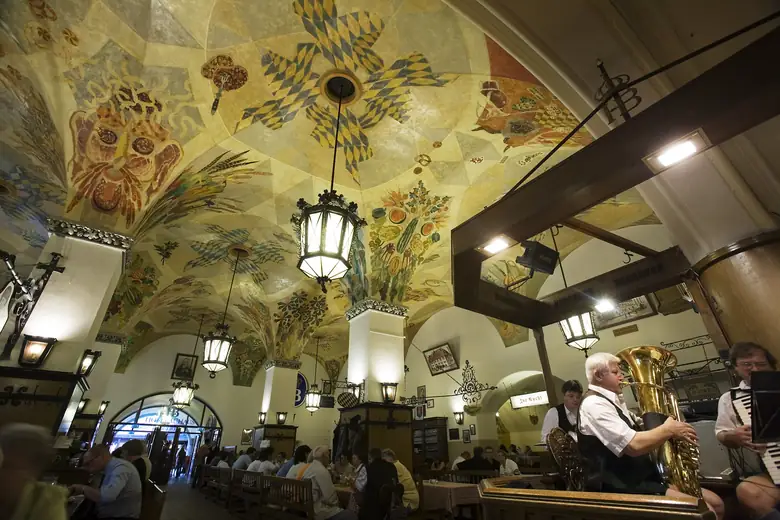
Salão de cervejaria histórica de Munique, com teto abobadado pintado e música ao vivo
Adults only

Historic beer halls & Oktoberfest

Sixteenth-century halls with painted ceilings, brass bands and one-litre steins — beer in Munich is living heritage, governed by the Purity Law of 1516. At summer's end the city throws the world's biggest party; the rest of the year, the beer gardens more than deliver.

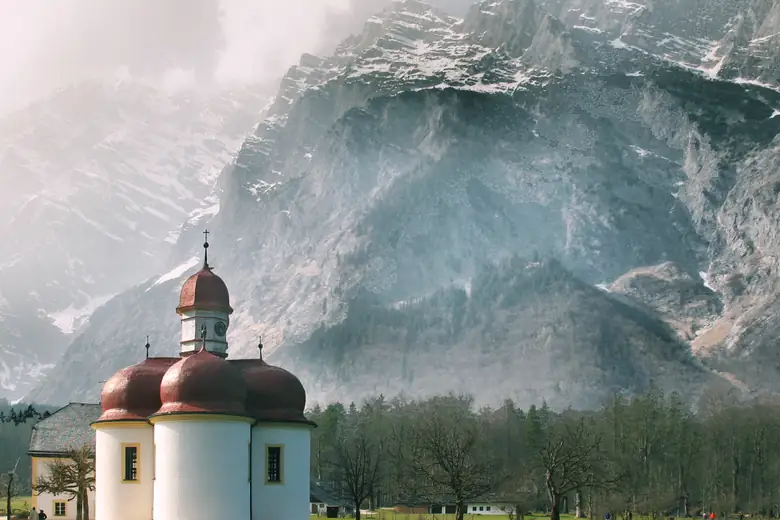
Capela de São Bartolomeu à beira do lago Königssee, cercada pelos paredões dos Alpes
With children

The Bavarian Alps

Silent electric boats cross the Königssee to a red-domed chapel pressed against walls of rock. Add crystal-clear lakes, cable cars up to the roof of Germany and trails of every length — the Alps in family edition.

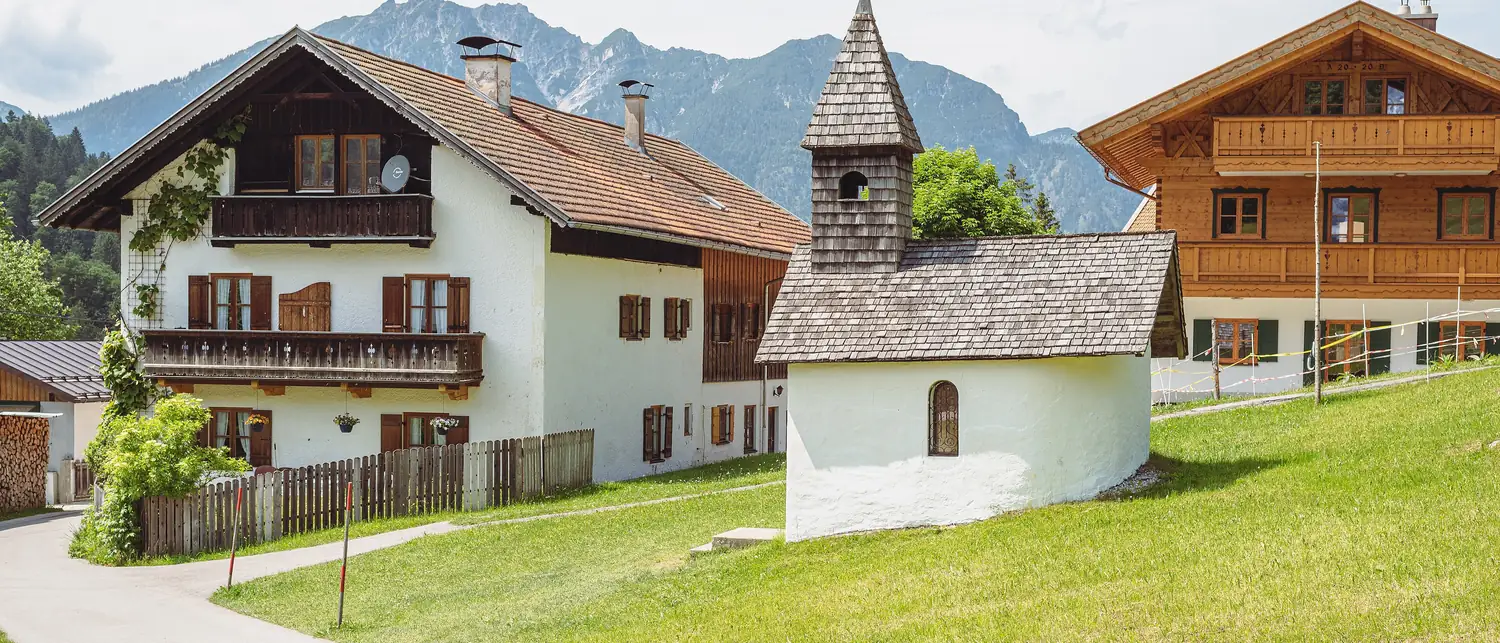
Vilarejo alpino da Baviera com capela de madeira e montanhas ao fundo

There are countries you visit and countries you leaf through like a storybook. Germany is both — every walled town, every castle in the mist and every valley of vines is a page that seems written for you to turn.

From Berlin to the Alps, everything designed tailor made
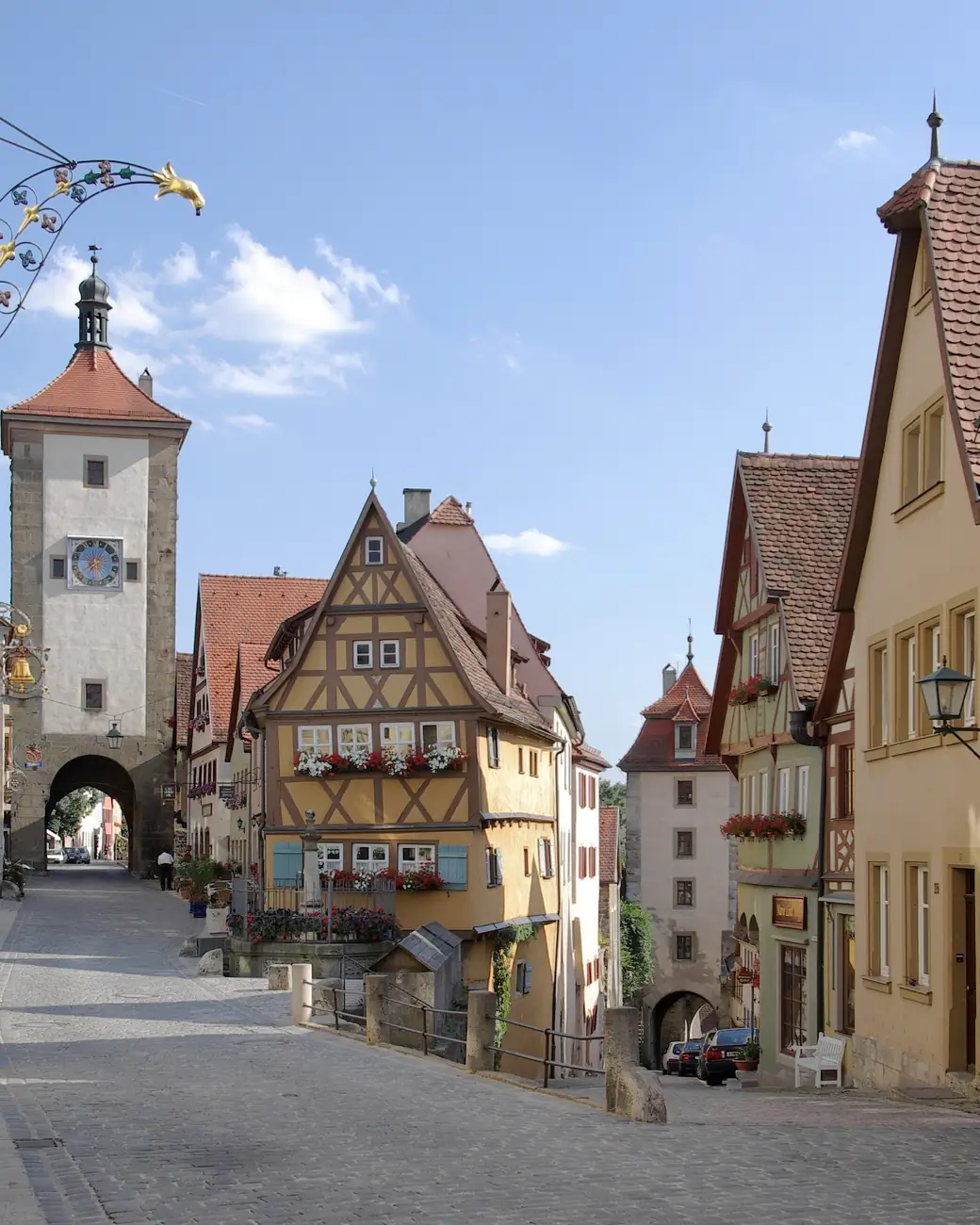
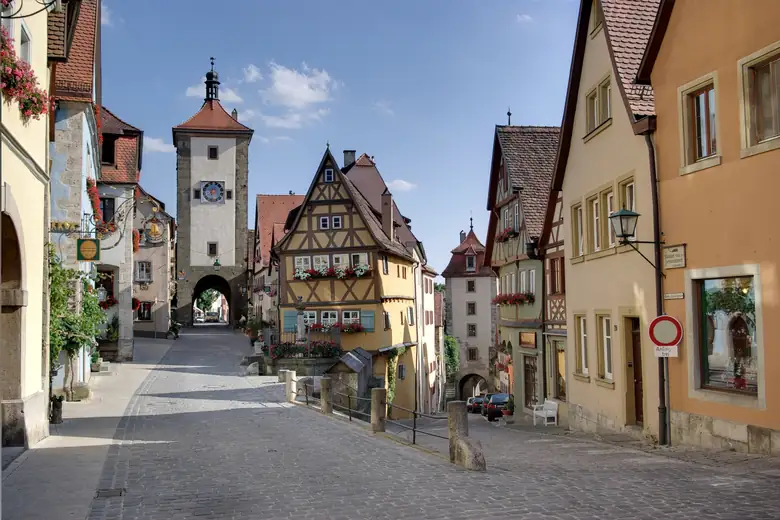
Casario enxaimel do Plönlein, em Rothenburg ob der Tauber, com a torre do portão ao fundo Romantic Road · The Middle Ages intact

Third chapter

The road where time stood still

Between Würzburg and the Alps, some 460 kilometres of road thread together villages modernity forgot to touch. This is the Romantic Road — and its jewel is Rothenburg ob der Tauber, an entire fourteenth-century town kept inside its walls: towers, gates, half-timbered houses leaning over cobbled lanes and the Plönlein, perhaps the most photographed corner in Germany.

The secret is to sleep inside the walls: when the tour buses leave, the town belongs to its guests again — the sunset gilding the rooftops, the night watchman's rounds told by lantern light, breakfast on empty squares. Along the way, Dinkelsbühl and Nördlingen complete the necklace of walled towns.

  • ~460 km — the Romantic Road, from Würzburg to the Alps
  • 14th c. — Rothenburg's walls, walkable from end to end
  • 42 towers punctuating the old town's wall
O Plönlein de Rothenburg, com casa de enxaimel amarela entre duas torres medievais
For everyone

Rothenburg, the reliquary town

The market square, the crooked lanes, the town hall tower with the whole city at its feet — and the Plönlein, the storybook corner that inspired animations and films. Rothenburg needs no map: every street ends in a scene that begs for a photo.

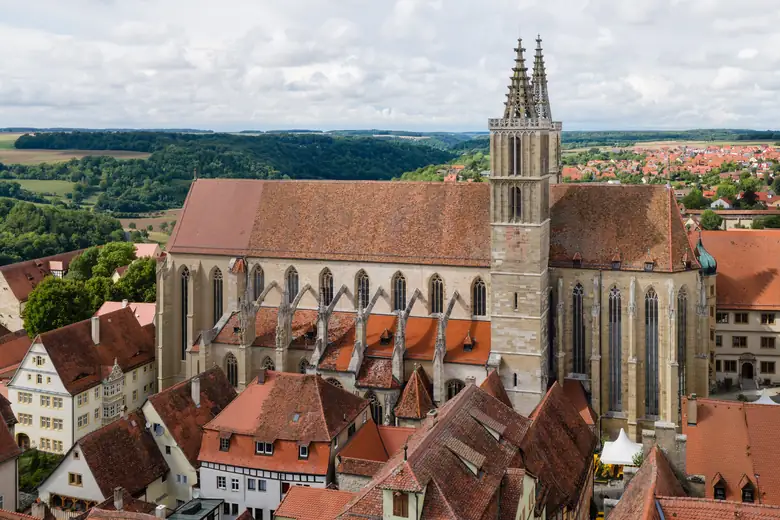
Telhados e a igreja de São Tiago vistos do alto das muralhas de Rothenburg
With children

The walk along the walls

The fourteenth-century wall is walked from above, tower to tower, red rooftops on one side and the Tauber valley on the other. Children play sentry; adults collect angles. At day's end, the night watchman's tour closes the evening like street theatre.

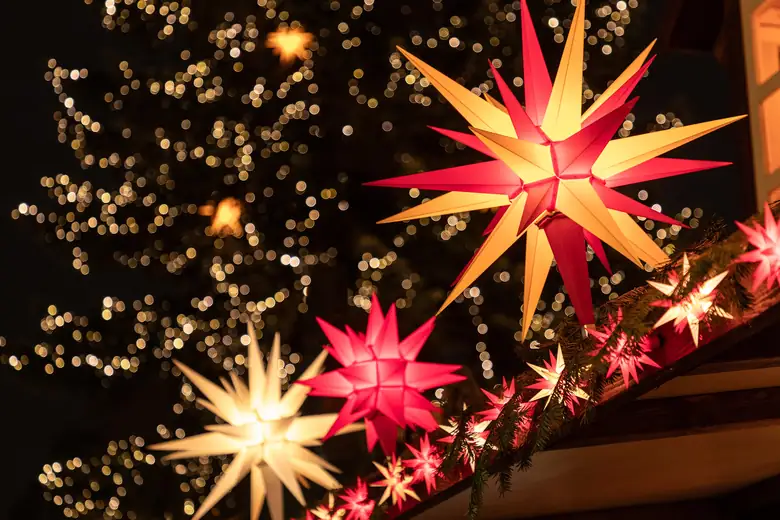
Estrelas da Morávia iluminadas decorando um mercado de Natal alemão à noite
In season

The Christmas markets

At the end of the year, Germany's squares become villages of wood and light: mulled wine, caramelised almonds, craftwork from the Ore Mountains and open-air choirs. From Nuremberg to Dresden — and Rothenburg itself —, it is the country at its most magical.

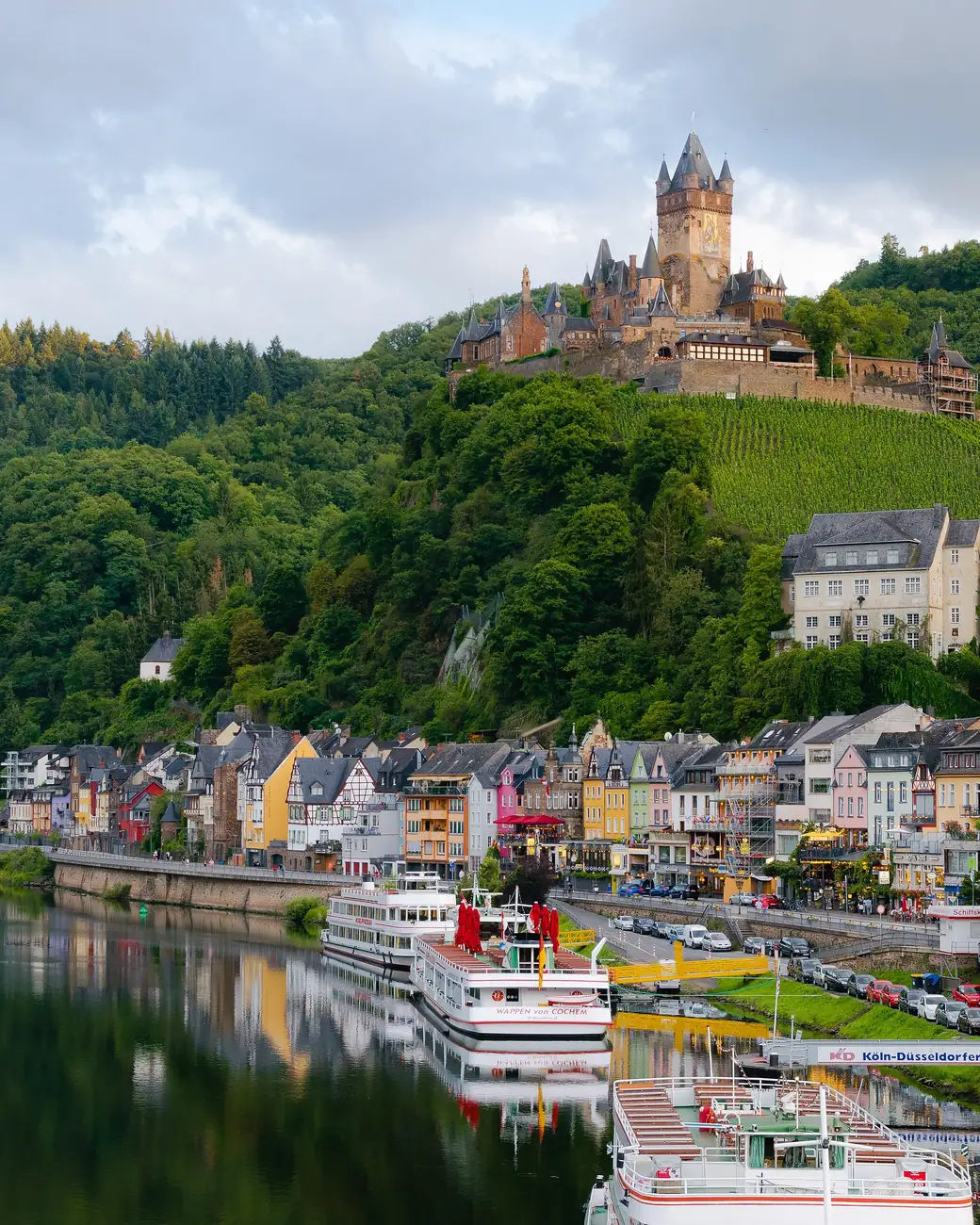
Castelo imperial de Cochem sobre vinhedos e casario colorido à beira do rio Mosela Rhine & Moselle · Castles and Riesling

Fourth chapter

The valleys where castles drink wine

Between Koblenz and Bingen, the Rhine squeezes into a 65-kilometre gorge that UNESCO listed in its entirety: more than forty castles and ruins follow one another along the heights, watching over half-timbered villages and the passing barges. This is the Germany of the Romantic engravings — with the Loreley rock and its siren legend at the river's narrowest point.

Right next door, the Moselle draws even gentler curves between the steepest vineyard slopes in Europe, covered in Riesling. Here are Cochem and its imperial castle, wine villages such as Beilstein and Bernkastel — and, hidden in a side valley, Burg Eltz, the fairy-tale castle the same family has inhabited for more than eight centuries and which was never destroyed.

  • 40+ castles along the UNESCO-listed stretch of the Rhine
  • ~850 years — Burg Eltz, in the same family since the twelfth century
  • 65° — the Calmont slope, the steepest vineyard in Europe
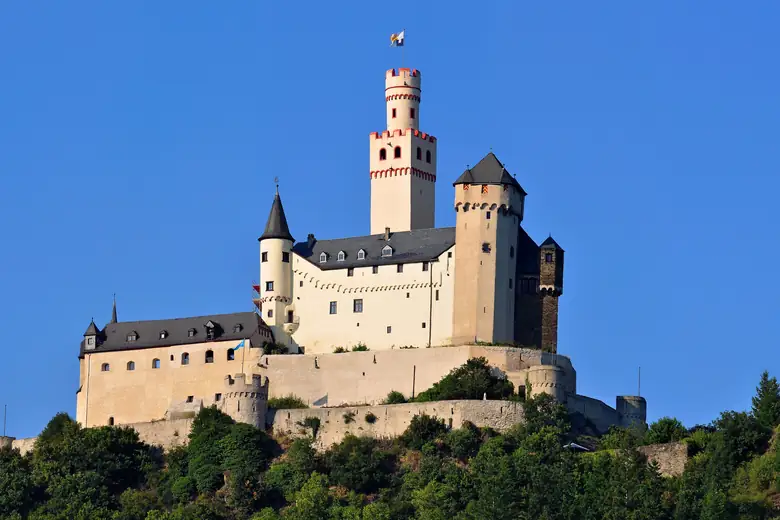
Castelo de Marksburg no alto da colina, sobre o vale do Reno
For everyone

The castles of the Rhine

By boat, by car or by train along the bank, the Rhine gorge is a parade of fortresses — and the Marksburg, the only hill castle in the valley never destroyed, keeps its halls, kitchens and armouries as they were seven hundred years ago. History with a river view.

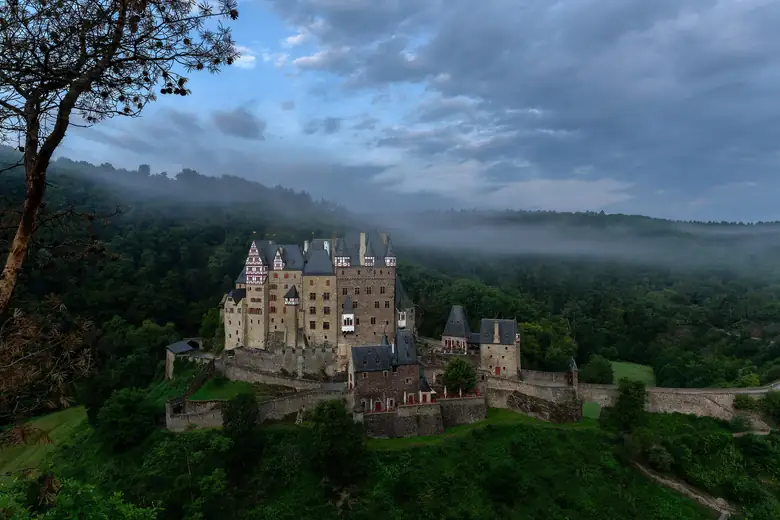
Burg Eltz emergindo da floresta sob a neblina da manhã
The classic

Burg Eltz, the castle in the mist

Hidden in a side valley of the Moselle, Burg Eltz appears suddenly at a bend in the trail — towers and half-timbering floating above the forest. Arrive early, before the groups, and the morning mist completes the most photogenic scene in the valleys.

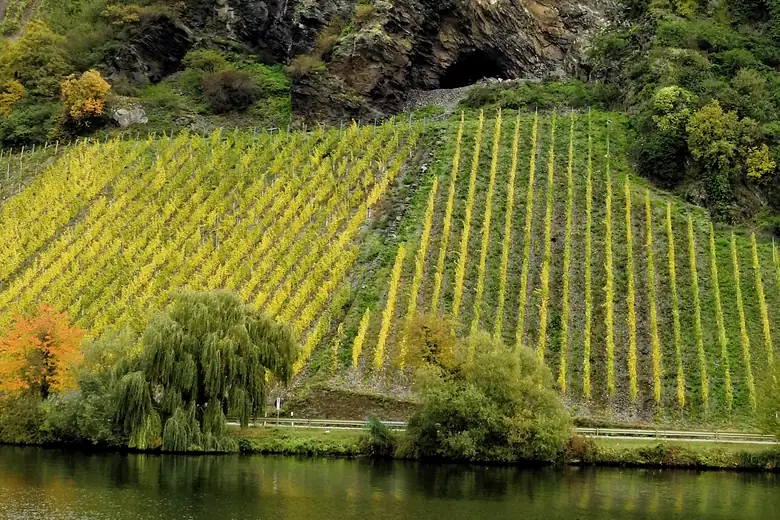
Vinhedos íngremes de Riesling descendo até o rio Mosela
Adults only

Riesling on the slopes

On the slate hillsides of the Moselle and the Rheingau grows Germany's most elegant white. Tasting a Riesling in the cellar of the family that has made it for generations, with the vineyard tumbling down to the river outside the window, is the kind of afternoon that redefines the word tasting.

Day by day

How the trip takes shape

A skeleton itinerary through the country's four chapters, to give you a sense of scale — each block can grow, shrink or leave the map. Length, pace and order are always adjusted to you.

Day 1

Arrival in Berlin

Arrival, check-in and a first walk to reset the clock: the Brandenburg Gate, the Reichstag esplanade and a welcome dinner in Berlin's new cuisine.

ArrivalBerlin
Day 2

Museum Island and the Wall

A morning with a private historian on Museum Island, an afternoon following the line of the Wall — East Side Gallery, Bernauer Strasse, Checkpoint Charlie. At day's end, the climb up the Reichstag's glass dome, already booked.

MuseumsHistory
Day 3

Berlin, neighbourhood by neighbourhood

The creative capital without hurry: the galleries and cafés of Mitte, the lanes of Prenzlauer Berg, design shopping, a reserved table at night. This is the day Berlin stops being a history lesson and becomes a favourite city.

NeighbourhoodsGastronomy
Day 4

ICE heading south

First-class seats and the landscape rushing by at 300 km/h: in under four hours, from Berlin to the heart of Munich. An afternoon of Marienplatz, Viktualienmarkt and the Residenz; at night, the first historic beer hall.

ICE trainMunich
Day 5

Munich at its own pace

A morning of museums or the market, lunch in a chestnut-shaded beer garden, an afternoon in the English Garden watching the river surfers — or a shopping detour along Maximilianstrasse. Munich is the art of living well, Bavarian edition.

Beer gardenThe city
Day 6

The day of the castles

An early start for Neuschwanstein, tickets and time slots all sorted: the view from the Marienbrücke, King Ludwig II's halls, lunch with the Alps in the window. On the way back, a detour past lakes and fresco-painted villages.

NeuschwansteinThe Alps
Day 7

The Romantic Road

A drive through fields and walled towns to Rothenburg ob der Tauber, with stops in Dinkelsbühl or Nördlingen. At night, with the town returned to its guests, the night watchman's rounds by lantern light.

Change of baseRothenburg
Day 8

From half-timber to Riesling

A morning along Rothenburg's walls and the road to the Rhine. In the late afternoon, the first glass of Riesling on the hotel terrace, with the river and its castles setting the scene.

The roadRhine Valley
Day 9

Castles, river & cellars

Burg Eltz early, before the groups; lunch in a Moselle wine village; an afternoon tasting with the winemaker and, weather allowing, a stretch of the river sailed at sunset. The gentlest day — and perhaps the most beautiful.

Burg EltzRiesling
Final day

Home, with the book closed

From the Rhine Valley to Frankfurt is an hour's drive — and the flight home leaves from right there, no backtracking. The suitcase returns with wine and craftwork; the memory, with four chapters of the same tale.

FrankfurtFlight home
This itinerary is a starting point, not a package. Some prefer a whole week between Munich and the Alps, some swap the car for the train from start to finish, some go in December just for the Christmas markets. The final design — regions, bases, number of nights — is always drawn up together, and without haste.

Gallery

What you will see

Click any image to enlarge.

How we travel

What changes when the trip is designed

Germany is easy to travel — and easy to travel wrong: four regions, three different logistics and attractions that sell out months ahead. Stitching it all in the right order is exactly our craft — and it is settled before you board.

The right cut for your time

No one needs to see all of Germany at once. With one week, Bavaria and the Romantic Road; with ten days, add Berlin or the Rhine valleys. We draw the cut from your days, the time of year and what cannot be missing.

Train, car or both

First-class ICE between the capitals, a chauffeured car — or the wheel in your hands — for the Romantic Road and the valleys. Each leg has its ideal means, and the logistics of luggage, stations and roads arrive ready, tested by us.

Doors that open in advance

Neuschwanstein and the Reichstag dome sell out weeks ahead; so do the best tables and cellars. We book everything at the right moment — including after-hours guided visits and experiences that are not for sale at the counter.

Guides who are half the landscape

A historian on Museum Island, a sommelier on the Moselle, a mountain guide in the Alps: Germany doubles in value with the right person at your side. We book the best — privately, at your pace and in your language whenever possible.

The right season for every scene

Beer gardens call for summer; Christmas markets, the end of the year; the Riesling harvest, autumn. We help you choose the season by what you want to live — and design the route so each region appears at its very best.

24/7 support

From boarding to the return, a team follows the entire trip. Any surprise — a train, a road, a special request at the hotel — is solved with a message, in your language.

Where to stay

Three ways to sleep in Germany

We work with a short list of houses we know and trust — organised here by style, which in each region of Germany defines the experience. The final choice is always designed with you.

In the capitals

Grand urban classics

Historic addresses facing the monuments, generous spas, hotel bars that are city institutions — and that grand-house service that makes Berlin and Munich give even more. The perfect base for the urban chapters.

  • BerlinUrban palaces & design
  • MunichGrande dames & boutiques
In the valleys

Castles & historic houses

Sleeping in a real castle above the Rhine, or in a half-timbered house inside the walls of a medieval town: in the valleys and along the Romantic Road, the lodging is part of the time travel — with comfort strictly of this century.

  • Rhine & MoselleCastle hotels above the river
  • Romantic RoadHistoric houses within the walls
In the Alps

Mountain retreats

Chalets and spa resorts with the Alps in the window: heated pools facing the peaks, saunas after the trail or the snow, Bavarian cooking raised to haute cuisine. The counterpoint of calm to close — or open — the trip.

  • Bavarian AlpsChalets & spa resorts
  • Lake countryCountry houses at the water's edge

Know before

The essentials, no fine print

Practical information for those starting to think about the trip.

When to go

Germany has four true seasons — and each one tells the country in a different way. There is no wrong time; there is the right time for what you want to live:

May–SepLong days, full beer gardens, green Alps of trails and lakes — the height of the season, with the whole country outdoors.
Sep–OctLate summer brings Munich's great beer festival and the Riesling harvest in the valleys — picking, festivals and golden slopes.
Nov–DecChristmas market season: illuminated squares, mulled wine and craftwork, from Nuremberg to Rothenburg. Germany at its most magical.
Jan–MarSnow in the Bavarian Alps, museums and cities without queues, quieter hotels — the winter of coats and firesides, for those who like the country all to themselves.

Documents, no visa

Brazilian citizens do not need a visa for tourism of up to 90 days in the Schengen Area. The passport must be valid for at least three months beyond your departure from Europe and have been issued within the last ten years.

Bring travel insurance with the coverage required by the Schengen agreement and keep your accommodation confirmations at hand for immigration. We walk you through everything before departure, item by item — including any new entry rules for Europe.

Trains that simply work

The ICE crosses the country at up to 300 km/h, city centre to city centre — Berlin to Munich in under four hours, with no airport queues. First class adds wide seats, quiet carriages and service on board.

The secret is in the details: reserved seats, connections with margin, luggage forwarded when it makes sense and a car waiting at the right platform. Your itinerary arrives with all of that solved — in Germany, the train is an upgrade, not an adventure.

The weather, in layers

Summer is mild — perfect for cities and mountains — and winter calls for a real coat, gloves and shoes for the cold. In between, changeable mid-seasons: the secret is dressing in layers and letting the day decide.

This is how we design it: we send the exact packing list by region and by season, from the elegant dinner in Berlin to the trail in the Alps — so the suitcase closes light and nothing is missing at the first icy gust.

To add on

To make the trip even more yours

Layers that fit naturally into a journey through Germany.

01

Hamburg & the Elbphilharmonie

In the north, the reinvented port city: the glass concert hall raised over an old dockside warehouse, the UNESCO-listed canals of the Speicherstadt and a dining scene in full effervescence. Two nights that change the register of the trip.

02

Dresden, Florence on the Elbe

Rebuilt stone by stone, the baroque capital of Saxony fills an unforgettable day: the Frauenkirche reborn from the ashes, the courtyards of the Zwinger, the treasures of the Saxon princes — and the Elbe for a frame. Two hours from Berlin.

03

Black Forest & Baden-Baden

In the southwest, hills of dark pines, cuckoo-clock villages and Europe's most elegant spa town: historic thermal baths, a Belle Époque casino and walks that end in slices of Black Forest cake. The chapter of rest.

04

Zugspitze & Garmisch

The roof of Germany is an hour and a half from Munich: cable cars climbing to 2,962 metres, a glacier, views over four countries — and, down below, the Partnach gorge squeezed between rock walls. High mountain in a one-day dose.

05

Cologne & the cathedral

Downriver, Germany's greatest Gothic cathedral raises its 157-metre towers over the Rhine — a World Heritage Site and the work of six centuries. Added to the castle route, it closes the river chapter in style.

06

The Rhine under way

The castle stretch can also be lived from the water: a luxury river cruise glides between vineyards and fortresses, with the Loreley passing by your cabin window. For those who prefer to unpack only once.

( Pairs well with this trip )

After Germany, Europe goes on

01

Italy

From Munich, the Alps run straight down to northern Italy — the Dolomites, the lakes and, beyond, Venice, Florence and Rome.

02

French Alps

For those who fell for the mountains: Méribel and Courchevel add skiing and haute cuisine on the other side of the Alps.

03

Madrid, Granada & Seville

The sunny counterpoint: tapas, the Alhambra and flamenco to follow German precision with Spanish warmth.