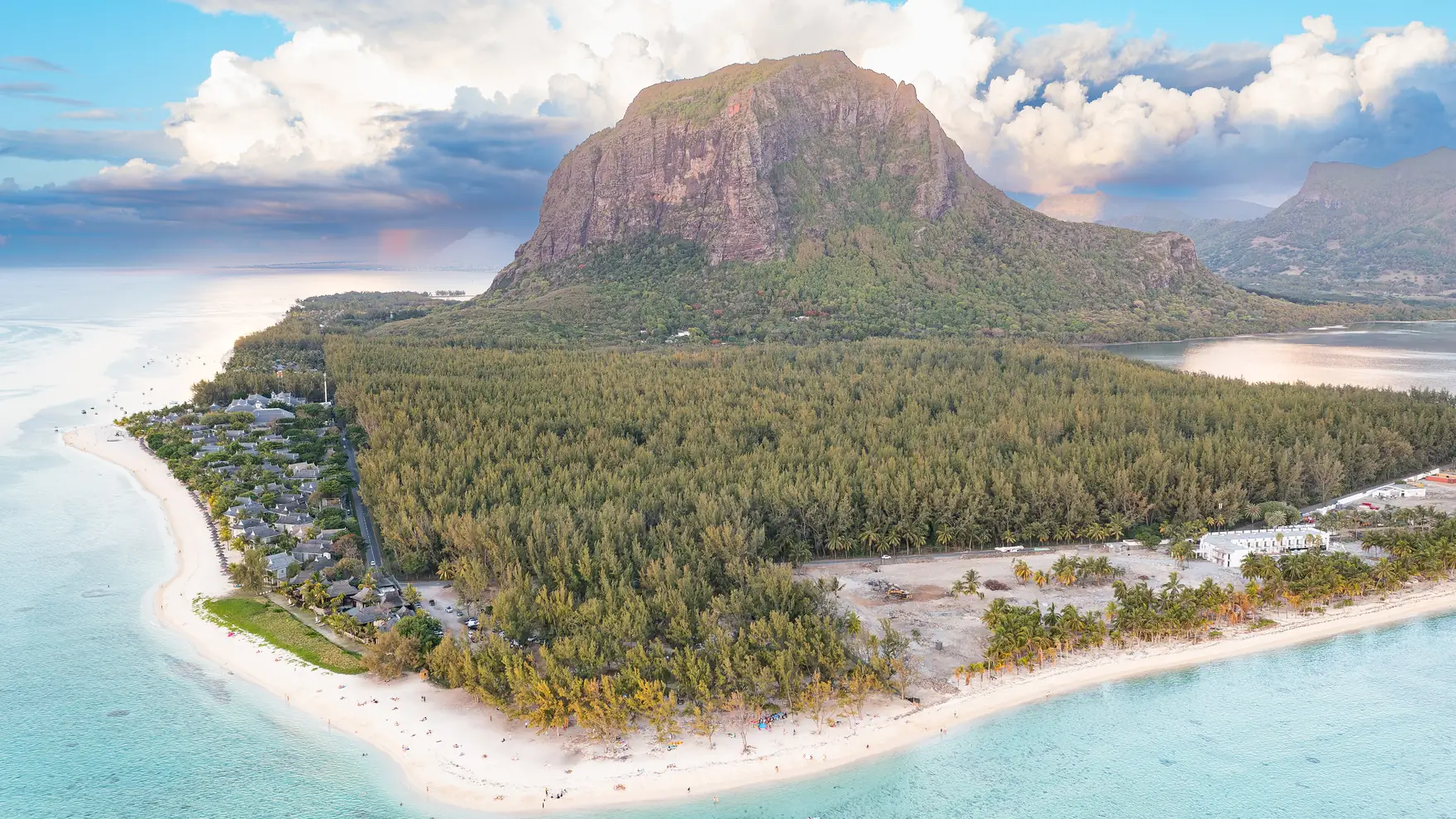
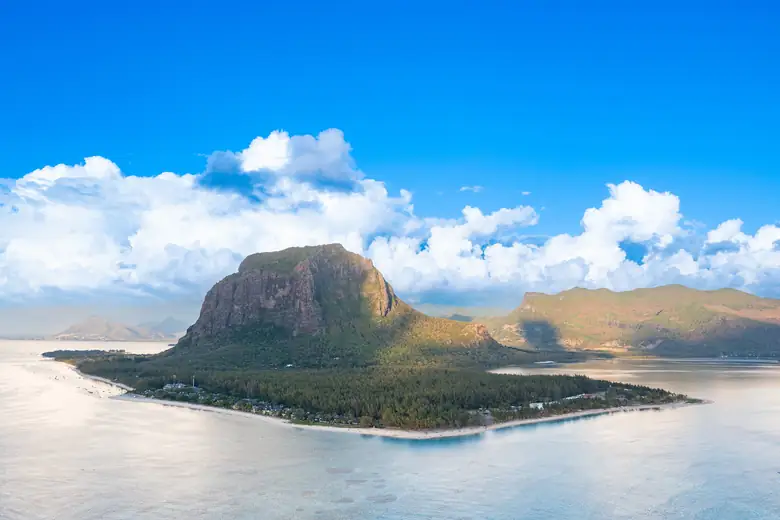
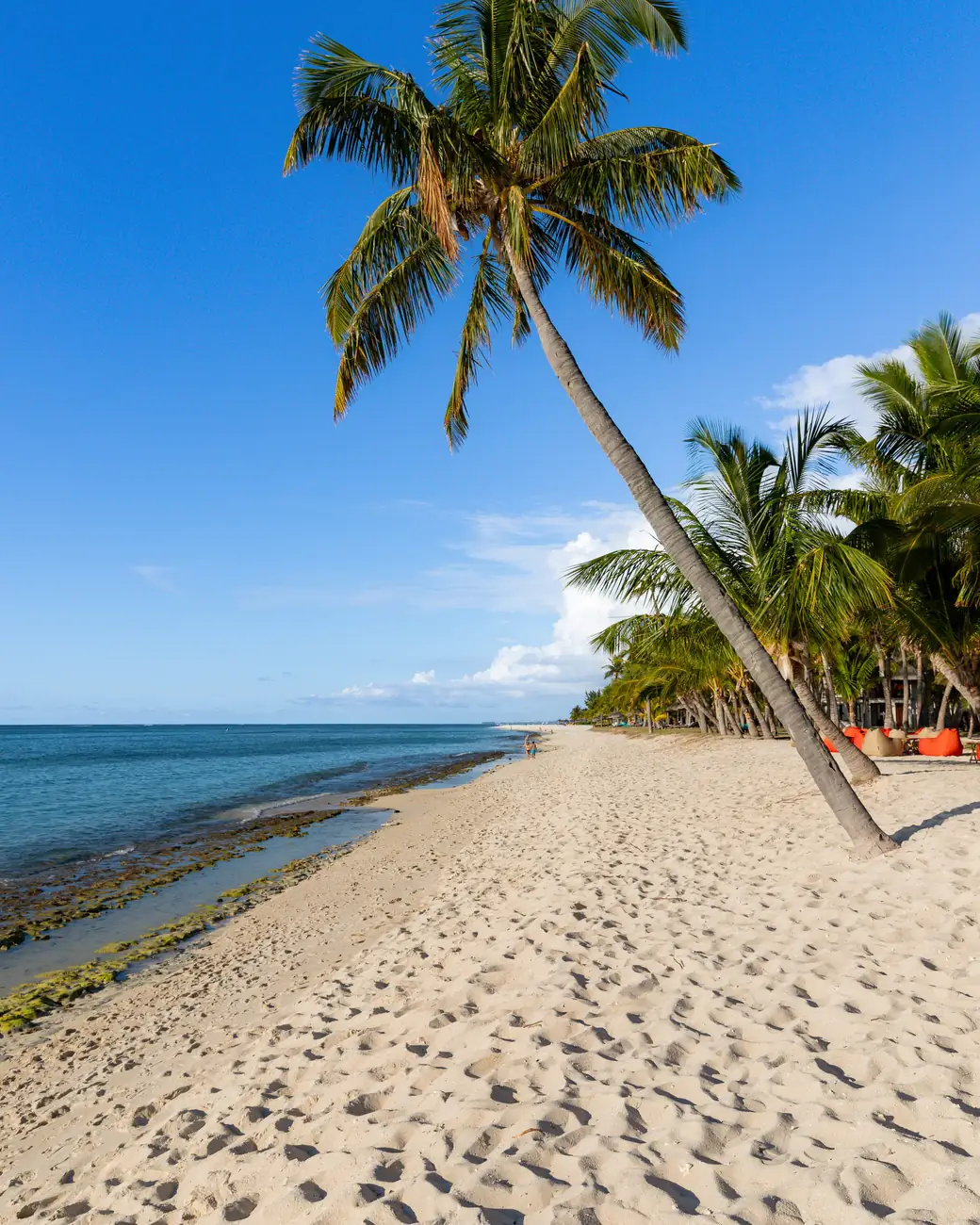
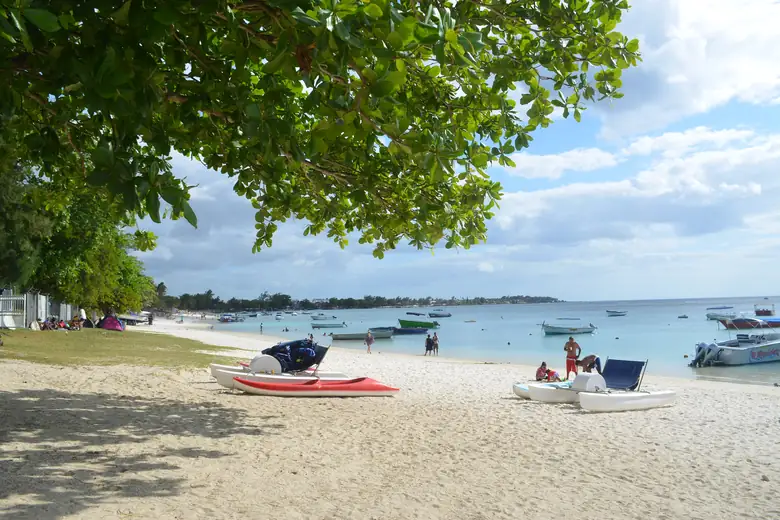
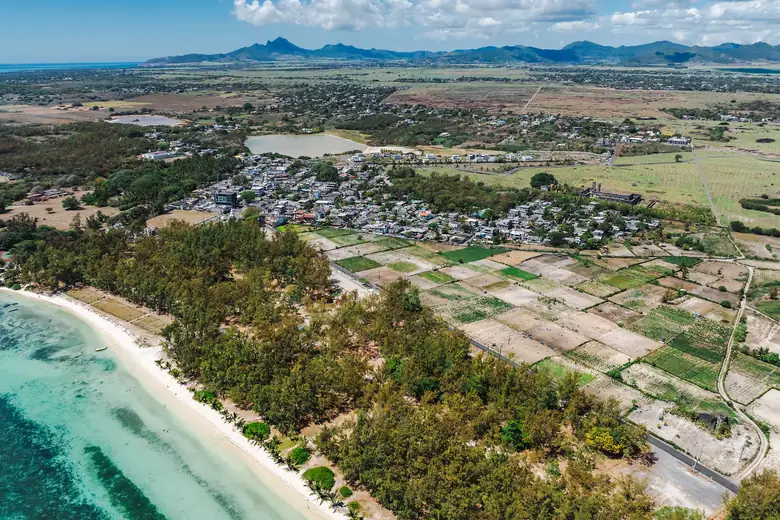
Vista aérea do Le Morne Brabant e da laguna turquesa das Ilhas Mauritius

Mauritius · Indian Ocean

The island made
before heaven

A volcanic island dressed in green in the middle of the Indian Ocean, wrapped in an almost unbroken turquoise lagoon — and home to a people who bring India, Africa, China and France to the same table. A postcard beach on the outside, a whole world within. All at your pace, all designed tailor made.

4cultures at the same table: India, Africa, China and France
2UNESCO World Heritage sites: Le Morne and Aapravasi Ghat
1turquoise lagoon embracing almost the entire island
100%tailor made — coast, hotel and rhythm chosen for you

The destination

A perfect beach —
with a whole country behind it

Mauritius is deceptive at first sight. The postcard — pale sand, coconut palms, a lagoon like a pool — exists and delivers as promised. But turn your back to the sea and the island changes: mountains with improbable silhouettes, sugarcane fields rolling to the horizon, waterfalls hidden in the forest and villages where Hindu temples share the street with churches and mosques.

It is this double nature that makes the destination rare: a whole week of beach without two days alike. One day the catamaran glides across the lagoon; the next, the road climbs the hills to a land of seven colours. And at night, the table — Creole, Indian, Chinese and French all at once — tells the island's story better than any museum.

And there is no single Mauritius: each coast has a personality of its own. The north is lively, the east keeps the postcard lagoons, the west has the sunsets and the kitesurf winds, the south remains wild. Choosing the right corner of the island — and the right hotel on it — is what changes the trip. That is exactly our job.

Honeymoon Families Beach & lagoon Nature & mountains Gastronomy Golf & kitesurf

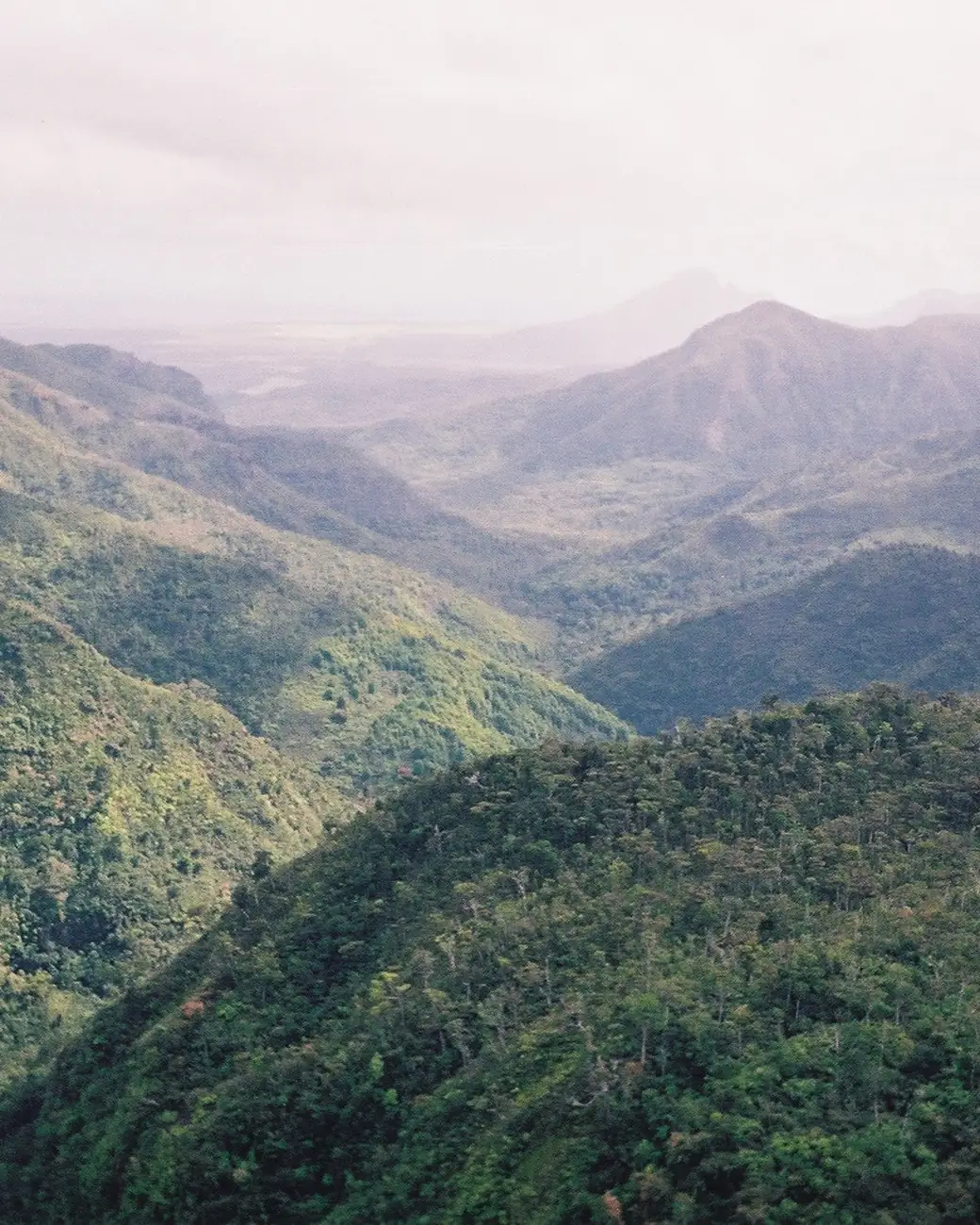
Montanhas verdes cobertas de floresta no interior das Ilhas Mauritius The garden island · The green of the Indian Ocean

First chapter

A volcanic garden in the middle of the ocean

The island was born of fire: volcanoes that rose from the Indian Ocean millions of years ago, sculpted by time into peaks of theatrical silhouette — Le Morne leaning over the sea, Pieter Both balancing a boulder on its summit, Le Pouce pointing at the sky. Between them, green takes over: cane fields, forests, tea plantations and gardens that enchanted the navigators of the 18th century.

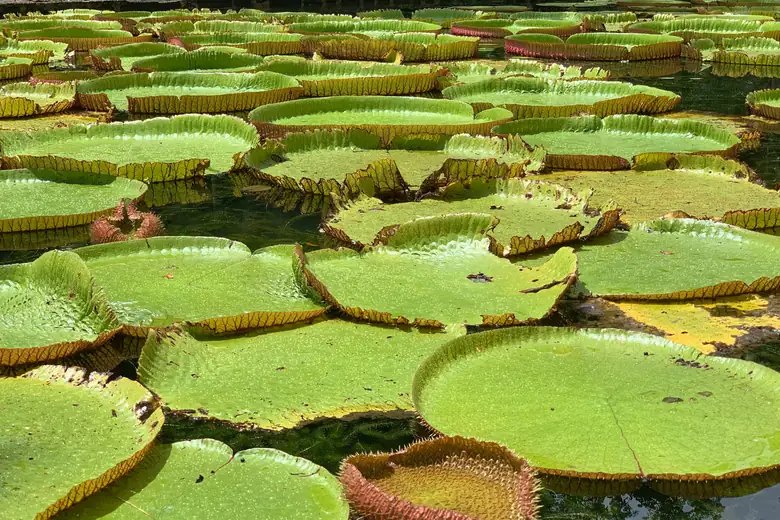
The scale is generous in just the right measure: everything fits, yet nothing is far. From any hotel you can reach the interior in under an hour — and that is where the island keeps its secrets: the red-roofed church of Cap Malheureux, the mountain lookouts, the botanical garden where giant water lilies cover the ponds. This, after all, is where the dodo lived — the bird that became the island's symbol and a reminder of how unique this corner of the world is.

  • 65 km from end to end — nothing is far
  • 1 amphitheatre of mountains guarding every bay
  • 0 stress: the whole island runs on island time
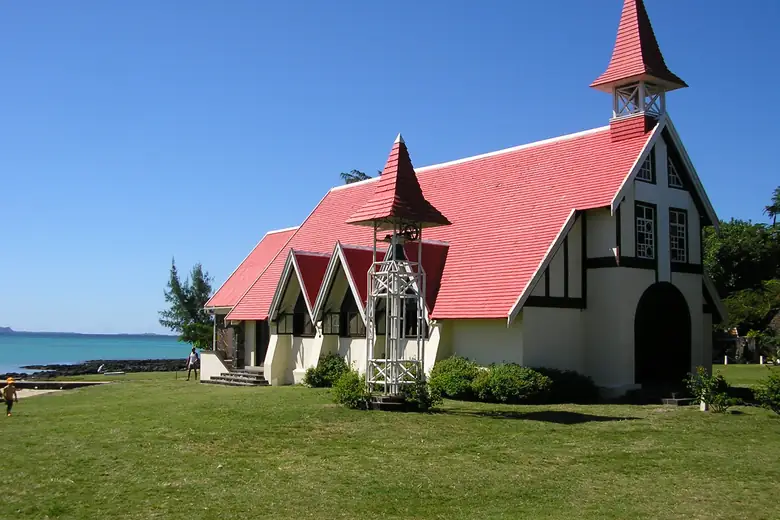
Igreja de teto vermelho de Cap Malheureux com o mar ao fundo, Mauritius
For everyone

Cap Malheureux

At the island's northern tip, the little red-roofed church became Mauritius' most famous portrait — with the northern islets dotting the blue behind it. It is a mandatory stop on the northern circuit, between beaches, fishing villages and the buzz of Grand Baie.

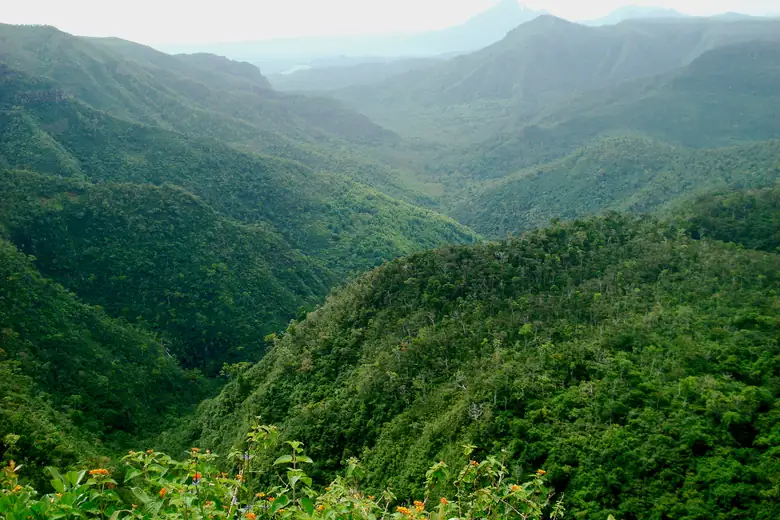
Vale verde entre as montanhas das Ilhas Mauritius
For everyone

The island's mountains

Short trails lead to lookouts that explain the whole island: from the top of Le Pouce or the Rempart range, the lagoon becomes a turquoise necklace around the green. For those who love to walk, it is the perfect counterpoint to beach days — with a guide and a car waiting at the end.

Vitórias-régias gigantes no jardim botânico de Pamplemousses, Mauritius
With children

The Pamplemousses garden

One of the oldest botanical gardens in the southern hemisphere, planted in the 18th century: avenues of palms, spices that tell the story of the Indian Ocean trade routes and the pond of giant water lilies — the photo children (and adults) never forget.

Águas turquesa e transparentes da laguna das Ilhas Mauritius The lagoon · The blue of Mauritius

Second chapter

A swimming pool the size of an island

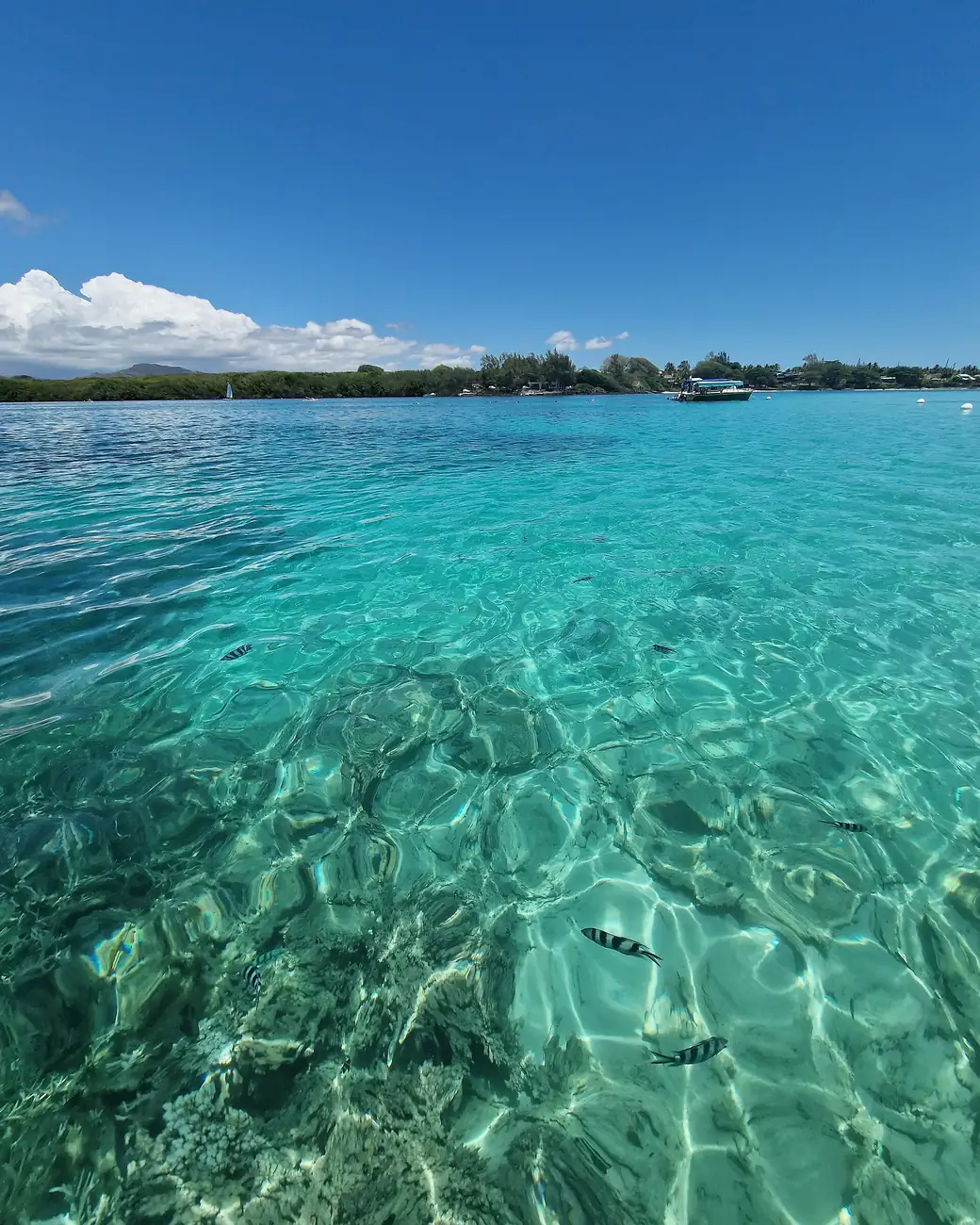
The coral reef rings Mauritius almost entirely — leaving on the inside a calm, warm, transparent lagoon that changes tone with every hour of the day. It is what makes the island's beaches feel like pools: no waves, no surprises, perfect for swimming, sailing and floating with no set time to leave.

And the blue here loves a show. In the south-west, seen from above, the lagoon draws Le Morne's famous "underwater waterfall" — an optical illusion that seems to pour the ocean into an abyss. Dolphins cross Tamarin Bay almost every morning; between winter and spring, humpback whales pass along the coast; and the right winds made Le Morne one of the most celebrated kitesurf spots on the planet.

  • Snorkelling in natural aquariums like Blue Bay
  • Catamaran — the island's absolute classic
  • Dolphins in the morning and whales in season
Catamarã navegando pela laguna turquesa das Ilhas Mauritius
For everyone

A catamaran day

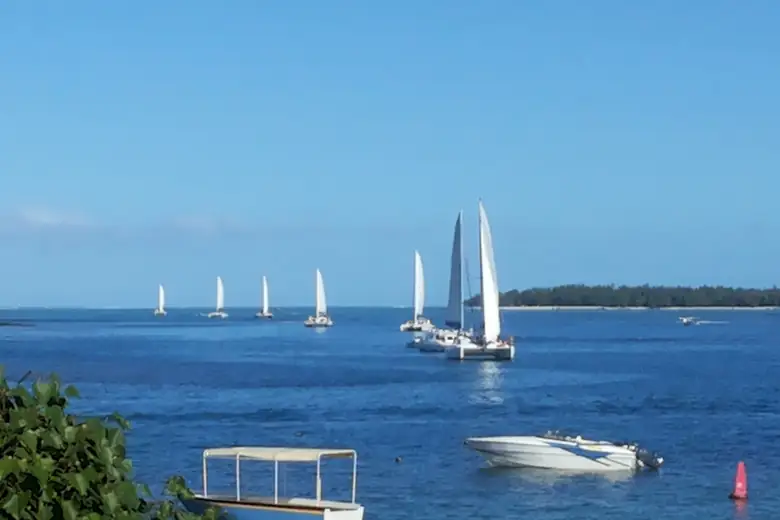
The outing that sums up the island: sailing the lagoon with snorkel stops, a grilled lunch on board and a deserted islet along the way. Shared or private, with a route designed to dodge the busy hours — we take care of that.

A Ile aux Cerfs e sua laguna vistas do alto, Mauritius
For everyone

Ile aux Cerfs

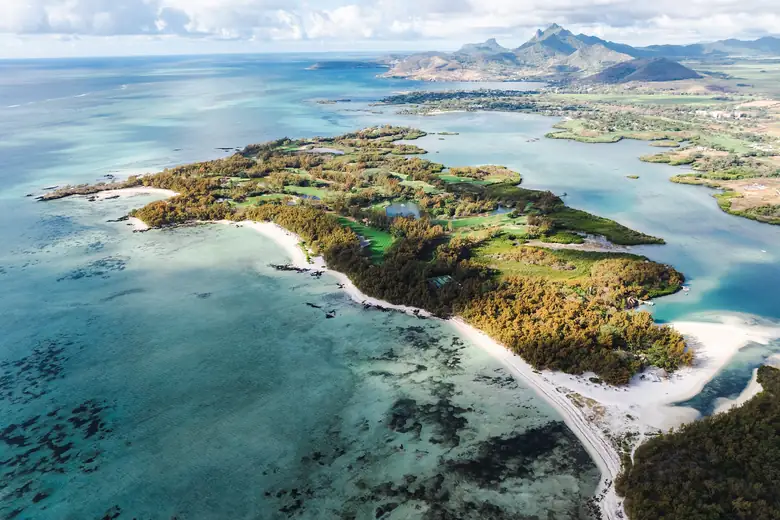
The most coveted islet of the east coast: tongues of white sand reaching into the lagoon, shallow waters that look retouched — and, for players, one of the most scenic golf courses in the world. Worth arriving early, before the scheduled boats; we know the right time.

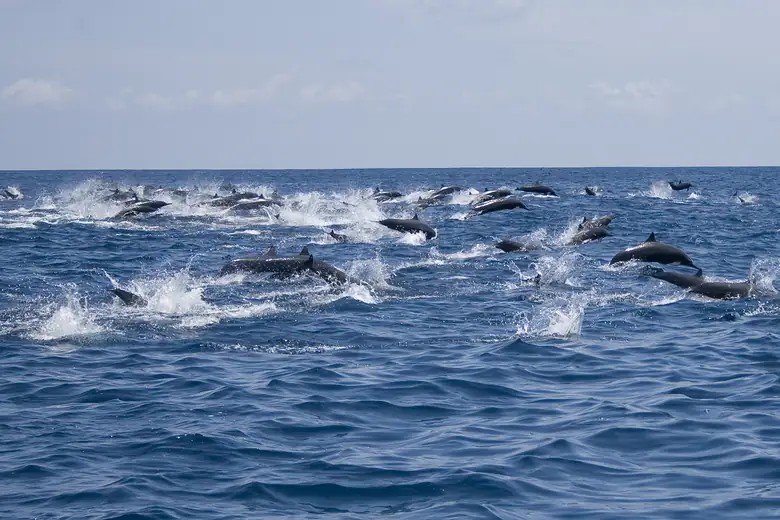
Golfinhos nadando nas águas azuis da costa de Mauritius
In season

Dolphins & whales

At dawn, spinner dolphins enter Tamarin Bay to rest — and the boats set out to meet them while the sea is still glassy. From June to October the show grows: humpback whales migrate along the west coast, visible on dedicated outings.

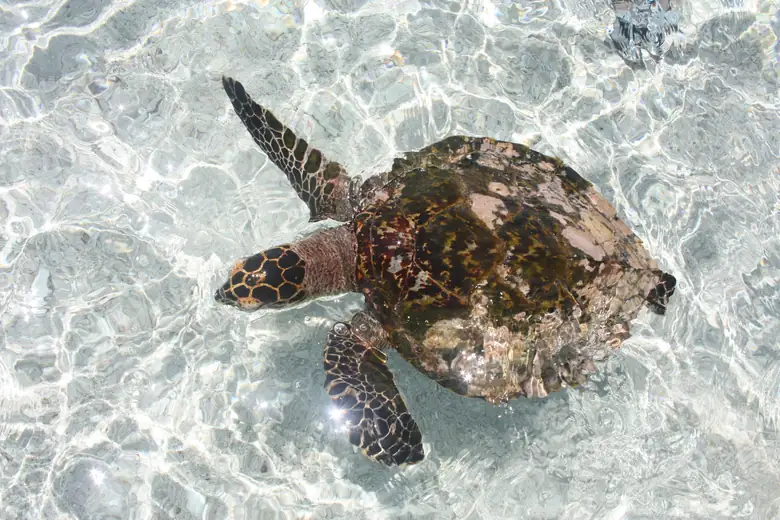
Tartaruga marinha nas águas transparentes de Mauritius
For everyone

The Blue Bay aquarium

In the south-east, the Blue Bay marine park holds the island's best snorkelling: preserved corals a few metres from the beach, multicoloured fish and water with generous visibility. For tank diving, the island adds wrecks and reefs for every level.

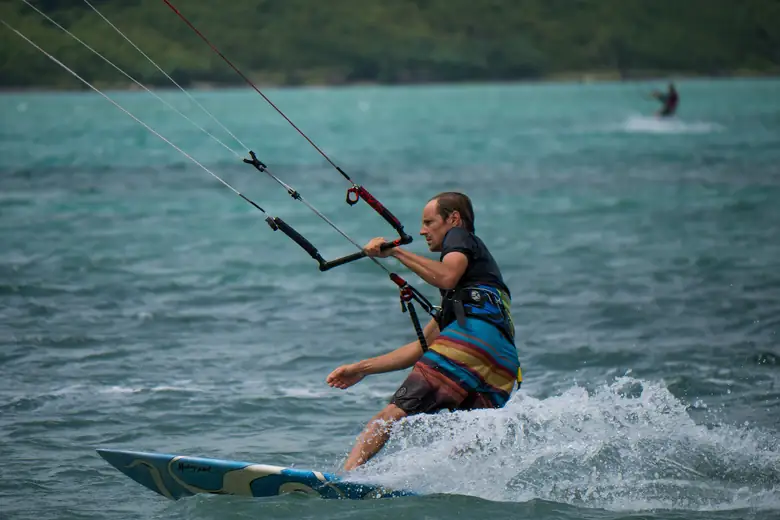
Kitesurf na laguna do Le Morne, Mauritius
Sport

The winds of Le Morne

At the foot of the sacred mountain, the Le Morne lagoon is one of the most famous kitesurf spots in the world — shallow, warm water for learning, legendary waves like One Eye for those who already fly. Local schools teach from zero to advanced, in safety.

O Le Morne Brabant e a laguna vistos do alto, Mauritius
For everyone

Le Morne, the landmark mountain

A UNESCO World Heritage site, Le Morne Brabant sheltered runaway slaves and stands today as the monument of Mauritian freedom. From the top — the guided hike leaves at first light — you see the whole lagoon and the famous underwater-waterfall illusion.

Pôr do sol dourado sobre o mar das Ilhas Mauritius

"Mauritius was made first, and then heaven — and heaven was copied after Mauritius."

Mark Twain, on visiting the island in 1896
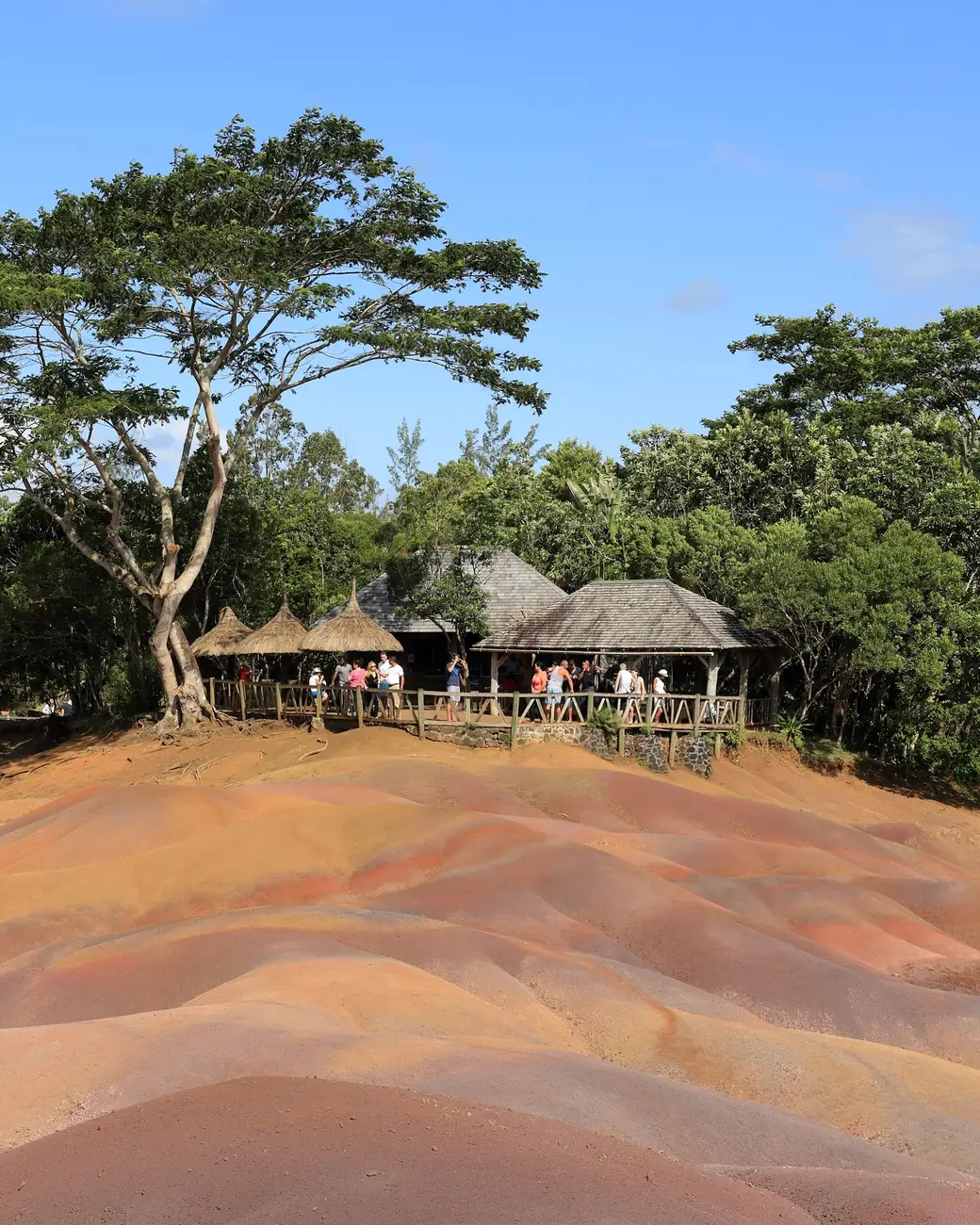
As dunas coloridas da Terra das Sete Cores de Chamarel, Mauritius The land & the table · The island's interior

Third chapter

The day you turn your back to the sea

It is the surprise no postcard delivers: the best memory of Mauritius may be born far from the beach. In the hills of Chamarel, dunes of volcanic earth ripple in seven colours that never mix — a unique geological phenomenon, neighbour to a hundred-metre waterfall. Right next door, the Black River Gorges national park keeps the island's last native forest.

And then there is the table. Heir to four cuisines — Indian, Creole, Chinese and French —, Mauritius eats well at every altitude: street dholl puri in Port Louis, fish rougaille by the beach, estate rum aged at the distillery, tea from the southern plantations served with a view. We design this route of flavours with the same care we give the hotels.

  • 7 colours in the same dune, at Chamarel
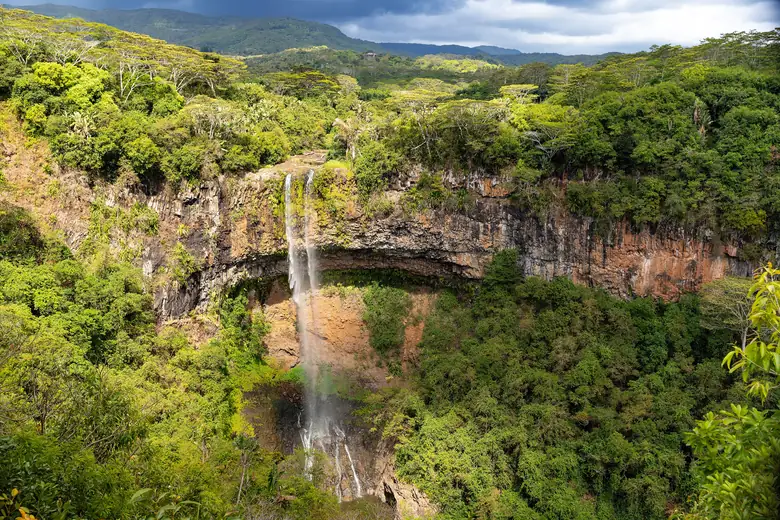
  • 100 m of free fall at Chamarel waterfall
  • 4 cuisines in one — and no meal repeated
A cachoeira de Chamarel despencando na floresta, Mauritius
For everyone

Chamarel, the hill of surprises

One outing combines the Seven Coloured Earths, the hundred-metre waterfall and the park's giant tortoises — with a Creole lunch at a restaurant with open views over the coast. It is the island's classic inland day, and it deserves a guide who tells the story properly.

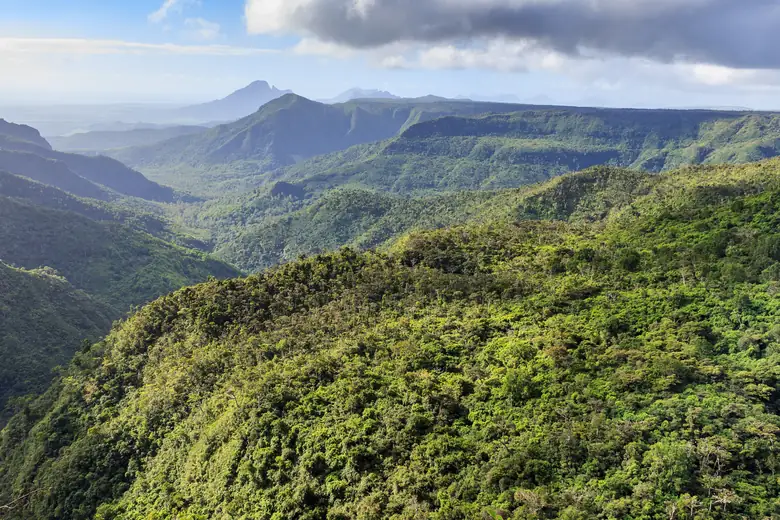
Mirante sobre as Gargantas do Rio Negro, parque nacional de Mauritius
Nature

Black River Gorges

The island's largest national park protects what remains of the original forest: dizzying lookouts, waterfalls plunging between hills and trails where species that exist nowhere else still fly — like the Mauritius kestrel and the pink pigeon, saved from extinction at the last minute.

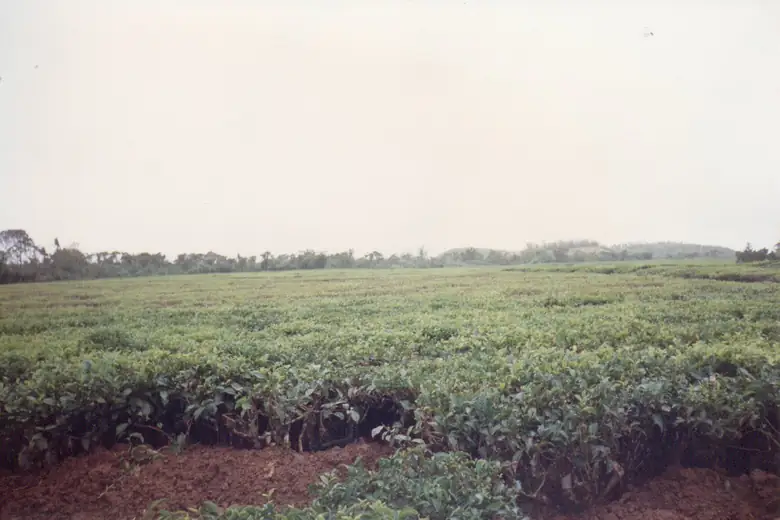
Plantações de chá do sul de Mauritius
Flavours

The tea and rum route

On the southern plateau, the tea route crosses plantations and a century-old factory, with tastings overlooking the fields. Down the hill, the Chamarel distillery shows how sugarcane — which shaped the island's history — becomes award-winning agricole rum. Best with a driver.

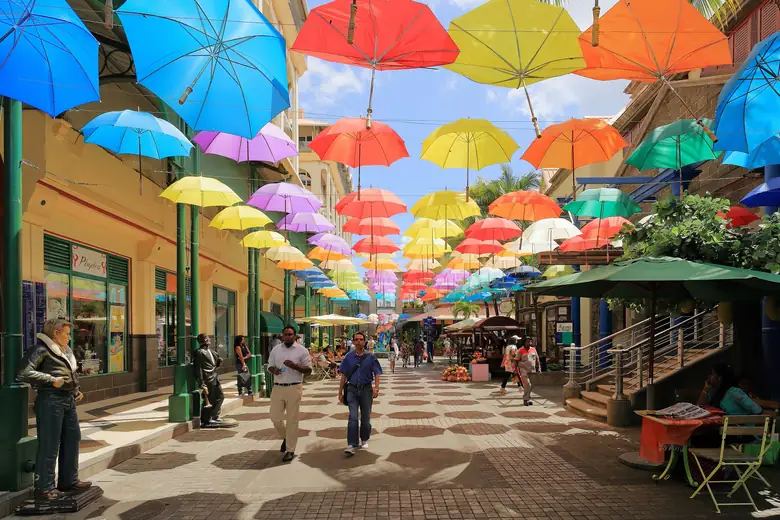
Rua coberta de guarda-chuvas coloridos no centro de Port Louis, Mauritius
Culture

Port Louis, the capital

Half a day well spent: the central market with its pyramids of fruit and spices, the Aapravasi Ghat — a UNESCO site telling the story of the workers who came from India —, Chinatown and the old Champ de Mars racecourse, one of the world's oldest.

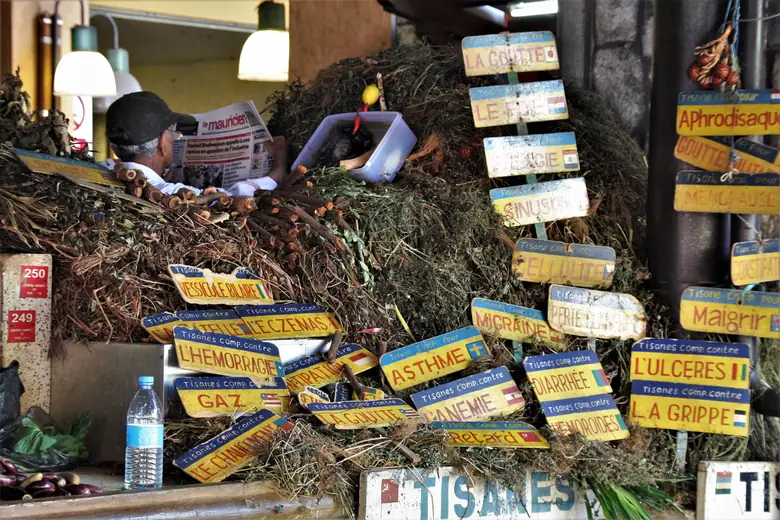
Barraca de ervas e temperos no mercado, Mauritius
Flavours

The Mauritian table

From dholl puri eaten on the pavement to a chef's dinner overlooking the lagoon, the island is one of the Indian Ocean's gastronomic secrets. We book the right tables — including the in-hotel experiences that, at the best houses, are worth the trip in themselves.

Fim de tarde na praia de Mauritius, o clima da sega
Culture

Sega at nightfall

Born in the slave quarters and sung in Creole, sega is the island's musical soul — the ravanne drum, swirling skirts and contagious joy. On the right nights it happens on the beach, barefoot, the way it should be. UNESCO recognises it as intangible heritage.

Praia de areia clara e águas turquesa numa das costas de Mauritius The coasts · Which one is yours?

Fourth chapter

Choosing the right corner of the island

North, east, west, south: four coasts, four different islands. The choice sets the tone of the trip — the sea you will see from your balcony, the late-afternoon light, the distance to the outings and even the wind that blows on your beach in each season.

It is a decision we make together with you, weighing occasion, season and style — before we even talk hotels. And, since distances are short, there is always the option of splitting the stay between two coasts and having two trips in one.

  • 4 coasts with personalities of their own
  • 2 coasts in a single trip, if it makes sense
  • 1 choice that changes everything: made together
Praia animada da costa norte de Mauritius
Lively

The north

Calm seas all year round, gentle-water beaches like Trou aux Biches and the life of Grand Baie minutes away — restaurants, shops, marinas. It is the coast for those who like to step out of the hotel and have options — and the classic base for exploring the northern islets.

Laguna de cartão-postal da costa leste de Mauritius
Postcard

The east

The most photogenic lagoons and the beaches of Belle Mare, with Ile aux Cerfs on the doorstep. It is the coast of the great flagship resorts and of sunrises over the sea — breezier in winter, which lovers of the outdoors appreciate.

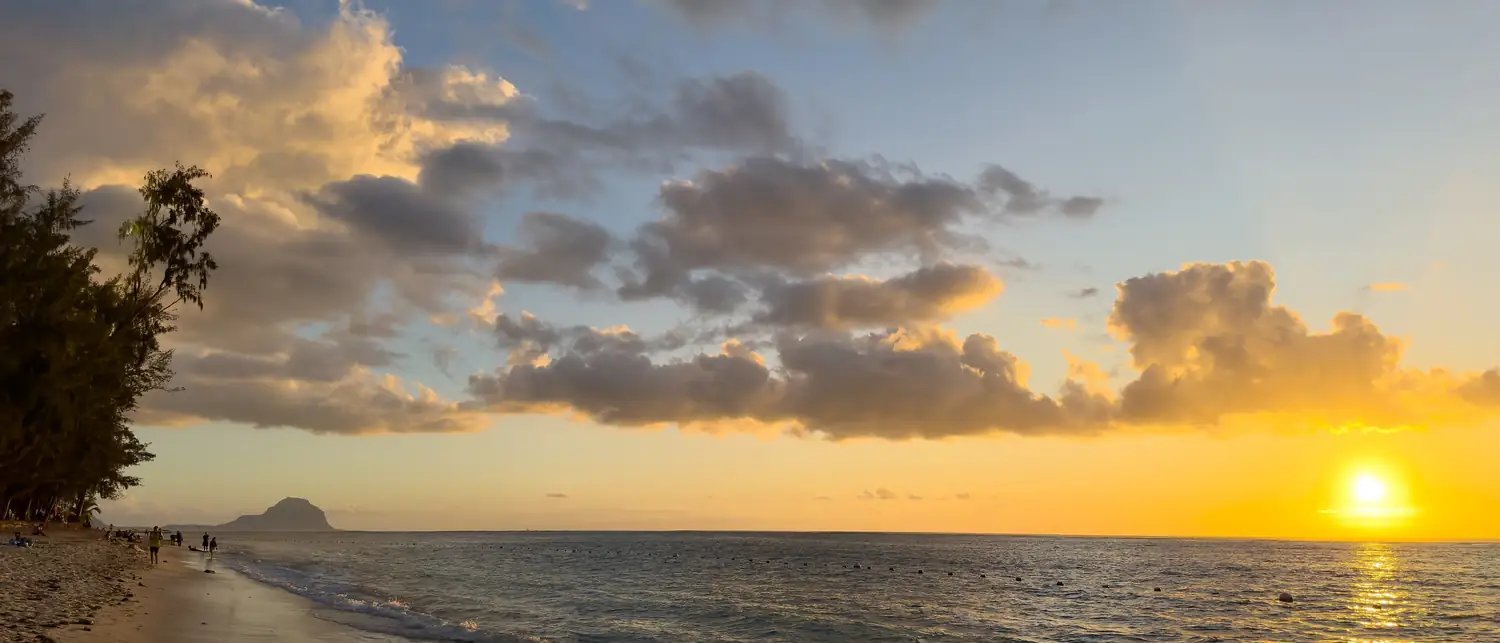
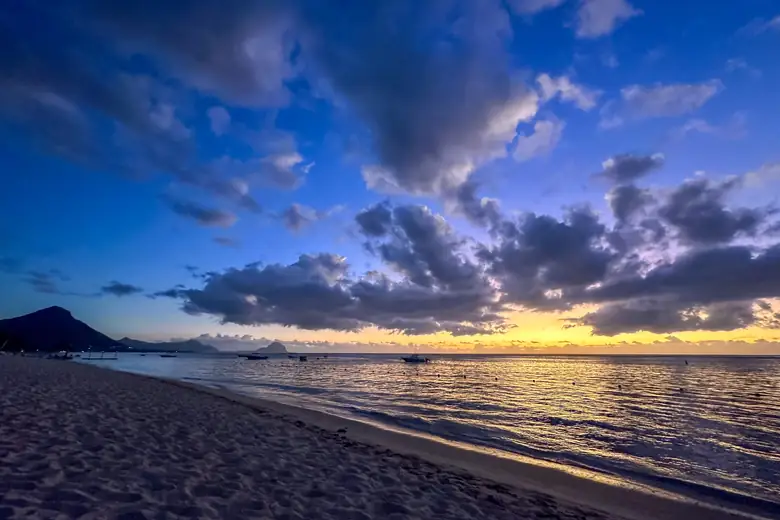
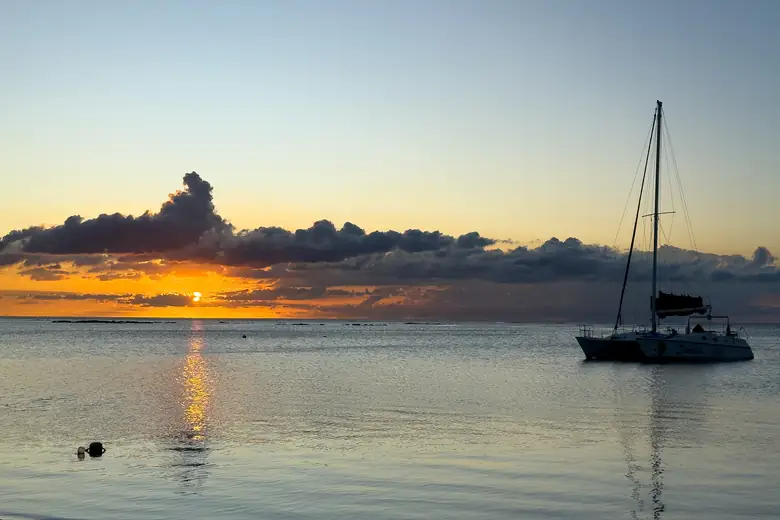
Pôr do sol na costa oeste de Mauritius, perto de Flic en Flac
Sunsets

The west & south-west

The coast sheltered from the wind: the sunsets of Flic en Flac and Tamarin, dolphins at dawn, Le Morne closing the horizon. It gathers long beaches, mountain and sea in the same frame — and the world's kitesurf mecca for those who travel chasing wind.

Falésias e mar aberto da costa sul selvagem de Mauritius
Wild

The south

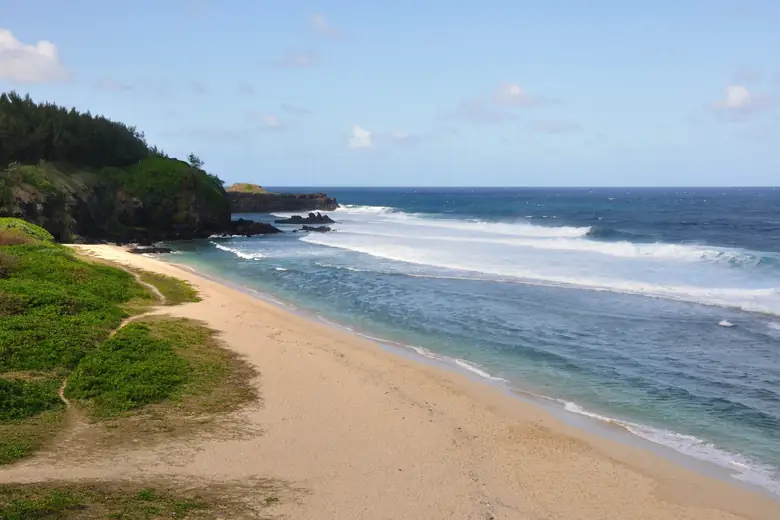
The island before the hotels: cliffs where the sea hits without a reef, as at Gris Gris, villages that never changed pace and nature reserves in the hills. In Bel Ombre, a strip of elegant resorts lives between the lagoon and the forest — the refuge of those who want silence.

Day by day

How the week takes shape

A one-week skeleton to give measure and rhythm — in Mauritius, any day can be swapped for another. Length, pace and experiences are always adjusted to you.

Day 1

The arrival

Airport welcome and a private transfer across the green island to the hotel — cane fields and mountains through the window. Late afternoon to try out the lagoon and the first sunset with your feet in the sand.

Private transferCheck-in
Day 2

The beach at your pace

A morning to explore the hotel and the beach: the warm lagoon, the beach club, the non-motorised water sports usually included. In the afternoon, spa or absolutely nothing — the first full day on island time.

LagoonFree day
Day 3

The day of the blue

A catamaran across the lagoon — snorkelling in transparent water, grilled lunch on board and an islet on the way, like Ile aux Cerfs in the east or the northern islets. The absolute Mauritius classic, shared or all yours.

CatamaranSnorkelling
Day 4

The hill of seven colours

An inland day, with car and driver: the Seven Coloured Earths and the Chamarel waterfall, the lookouts of the Black River Gorges and a Creole lunch with a view. On the way back, a stop at Le Morne for the end of the afternoon.

ChamarelLe Morne
Day 5

To each their own

Golf on a course overlooking the lagoon, a kitesurf lesson at Le Morne, tank diving, a couples' spa — or one more perfect beach day. It is the wildcard day, designed around what each traveller loves.

GolfKitesurf
Day 6

The island from within

A morning in Port Louis — central market, Chinatown, Aapravasi Ghat — and an afternoon in the north: the Pamplemousses garden, the little church of Cap Malheureux and a late afternoon in Grand Baie. The real island, with a guide who knows it by name.

Port LouisThe north
Day 7

The open-sea day

An early start to meet the dolphins of Tamarin — and, in season, the humpback whales offshore. At night, the farewell dinner: a table on the sand, torches lit and sega playing in the background.

DolphinsDinner on the beach
Day 8

Until the next island

A last swim in the lagoon, an unhurried breakfast and the airport transfer coordinated with your international flight. The suitcase returns with rum, tea and vanilla — and your beach standards recalibrated.

TransferFlight home
This itinerary is a starting point, not a package. Some stay five nights, some stay twelve; some split the stay between two coasts, others add a South African safari or a Dubai stopover on the way. The final design is always drawn up together — and without hurry.

Gallery

What you will see

Click any image to enlarge.

How we travel

What changes when the trip is designed

Mauritius looks simple — a flight, a resort — but it is made of choices that define the trip: the coast, the hotel, the room category, the meal plan, the route of the outings. All of it is settled before you board.

The right coast, not the most famous

We know the coasts and the hotels personally and we know what the photos don't tell: where the wind blows in each season, which beach has the best swimming lagoon, which hotel truly welcomes children. The choice is born from your profile — never from a ranking.

Flights and connections without surprises

There is no direct flight from Brazil — the way runs through hubs like Johannesburg, Dubai or Paris, and how the connections fit changes how tired you arrive. We design the route, the seats and the connection times so the trip starts well before the island.

The exact room

In the same hotel, two categories can make for different trips: beachfront or garden, high floor or direct access to the sand, new wing or classic. We request the right room for the occasion — and we tell you when the upgrade is worth it and when it is not.

Meal plans without traps

Half board, full board or all-inclusive? In Mauritius the answer depends on the coast and on your style — near Grand Baie it pays to dine out; in a southern hideaway, the full plan makes sense. We calculate what serves your trip best.

Paperwork solved

Passport validity, the international yellow-fever certificate — mandatory when departing from Brazil —, travel insurance guidance. Mauritius' bureaucracy is small, and it reaches you pre-digested, in simple steps.

24/7 support

From boarding in Brazil to the return, a team follows the whole trip. Any hiccup — a flight, a connection, a special request at the hotel — is solved with a message, in your language.

Where to stay

Three ways to live on the island

Mauritius is one of the great territories of luxury hotelkeeping — legendary brands were born here. We work with a short selection of houses we know and trust, organised by style. The final choice is always designed with you.

Grand classics

The flagship resorts

The houses that made the island's name: private beaches on generous lagoons, award-winning spas, signature dining and service that greets guests by name. Many with real kids' clubs — luxury that works for couples and families alike.

  • East coastPostcard lagoons
  • North coastCalm seas all year
Hideaways

Boutique & nature

Smaller, more personal houses, many between the lagoon and the forest — in the preserved south or at the foot of Le Morne. For those who want silence, design and the feeling of having discovered a secret the rankings haven't told yet.

  • South & south-westBetween lagoon and hills
For families or groups

Private villas

Beach villas with pool, chef and dedicated staff — the dream holiday house, with a hotel's services behind it. The right format for big families, groups of friends and celebrations that call for an address of your own.

  • Across the islandWith chef & concierge

Before you go

The essentials, without fine print

Practical information for those starting to think about the trip.

When to go

The island sits in the southern hemisphere, like Brazil — but the tropical climate softens everything: you can travel all year round, choosing the season by what you want from the trip.

May–OctoberThe Mauritian "winter": dry, mild days of 18 to 25°C. Cooler seas, a breezier east coast — and humpback whale season.
November–AprilSummer: heat, warm seas and the island at its greenest. Passing showers; between January and March there is a possibility of cyclones.
The sweet spotSeptember and October combine the best of both worlds: settled weather, good seas, a quiet island — before the heat and the year-end holidays.
Wind & kitesurfFor sailing and kiting, the ideal winds blow from June to October — Le Morne's high season.

Documents and vaccination

Brazilians do not need a visa in advance for tourism: the free entry permit is issued on arrival for stays of up to 90 days. Passports must be valid for at least six months from arrival.

For travellers departing from Brazil, the international yellow-fever vaccination certificate is mandatory, with the vaccine taken at least ten days before the trip. We check the updated requirements and walk you through the steps before departure.

Time zone, languages and money

The island is seven hours ahead of Brasília — arrival calls for a gentle landing day. English is the official language and French is everywhere; among themselves, Mauritians speak Creole. In the hotels, service moves between the three effortlessly.

The currency is the Mauritian rupee, but euros and cards solve almost everything — in the resorts, expenses go to the room account. A charming, practical detail: here you drive on the left, a British inheritance — one more reason to travel with a driver.

Getting there and what to book early

The way there: there is no direct flight from Brazil. The best routes connect through Johannesburg — from there it is about four hours' flying — or through the hubs of Dubai, Paris and Istanbul. How the connections fit is the part we design most carefully.

The booking clock: the beachfront rooms of the best houses sell out months ahead for the holidays and New Year — and the villas with chef, earlier still. The sooner we start, the better the island we secure for you.

To add on

To make the trip even more yours

Layers that fit naturally into a week in Mauritius.

01

Safari & beach

The Indian Ocean's classic pairing: a week of safari in South Africa and another of lagoon in Mauritius — the adrenaline of the savannah followed by the perfect rest. The Johannesburg connections make the match a natural one.

02

Two coasts, two islands

Split the stay between the postcard east and the mountain south-west — or between the lively north and the silent south. Short distances turn the switch into an outing, and the trip doubles its repertoire.

03

Golf with lagoon views

The island is one of the Indian Ocean's great golf destinations: championship courses drawn between lagoon and mountain, including the scenic layout of an entire islet devoted to the game. Green fees and tee times, already sorted.

04

Honeymoons & celebrations

Dinner for two on a deserted stretch of beach, a photo session in the lagoon, a vow renewal with sega in the background. Mauritius is one of the world's most celebrated honeymoon destinations — and we know where each moment shines brightest.

05

A wellness retreat

Award-winning spas with multi-day programmes, sunrise yoga facing the Indian Ocean, therapies blending the traditions of India and the island. To turn a beach week into a complete reset.

06

A day on a yacht

A private catamaran or yacht stitching together lagoons, islets and snorkel spots the scheduled boats never reach — with lunch on board and the anchor dropping wherever the water looks best. Sunset on deck closes the day.