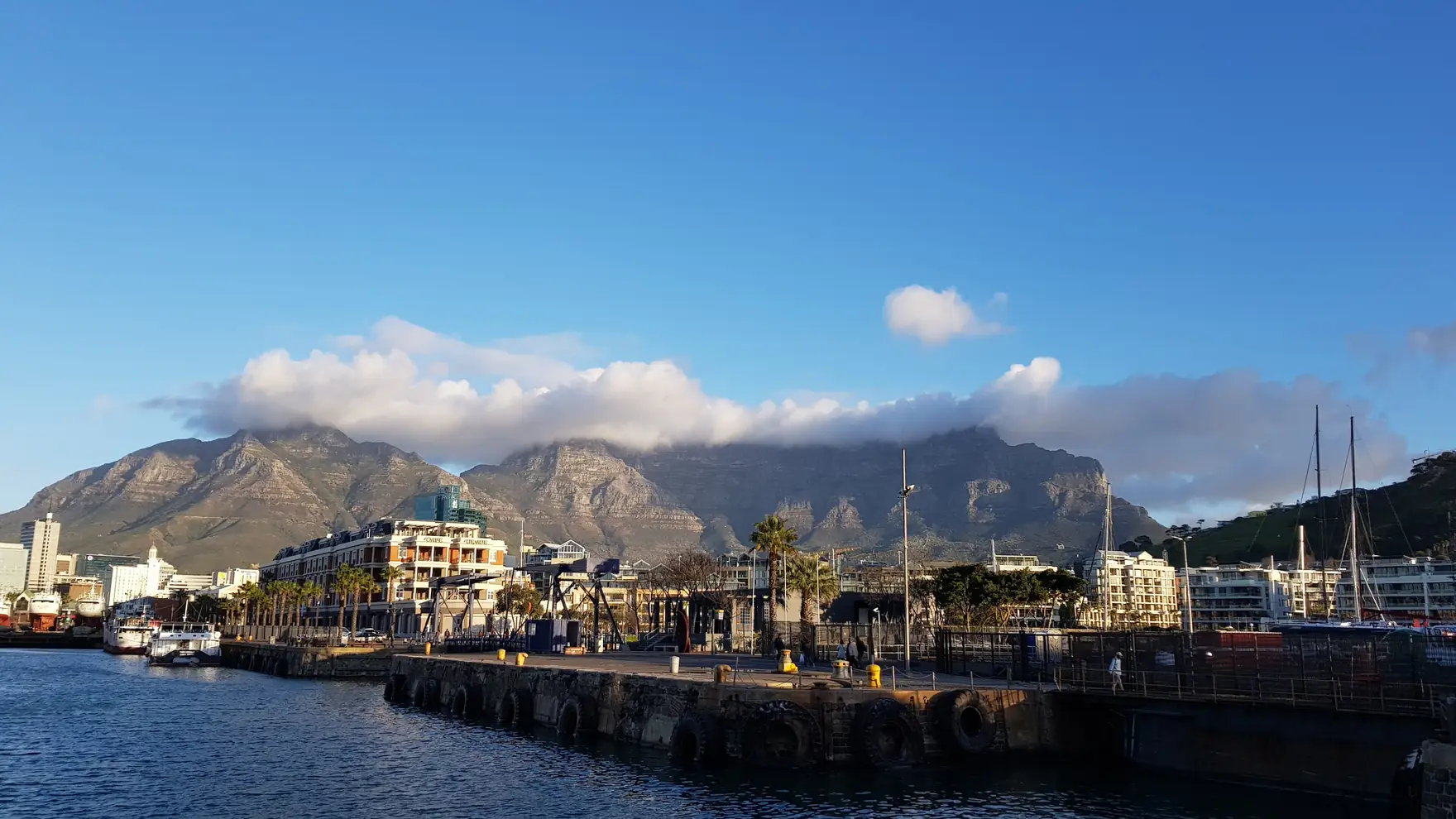
O Waterfront da Cidade do Cabo ao entardecer, com a Table Mountain ao fundo

South Africa · From the Cape to the savanna

The city, the wine
and the savanna

Very few places on Earth fit so many journeys into one: a city squeezed between a mountain and two oceans, vineyards with over three centuries of history, and the savanna where the Big Five still call the shots. All in one country — and all designed tailor made.

2oceans — the Atlantic and the Indian — on the same itinerary
1,086 mof Table Mountain leaning over the city
5the Big Five, seen from the seat of an open safari vehicle
100%tailor made — city, winelands and savanna at your own pace

The destination

A country that is
a whole world

South Africa is that rare destination that never makes you choose. A single trip holds a cosmopolitan city at the southern tip of the continent, white-sand beaches, mountains that end in the sea, award-winning wines — and, a short flight away, the savanna of the great documentaries, with lions, elephants and leopards going about their day.

In the Cape, old and new get along effortlessly: the heritage of the Dutch, the English, the French and the African peoples shows in the architecture, in the colours of Bo-Kaap, on the table and in the glass. It is a joyful, creative city surrounded by natural beauty on every side — you can taste a world-class wine at noon and watch the sun sink into the ocean an hour later.

And then the journey changes its very nature: the hotel becomes a lodge, the sea becomes savanna, and the alarm clock becomes the ranger's call before dawn. That contrast — city, winelands and wildlife in sequence — is what makes South Africa one of the most complete journeys on the planet. Getting the sequence right is exactly what we do.

Safari & Big Five Wine & food Beaches & mountains Families Honeymoon Culture & design

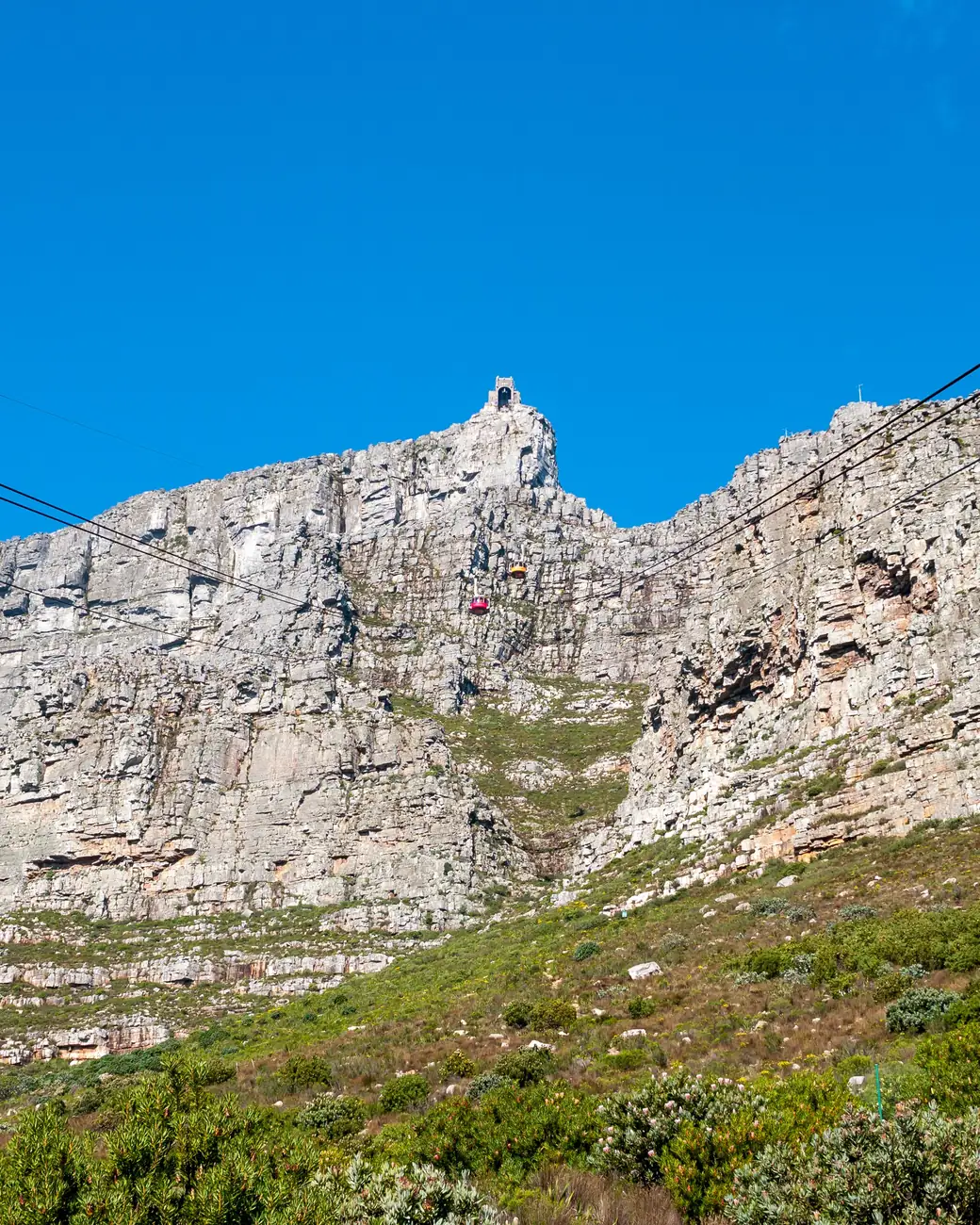
A Table Mountain e o bondinho vistos da base, na Cidade do Cabo The city · Cape Town

First chapter

A city between the mountain and two oceans

Few cities in the world enjoy a setting like this: Table Mountain — the 1,086-metre plateau locals nicknamed the "tablecloth" when clouds roll over it — tumbles down over colourful neighbourhoods, a charming harbour and postcard beaches. Cape Town is cosmopolitan and laid-back at once, and it wins you over by the first sunset.

Cultural diversity is everywhere: in Bo-Kaap and its technicolor houses, in the markets and galleries, in the Victoria & Alfred Waterfront — the old docks turned into one of the country's most pleasant outings — and in a food scene that keeps collecting international awards. It is the perfect base for the first chapters of the trip: everything that follows starts less than an hour away.

  • 1,086 m up to Table Mountain's plateau, by rotating cable car
  • 2 oceans framing the peninsula
  • 4 centuries of cultures crossing in the architecture and at the table
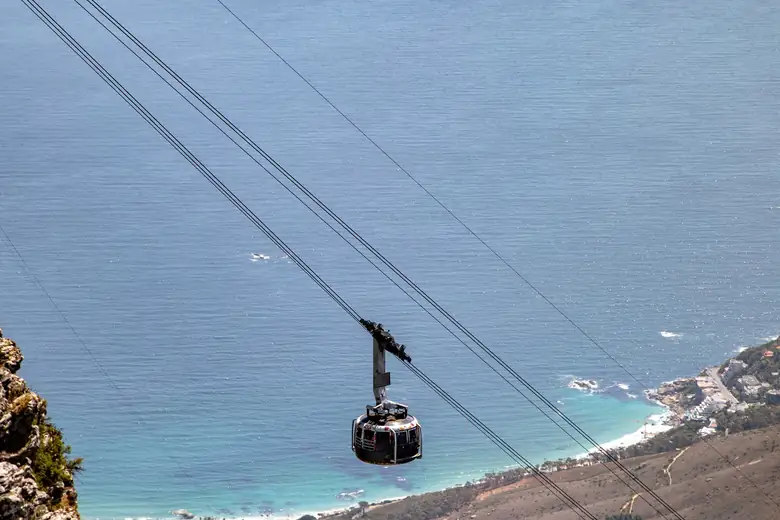
Bondinho subindo a Table Mountain, na Cidade do Cabo
For everyone

Table Mountain

The cable car rotates 360° on the way up, and at the top the plateau becomes a natural lookout over the city, the sea and the entire peninsula. Voted one of the New Seven Wonders of Nature — and the best first outing of the trip, ideally on a clear-sky day, which we help you pick.

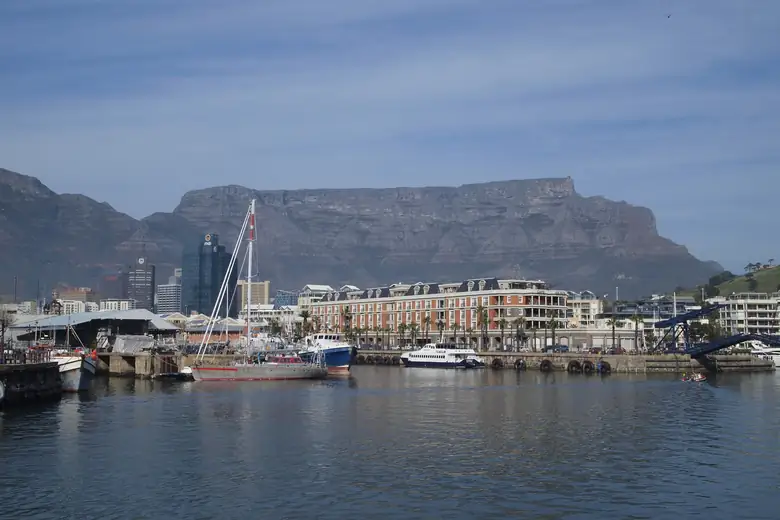
O porto do Victoria & Alfred Waterfront, com a Table Mountain ao fundo
With kids

V&A Waterfront

The old docks became an open-air promenade: quays, bistros, craft markets and live music, all linked by pedestrian walkways. It is also home to the Two Oceans Aquarium, with sharks, rays and penguins from the South African coast — a guaranteed hit with the little ones.

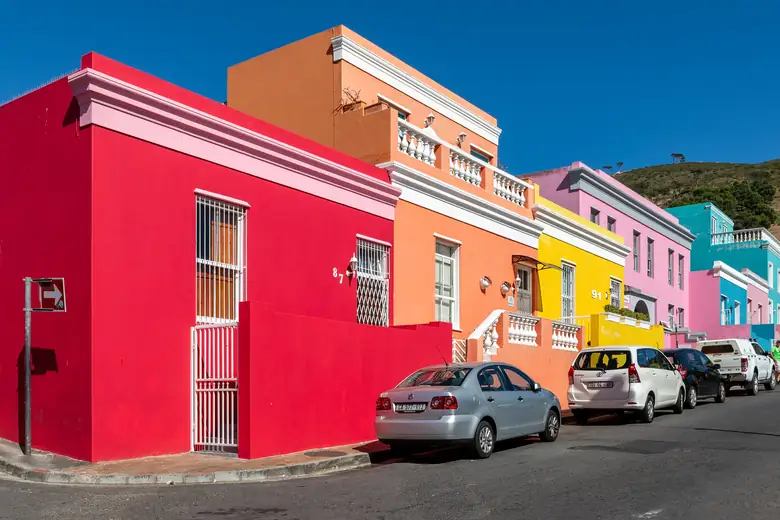
Casas coloridas do bairro Bo-Kaap, na Cidade do Cabo
The city's soul

Bo-Kaap & the Cape table

The country's most photogenic neighbourhood — houses in pink, turquoise and yellow, the heritage of the Cape Malay community — sums up the city's spirit: living history and plenty of colour. From there to the table: Cape Town is now one of the great food destinations of the southern hemisphere.

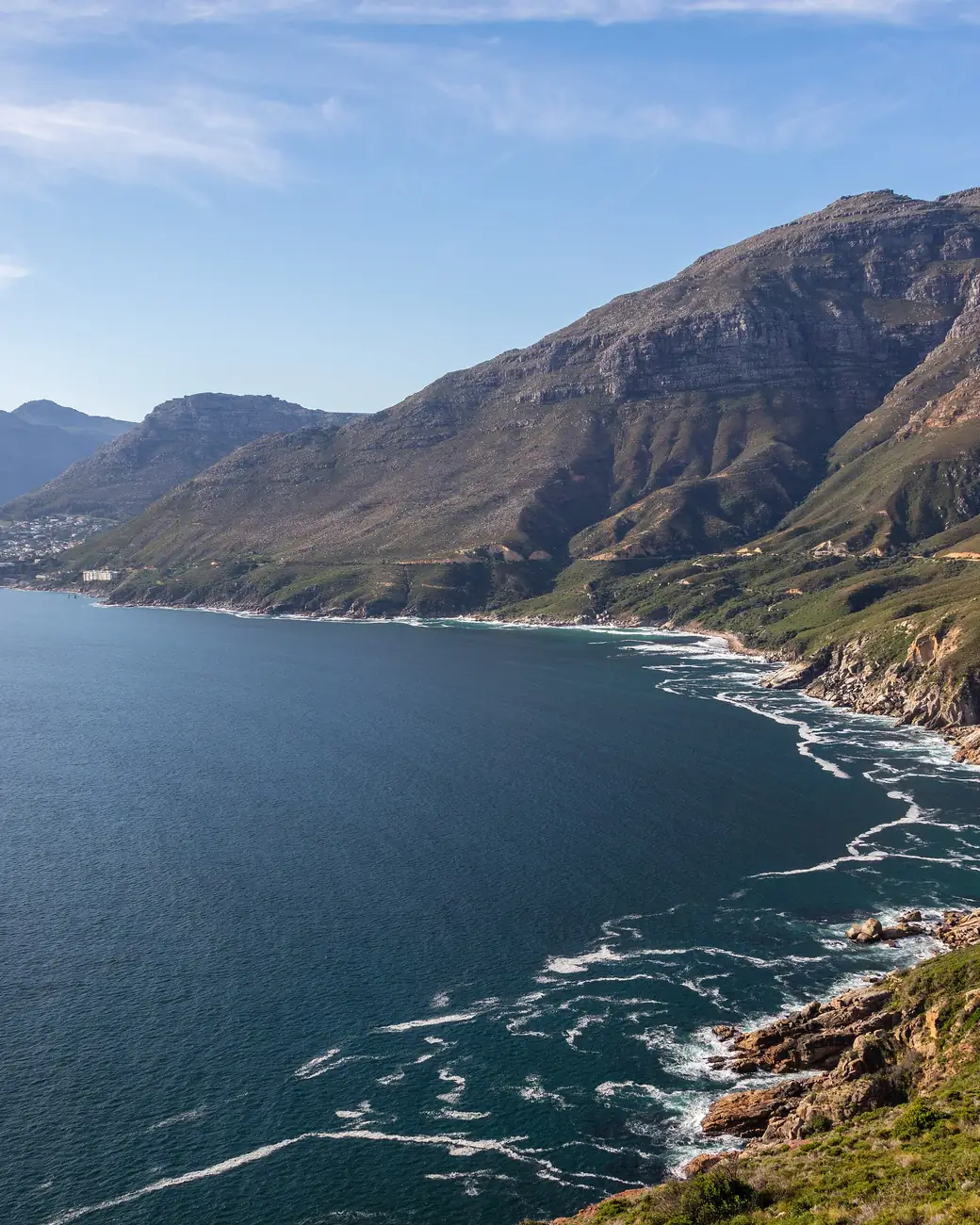
As montanhas da Península do Cabo caindo no oceano, perto de Hout Bay The peninsula · The end of the continent

Second chapter

The day the road steals the show

Leaving the city along the Atlantic coast, the road passes the white sands of Clifton and Camps Bay and threads along the cliffs to the end of the continent. It is one of the most beautiful drives in the world — and every bend calls for a stop: deserted beaches, fishing villages, lookouts leaning over the blue.

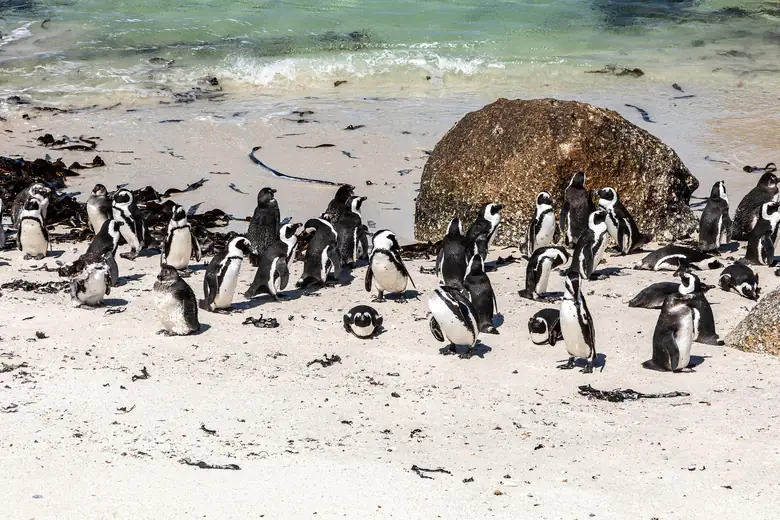
Along the way, the African penguin colony at Boulders Beach — one of the very few places on the planet where you walk among them — and, at the end, the Cape of Good Hope Reserve: more than 7,700 hectares of hills, trails and untouched beaches, with the Cape Point lookout facing the meeting of the Atlantic and the Indian oceans.

  • 7,700 hectares in the Cape of Good Hope Reserve
  • 1 colony of African penguins steps from the road
  • 2 postcard beaches right out of town: Clifton and Camps Bay
Pinguins africanos na areia de Boulders Beach
With kids

The penguins of Boulders Beach

Among giant granite boulders, an entire beach taken over by African penguins — waddling across the boardwalks, sunbathing and swimming metres from visitors. It is the moment the whole family turns into children; few photos of the trip pay off as much.

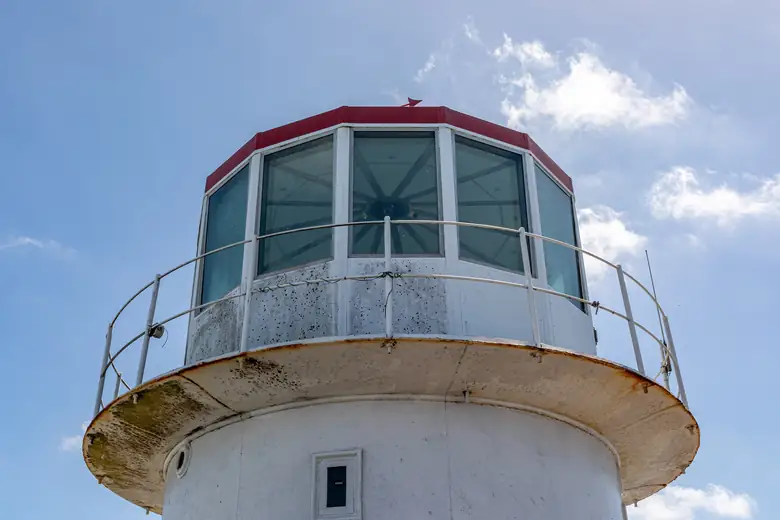
O farol de Cape Point sobre os penhascos da península
For everyone

Cape of Good Hope

The promontory that haunted navigators for centuries is now a national park of trails, ostriches, antelope and breathtaking lookouts. From the top of Cape Point the feeling is literal: the continent ends here, and the sea runs on to Antarctica.

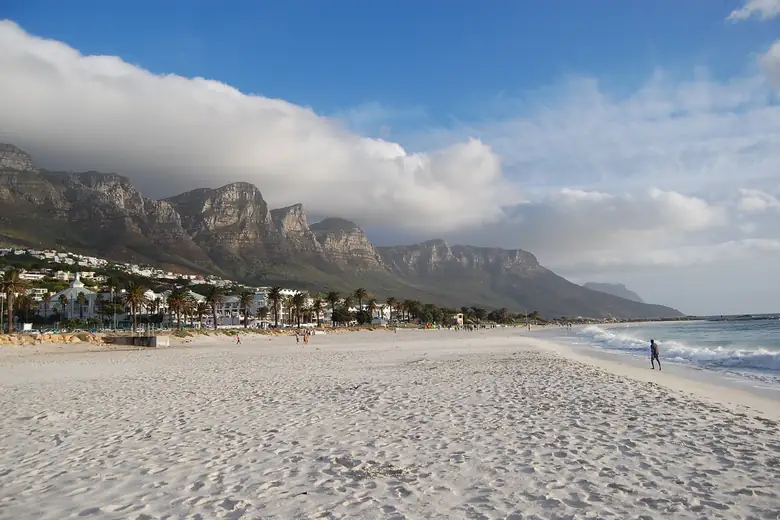
A praia de Camps Bay com os Doze Apóstolos ao fundo
For everyone

Clifton, Camps Bay & the coast

The country's most glamorous beaches, with the Twelve Apostles range as a backdrop — pale sand, blue water and a strip of cafés and restaurants to stretch the late afternoon. In summer, the sunset here is the city's daily event.

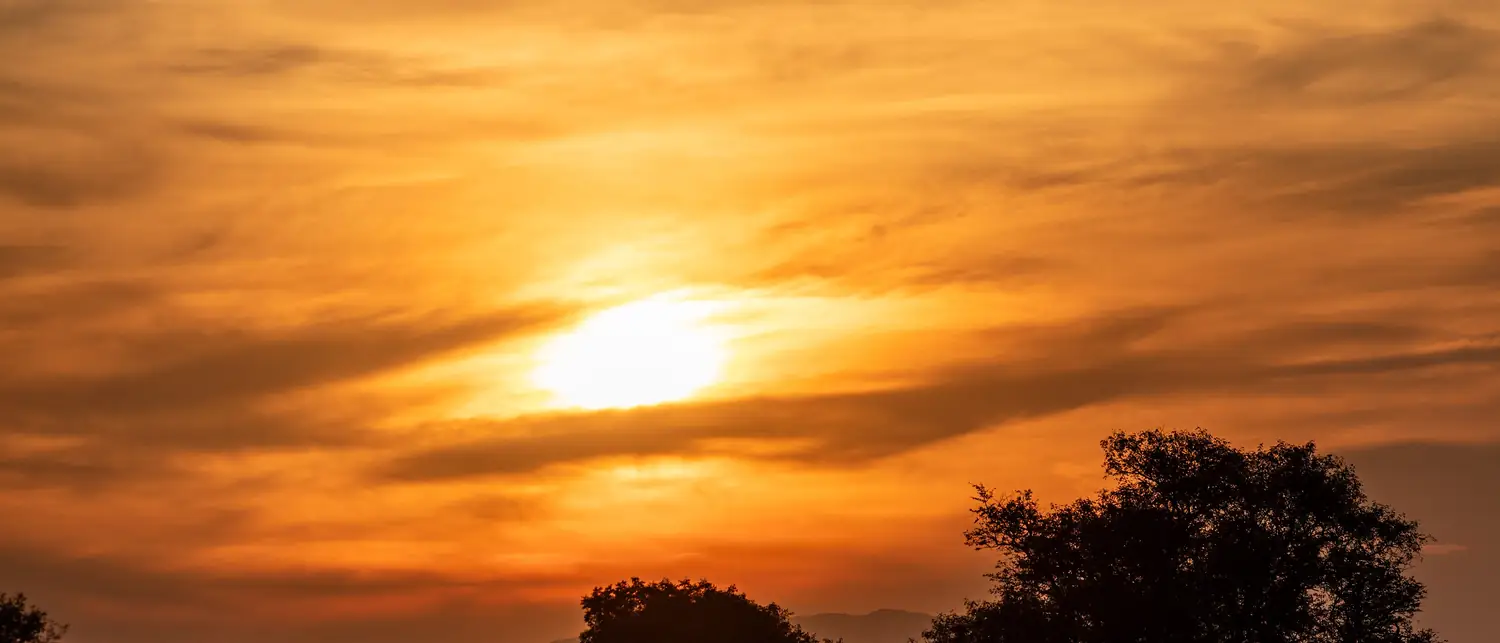
Pôr do sol dourado sobre a savana sul-africana

There is a moment, on your first safari, when the engine switches off and the whole savanna carries on the conversation. That silence is when Africa wins you over for good.

From the Cape to the savanna, everything designed tailor made
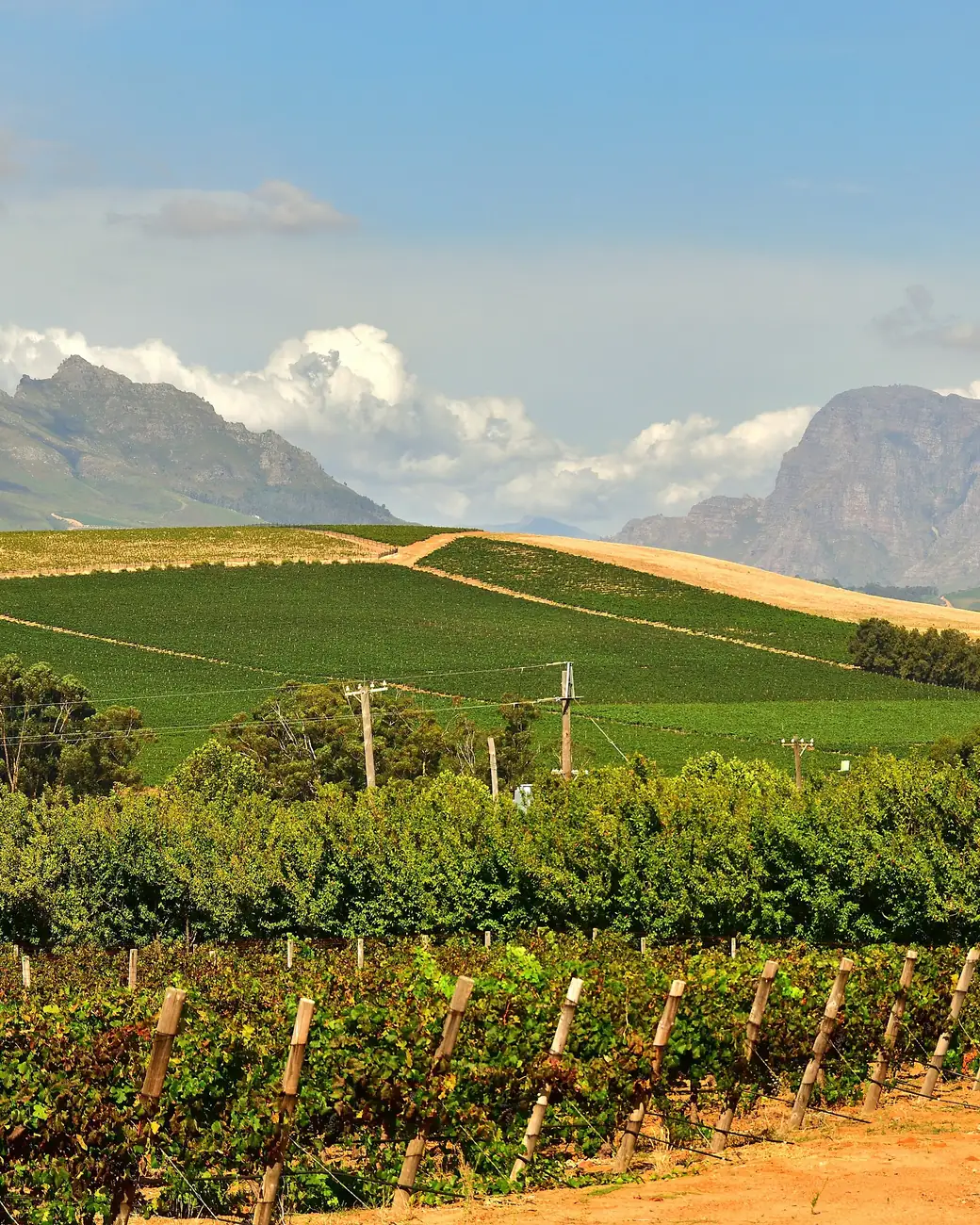
Vinhedos das montanhas do Cabo, na região de Stellenbosch The winelands · Stellenbosch & Franschhoek

Third chapter

Vines with more than three centuries of history

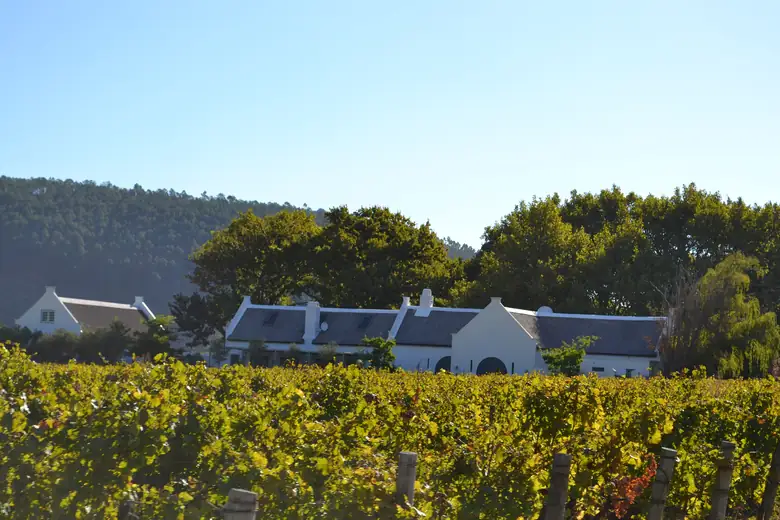
An hour from the city, the valleys are covered in vineyards framed by mountains — and the clock slows down. The Cape has been making wine since 1659, which makes this the oldest wine region of the New World; the historic Cape Dutch farms, with their white façades and ornate gables, are still in full production.

Stellenbosch, the country's second-oldest town, keeps streets of museums, galleries and century-old oaks; Franschhoek, founded by French Huguenots in the 17th century, became South Africa's food capital — award-winning restaurants amid the vines, memorable tastings and, for the kids, even chocolate pairings. A full day that tends to make the trip's list of favourites.

  • 1659 — the first recorded harvest at the Cape
  • 2nd oldest town in the country: Stellenbosch
  • 1 living French heritage: Franschhoek, the "French corner"
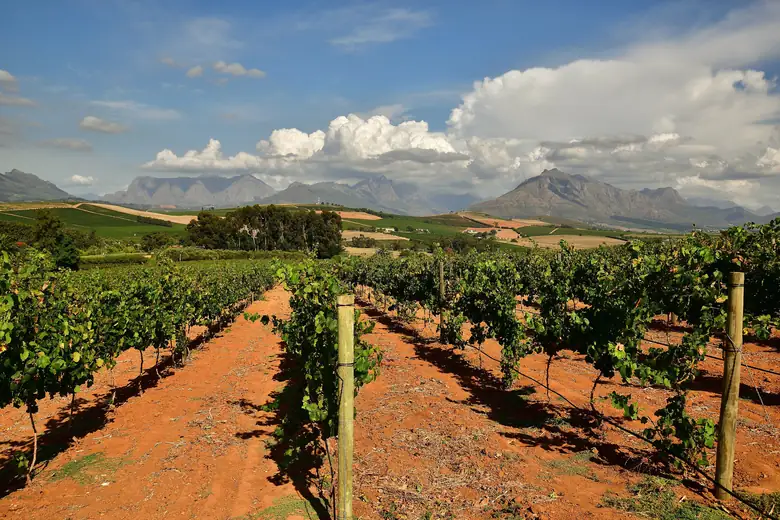
Vinhedo histórico de Stellenbosch com montanhas ao fundo
The classic

Stellenbosch

A walking tour along Dorp Street and its 17th-century façades, among museums, galleries and cafés — and, all around, some of the most awarded wineries in the southern hemisphere. This is the historic heart of South African wine, from pinotage to the great blends.

O vale de Franschhoek coberto de vinhedos
The table

Franschhoek

The valley founded by French refugees keeps its European style on the façades and at the table: it is the country's food capital, with destination restaurants inside the wine farms themselves. Lunching among the vines here is a full-day affair.

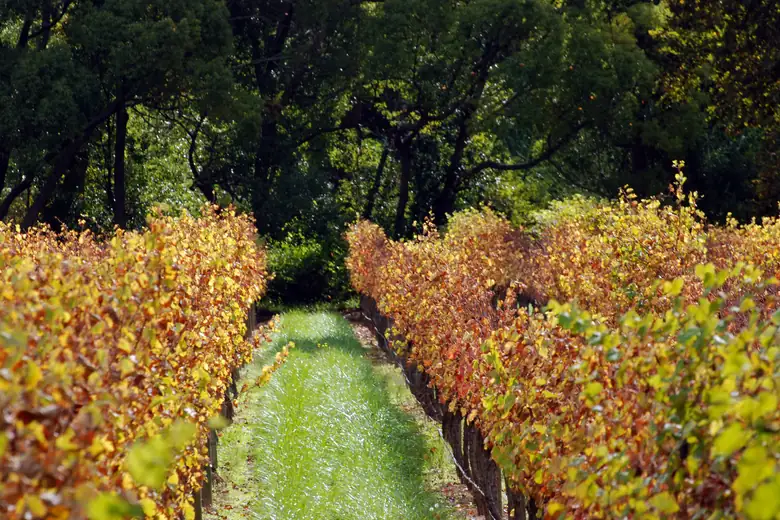
Alameda entre as vinhas de uma vinícola da região do Cabo
For the whole family

The tastings

Guided visits and tastings at hand-picked wineries — and nobody is left out: while the grown-ups sample the house labels, the children get their own "tasting" of chocolates and grape juice. A wine day that works as a family day.

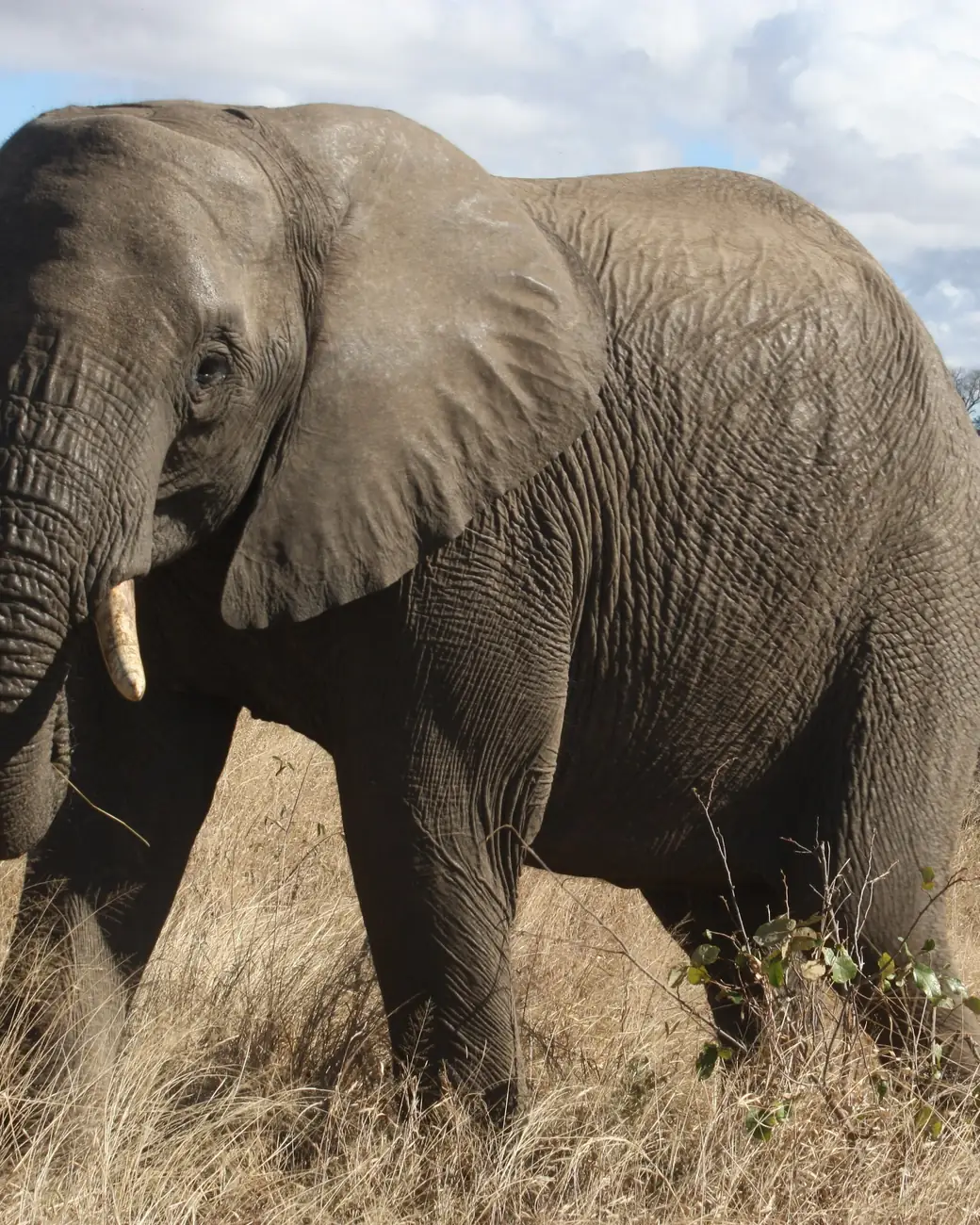
Elefante caminhando pela savana na região do Kruger The savanna · Kruger & private reserves

Fourth chapter

The day the trip becomes a documentary

A short flight separates the Cape from the country's northeast, where the Kruger National Park stretches some two million hectares of savanna, rivers and wildlife across the provinces of Mpumalanga and Limpopo. It is one of Africa's largest and best-run wildlife sanctuaries — the place where lion, leopard, elephant, rhino and buffalo, the legendary Big Five, still live as they always have.

In the private reserves bordering the park, the experience moves up a level: lodges with a handful of suites, full board, open vehicles that can leave the road, and rangers who read the savanna like a book. Two safaris a day — at dawn and at dusk — and, in between, pool, spa and siestas overlooking the bush. Nobody comes back the same.

  • ~2 million hectares of protected savanna in the Kruger
  • 5 Big Five: lion, leopard, elephant, rhino and buffalo
  • 2 safaris a day, at dawn and at dusk
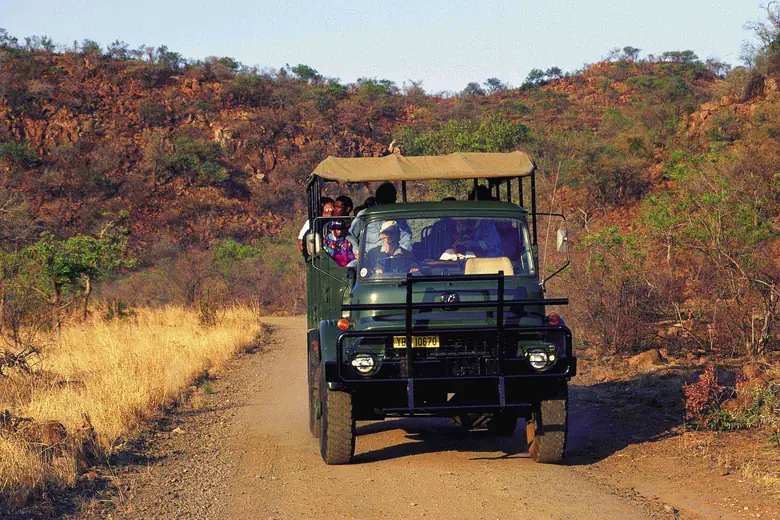
Veículo aberto de safári percorrendo a savana sul-africana
The ritual

The dawn game drive

Coffee served while it is still dark, blankets on your lap, and the open vehicle rolling into the savanna as the sky lightens — the hour when the predators are still on stage. Every outing is a different story, led by rangers specialised in wildlife and conservation.

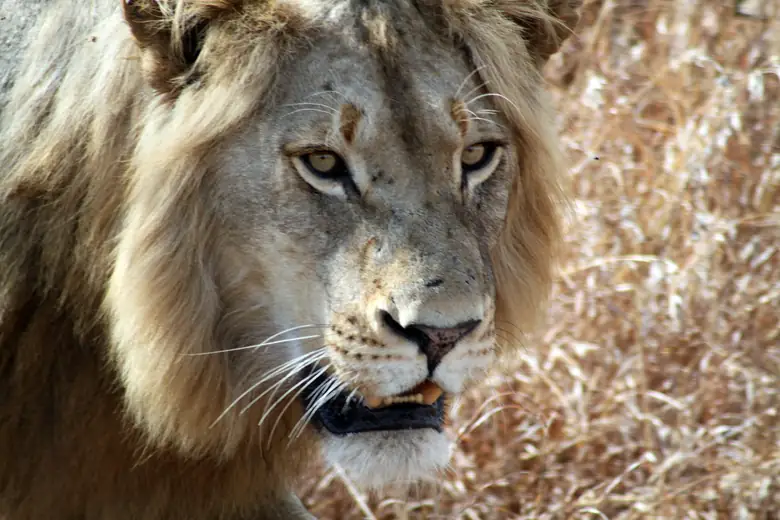
Leão descansando na savana do Kruger
For everyone

The Big Five

The term was coined by hunters of another century; today it is the photographers' gold list. Watching a lion metres from the vehicle, a herd of elephants closing the road or a rhino grazing in the distance resets the scale of any trip — and here it happens every single day.

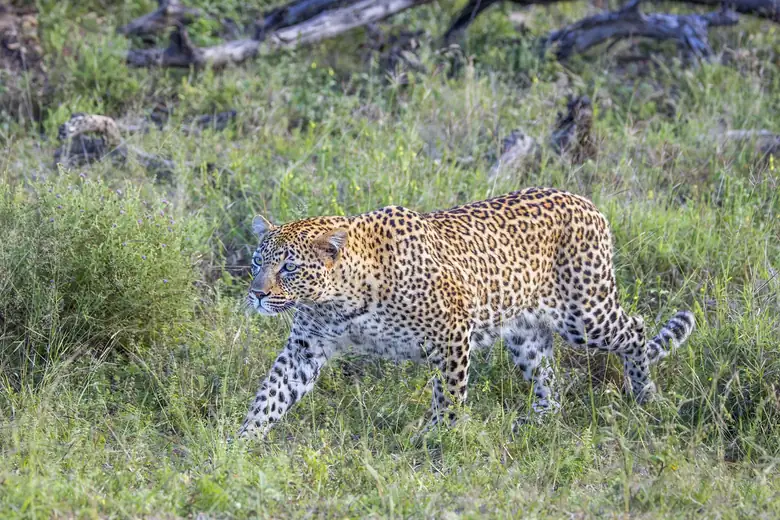
Leopardo caminhando pelo capim da savana
The jackpot

The leopard

The most elusive of the five is every safari's obsession — and the private reserves of the Kruger region are among the best places in the world to see one: rangers follow tracks by radio and off-road until they find it draped over a branch, oblivious to its audience.

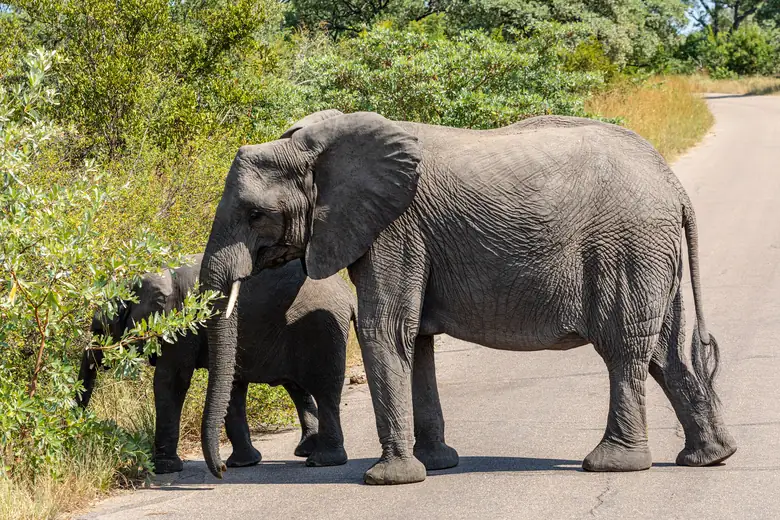
Manada de elefantes africanos cruzando a savana
For everyone

The living savanna

Between one Big Five and the next, the show never stops: giraffes in slow motion, zebras and impalas by the dozen, hippos in the rivers, hundreds of birds. The savanna has no extras — every animal plays a part in the plot, and the ranger narrates the storyline.

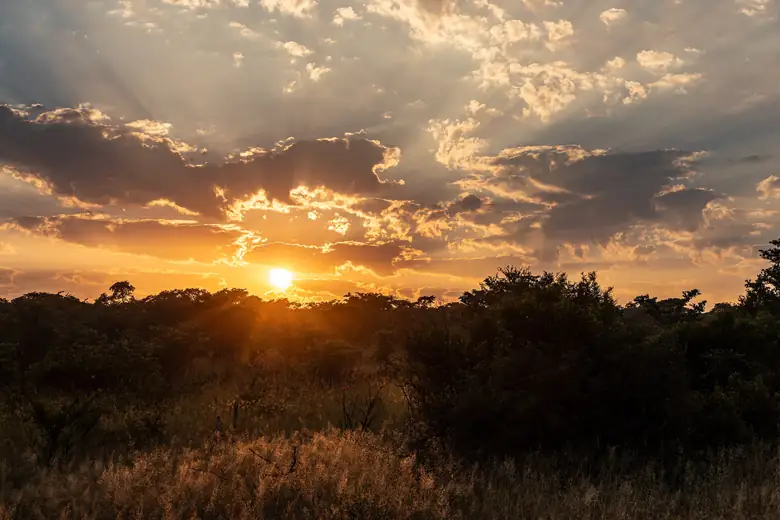
Pôr do sol na savana durante o safári
Adults only

The sundowner

Halfway through the afternoon safari, the vehicle stops at a lookout, the drinks table is set on the bonnet and the gin and tonic is served as the sun drops behind the acacias. It is the savanna's most civilised institution — and the most memorable toast of the trip.

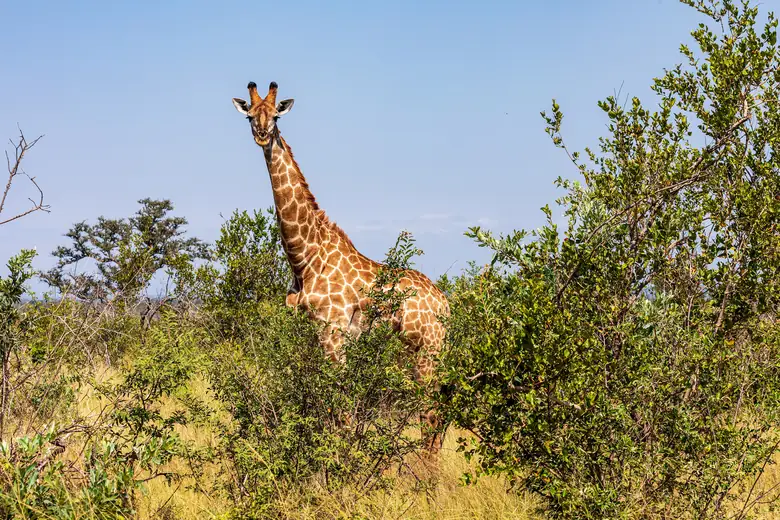
Girafa na savana sul-africana
With kids

Safari as a family

Several lodges welcome children with open arms, with kids' programmes, rangers who become instant heroes and adapted schedules. Watching your children see their first elephant tends to be the moment of the trip — we choose the right lodge for their age.

Day by day

How the journey takes shape

An eleven-day skeleton to give you a sense of scale — the order, the length and the experiences are always adjusted to you. City first, savanna last: the crescendo that tends to work best.

Day 1

Arriving in the Cape

Airport meet-and-greet and private transfer to the hotel, with Table Mountain already waving through the window. An easy late afternoon at the Waterfront — a toast to the nearly nonexistent jet lag and the first night of the trip.

ArrivalWaterfront
Day 2

Table Mountain

A private half-day tour with your guide: the rotating cable car up to the plateau, the strategic lookouts and the city explained from above. Free afternoon — the hotel pool or the first round of shopping.

Table MountainLookouts
Day 3

The Cape Peninsula

A full day along the coast: Clifton and Camps Bay, the penguins of Boulders Beach, the Cape of Good Hope Reserve and the Cape Point lookout, where the two oceans meet. The most scenic day of the trip.

PenguinsCape Point
Day 4

The city at your pace

A day to explore unhurried: the Two Oceans Aquarium for the little ones, Bo-Kaap and the galleries for the curious, or simply a table in the sun at the Waterfront. The city takes care of the rest.

AquariumFree day
Day 5

Stellenbosch & Franschhoek

A full day in the winelands: a walking tour of Stellenbosch, lunch among the vines and tastings at hand-picked wineries — chocolate tasting for the children included. Back to the hotel at dusk.

WinelandsTastings
Day 6

One last city day

Free for your favourites: another beach run, a hike up Lion's Head, design and craft hunting at the Waterfront, or securing one last great Cape table. Bags packed — tomorrow the trip changes its nature.

Free dayFood scene
Day 7

Off to the savanna

Flight to the Kruger region and transfer to the lodge, on full board. In the afternoon, the first game drive — and the savanna's first lesson: out here, the animals set the agenda.

Domestic flightFirst safari
Day 8

Safaris at dawn and at dusk

The rhythm of the bush: a sunrise game drive, coffee out in the savanna, a morning of pool or spa at the lodge, and a dusk safari with sundowner and dinner under the stars. The Big Five in whatever order they choose to appear.

Big FiveSundowner
Day 9

Deeper into the bush

Two more safaris — and the savanna never repeats its script: a pack of wild dogs crossing the road, the leopard on its branch, a herd drinking at the river at dusk. Between outings, guided walks and a veranda with a view.

Game drivesGuided walk
Day 10

Back to the Cape

One last dawn game drive, an unhurried breakfast and the flight back to Cape Town for a farewell night — a long bath, one great table and the rare feeling of having lived two trips in one.

Domestic flightFarewell night
Day 11

Until next time, Africa

Transfer to the airport and the flight home. In the suitcase, wine and crafts; in the memory, penguins, leopards and the silence of the savanna — and the near-unanimous certainty among our travellers that there will be a next time.

Flight homeUntil next time
This itinerary is a starting point, not a package. Some prefer to start with the savanna and end by the sea, some add the Garden Route or the whales of Hermanus, some close the trip on an Indian Ocean island. The final design is always drawn up together — and never in a hurry.

Gallery

What you will see

Click any image to enlarge.

How we travel

What changes when the trip is designed

South Africa is generous — but it is made of choices that define the trip: the order of the chapters, the safari reserve, the lodge, the domestic flights, the health paperwork. All of it is solved before you board.

The right order of chapters

City first and savanna last, or the other way round? How many nights in each? The sequence changes the rhythm — and the domestic flights between the Cape and the savanna have to line up perfectly. We design the right crescendo for your occasion.

The right reserve and lodge

Kruger or a private reserve? A twenty-suite lodge or an exclusive villa? Each combination makes for a different safari — from honeymoon-romantic to full-family. We know the options personally and choose by your profile, never by ranking.

Guides in your language

On the private tours of Cape Town and the winelands we work with Portuguese-speaking guides whenever possible — the difference between seeing the scenery and understanding the country. Tickets and fast tracks come pre-arranged.

Health and paperwork solved

Yellow fever certificate, guidance on malaria prevention for the safari region, the electronic entry declaration, documents for minors — the red tape reaches you pre-digested, in a simple step-by-step.

The right tables and wineries

The great tables of the Cape and the winelands compete with the world's best — and they sell out. We book restaurants and tastings before departure, striking the right balance between the award-winners and the local secrets.

24/7 support

From boarding in Brazil to your return, one team follows the entire trip. Any surprise — a flight, a connection, a special request at the lodge — is solved with a single message, in your language.

Where to stay

Three ways to live the journey

We work with a short list of hotels and lodges we know and trust — these are some of the ones that usually make it into our trips, organised by style. The final choice is always designed with you.

Waterside classics

The Waterfront icons

Grand hotels leaning over the marina, with Table Mountain in the window and the best of the Waterfront on foot. Old-school service, memorable breakfasts and the most practical base for the city chapters.

  • Cape TownOne&Only Cape Town
  • Cape TownThe Table Bay Hotel
Art & design

The hotel as a work of art

A former grain silo turned architectural icon above Africa's largest museum of contemporary art. Faceted windows cut like gemstones, cinematic views and one of the most photographed hotels on the continent.

  • Cape TownThe Silo Hotel
The savanna

Safari lodges

A handful of suites in the middle of the bush, full board, daily safaris with the house rangers and experiences ranging from guided walks to kids' programmes. Luxury here is waking up with the savanna on the other side of the glass.

  • Kruger regionJabulani Safari
  • Sabi SandSabi Sabi Bush Lodge

Know before

The essentials, no small print

Practical information for those starting to think about the trip.

When to go

There is no wrong season — there is the right season for each chapter. The seasons are inverted relative to the northern hemisphere, and each one delivers a different country.

Summer in the CapeNov–Mar. Long, dry days, beaches and winelands at their peak — Cape Town's classic high season.
Winter in the savannaMay–Oct. The dry season is best for safari: low bush and animals gathered around the water.
The whalesJun–Nov. Southern right whales arrive along the Cape coast — Hermanus becomes a front-row seat.
Busy datesYear-end holidays and school breaks sell out the best lodges and hotels many months ahead.

Documents and visas

Brazilians do not need a visa for tourism. Passports must be valid for at least six months from departure, with at least two blank pages side by side. Minors under 18 must travel with a passport and their original birth certificate — and there are specific rules for unaccompanied minors, which we walk you through case by case.

The country uses a digital customs declaration (goods and currency), completed online up to 24 hours before travel — we send the step-by-step along with your travel documents.

Health

For those departing from Brazil, the International Yellow Fever Vaccination Certificate is mandatory — the vaccine must be arranged well ahead of departure. Keep the certificate with your passport.

The safari regions lie in a malaria area: we recommend a medical consultation before the trip to assess the right prevention. Repellent, light-coloured clothing and long sleeves at dusk complete the kit — the lodge takes care of the rest.

Rhythm, time zone and money

The time difference is only 5 hours ahead of Brasília — practically no jet lag, a rare advantage on a long-haul destination. English gets everything done, cards are accepted everywhere and the local currency, the rand, tends to be kinder to the wallet than you would expect.

Book the important things early: safari lodges have very few suites, and the Cape's best tables and tastings sell out on prime dates. The dream itinerary is secured months in advance.

To add on

To make the journey even more yours

Layers that fit naturally into a South Africa itinerary.

01

The Garden Route

A few days driving the country's most scenic coast — lagoons, forests and beaches between Mossel Bay and Plettenberg Bay. The favourite extension of those who love a road trip, with stops worth every kilometre.

02

The whales of Hermanus

From June to November, southern right whales raise their calves right along the coast — and Hermanus, just over an hour from the Cape, is one of the best whale-watching spots in the world, even from dry land.

03

Victoria Falls

A flight from Johannesburg leads to one of the planet's greatest waterfalls, on the border between Zimbabwe and Zambia. Two or three days that add a natural wonder to the itinerary — the perfect fit before or after the safari.

04

An island to finish

Ending the trip with your feet in the Indian Ocean sand: Mauritius and the region's other islands pair with South Africa like dessert with coffee — direct flights, dream resorts and the rest that seals the journey.

05

The peninsula from above

A scenic helicopter flight stitching together Table Mountain, the Twelve Apostles and the Atlantic beaches. Twenty minutes that reorganise your mental map of the trip — and produce its most spectacular photos.

06

Signature moments

A private dinner in the savanna, a picnic among the vines, a photo shoot on safari, the chef's table at the Cape's award-winners. We add them to the trip as the occasion asks — a proposal, a birthday, an anniversary, or nothing but pleasure.