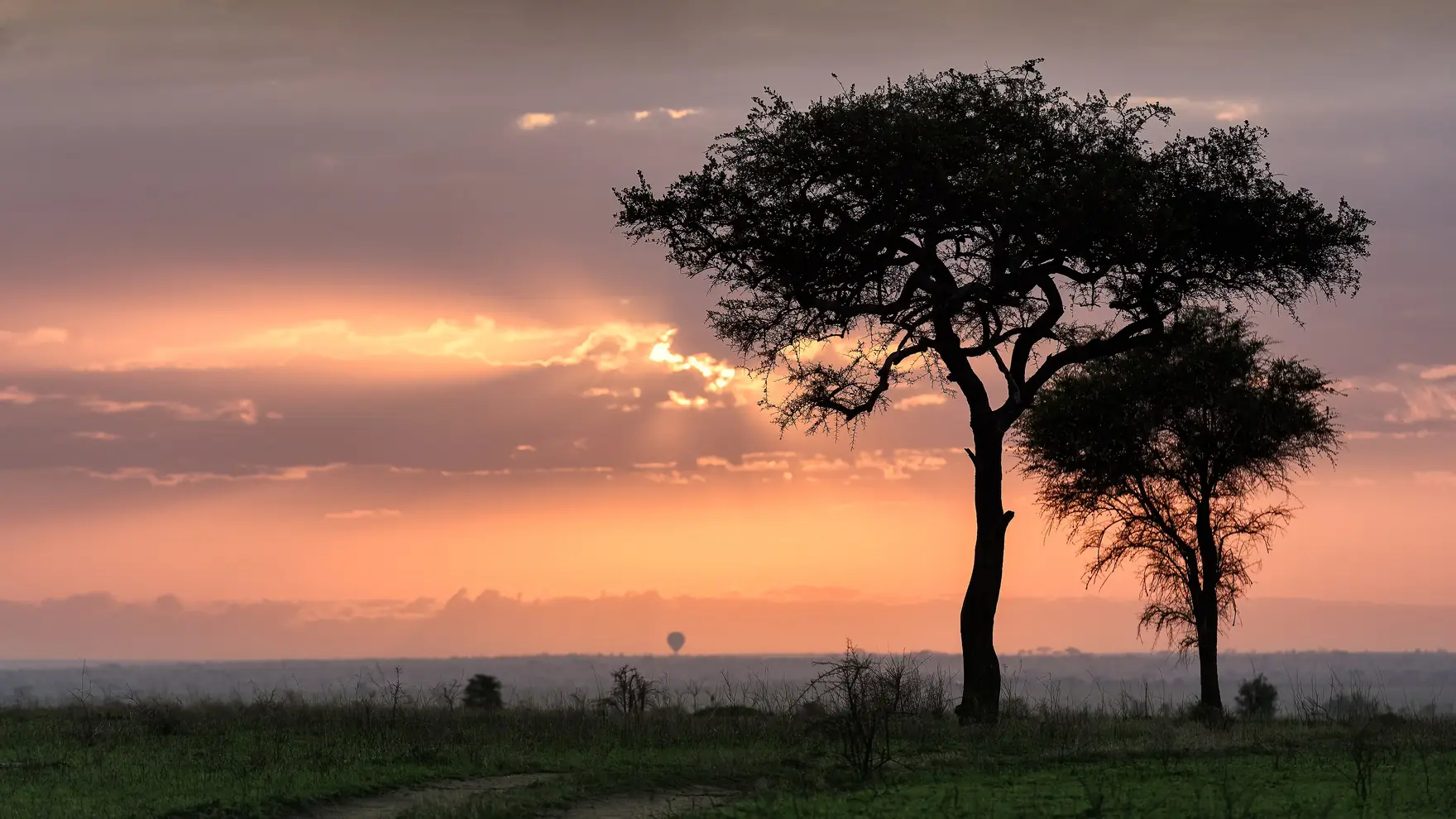
Amanhecer no Serengeti, com acácias em silhueta e um balão no horizonte

Tanzania · Safari & the Indian Ocean

Where the savannah
never ends

There is a place where the Earth still rehearses its first morning: herds beyond counting in the Serengeti, lions living inside an extinct volcano, elephants among thousand-year-old baobabs — and, one short flight away, the turquoise of Zanzibar. Safari and beach in a single journey, all designed tailor made.

5,700 sq miof endless plain — which is exactly what Serengeti means in the Maasai language
2 millionwildebeest, zebras and gazelles on the move in the Great Migration
600 mdeep — the Ngorongoro Crater, the largest intact caldera on Earth
100%tailor made — savannah and ocean at your own pace, from the balloon to the spa

The destination

A whole country
in its wild state

Tanzania holds the wild heart of East Africa: the Serengeti and its Great Migration, the Ngorongoro Crater, the elephants of Tarangire and Kilimanjaro on the horizon. It is safari in its purest form — with the sea of Zanzibar as the closing signature.

And you see it all without giving anything up: luxury camps of canvas, timber and hot showers in the middle of the savannah, dinners by lantern light, guides who read animal tracks the way others read the morning paper. The dust of the road stays outside; the impeccable service, inside.

The perfect arc ends on the Indian Ocean: after the sunrises on the plain, barefoot days in Zanzibar — white-sand beaches, the centuries-old lanes of Stone Town and the scent of cloves in the air. Few destinations deliver two such different journeys on a single departure.

Great Migration Big Five Sunrise balloon Maasai culture Stone Town Indian Ocean beaches

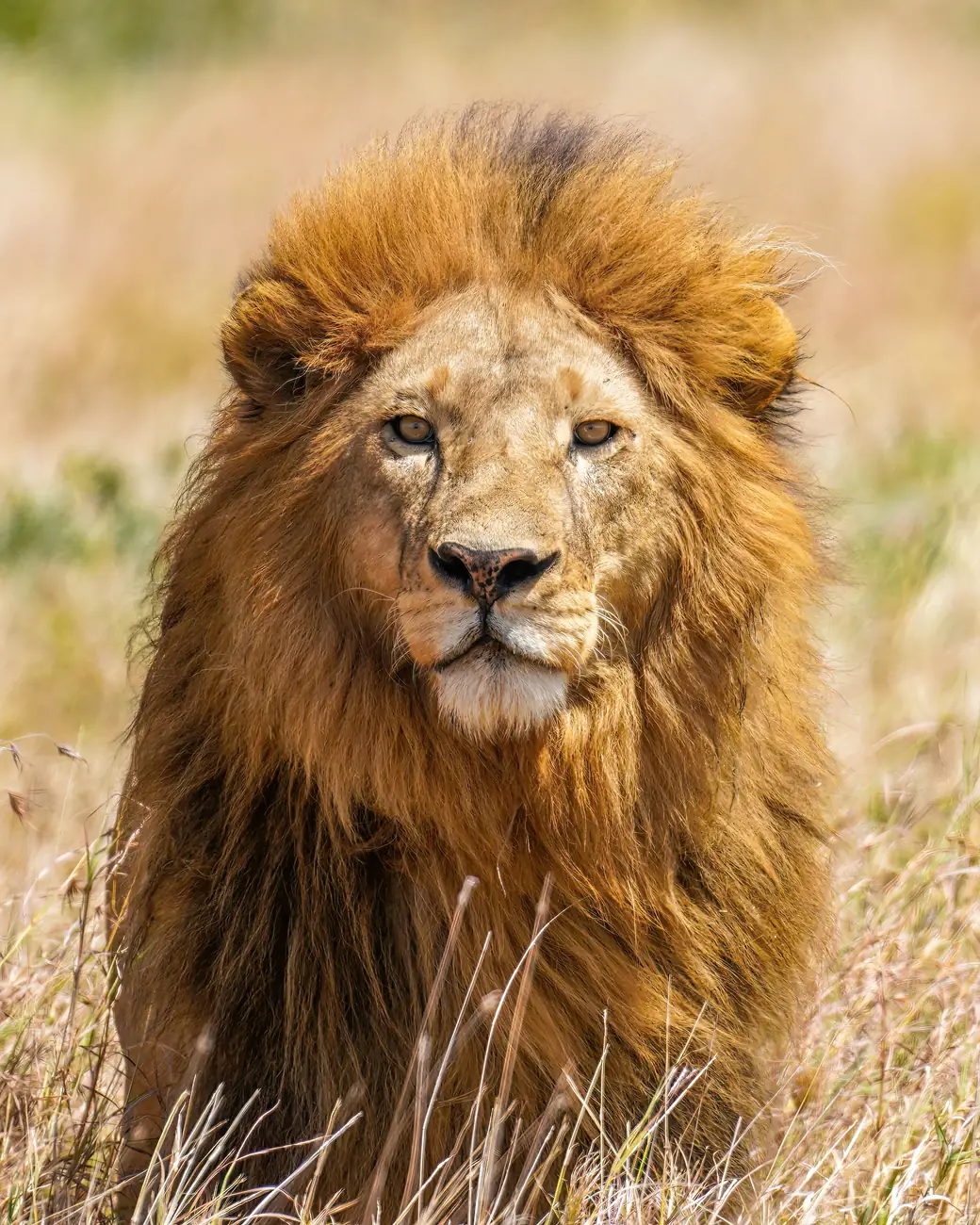
Leão em primeiro plano na savana do Serengeti Serengeti · The endless plain

First chapter

The greatest show on Earth

More than five and a half thousand square miles of savannah rolling to the horizon — in the Maasai language, Serengeti means "endless plain", and no translation was ever more precise. Nearly two million wildebeest, zebras and gazelles live here in perpetual motion, shadowed by lions, cheetahs and leopards: the full cast of the African safari on its original stage.

The days follow the rhythm of the light: a game drive at first light, when the savannah wakes; a pause at camp through the hot hours; out again as the sun drops and the predators return to the stage. In between, a hot shower in the tent, lunch overlooking the plain and the most inhabited silence in the world.

  • 2 game drives a day — at dawn and in the late afternoon
  • ±500 bird species crossing the plain
  • 0 fences: out here, wildlife rules the map
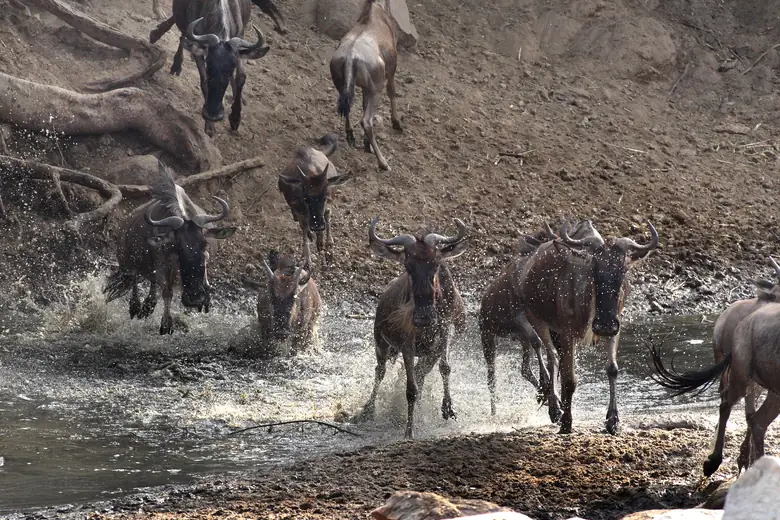
Gnus da Grande Migração atravessando um rio no Serengeti
The spectacle

The Great Migration

Nearly two million animals circling the plain all year round: the calving season in the south around the turn of the year, the long march north, the dramatic river crossings mid-season. We design the trip to meet the right phase of the cycle — and watch it from the front row.

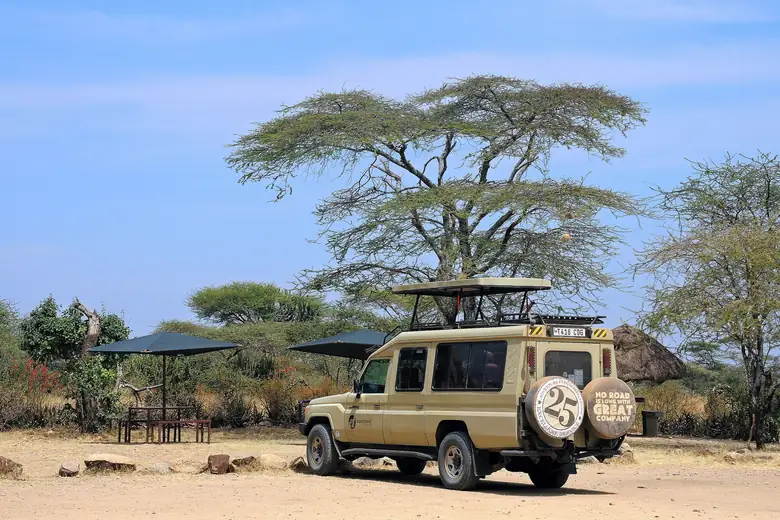
Veículo de safári observando animais na savana do Serengeti
For everyone

The photographic safari

An open-roofed 4x4, a guide who can spot a leopard five hundred metres away and the radio announcing what the savannah has offered up today. Two game drives a day, at your family's pace — with coffee served out on the plain and a hand-picked lookout for the African sunset.

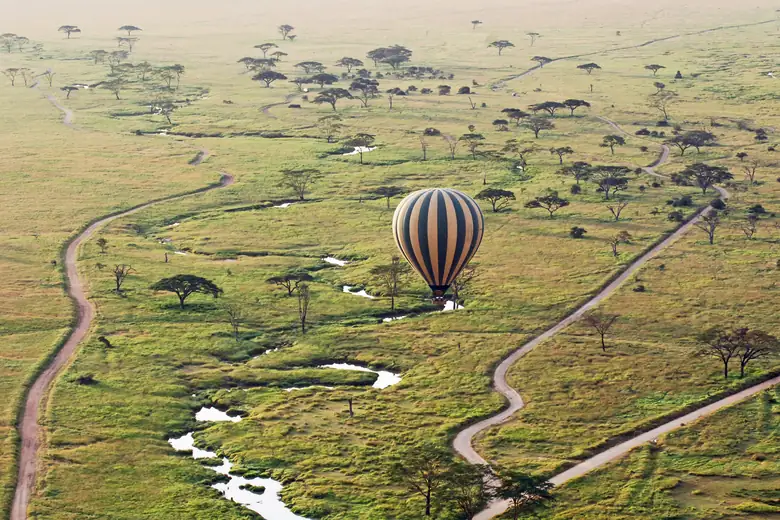
Balão de ar quente sobrevoando a savana do Serengeti ao amanhecer
At sunrise

The balloon over the savannah

Lift off while it is still dark and watch the sun rise as you float above the herds: the balloon glides across the plain in silence, at the height of the acacia crowns, then lands for a sparkling-wine breakfast in the middle of nowhere. The Serengeti's most beautiful hour, seen from above.

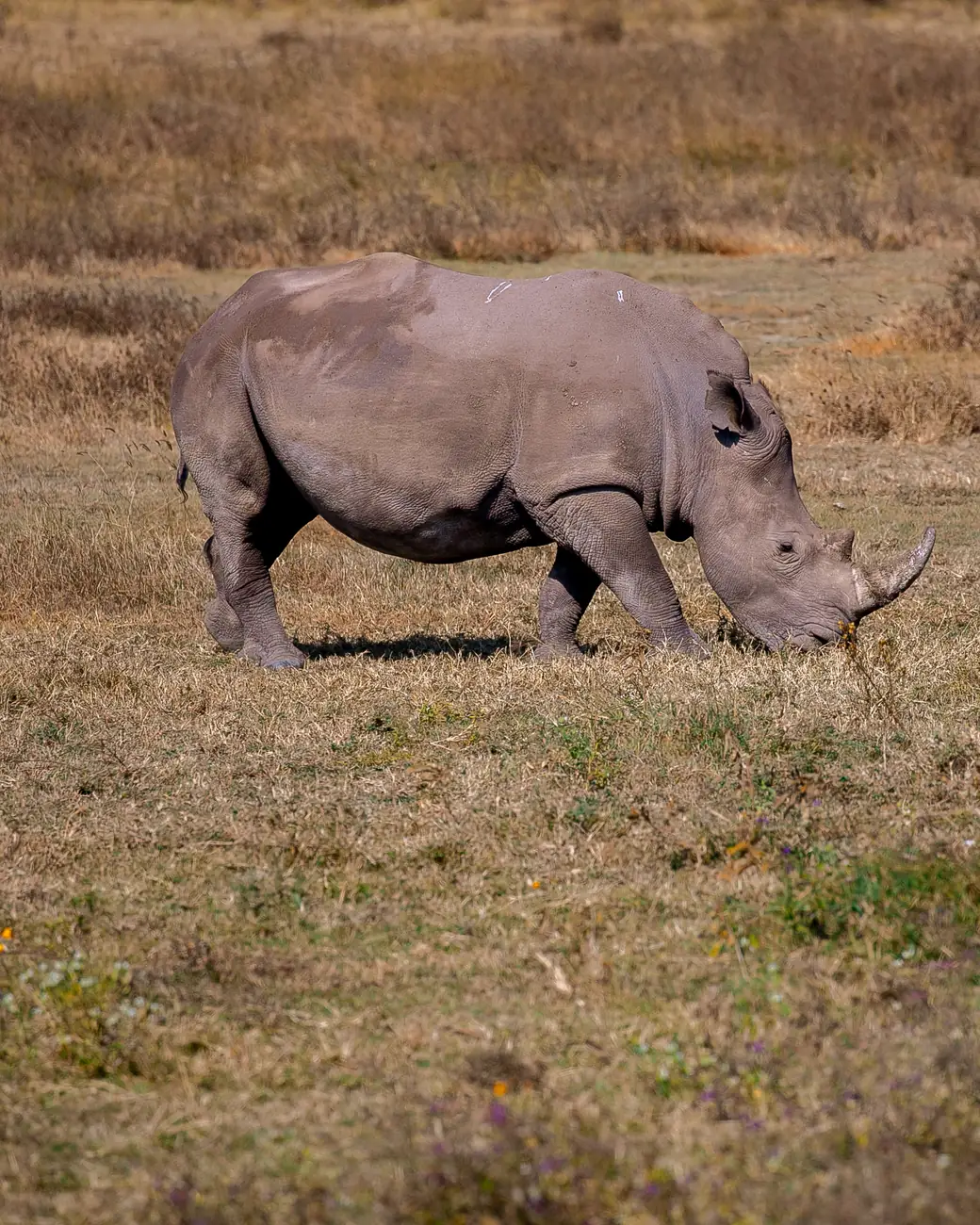
Rinoceronte pastando nas pastagens douradas do Ngorongoro Ngorongoro & Tarangire · The northern circuit

Second chapter

An ark inside a volcano

Two and a half million years ago, a giant volcano collapsed on itself — and left behind the largest intact caldera on Earth: six-hundred-metre walls guarding a 100-square-mile floor that is home to some 25,000 large animals, from dark-maned lions to some of Tanzania's last black rhinos. Descending into the Ngorongoro Crater, a UNESCO World Heritage Site, is like seeing Africa condensed into a single scene.

Along the way, Tarangire completes the northern circuit: a valley of ancient baobabs sheltering some of the largest elephant herds in Africa — in the dry season, the park's river becomes the meeting point for the entire ecosystem. And everywhere, the living presence of the Maasai, who have grazed their cattle across these highlands for centuries.

  • 19 km from rim to rim across the Ngorongoro Crater
  • 3,000 elephants among the baobabs of Tarangire
  • 1979 — the year Ngorongoro became a World Heritage Site
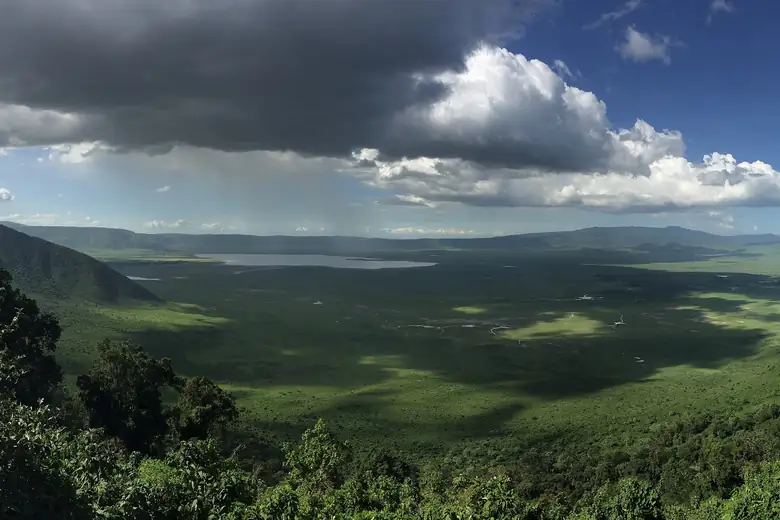
O interior verde da cratera do Ngorongoro, com o lago ao centro
For everyone

A day inside the crater

You descend the walls at dawn, the mist still caught on the rim — and in a single day parade lions, elephants, buffalo, hyenas and, with luck, the black rhino, around a lake tinted pink with flamingos. It is quite possibly the most concentrated safari day on the planet.

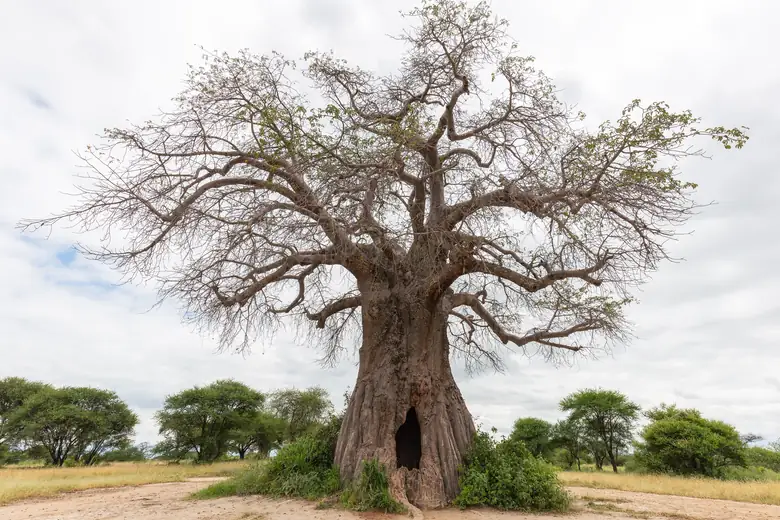
Baobá milenar no Parque Nacional Tarangire
With children

Elephants & baobabs

Whole herds digging the riverbed for water, clumsy calves weaving between their mothers' legs, thousand-year-old baobabs as the backdrop. For children — and for adults — this is the park of unforgettable scenes, with short distances and a guaranteed reward.

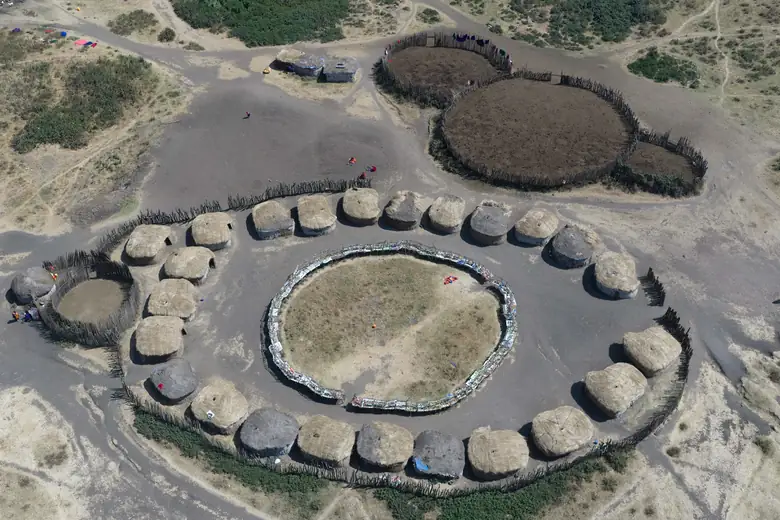
Aldeia circular Maasai vista do alto, na Tanzânia
Living culture

The Maasai

In the Ngorongoro highlands, the Maasai still live as they always have: red robes against the green, circular villages, the leaps of the traditional dance. A well-chosen visit becomes a real conversation around the cattle and the fire — not a show staged for tourists.

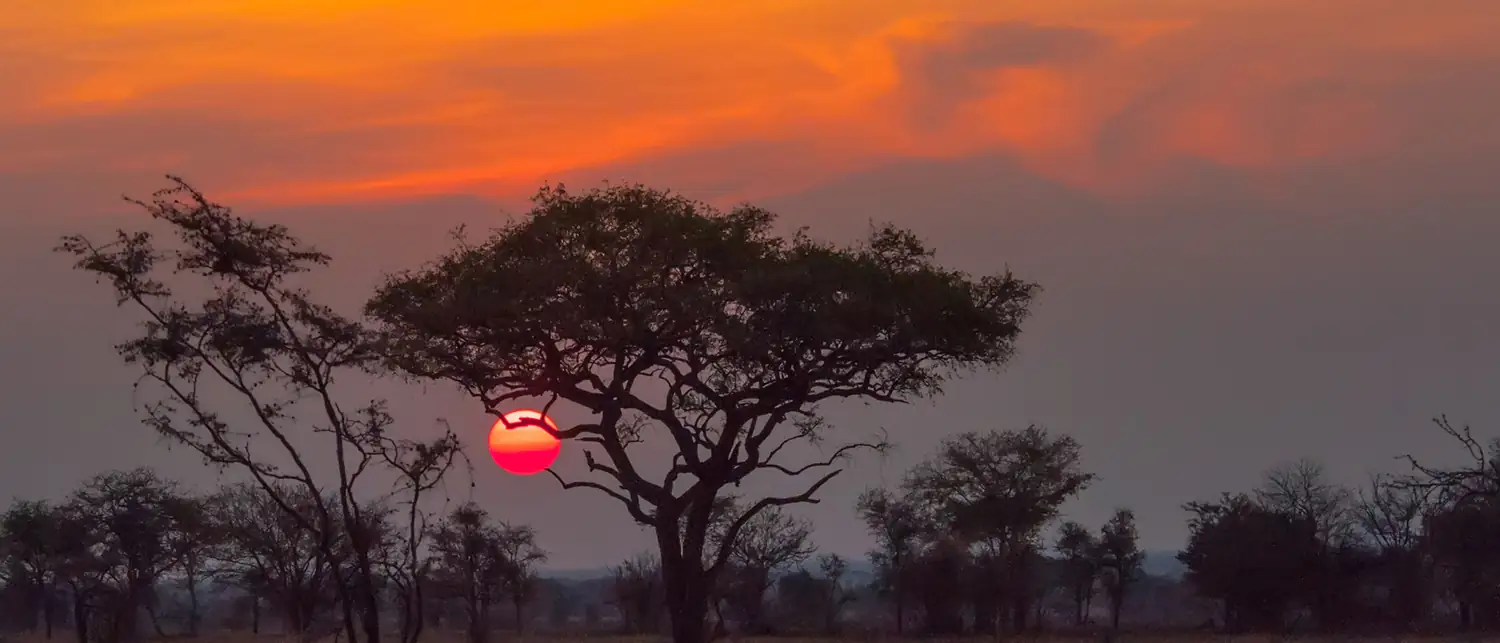
Pôr do sol africano com acácia em silhueta na savana

The engine switches off in the middle of the plain. What remains is the wind in the tall grass, a distant thunder of hooves, the sun gilding everything — and the certainty of standing before something far older than us. The trip exists for that instant.

From Brazil to the savannah, all designed tailor made
Praia de areia branca e mar turquesa em Zanzibar Zanzibar · The spice island

Third chapter

The Indian Ocean as reward

After the golden dust of the savannah, the blue: a short flight crosses the country and lands on the jewel of the African coast. Zanzibar is white sand and warm sea nearly all year round — but it is also a melting pot: Africa, Arabia, India and Persia met here, on the old spice route, and left behind an island that resembles no other.

The east coast is the most exclusive — miles of pale sand against a sea layered in turquoise, villas with private pools and spas blending ancestral techniques with island ingredients. And less than an hour away, Stone Town: centuries-old lanes, carved doors, sunset terraces and the scent of cloves that gave the island its nickname.

  • 1 short flight separates the savannah from the beach
  • UNESCO — Stone Town is a World Heritage Site
  • ±27°C in the Indian Ocean, from January to January
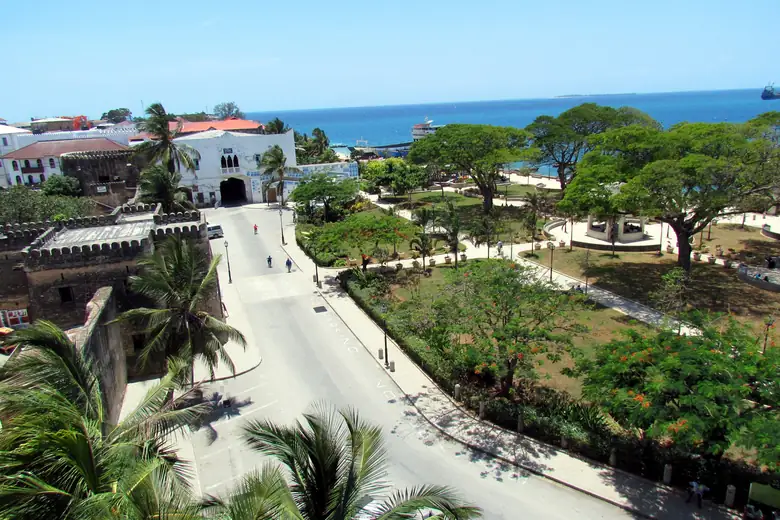
Stone Town vista do alto, entre o Forte Velho e o mar
For everyone

Stone Town

The labyrinth where Africa met Arabia: carved wooden doors, spice markets, balconies leaning over the sea. A UNESCO World Heritage Site, it asks for an unhurried afternoon, a guide who tells the right stories — and a rooftop terrace for sunset.

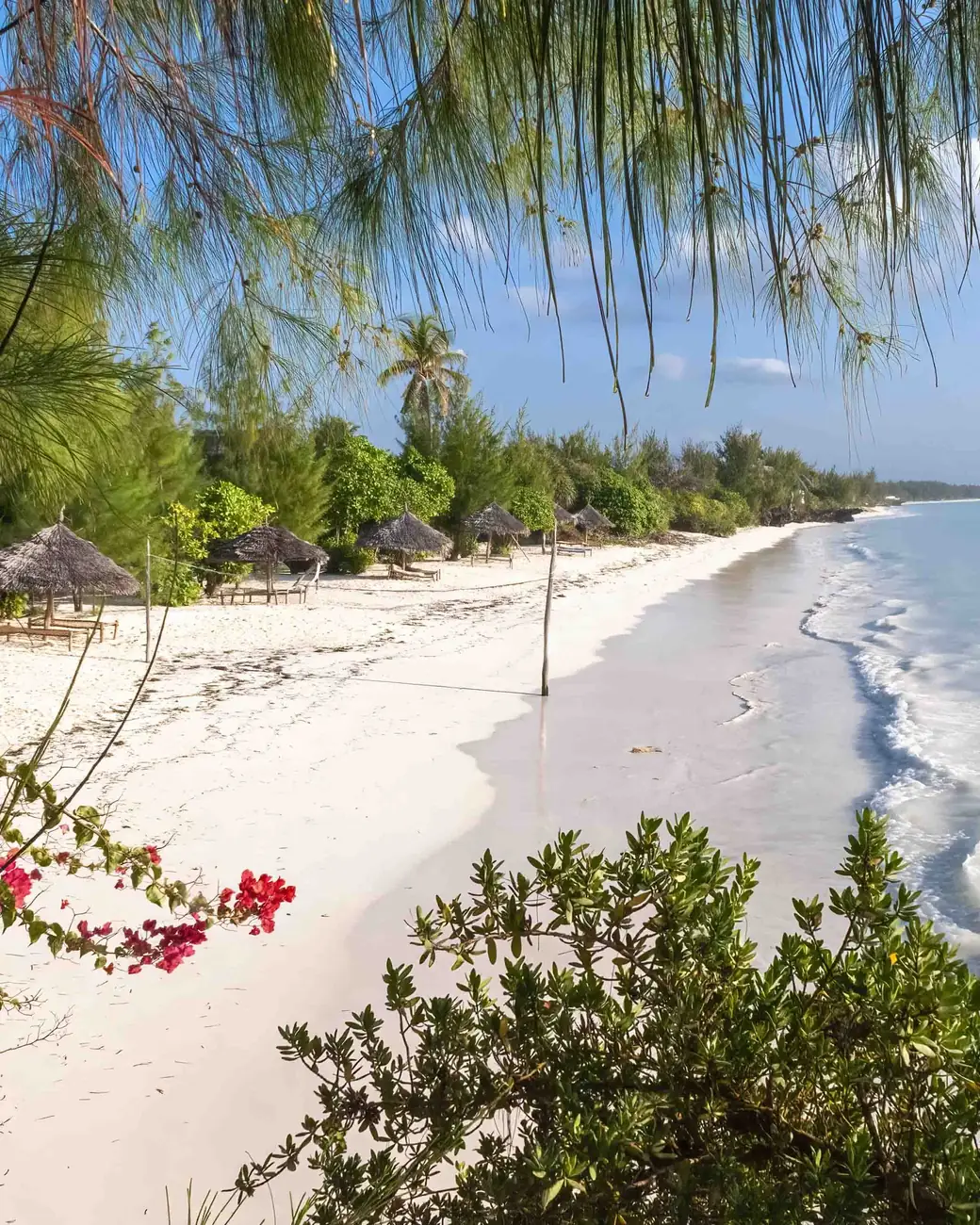
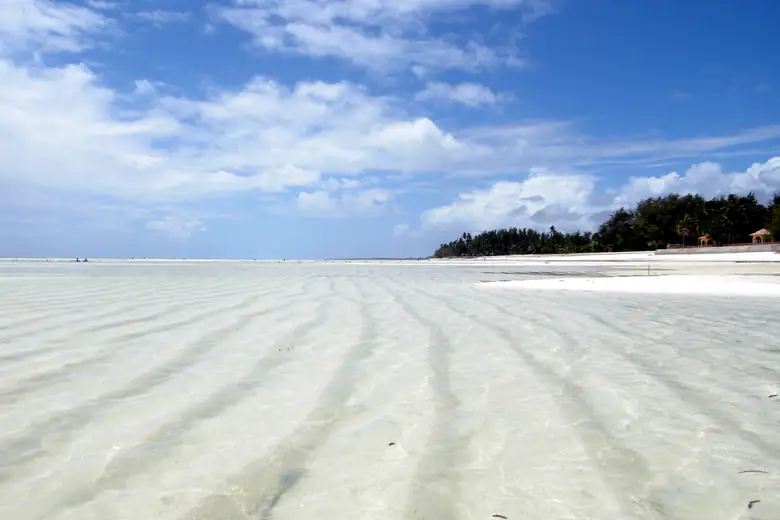
Águas rasas e cristalinas na maré baixa da costa leste de Zanzibar
With children

The east coast beaches

Fine white sand, warm water that low tide turns into a natural swimming pool, coconut palms closing the frame. The east coast gathers the island's most exclusive retreats — whole days spent barefoot, split between the sea, the villa pool and the spa.

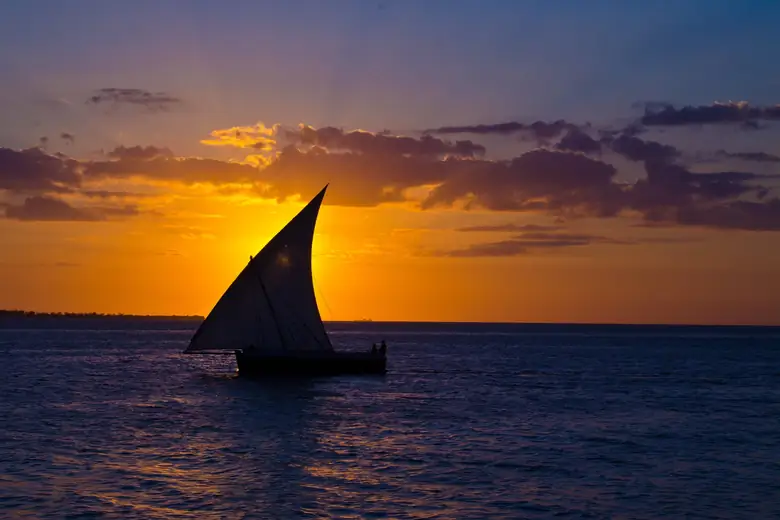
Dhow tradicional navegando ao pôr do sol em Zanzibar
Adults only

The sunset dhow

The triangular-sailed boat that has crossed the Indian Ocean for centuries becomes the stage for the end of the day: sails in the wind, sparkling wine on board and the sun sinking into the sea. The island's classic farewell — especially for two — ends with a private dinner on the beach, among lanterns.

Day by day

How the ten days take shape

A ten-day skeleton between savannah and sea, to give you a sense of scale — every block can be swapped, stretched or shortened. The length, the pace and the experiences are always adjusted to you.

Day 1

Arriving in Africa

Touchdown at Kilimanjaro, a welcome with immigration assistance and a connection on a safari plane bound for the Serengeti. From the dirt airstrip to camp, the transfer is already your first game drive — with the savannah parading past the window.

ArrivalSafari flight
Day 2

The savannah at dawn

A game drive at first light, while the predators are still on stage, and breakfast served out on the plain. An afternoon pause at camp — siesta, hot shower, veranda — then out again as the sun drops and the savannah wakes once more.

Dawn game driveSunset game drive
Day 3

On the migration's trail

A full day devoted to the Great Migration, in whatever phase nature's calendar offers: herds beyond counting, the calving season in the south or the river crossings in the north. The guide reads the savannah; you just watch.

Great MigrationLunch on the plain
Day 4

The Serengeti from above

For those who wish, a sunrise balloon flight with a sparkling-wine breakfast at the landing site. The rest of the day keeps the rhythm of the game drives — perhaps after that one species still unseen, perhaps at a lookout for the African sunset.

BalloonLast sunset
Day 5

From savannah to sea

A safari flight to Zanzibar and the most delicious swap of the trip: boots give way to bare feet. Arrival at a villa facing the sea, a late-afternoon swim and dinner to the sound of the waves.

Change of baseZanzibar
Day 6

The day of doing nothing

Beach, pool, hammock. At most, the spa — ancestral techniques and island ingredients. Safari wakes up early every day; Zanzibar exists to pay back the missing hours of sleep, with interest.

BeachSpa
Day 7

Stone Town & the spices

A morning in the lanes of Stone Town, among carved doors and markets. On the way back, a stop at a spice farm to discover where the island's perfume comes from — cloves, vanilla, cinnamon and cardamom still on the plant.

Stone TownSpices
Day 8

The sea from within

An Indian Ocean day: snorkelling or diving on the coral reefs, in crystal-clear water and one of the richest marine worlds on the African coast. Or simply stay on the east coast at low tide, when it becomes an endless natural pool.

DivingReefs
Day 9

Farewell on a dhow

Late afternoon aboard a dhow, triangular sails against the sun — and, to close, a private dinner on the beach, feet in the sand and lanterns lit. The last night deserves a ceremony.

Sunset dhowDinner on the beach
Day 10

Back to Brazil

A free morning for one last swim, an unhurried departure and a transfer to the airport with check-in assistance. The suitcase flies home smelling of cloves — and the savannah moves into your memory for good.

ReturnFlight home
This itinerary is a starting point, not a package. Some stretch the safari through Ngorongoro and Tarangire, some trade beach nights for more sunrises on the plain, some do the whole thing in reverse. The final design — parks, camps, number of nights — is always drawn up together, and without haste.

Gallery

What you will see

Click any image to enlarge.

How we travel

What changes when the trip is designed

A great safari is not luck — it is design. The right phase of the migration, the right camps, the right guides and the invisible logistics turn a good trip into a definitive one. All of it is settled before you board.

Timing by the migration

The Great Migration is a cycle, not an event: calving in the south around the turn of the year, river crossings in the middle of it. We design the dates and regions of your safari around the phase of the spectacle you want to see — never around a package calendar.

Guides who read the savannah

The difference between seeing a lion and understanding a hunt is the guide. We book specialist driver-guides, the right vehicle and a flexible route — if the savannah offers something extraordinary, the day changes on the spot, no paperwork.

Camps that are the trip

Small camps in carefully chosen locations, with full board, daily game drives included and that luxury of canvas, timber and lantern light that only Africa does. Sleeping in the middle of the savannah — with impeccable service — is half the experience.

The invisible logistics

Safari planes between the parks, dirt airstrips, luggage limits, assistance at the airports: Tanzania calls for choreography. We assemble the whole puzzle — down to guidance on the right bag to bring (light, and soft-sided).

Paperwork without the headache

The electronic visa, Zanzibar's own mandatory insurance, the yellow fever certificate, the conversation with your doctor about malaria prophylaxis: we walk you through it all in advance, item by item, in your language.

24/7 support

From boarding in Brazil to your return, a team follows the entire trip. Any surprise — a flight, a tide, a special request at camp — is solved with a single message, in your language.

Where to stay

Three ways to sleep in Tanzania

We work with a short list of houses we know and trust — these are some of the ones that usually make it into our trips, organised by style. The final choice is always designed with you.

The savannah

Classic safari camps

Canvas-and-timber tents with a real bed, a hot shower and a veranda over the plain — and a distant roar as the soundtrack of the small hours. Full board, two game drives a day and the 1920s expedition charm, without giving anything up.

  • Serengeti · TanzaniaElewana Serengeti Pioneer Camp
The Indian Ocean

Barefoot beach villas

Villas facing the sea on Zanzibar's east coast, with private pools, a spa and white sand at the doorstep. The exact counterpoint to the safari: barefoot days, the tide redrawing the landscape and the Indian Ocean in every window.

  • East coast · ZanzibarZanzibar White Sand Luxury Villas & Spa
Swahili classic

Resorts with the soul of a palace

Arches, courtyards and local craftsmanship: resorts that translate the island's Arab-Swahili heritage into generous suites and service that anticipates. For those who want the stay itself to tell the story of Zanzibar.

  • Bwejuu · ZanzibarBaraza Resort & Spa

Know before

The essentials, no fine print

Practical information for those starting to think about the trip.

When to go

Tanzania is a year-round destination — what changes is the chapter of nature you find. The long rains of April and May are the only stretch we usually avoid:

Jun–OctThe great dry season: short grass, animals gathered around water and the migration's river crossings in the northern Serengeti. The classic peak of safari.
Dec–MarThe green season: herds gathered in the south and hundreds of thousands of wildebeest calves born within a few weeks — with the predators in action. Lush landscapes, fewer vehicles.
Apr–MayThe long rains. The savannah at its greenest and gentler rates, but difficult roads and unsettled weather in Zanzibar too — as a rule, we prefer other windows.
ZanzibarWarm sea all year round; the most reliable skies run from June to October and from December to February — dovetailing perfectly with the best safari season.

Documents and visas

Brazilians need a visa for Tanzania — the smooth path is the electronic visa, issued in advance (it can also be obtained on arrival, for a fee). Your passport must be valid for at least six months and have at least two blank pages.

Zanzibar also requires its own mandatory travel insurance, issued before departure — it cannot be arranged on arrival. We guide you through every step, item by item, when your trip comes around.

Health on safari

The international yellow fever certificate is required — the vaccine must be taken at least ten days before departure. Safari areas are malaria regions: talk to your doctor about prophylaxis; repellent and long sleeves at dusk complete the routine.

These are simple measures, all settled in advance — and in our history of trips to Africa, there is not a single record of a client having contracted the disease. We send the complete list of precautions along with your itinerary.

The safari bag

Safari flights call for light, soft luggage: the limit is usually 15 kg per person, checked and carry-on combined, in a soft-sided bag with no hard shell. It sounds like little — it is not: the camps offer laundry service, and the savannah's dress code is comfort.

Neutral colours work best on safari — shades of khaki, green and sand — with layers for the cold sunrise and the hot midday. We send the exact packing list, from binoculars to plug adapters.

To add on

To make the trip even more yours

Layers that fit naturally between the savannah and the sea.

01

The full northern circuit

Adding Ngorongoro, Tarangire and Lake Manyara to the Serengeti: a week of safari in crescendo, ending inside the crater. It is Tanzania's classic route — and each park tells a different chapter of the same story.

02

The walking safari

Stepping out of the vehicle and crossing the savannah at its own eye level, with a specialist guide and ranger: tracks, plants, the small dramas the 4x4 never sees. One morning on foot changes the scale of all of Africa.

03

A night in Stone Town

Sleeping in the historic quarter before the beach: boutique hotels in restored mansions, dinner on a terrace above the rooftops and the city waking to the smell of coffee and spices. The island's soul lives here.

04

A double-dose honeymoon

Few destinations rhyme so well with a honeymoon: sunrises for two on the savannah, dinner by lantern light, a villa with a private pool on the Indian Ocean and dinner with your feet in the sand. An itinerary born romantic — we only polish it.

05

The chimpanzees of the west

For those who want to go further: flying to the Mahale Mountains, on the shore of Lake Tanganyika, and walking into the forest to meet wild chimpanzees. One of Africa's rarest experiences — a privilege of very few.

06

The secret islands of the Indian Ocean

For those who want the sea even more to themselves: Pemba, green and deep, or Mafia, a diving sanctuary where whale sharks swim. The side of the archipelago almost no one knows — one short hop from Zanzibar. And if the post-safari calls for another ocean, the Maldives and Mauritius pair beautifully with the route.

( Pairs well with this trip )