A night of tango
From the dinner show to the neighbourhood milonga where porteños really dance, tango is the city's soul in motion. If you like, a private lesson beforehand — and the dance floor stops belonging only to the others.
Argentina · From tango to Patagonia
A capital that dances, vineyards at the foot of the highest mountain in the Americas, glaciers collapsing into milk-coloured lakes and the largest curtain of waterfalls on the planet. Argentina is the neighbour that keeps an entire continent inside a single country — and every chapter of it can be designed tailor made.
The destination
Few countries change scenery so much without changing language. Argentina begins in the red jungle of the Falls, crosses endless pampas, climbs to Mendoza's high-altitude vineyards and ends in blue glaciers at the far south of the continent — with one of the world's most elegant, vibrant capitals stitching it all together.
For travellers from Brazil it is the great all-in-one destination next door: short direct flights, almost no time difference, visa-free entry — and, once there, belle époque palaces, hotels inside the vineyard, Patagonian estancias and jungle lodges minutes from the Falls. Grandeur, yes; complication, none.
This page travels the country in the order the trip usually unfolds: Buenos Aires and its tables, Mendoza and Malbec at the foot of the Andes, the Patagonia of El Calafate, El Chaltén and Bariloche and, finally, the deafening border of Iguazú. You can live one chapter at a time, or stitch two or three into a single journey: drawing that cut is exactly our job.
Buenos Aires · The gateway
First chapter
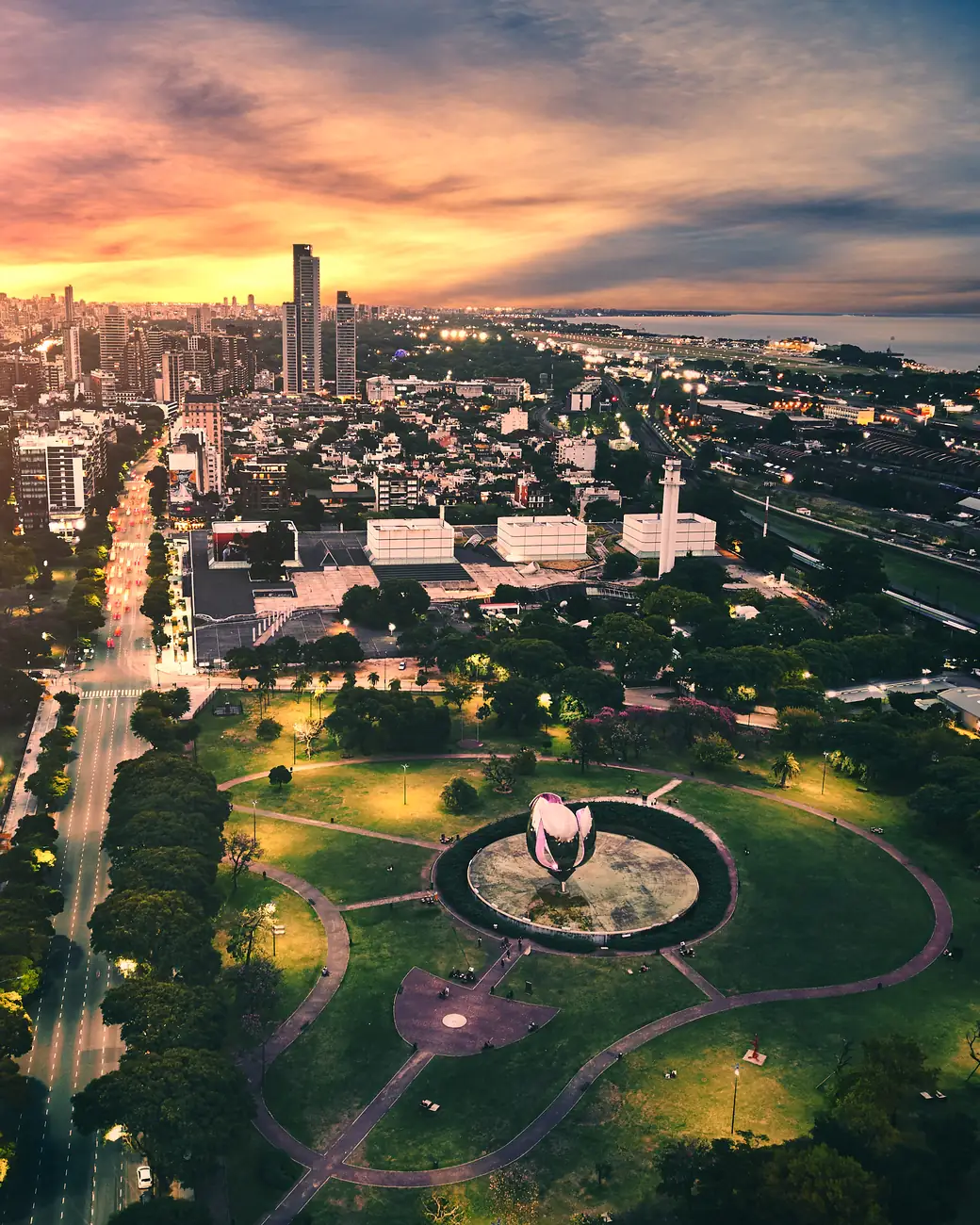
Buenos Aires is the South American city that most resembles a novel: Parisian avenues, bookshops inside old theatres, century-old cafés protected by law and an opera house — the Colón — ranked among the finest acoustics in the world. Between aristocratic Recoleta and creative Palermo, the days fill up like in few other capitals.
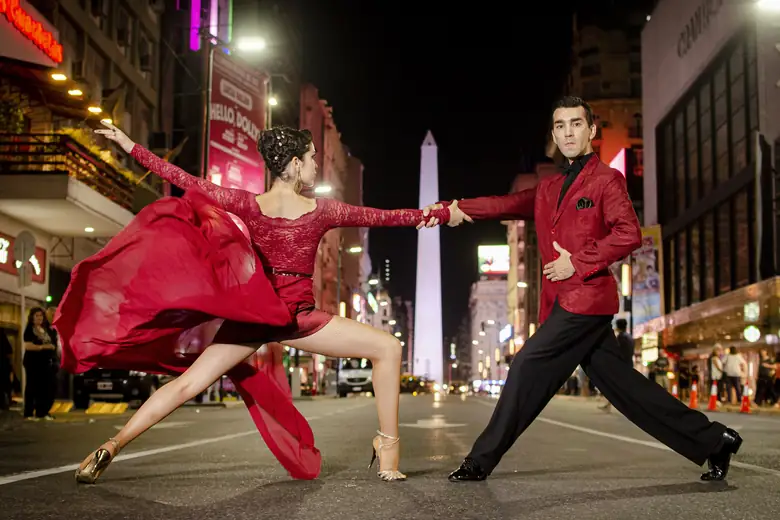
And there is the porteño table: parrillas where the asado is a ritual, neighbourhood bodegones, wines arriving from the mountains and a cocktail scene hidden behind discreet doors. At night, tango — UNESCO Intangible Heritage — steps off the stage and carries on in the milongas, where the whole city still dances in an embrace.

From the dinner show to the neighbourhood milonga where porteños really dance, tango is the city's soul in motion. If you like, a private lesson beforehand — and the dance floor stops belonging only to the others.

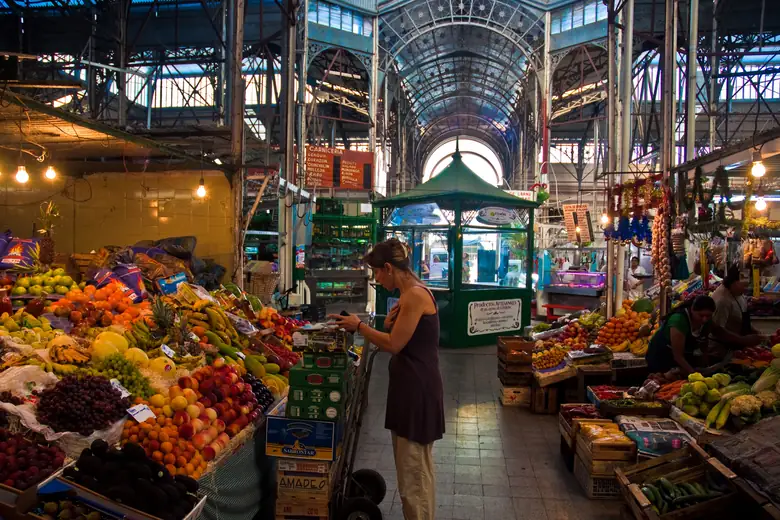
In the city's oldest quarter, the 1897 market mixes food stalls, antique dealers and delicious counters. On Sundays the fair takes over the cobblestone streets — and the afternoon ends at a parrilla, with the ritual of the asado explained at the table.

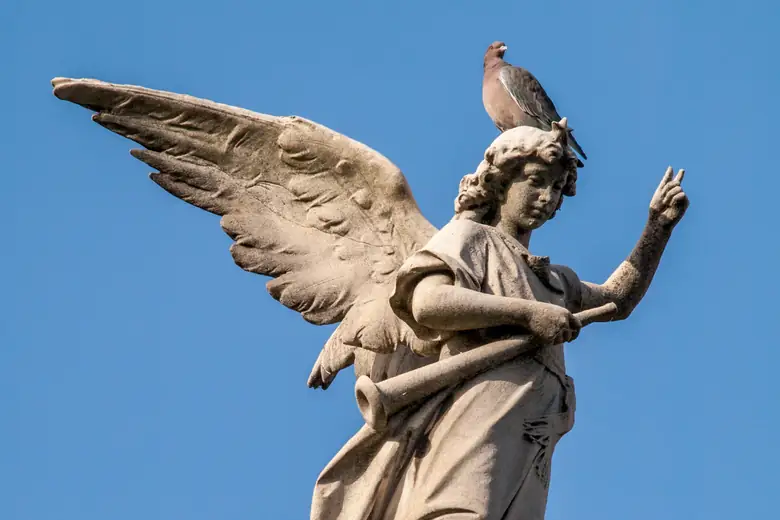
In the morning, Recoleta's museum-cemetery, where Argentine history rests among marble mausoleums — Evita included. In the afternoon, the woods, the rose garden and the boutiques of Palermo, with a mandatory pause at a notable café.
Mendoza · High-altitude wine
Second chapter
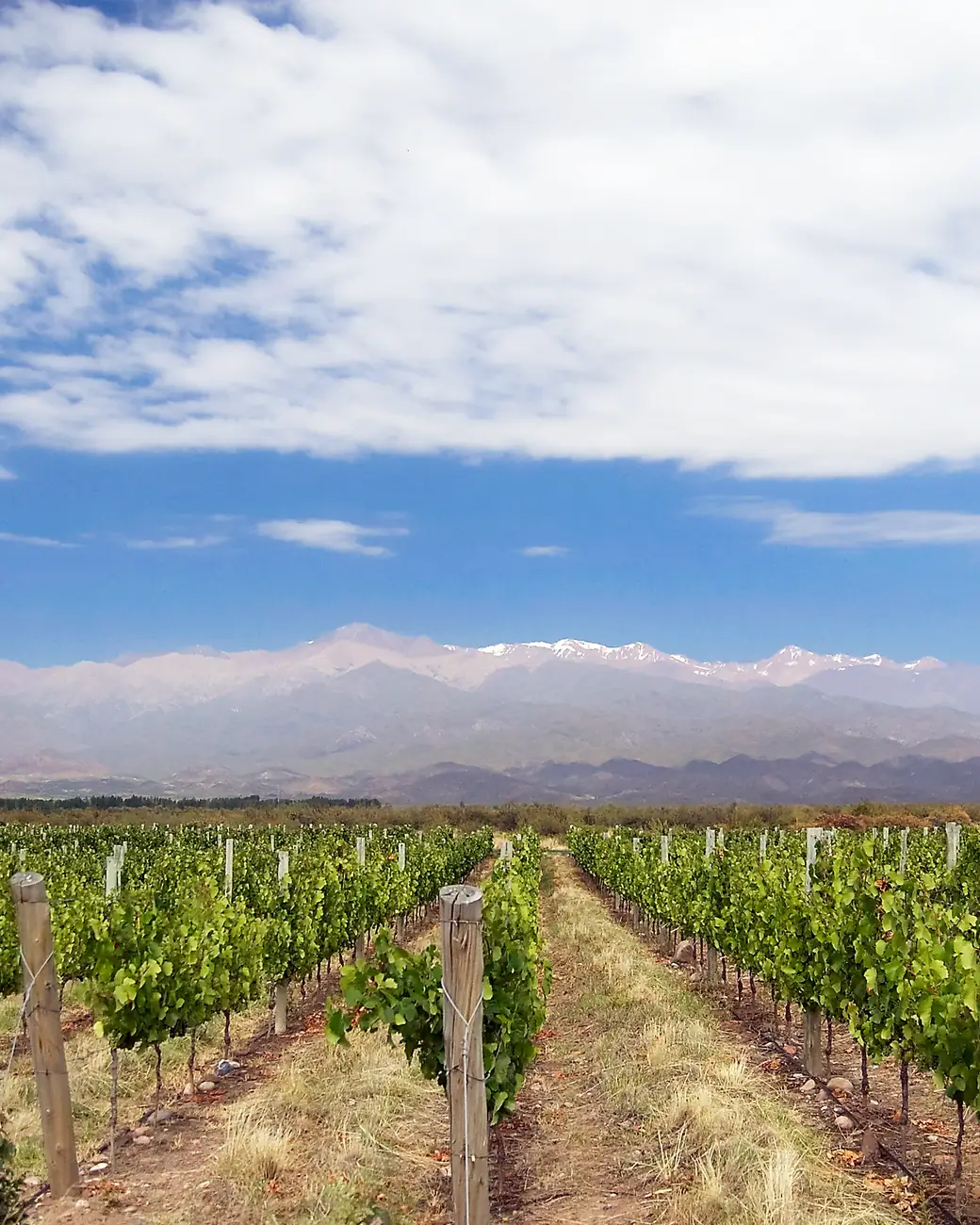
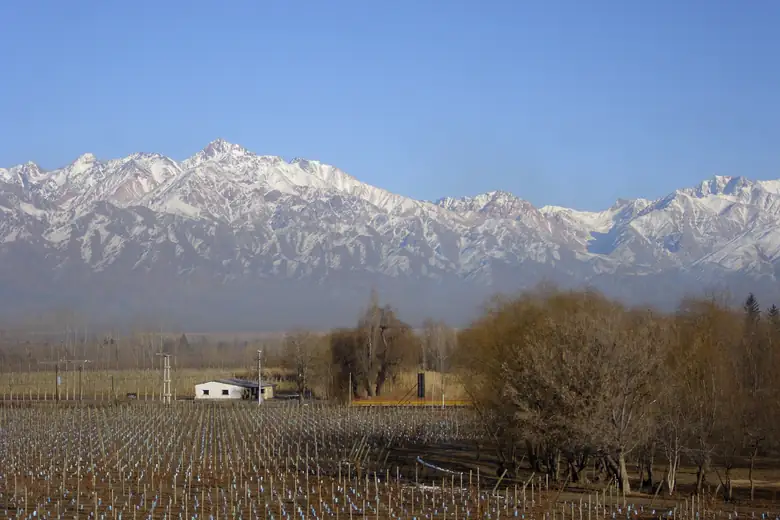
Mendoza is an oasis planted in the desert, irrigated by channels that have carried mountain water since before the Spanish. The French grape that arrived in 1853 — Malbec — found its place in the world here: year-round sun, dry air and vineyards between 800 and 1,500 metres of altitude, always with the snow-capped Andes closing the horizon.
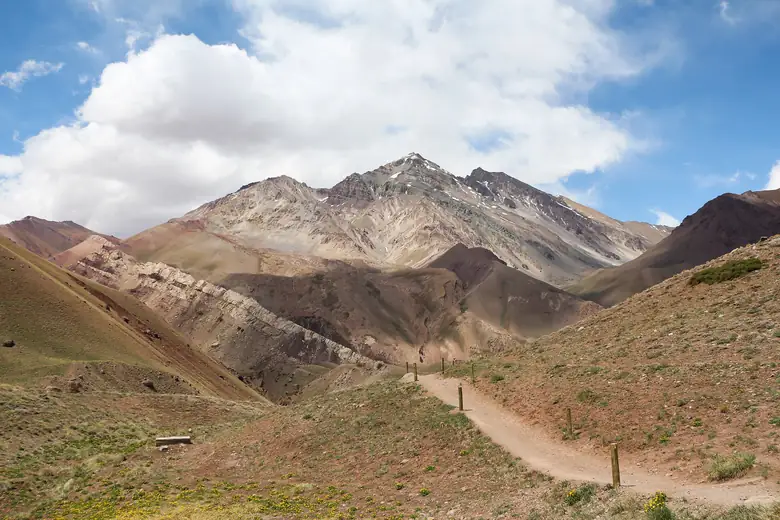
The result is one of the most beautiful wine regions on the planet — and one of the most delicious to live slowly. You sleep inside the vineyard, lunch at open-fire restaurants among the vines and, on the mountain road, the asphalt climbs to the lookouts of Aconcagua, the roof of the Americas at 6,961 metres.

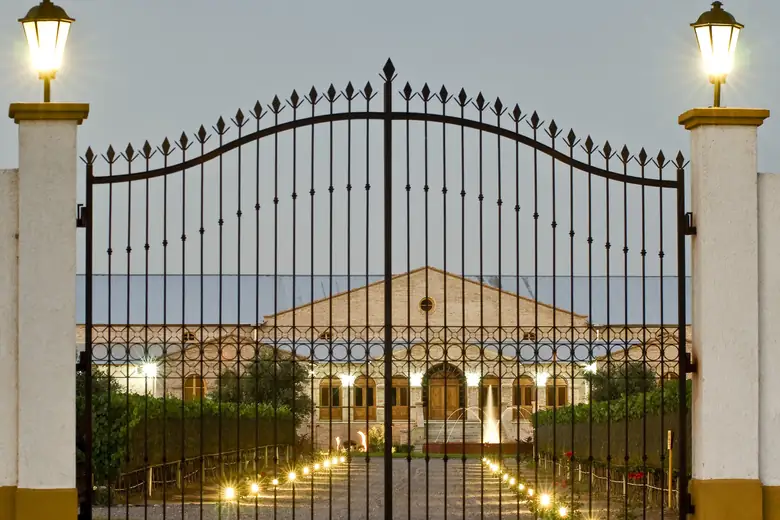
Private tastings at century-old bodegas and signature-architecture wineries, rare verticals at the winemaker's table, candlelit paired dinners. In Mendoza, visiting wine the right way is the difference between tasting and understanding.

Mendoza's high valley delivers the most scenic days of the trip: lunches with endless views, horseback rides among the vines, a sunset picnic — and the rare feeling of having the entire Andes to your own table.

A day in the cordillera: the historic road climbing towards Chile, the Aconcagua lookout — the highest mountain outside Asia —, the natural bridge of Puente del Inca and a high-altitude picnic on the way back.

Some countries fit into a single trip. Argentina asks for the opposite: each region is a planet with its own light, table and accent — and they are all a short flight apart.
From tango to ice, everything designed tailor made
Patagonia · Ice, granite and lakes
Third chapter
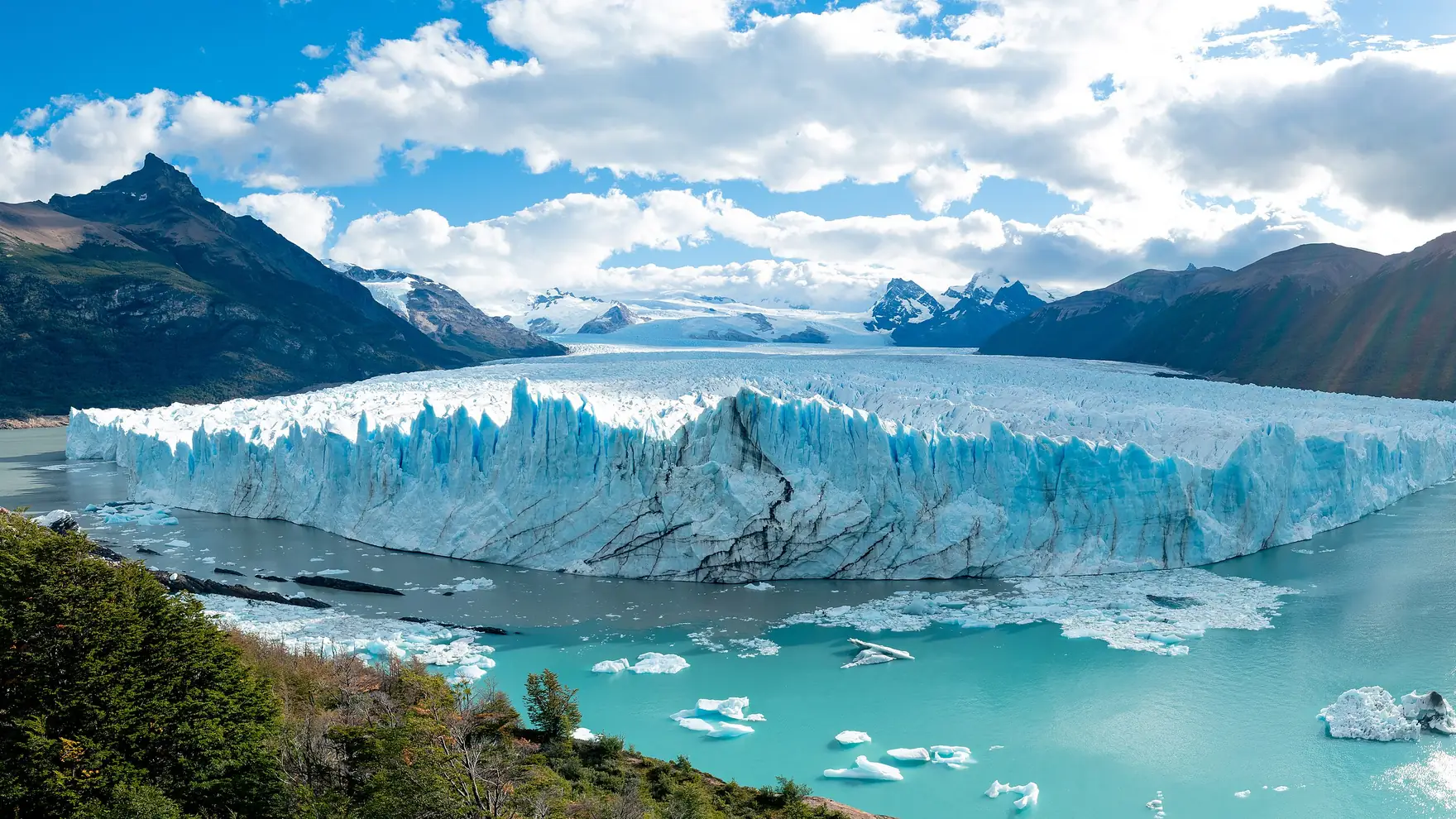
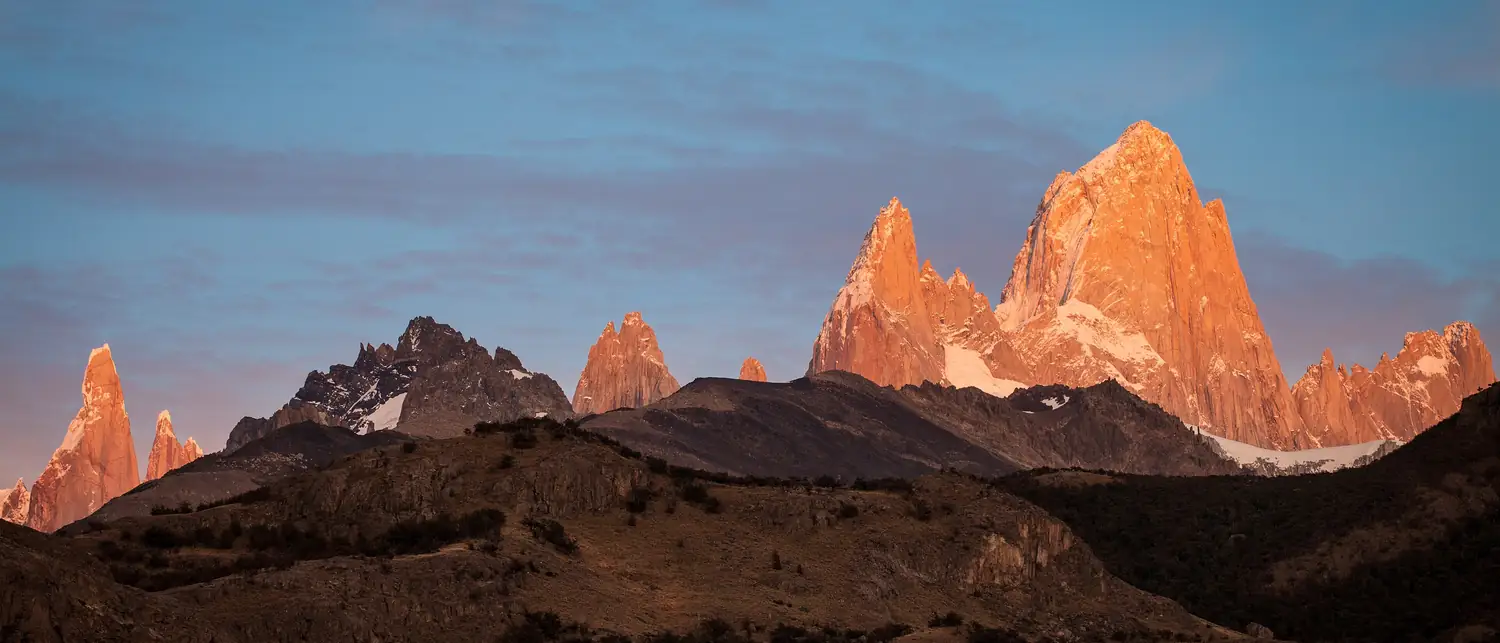
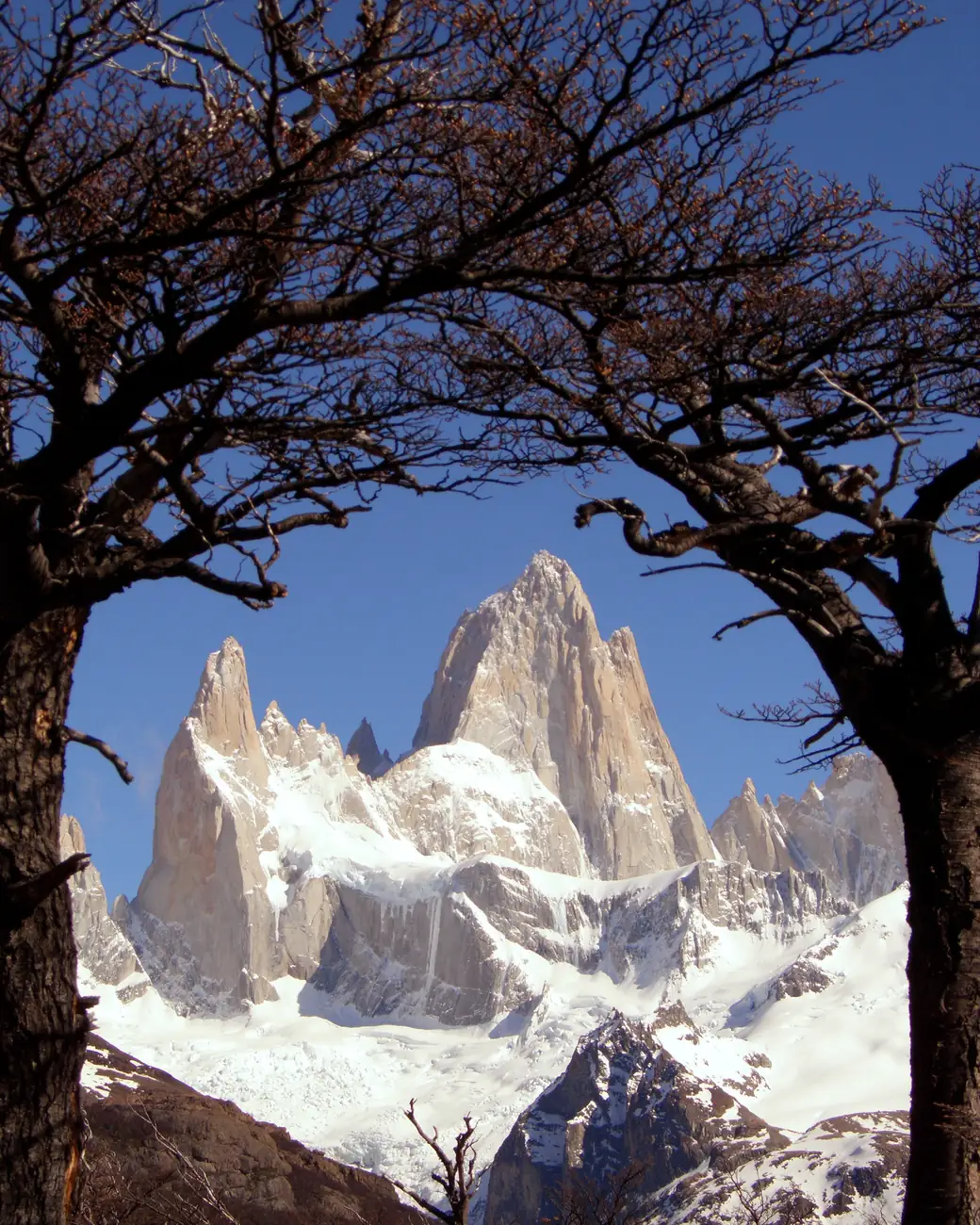
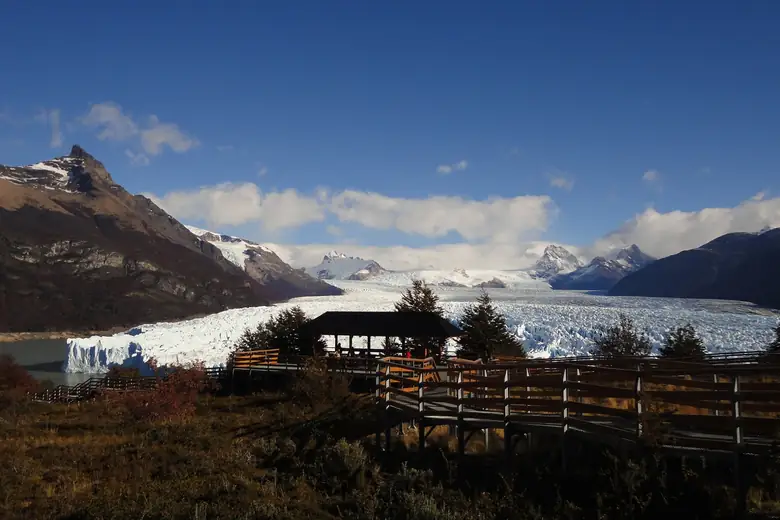
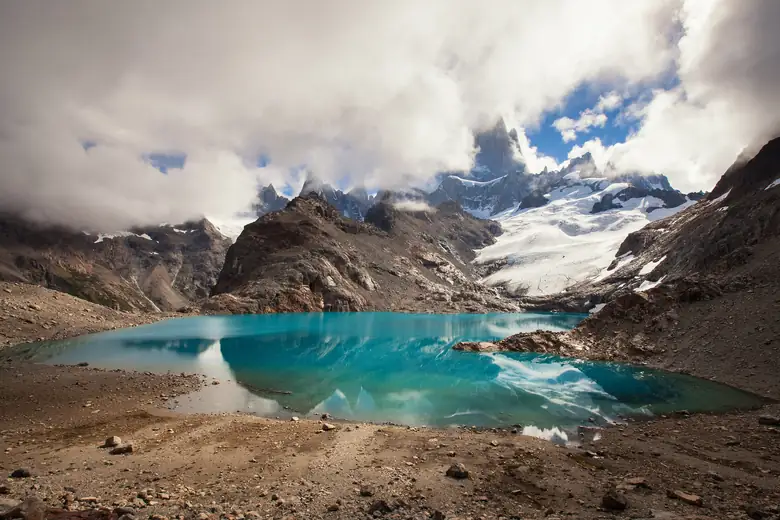
In Los Glaciares National Park, a UNESCO World Heritage Site, the Perito Moreno advances over Lake Argentino in a seventy-metre wall of ice — and every so often it collapses in front of the walkways with a roar no one forgets. Further north, El Chaltén lives at the foot of Fitz Roy, Argentina's national trekking capital.
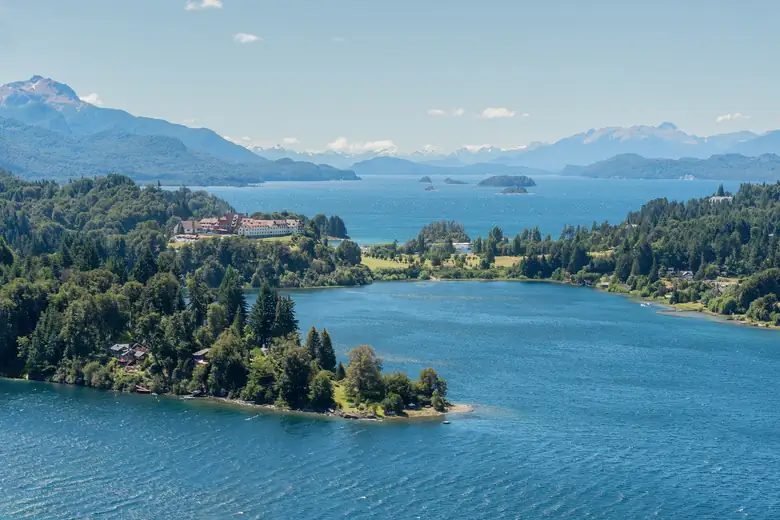
And Argentine Patagonia has a second face: the lakes. In Bariloche, the steppe turns into Andean forest, the water takes on emerald tones and the mountains deliver hot chocolate in winter and boat crossings in summer. Dramatic ice on one side, an alpine postcard on the other — and short flights stitching the two together.

The walkways stop a few metres from the blue wall — you can hear the glacier crack before each collapse. Boats get even closer and, for the adventurous, there is a crampon trek over the ice itself.

The whole village exists for walking: one-hour or full-day trails leave from the café doorsteps towards turquoise lagoons and granite lookouts. The park charges no entrance fee here — nature is the main street.

The Circuito Chico, the lookouts over Nahuel Huapi, cable cars, chocolate shops and, in winter, the snow of South America's largest ski resort. It is Patagonia at its sweetest — and the easiest to love as a family.
Iguazú · The border of waters
Fourth chapter
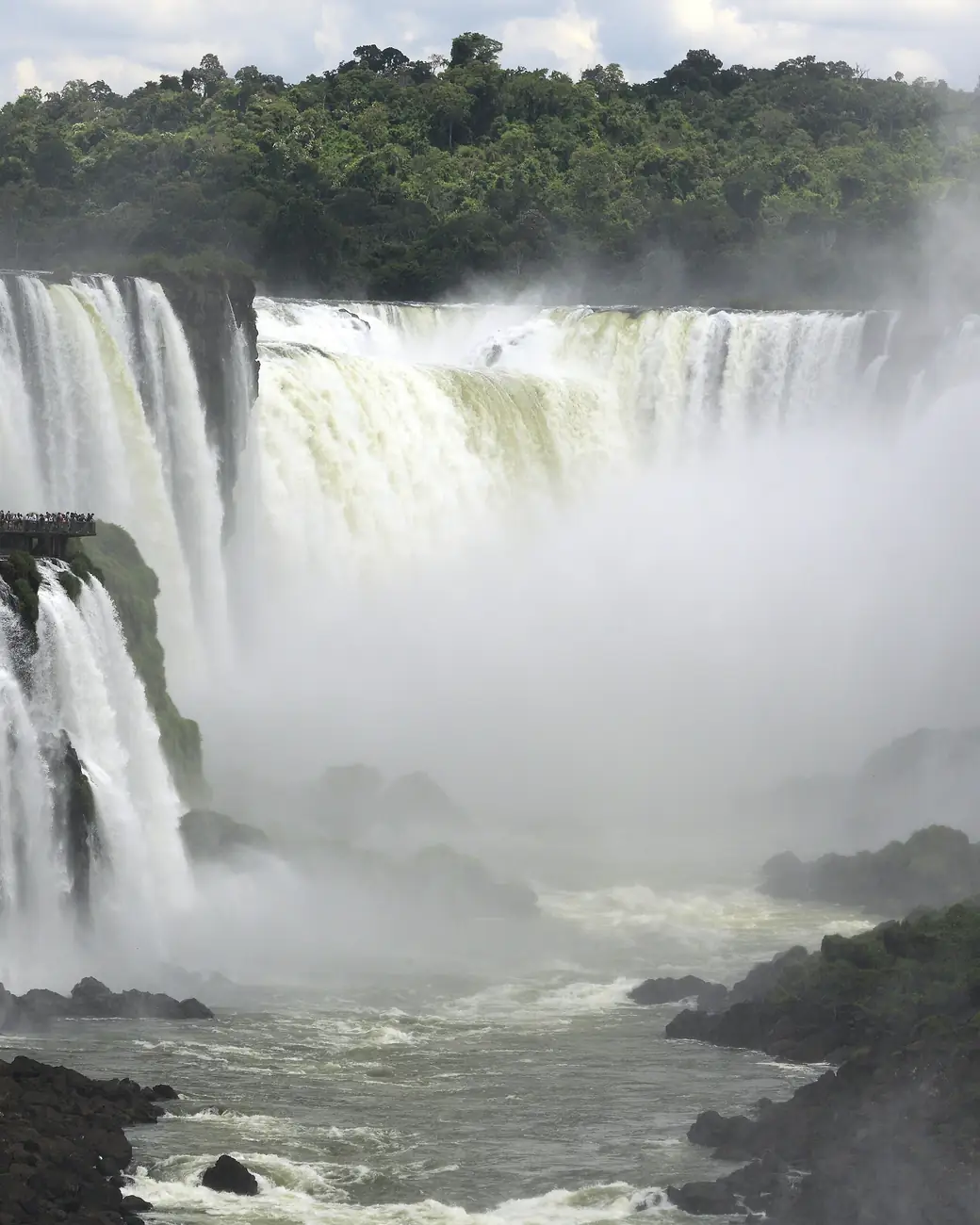
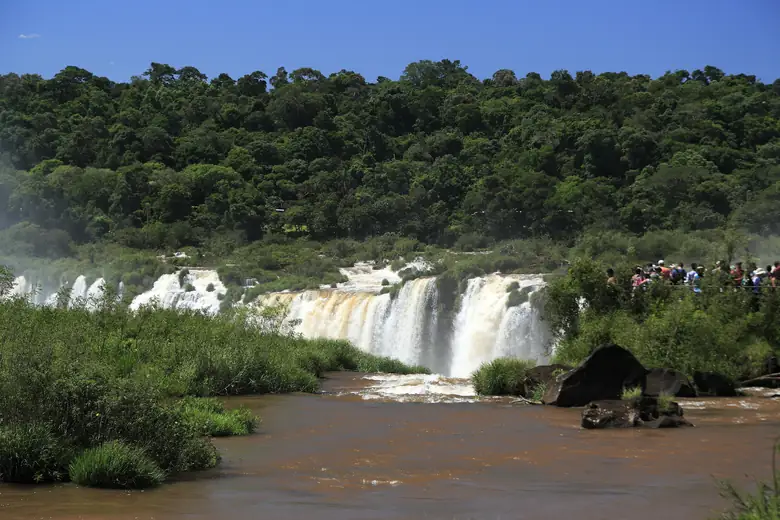
Two hundred and seventy-five falls plunge along almost three kilometres of jungle — and the Argentine side of the Falls is the one you live from within. An ecological train crosses the forest, walkways stretch over the river and, at their end, the Garganta del Diablo: an eighty-metre drop in a semicircle that swallows the horizon in mist and noise.
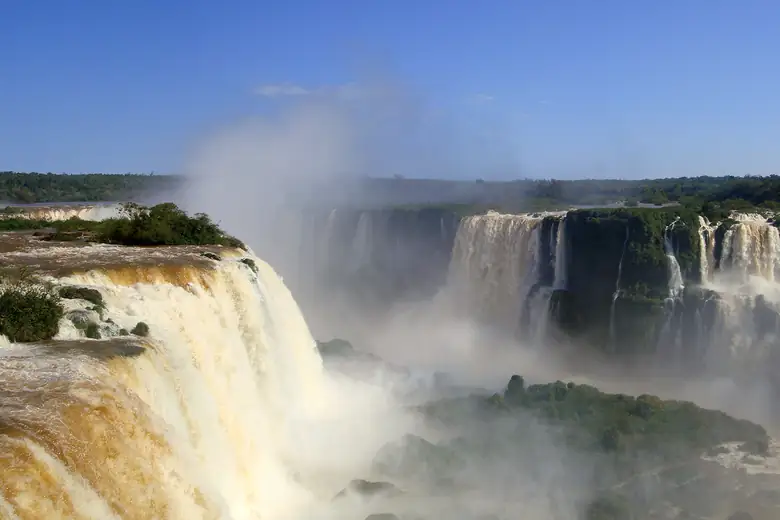
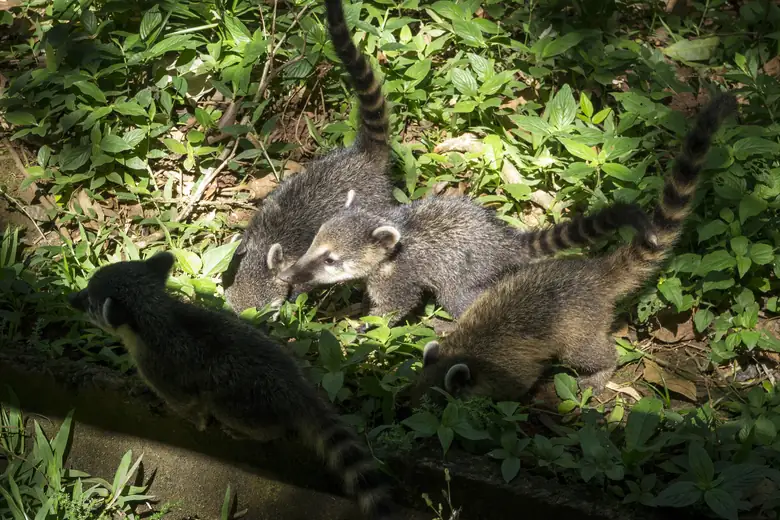
The upper and lower circuits wander past dozens of falls among butterflies, coatis and toucans, and the boat ride goes right under the water — literally. Combined with the panorama of the Brazilian side, right next door, it is one of the greatest natural spectacles on Earth.

The train through the jungle, the kilometre-long walkway over the calm river — and then, suddenly, the abyss. Seeing the Garganta from above, at the very edge of the drop, is the moment the whole trip fits into a single shiver.

The Argentine side is walked from within: walkways skimming the top of the falls and trails descending to their base, with rainbows at every turn. For the brave, the boat drives into the spray zone — getting soaked is part of the ritual.

Coatis crossing the trails, blue butterflies the size of your hand, toucans at dusk. The park is also an Atlantic Forest sanctuary — and sleeping at a lodge inside the forest turns the visit into an immersion.
Day by day
A skeleton itinerary through the country's four chapters, to give you a sense of scale — each block can grow, shrink or leave the map. Duration, pace and order are always adjusted to you.
A short flight from Brazil and arrival with the whole day ahead. A first walk around the hotel's neighbourhood, a notable café in the late afternoon and a welcome dinner at a classic parrilla.
A morning in Recoleta — museum-cemetery, the bookshop inside a theatre, the palaces —, an afternoon among the woods and boutiques of Palermo. At night, tango: a dinner show or a real milonga, whatever suits your mood.
The historic quarter and the San Telmo market, the colours of Caminito, lunch with the ritual of the asado explained at the table — and a free afternoon for Puerto Madero or a museum before the next day's flight.
A flight to Mendoza and a short drive to the hotel inside the vineyard — in Luján de Cuyo or high in the Uco Valley. A first tasting in the late afternoon, with the Andes changing colour behind the vines.
Two hand-picked bodegas — one historic, one avant-garde —, an open-fire lunch among the vines and the afternoon at whatever pace you like: wine-therapy spa, a bicycle ride or simply the pool with a view.
A high-mountain day: the historic road towards the border, the Aconcagua lookout and Puente del Inca — or, if rest is calling, one more gentle vineyard day before the leap south.
Coordinated flights to El Calafate, on the shore of Lake Argentino. Late afternoon on the steppe, with guanacos and condors as the welcome committee — and the glacier saved for the next day.
A morning on the walkways, listening to the ice crack; then a boat in front of the blue wall. For the willing, a crampon trek over the glacier — with a toast served over centuries-old ice.
A day to choose your Patagonia: a day trip to El Chaltén to walk at the foot of Fitz Roy — trails for every fitness level — or adding a Bariloche chapter, with lakes, forest and hot chocolate.
A day of crossing the entire country: coordinated flights from the far south to the northern border. Arrival in Iguazú in the jungle heat, check-in at the lodge and dusk to the sound of the forest — the trip's most radical contrast.
The Argentine park from early on: the jungle train, the upper and lower circuits, the boat for those who don't mind getting soaked — and the Garganta del Diablo at the quietest hour, so the shiver comes unhurried.
A last morning in the jungle — or the Brazilian-side panorama on the way — and the flight back to Brazil, all in a single seamless logistics. The suitcase returns with wine and alfajores; the memory, with four countries inside one.
Gallery
Click any image to enlarge.
How we travel
Argentina looks simple on the map and is vast in practice: four regions with their own climates, seasons and logistics, stitched together by domestic flights. Putting it all in the right order is exactly our craft — and it is solved before you board.
No one needs to see all of Argentina at once. With one week, Buenos Aires and Mendoza — or the capital and the glaciers; with two, the full country. We draw the cut from your days, the season and what cannot be missed.
Aeroparque or Ezeiza, connections that actually work, margins where the wind has a say: Argentine domestic flights have quirks only practice teaches. We coordinate everything in a single line — and the trip flows as if the country were small.
In Mendoza, the difference between visiting and living is access: private tastings, lunches at the producer's home, verticals that never reach the counter. We knock on the right doors beforehand — and they open for you.
On the ice, in the mountains and in the jungle, the right guide turns scenery into story: walkway glaciologists, estancia baqueanos, forest naturalists. We book the best — privately and at your pace.
Jungle heat in Iguazú, real wind in the south, cool nights at Mendoza's altitude — sometimes all in the same week. We send the exact list by region and season, so the suitcase closes light and nothing is missing.
From boarding in Brazil to the return, a team follows the entire trip. Any surprise — a flight, a road, a special request at the lodge — is solved with a message, in your language.
Where to stay
We work with a short selection of houses we know and trust — organised here by style, which in each region of the country defines the experience. The final choice is always designed with you.
Buenos Aires sleeps in two accents: the belle époque palaces of Recoleta, with marble, haute couture and afternoon tea — or the design boutiques of Palermo, among patios, restaurants and neighbourhood life.
Sleeping inside the vineyard with the Andes in the window: private villas among the Malbec rows, wine-therapy spas, the producer's dinners and the sunset gilding the cordillera. Mendoza at its best pace.
In the south, Patagonian estancias and lakeside refuges with the fireplace lit and windows that double as paintings; in Iguazú, lodges inside the forest itself, where the day begins with the jungle's song and ends at the pool under fireflies.
Before you go
Practical information for those starting to think about the trip.
Argentina has no wrong season — it has regions with different clocks. Buenos Aires and Iguazú work all year round; Patagonia has its season; Mendoza and the snow keep their own calendars:
Brazilians need no visa for tourism of up to 90 days — and can even enter with a national ID card, as long as it is in good condition and issued less than ten years ago (a driving licence does not count). With a passport, the six-month validity rule avoids any surprise.
Children travelling with both parents need only their usual documents; other family configurations carry specific authorisation requirements. We walk you through everything before departure, item by item.
The currency is the Argentine peso, and the exchange system has a reputation for being confusing — in practice it has become simple: international cards usually convert at a competitive tourist rate, and cards and contactless payment are accepted almost everywhere.
Even so, every moment has its best strategy between card, cash and local exchange. We send you the up-to-date picture just before the trip — no surprise at the first bill.
Argentina is the eighth-largest country in the world: its regions connect by domestic flights, almost always via Buenos Aires — which has two airports, one of them minutes from downtown. The order of the stops changes the cost and the fatigue of the entire trip.
This is how we design it: connections through the right airport, margins where the weather has a say — the southern wind has a voice — and enough nights at each base for the trip to breathe. Distance, here, is just scenery passing by the window.
To add on
Layers that fit naturally into a journey through Argentina.
In the northwest, Argentina turns Andean: the Quebrada de Humahuaca — a World Heritage Site —, Purmamarca's hill of seven colours, colonial villages and the high-altitude vineyards of Cafayate. A country within the country, still under the radar.
The southernmost city on the planet, between the Beagle Channel and mountains that fall into the sea: the End of the World train, penguins and king crab on the table. It is also the departure port for expedition cruises towards Antarctica.
Between June and December, southern right whales choose the calm waters of Valdés as their nursery — and the sighting happens metres from the boat. Elephant seals and sea lions, penguins and orcas complete the Atlantic safari.
Argentina's wetlands: one of the largest marshlands in the world, with caimans, capybaras, marsh deer and the historic reintroduction of the jaguar. It combines naturally with Iguazú — jungle and freshwater in a single sequence.
In March, all of Mendoza goes into harvest: baskets in hand, new must perfuming the cellars and the Fiesta Nacional de la Vendimia crowning the season. For wine lovers, it is when the region shows its soul.
From Mendoza or Patagonia, Chile lies just across the cordillera: Santiago and Valparaíso, the Atacama, Torres del Paine. Two countries of extremes stitched into a single, epic journey.
( Pairs well with this trip )
The Atacama, the wine valleys and Torres del Paine — the neighbour across the cordillera that doubles the route's extremes.
From Rio to the Amazon and the Pantanal, the continent-sized country that adds beach, jungle and waterfalls to the journey.
Machu Picchu, the Sacred Valley and Lima's cuisine — the Andean classic to pair with Argentina.