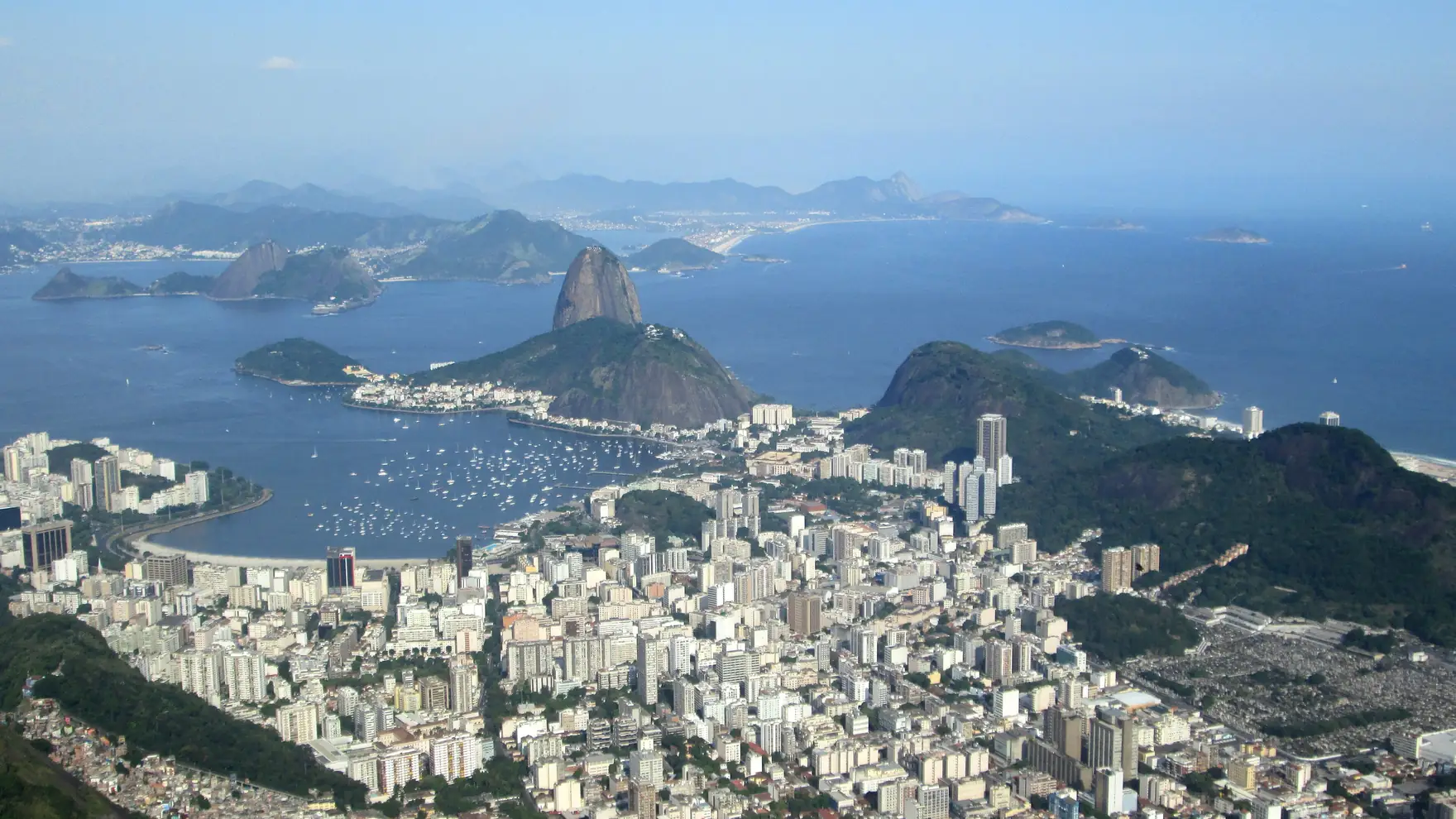
Vista do Rio de Janeiro com o Pão de Açúcar e a baía de Guanabara

Brazil · A continent of a country

One country,
many journeys

Few places on Earth fit so much into a single passport: the world's most scenic city, beaches that top global rankings, the largest tropical forest on the planet, the best safari in the Americas and waterfalls that make the ground tremble. This is the Brazil we design — stitched together from the inside, at your pace, with the comfort each chapter deserves.

7,367 kmof coastline — the longest in the South Atlantic, with a beach for every season
60%of the planet's largest tropical forest lies in Brazilian territory
6different biomes — from the Pantanal wetlands to the dunes of the Lençóis
100%tailor made — route, season and pace chosen for you

The destination

The Brazil even Brazilians
haven't seen yet

Brazil is a continent of a country — and that is precisely what makes it one of the world's great destinations. A single territory holds a metropolis squeezed between granite mountains and the sea, a volcanic archipelago of transparent waters, a desert of white dunes dotted with lagoons, the largest tropical forest on Earth and the plains with the most visible wildlife in the Americas.

Travelling it well, however, is a craft: distances are continental, every route has its right season — and the best houses have very few rooms. The magic happens when the country stops being a map and becomes an itinerary: domestic flights that click into place, guides who open doors, addresses that never show up in search engines and days designed around your occasion.

This page is an invitation to rediscover the country — or to introduce it to someone arriving from abroad. Four great chapters, endless combinations: Rio, the coastline, the wild and the falls. Your version of Brazil begins with a conversation with us.

Beaches & islands Wildlife Culture & gastronomy Families Honeymoon New Year's Eve & Carnival

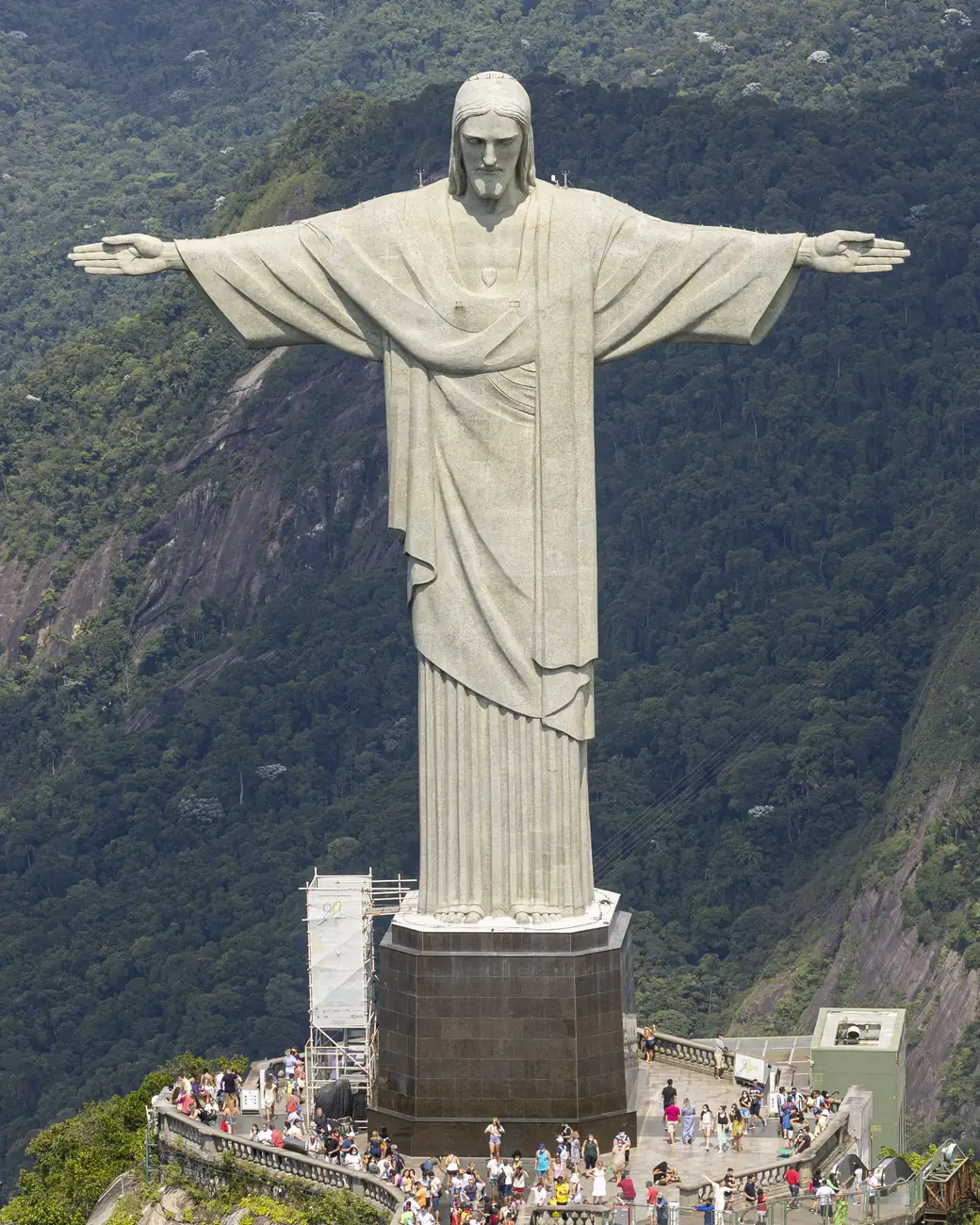
Cristo Redentor no alto do Corcovado, visto do céu, com o mirante aos pés Rio de Janeiro · The gateway

First chapter

The city no other city can imitate

No metropolis in the world negotiates with geography like Rio: granite mountains plunging into the sea, an urban forest stitching the neighbourhoods together, beaches that work as public squares. UNESCO acknowledged the obvious in 2012, inscribing the carioca landscape — between the mountain and the sea — as a World Heritage Site. It is the postcard city, and it still surprises those who arrive thinking they already know it from photographs.

Our Rio has layers the tour-bus circuit never reaches: Christ the Redeemer at dawn, before the gates open to the public; a food scene that now rivals any capital in the world; the sunset at Arpoador applauded like a show; the ateliers, the historic centre and Little Africa narrated by people who study the city. Two or three days here open the journey at just the right altitude.

  • 1931 — Christ the Redeemer, voted one of the New Seven Wonders of the World
  • 1912 — the Sugarloaf cable car, Brazil's first
  • 2012 — Rio's landscape inscribed as a UNESCO World Heritage Site
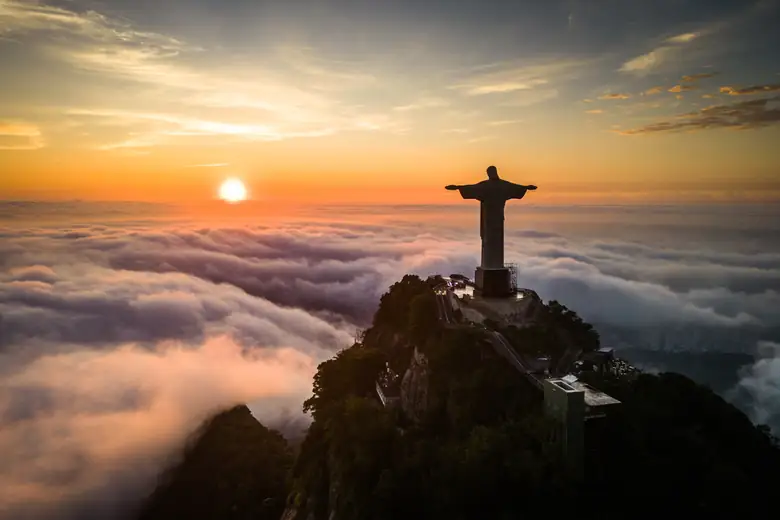
Cristo Redentor acima do mar de nuvens, ao amanhecer no Corcovado
The icon

Christ the Redeemer, done right

Atop the 710 metres of Corcovado, the most famous open arms on the planet. The secret is the hour: early in the morning, with early access, the terrace is almost yours alone — and the city wakes at your feet, Guanabara Bay glowing in the distance. Then descend through Tijuca, the largest replanted urban forest in the world.

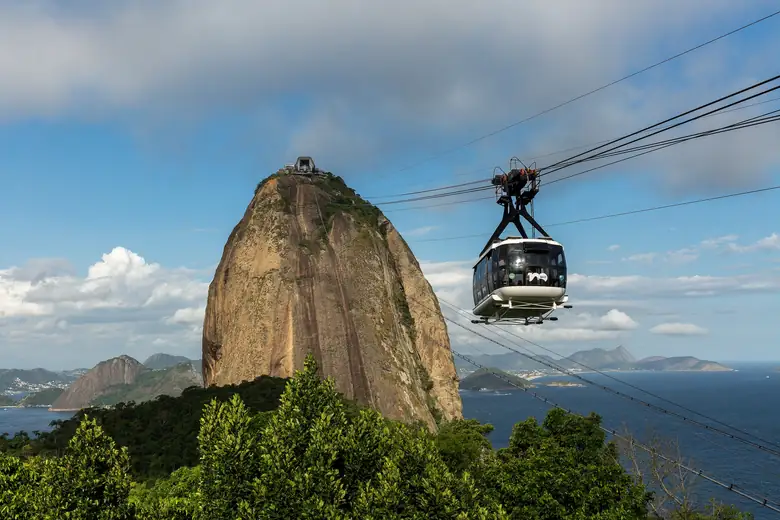
Bondinho do Pão de Açúcar sobre a baía de Guanabara
For everyone

Sugarloaf at sunset

The century-old cable car climbs in two stages to the top of Brazil's most photographed granite, 396 metres above the bay. The right time is late afternoon: the sun sets behind the Christ, the city lights come on one by one and the bay turns into a copper mirror. With a glass of sparkling wine in hand, it is Brazil's favourite proposal setting — for good reason.

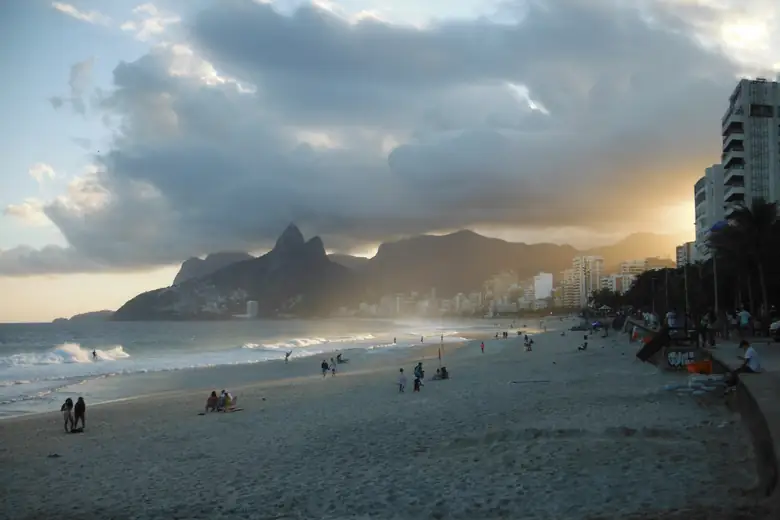
Praia de Ipanema com o morro Dois Irmãos ao fundo
The ritual

Ipanema, Leblon & the carioca table

In Rio the beach is a way of life: an early bike ride along the promenade, coconut water at the kiosk, the sunset applauded from the Arpoador rock. Between one swim and the next, a city that became a gastronomic capital — from awarded neighbourhood counters to dinners with a view that close the night. We book the right tables.

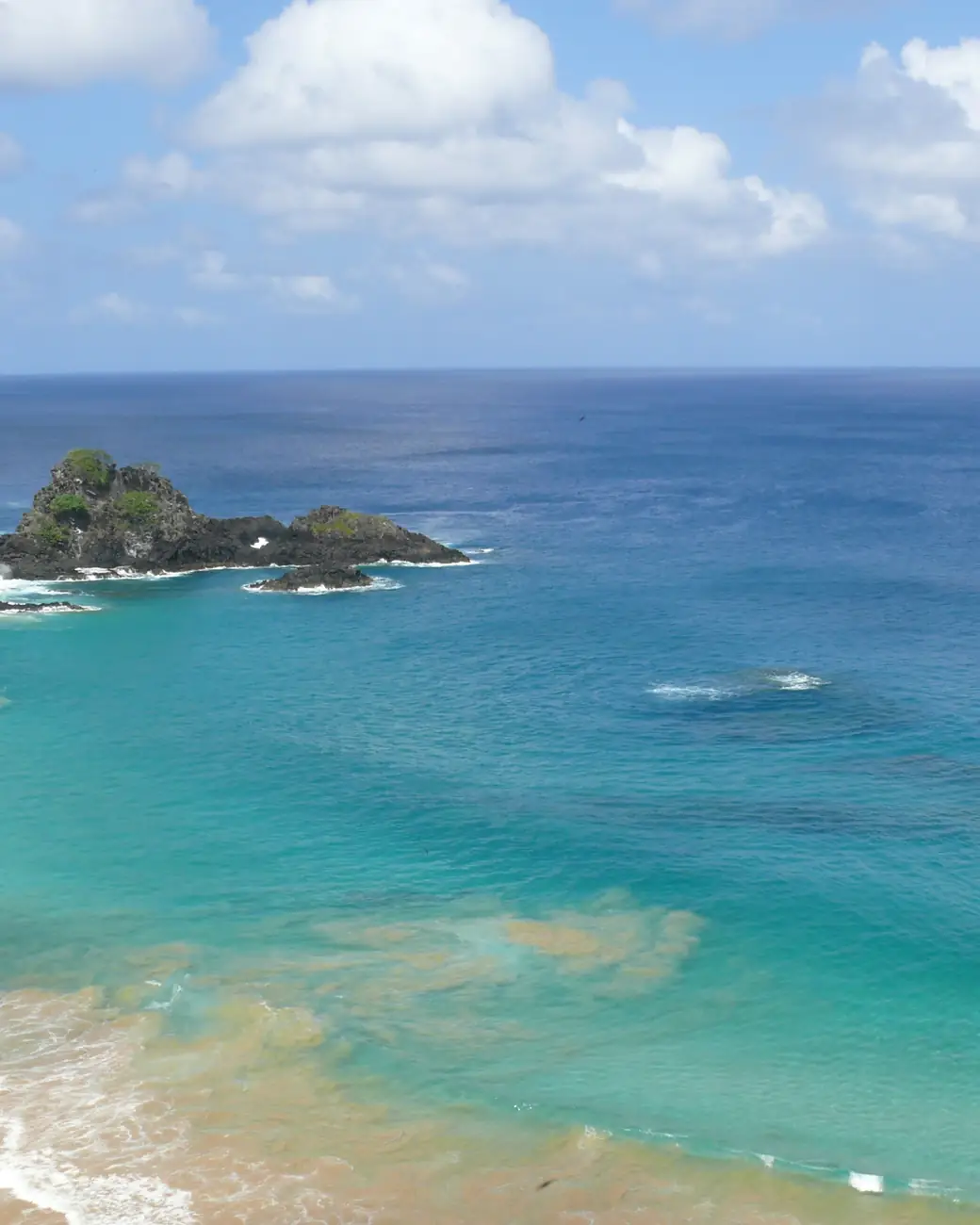
Baía do Sancho, em Fernando de Noronha, vista do alto The coastline · 7,367 km of possibilities

Second chapter

The world's longest tropical coastline — choose yours

More than seven thousand kilometres of coast, and no stretch repeats another: a volcanic archipelago where dolphins escort the boats, sand-street villages where luxury goes barefoot, dunes hiding freshwater lagoons, colonial bays wrapped in forest. The Brazilian coastline is not a destination — it is a menu, and the first decision of the trip is choosing the right beach for your occasion.

It is also a year-round coastline: when it rains on one route, the sun is out on another. Noronha peaks from August to January, the Lençóis lagoons fill from June to September, Bahia and Rio heat up in summer. Our curation crosses season, style and occasion — and books the right houses before their few rooms are gone.

  • No. 1 — Sancho Bay, voted the world's most beautiful beach more than once
  • 2024 — the Lençóis Maranhenses inscribed as a UNESCO World Heritage Site
  • 12 months of summer — there is always a beach route in its right season
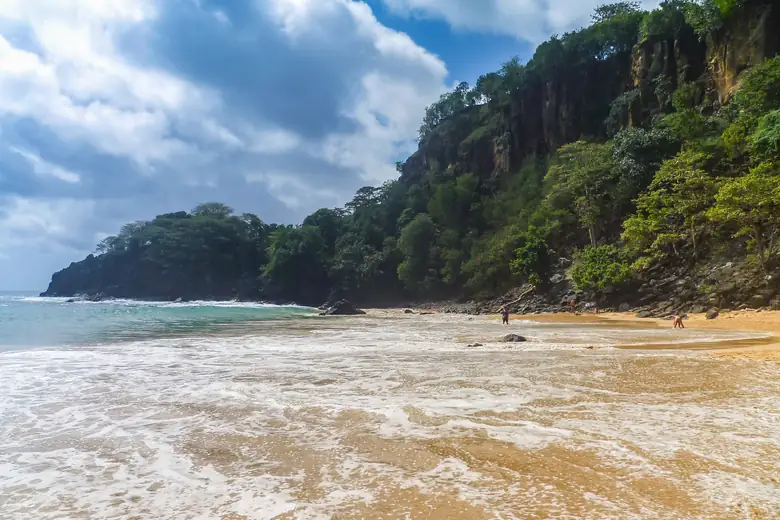
Mar avançando pela areia dourada de uma praia de Fernando de Noronha, entre falésias verdes
The island

Fernando de Noronha

A volcanic archipelago of 21 islands, mostly protected by a marine national park: visibility of dozens of metres, turtles in the natural pools, spinner dolphins twirling at the bow. Sancho Bay tops world rankings with embarrassing consistency. Few inns, few places — paradise here is limited by decree, and booking early is part of the game.

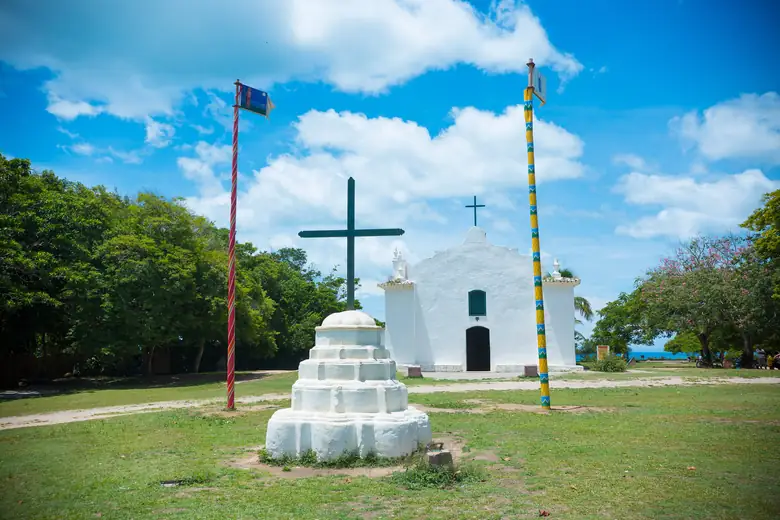
Quadrado de Trancoso com a igreja branca de São João Batista ao fundo
The village

Trancoso & southern Bahia

A colonial village green, brightly painted houses, a white sixteenth-century church facing the sea — and, hidden behind that simplicity, one of the country's most sophisticated hospitality scenes. Trancoso invented Brazilian barefoot luxury: tables on the sand, farm houses turned into hideaways, and beaches like Espelho and Caraíva a short ride away.

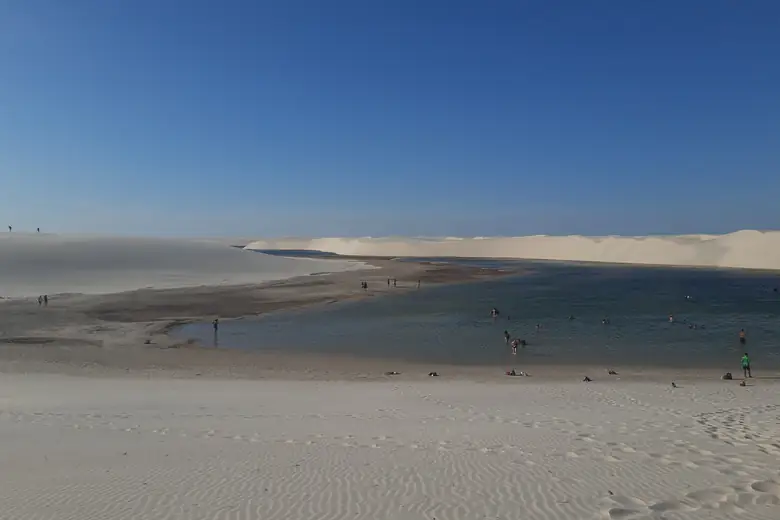
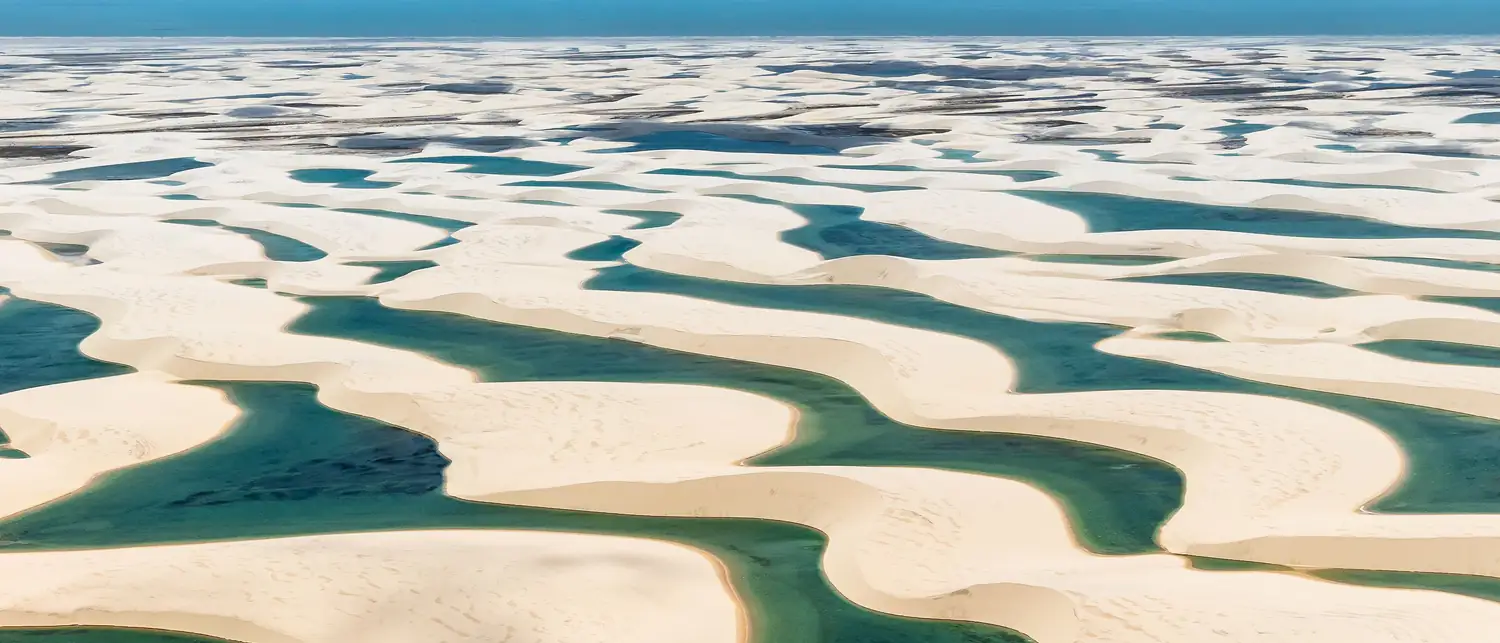
Dunas brancas e lagoas azuis dos Lençóis Maranhenses
The water desert

Lençóis Maranhenses

One hundred and fifty-five thousand hectares of white dunes which, between June and September, fill with warm emerald lagoons — a landscape that exists nowhere else on the planet, recognised by UNESCO in 2024. Morning flightseeing, 4x4 crossings, lagoon swims at dusk: Brazil at its most surreal.

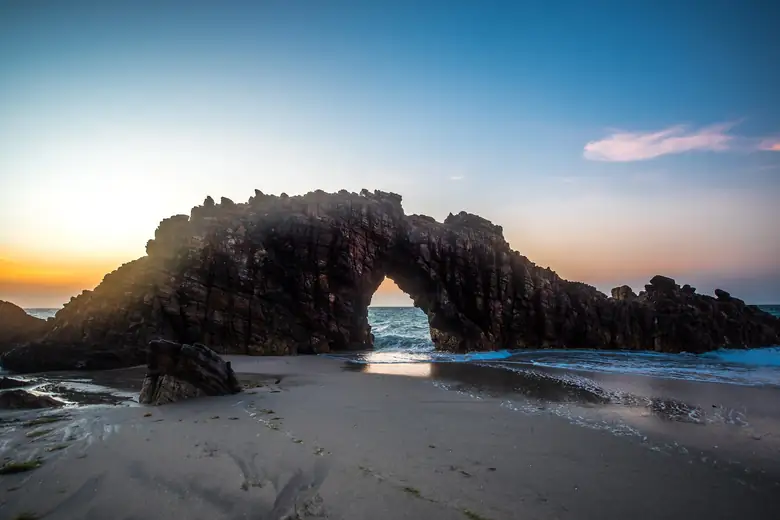
Dunas de Jericoacoara ao pôr do sol
The village in the dunes

Jericoacoara

Sand streets, winds that draw sailors from all over the world and the daily ritual of climbing the Sunset Dune to watch the day end inside the sea. Jeri balances an unpretentious village with high-level lodging — and works equally well as a lazy week or as the final leg of the overland route that starts in the Lençóis.

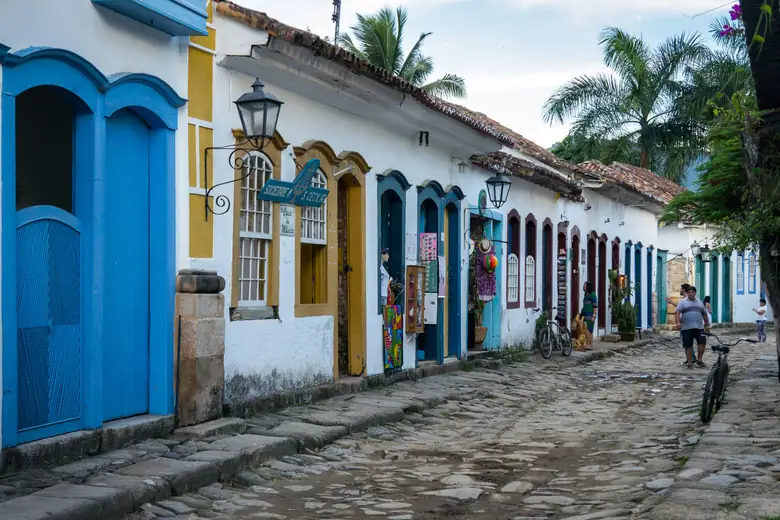
Rua de pedra de Paraty com casario colonial de portas coloridas
History & sea

Paraty & the Green Coast

A whitewashed historic centre recognised by UNESCO, surrounded by a bay of dozens of islands and beaches only reachable by boat. The perfect day: a private schooner or speedboat in the morning, a forest waterfall in the afternoon, dinner in an eighteenth-century townhouse. Between Rio and Paraty, Angra dos Reis and Ilha Grande complete the greenest coast in the Southeast.

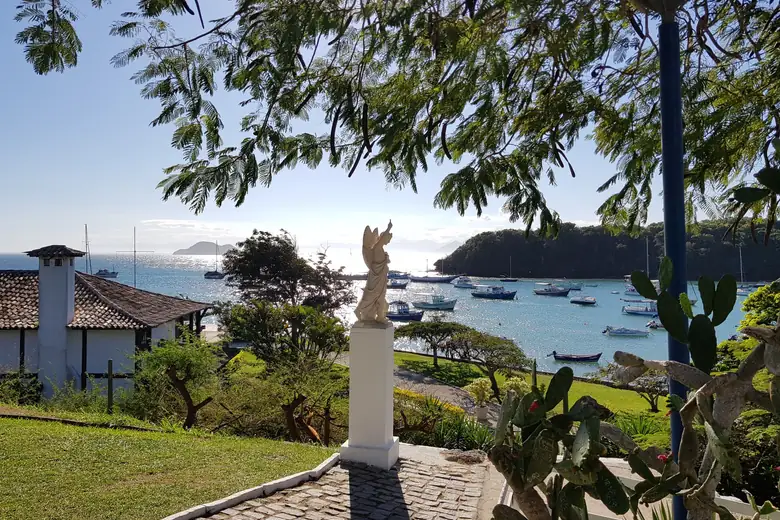
Enseada de águas claras em Armação dos Búzios
The peninsula

Búzios

The fishing village Brigitte Bardot introduced to the world in the 1960s became a peninsula with more than twenty beaches, cobbled streets, good tables and charming inns leaning over the sea. Three hours from Rio, it is the natural extension of a carioca week — with a boat ride around the coves and sunset on the Orla Bardot.

Lagoas azuis entre as dunas brancas dos Lençóis Maranhenses vistas do alto

There is a moment, on top of a dune in the Lençóis, when the lagoons light up in green and blue as far as the eye can see — and Brazil seems invented. The entire trip fits inside that moment.

A whole country, designed tailor made
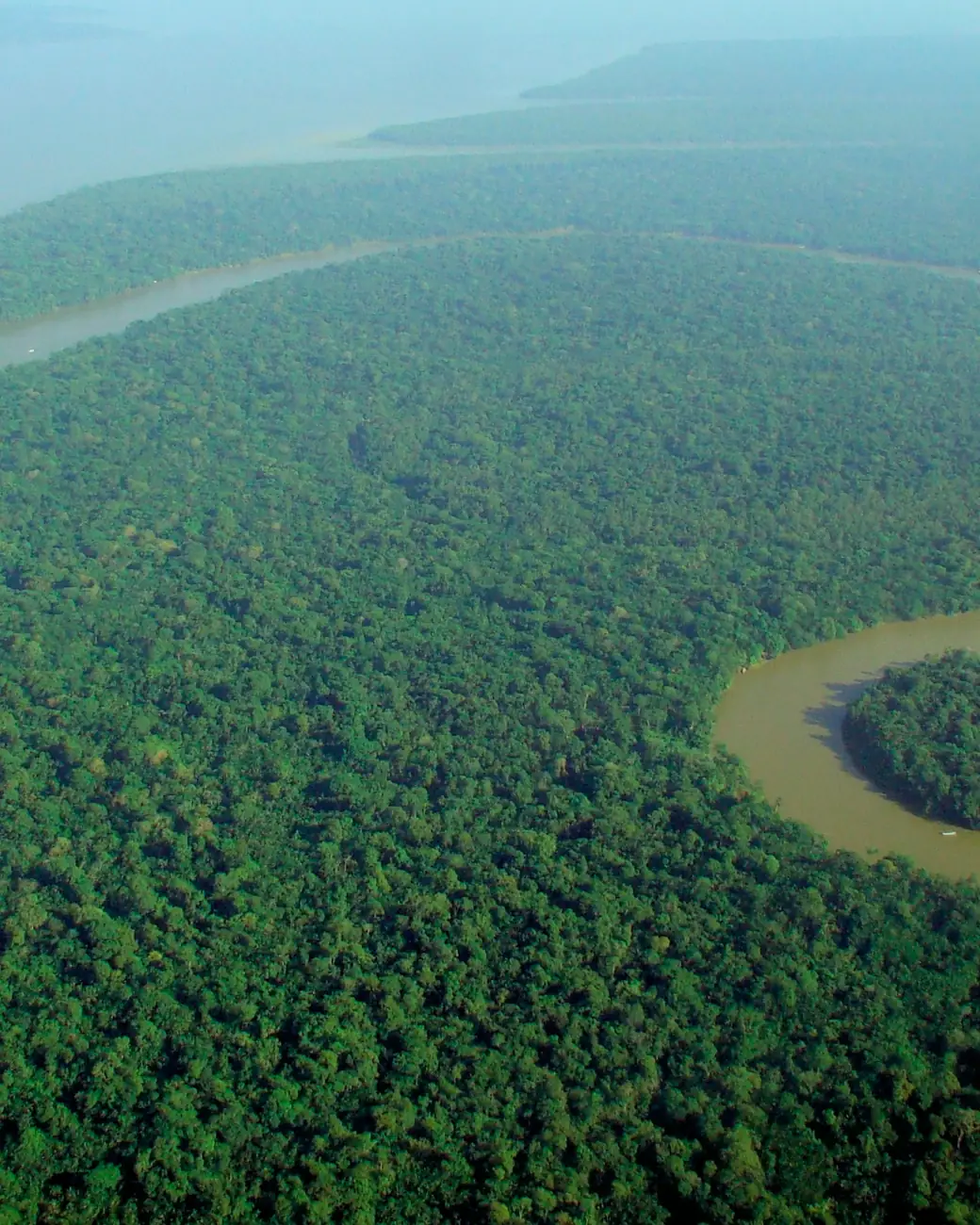
Rio serpenteando pela floresta amazônica vista do alto Amazon & Pantanal · The wild side

Third chapter

Two wild worlds — and a safari of our own

The Amazon is scale: the largest tropical forest on the planet, with 60% of its territory on Brazilian soil, rivers that look like seas and a green silence that reorganises anyone. You sail the Rio Negro through the hundreds of islands of Anavilhanas — one of the largest river archipelagos in the world —, sleep in forest lodges or boutique boats, and the forest reveals itself in layers: river dolphins, flooded forests, misty dawns, riverside communities.

The Pantanal is proximity: the planet's largest tropical wetland is the place in the Americas where wildlife shows itself most willingly. In the dry season, from July to October, the animals concentrate along the rivers — and the encounter with the jaguar, a lottery almost anywhere else on the continent, becomes a matter of days here. Hyacinth macaws, jabiru storks, giant otters and capybaras complete the cast of a genuinely Brazilian safari.

  • 60% of the Amazon — the world's largest tropical forest — is Brazil
  • No. 1 — the Pantanal is the largest tropical wetland on Earth
  • Jul–Oct — the dry season that gathers the jaguars along the rivers
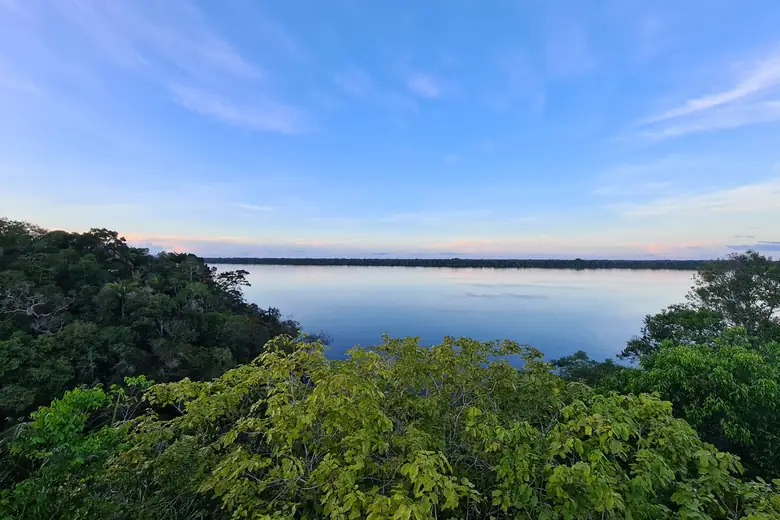
Mata e rio Negro no Parque Nacional de Anavilhanas
The labyrinth

Anavilhanas & the Rio Negro

Hundreds of islands drawing channels of dark water, river beaches that appear in the low-water season and flooded forests you canoe through when the river is high. It is the contemplative Amazon — coffee at the bow while the mist lifts — and the base of the forest's best lodges, a few hours from Manaus.

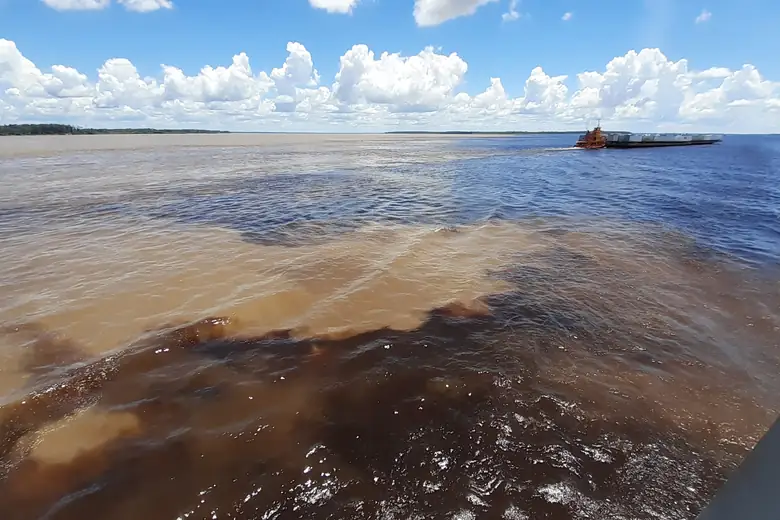
Encontro das águas dos rios Negro e Solimões, correndo lado a lado
The phenomenon

The Meeting of Waters

In front of Manaus, the coffee-dark Rio Negro meets the clay-coloured Solimões — and the two run side by side for kilometres without mixing, a liquid frontier visible to the naked eye. It is the classic opening of the Amazon journey, before the boat turns towards the silence.

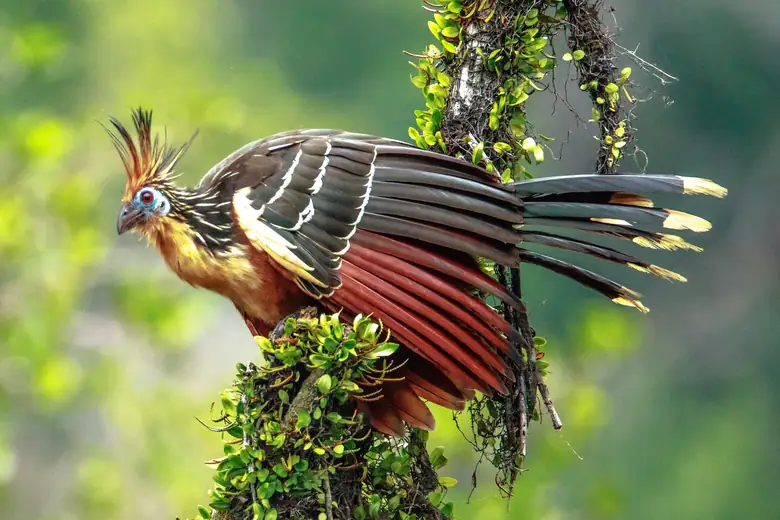
Cigana, ave amazônica de penacho, na vegetação de igapó
With children

River dolphins, sloths & the living forest

The pink river dolphin surfacing beside the canoe, sloths in the trees, monkeys crossing the branches, the forest's dawn chorus. With naturalist guides translating every sound, the Amazon becomes the greatest science class in the world — and the trip children never forget.

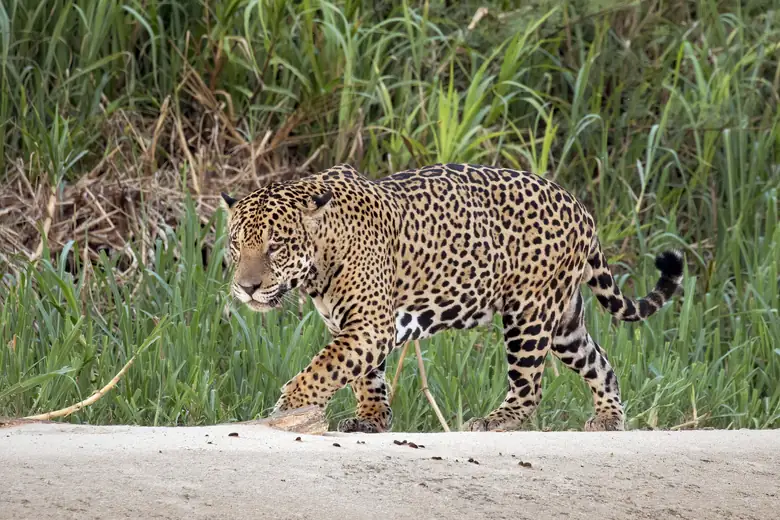
Onça-pintada à beira do rio no Pantanal
The encounter

The jaguar

The largest cat in the Americas, hunting in daylight along the riverbanks of the northern Pantanal — the region with the highest jaguar density on the planet. In the dry season, with days of boat safaris and specialised guides, the sighting stops being luck and becomes method. It is South America's photographic trophy.

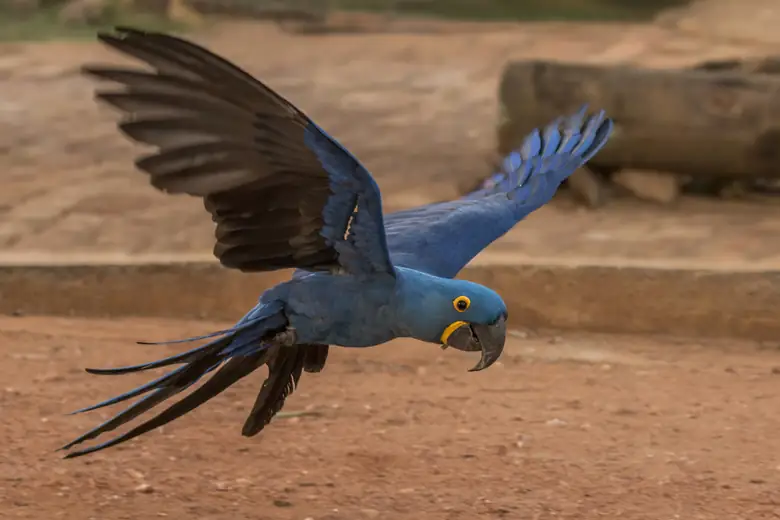
Arara-azul em pleno voo
For everyone

The macaws' ballet

The hyacinth macaw — the largest parrot in the world, cobalt blue from end to end — flies in noisy pairs over the Pantanal ranches, sharing the sky with jabiru storks, spoonbills and more than 600 bird species. In the Pantanal, the binoculars work from breakfast to sunset.

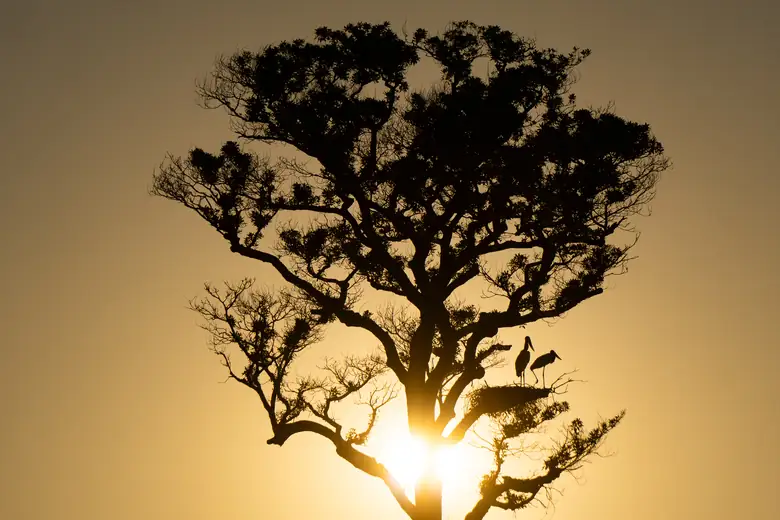
Árvore em contraluz no entardecer pantaneiro, com aves pousadas nos galhos
Pantanal life

Ranches & sunset safaris

In century-old cattle ranches turned into refuges, the day follows the rhythm of the land: a truck safari at dawn, horseback riding with real pantaneiros, a boat ride at dusk with the sky on fire over the plains. Hotel comfort, farmhouse soul — and capybaras on the lawn.

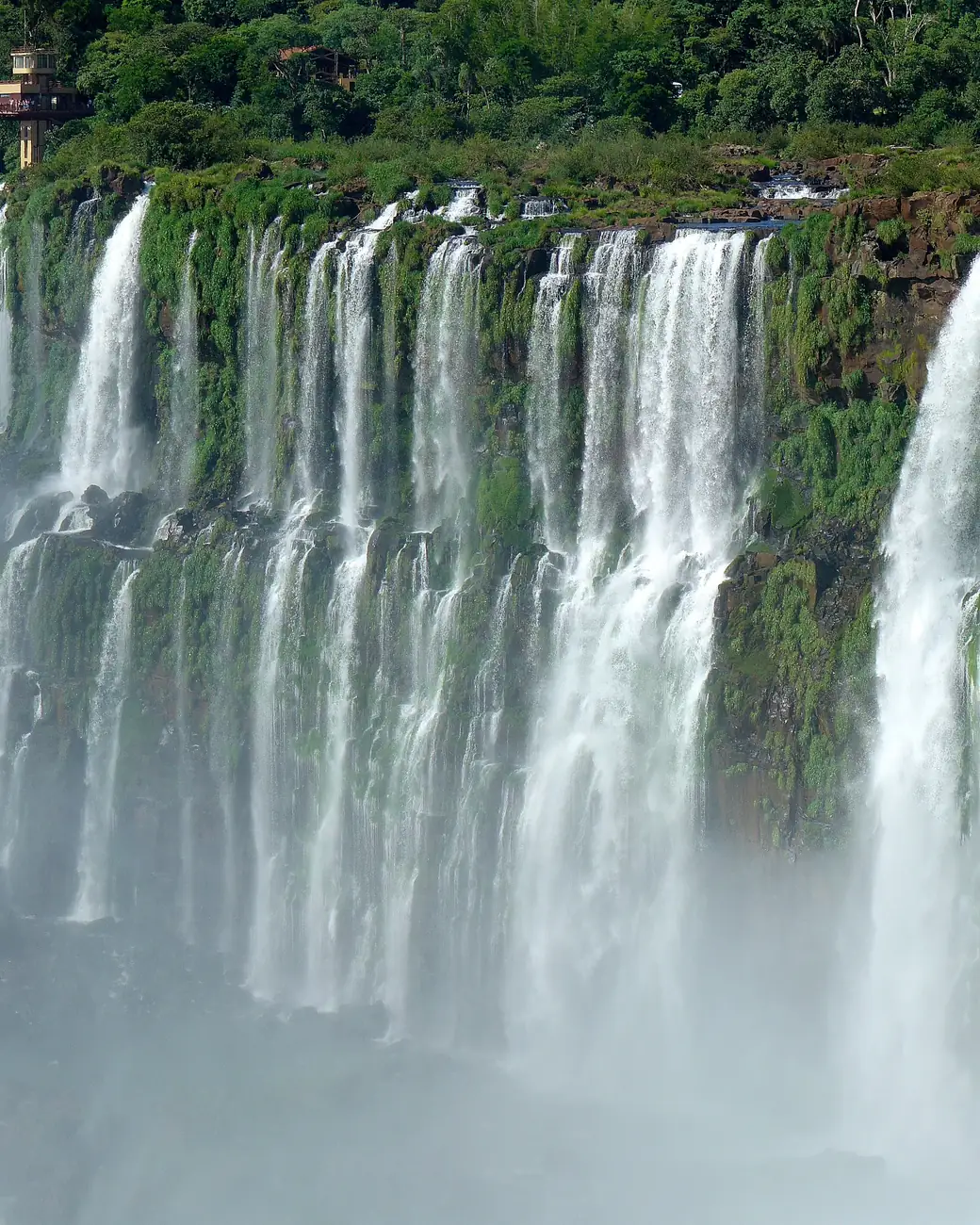
Cortina de quedas das Cataratas do Iguaçu caindo entre a mata Iguassu Falls · The power of water

Fourth chapter

The waterfalls that make the ground tremble

Two hundred and seventy-five falls plunging into a gorge of Atlantic forest — a spectacle UNESCO inscribed as a World Heritage Site in 1986 and the world voted one of the Seven Natural Wonders. No photograph prepares you for the scale: the walkways on the Brazilian side deliver the full panorama and end face to face with the Devil's Throat, where the water roars, the mist rises and rainbows multiply.

Two days are enough — and they give back plenty: the Brazilian park on one day, the Argentine side and its walkways above the falls on the next, including the boat that takes you to the base of the cataracts if you are willing to come back soaked and happy. Along the way, the Parque das Aves bird sanctuary returns the Atlantic forest in full colour: toucans, macaws and butterflies within arm's reach.

  • 275 falls along the Iguassu river gorge
  • 1986 — a UNESCO World Heritage Site, among the 7 Wonders of Nature
  • 2 countries — the Brazilian and Argentine sides complete each other
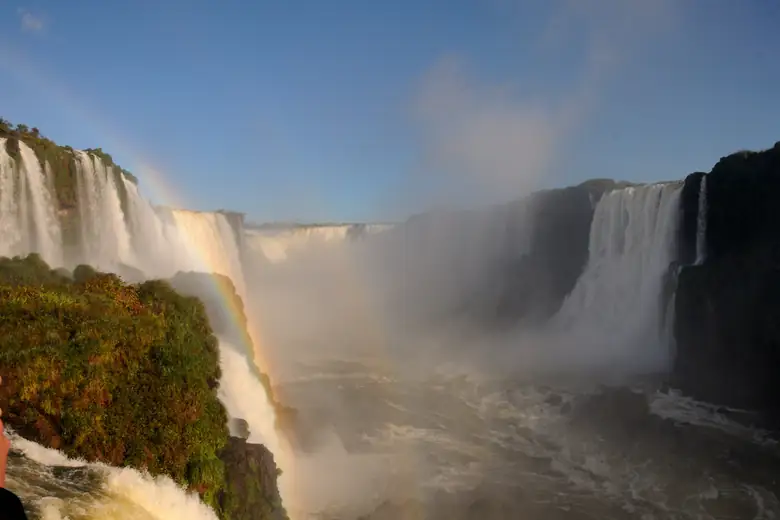
Garganta do Diabo vista da passarela, com a névoa subindo das quedas
The climax

The Devil's Throat

The point where half the river plunges at once into a horseshoe nearly ninety metres deep. The Brazilian walkway advances into the middle of the mist — it soaks you, deafens you and moves you. It is one of those rare places where everyone, of every age, falls silent for the same reason.

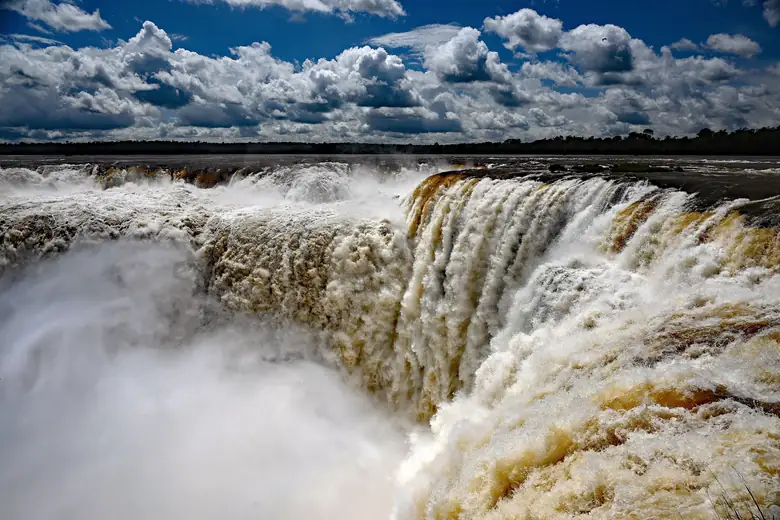
Borda das quedas do Iguaçu, com a névoa subindo sob céu de nuvens
For everyone

Two sides, two journeys

The Brazilian side is the panorama: the trail that opens the whole gorge in successive lookouts. The Argentine side is the immersion: walkways above the falls, the water rushing beneath your feet. With private transfers and pre-booked tickets, both fit into one stay — and nobody queues.

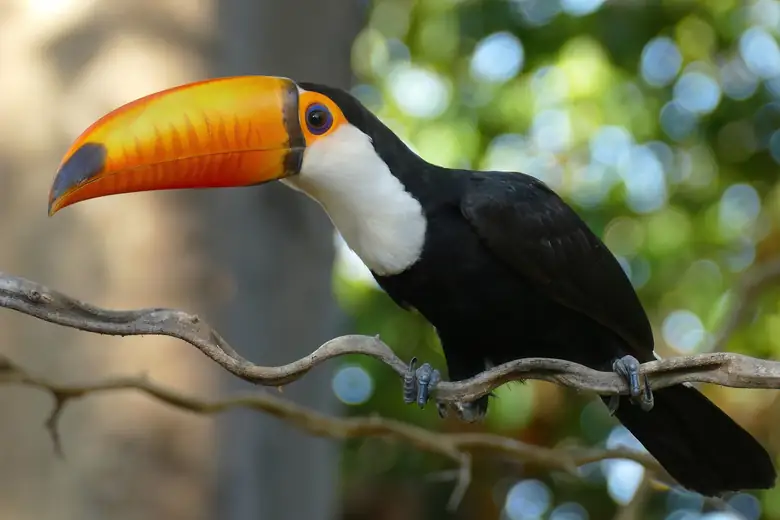
Tucano-toco de bico laranja em meio à mata atlântica
With children

The Parque das Aves

Immersive aviaries inside the Atlantic forest where toucans land within arm's reach, macaws cross overhead and flamingos turn a lake pink. It is the perfect complement to the falls — and the one visit children (and photographers) never want to leave.

Day by day

How the journey takes shape

A ten-day skeleton to set the ruler and compass — Rio, the falls, the wild and the beach in a single arc. Every chapter can be swapped, stretched or removed: the final route is always designed around your occasion and the right season.

Days 1–2

Rio, the overture

Arrival and check-in with a sea view. Christ the Redeemer early, before the crowds; Sugarloaf saved for sunset. In between, beach, promenade and the first round of carioca gastronomy — with the sunset applauded at Arpoador.

Christ at dawnSugarloaf
Day 3

Rio at your own pace

A day without a clock: a walk through the historic centre and Little Africa, the nineteenth-century gardens, a long lunch by the Botanical Garden — or simply the beach. In the evening, a short flight to Iguassu and rest near the falls.

Free dayFlight to Iguassu
Days 4–5

The power of water

The Brazilian side at first light, when the park is still empty, with the Devil's Throat as the climax. The next day, the Argentine walkways above the falls — and the Parque das Aves before the flight towards the wild.

The fallsParque das Aves
Days 6–7

The wild immersion

Amazon or Pantanal — the season decides. On the Rio Negro: a forest lodge, canoeing through the flooded forest, river dolphins and the misty dawn. In the dry-season Pantanal: boat safaris after the jaguars, hyacinth macaws overhead and the sunset setting the plains on fire.

Amazonor Pantanal
Day 8

Towards the sea

A last morning in the wild — an early trail, coffee at the bow — and the change of scenery: well-timed flights lead to the beach route of your choice, Trancoso, Noronha or Jeri. Arrival with your feet in the sand and the first swim before dinner.

Domestic flightsBeach arrival
Days 9–10

The beach grand finale

Two days to slow down on purpose: natural pools and diving in Noronha, tables on the sand and boat trips in Bahia, or the Lençóis lagoons at dusk. The last sunset is always the longest — and the flight home leaves unhurried.

BeachFarewell
This itinerary is a starting point, not a package. Some travellers concentrate on a single route — only Noronha, only the jaguar season, only Rio and Búzios; some link the Lençóis to Jericoacoara along the overland route; some come for New Year's Eve or Carnival and extend afterwards. The final design is always drawn up together — and without haste.

Gallery

What you will see

Click any image to enlarge it.

How we travel

What changes when the journey is designed

Brazil looks easy because it feels like home — but it is a continent of a country, with seasons inverted between routes, flights that only fit one way and houses with half a dozen rooms. All of it is solved before you pack.

The right route for the occasion

A honeymoon calls for Noronha or Trancoso; families travel well between Iguassu, the Pantanal and the beach; wildlife lovers aim for the Pantanal dry season; seekers of the surreal, the Lençóis. Comparing routes is the first conversation — and it is the one that defines the trip.

The calendar, route by route

Each Brazil has its season: Noronha shines from August to January, the Lençóis from June to September, the jaguars from July to October, the Amazon changes its face between high and low water. We cross your dates with each route's peak before any booking.

The logistics of a continent

Domestic flights at times that protect the day, private transfers waiting at the door, boats and 4x4s where the asphalt ends — and, when it makes sense, the air taxi that turns a full day of travel into forty minutes of scenery.

The houses that vanish from the map

Brazil's best addresses are small by nature: inns with a handful of suites in Noronha, lodges with half a dozen bungalows in the Amazon, ranches with few rooms in the Pantanal. We know which ones are worth the journey — and we book them before they sell out.

Experiences money can't simply buy

The Christ before the gates open, the private photographic safari, a boat of your own in Paraty, a chef's dinner at the beach house, the guide who has studied the forest for twenty years. What turns an itinerary into memory rarely has a counter — it has relationships.

24/7 support

From the first flight to the return, a team follows the whole journey. Any surprise — a rescheduled flight, a tide that changes the plan, a special request — is solved with a message, in your language, at any hour.

Where to stay

Three ways to live in Brazil

We work with a tight selection of houses we know and trust, organised by style — the final choice is always designed with you, crossing route, season and occasion.

City & classics

The urban icons

The grand historic hotels facing the beach and the design boutiques hidden in the right neighbourhoods. A view of the sea or of the Christ, reference spas, bars that are a destination in themselves — the perfect base to live the city like someone who lives there well.

Feet in the sand

Beach houses & villas

Charming inns with a handful of suites, colonial village houses turned into hideaways, bungalows opening onto the garden and the sea. The barefoot luxury the Brazilian coast does like no one else — warm service, a generous table and no hurry at all.

Nature & immersion

Lodges & ranches

Forest lodges above the Rio Negro, boutique boats with a few cabins, century-old Pantanal ranches with hotel comfort. You wake up inside the landscape, with resident guides and safaris leaving from the veranda — epic nature, gentle logistics.

Know before

The essentials, without fine print

Practical information for those starting to think about the trip.

When to go — route by route

In Brazil there is no wrong time — there is a right route for every month. The seasons swap between biomes, and that is what makes the country work all year round.

Rio & the SoutheastYear-round. Summer (Dec–Mar) is hot and vibrant; from April to October the days are milder, drier and crowd-free.
Noronha & the NortheastAug–Jan is the dry season: the inner sea is calm and diving visibility peaks. It rains more from March to July.
Lençóis MaranhensesJun–Sep. The first-semester rains fill the lagoons — July and August are the full spectacle.
PantanalJul–Oct, the dry season: wildlife concentrates along the rivers and jaguar sightings reach their peak.
AmazonTwo forests: at high water (Dec–May) you canoe through the flooded forest; at low water (Jun–Nov) beaches and trails appear.
IguassuYear-round. In summer the falls usually carry more water; in winter the weather is mild and the park quieter.

Getting there and around

For Brazilians, it is the international trip without a passport: board with an ID, no visa, no currency exchange, no language barrier. For guests from abroad we handle the full guidance — documentation and the electronic visa when applicable, arrivals and connections.

Distances are continental and the journey is stitched together by domestic flights — Rio to Iguassu, Manaus, Cuiabá or Noronha. We design the order of the routes so the flights fit without red-eyes or pointless layovers, with private transfers at both ends.

Health and peace of mind

For the nature routes — Amazon, Pantanal and Iguassu — the yellow fever vaccine is recommended, ten days in advance. In forest destinations, pack repellent and light long sleeves; sunscreen is the law on every route.

Robust travel insurance is standard on any journey of ours, even within the country. On remote routes we choose lodgings with real protocols and communication — and our team stays one message away, at all times.

What to book in advance

The small houses are the bottleneck: Noronha's inns, the Amazon lodges and the Pantanal ranches in jaguar season sell out months ahead. Noronha also requires daily environmental fees and the marine park ticket — we leave everything issued before departure.

New Year's Eve and Carnival in Rio are seasons of their own, with hotels and parade boxes contested almost a year ahead. None of this is a problem when solved early — and solving early is our craft.

To add on

To make the journey even more yours

Layers that fit naturally into a Brazilian itinerary.

01

New Year's Eve or Carnival in Rio

The Copacabana fireworks seen from the right place, or Carnival with a box at the Sapucaí and access to the rehearsals. The country's two greatest celebrations demand almost a year of planning — and repay every day of it.

02

A boutique cruise through the Amazon

A few cabins, a dedicated crew and the Rio Negro as your road: anchoring at deserted river beaches, canoes at dawn, dinner on deck under the Milky Way. It is the Amazon in expedition mode — without giving up a single comfort.

03

A boat of your own in Angra & Paraty

The Green Coast is made of hundreds of islands — and the right way to know it is by private speedboat or sailboat, hopping from cove to cove, with stops for a swim and lunch with your feet in the water. One day or one week; the sea decides.

04

The overland route of emotions

From the Lençóis Maranhenses to the Parnaíba Delta and the dunes of Jericoacoara, a 4x4 crossing along the wildest coastline in the Northeast — lagoons, a river delta, the scarlet ibis flight at dusk and sand-street villages. Real adventure, with a comfortable landing every night.

05

Inhotim & historic Minas

One of the largest open-air museums in the world, with contemporary-art pavilions planted in a botanical garden — and, on the same route, the baroque towns of Ouro Preto and Tiradentes and the mineira table. The cultural chapter few foreigners ever discover.

06

A photo shoot on the journey

A professional photographer at the Christ's lookout at dawn, on Trancoso's Quadrado or among the dunes of the Lençóis — capturing the honeymoon, the proposal or the family. In Brazil even the scenery cooperates, and the memory appreciates over time.