
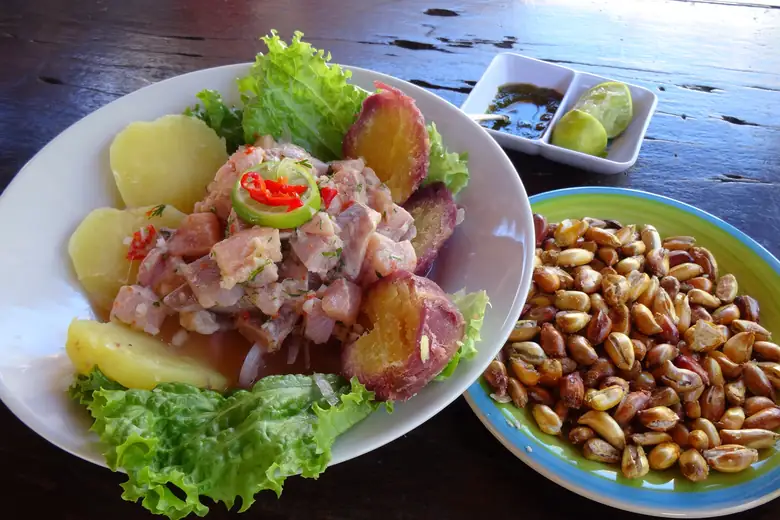
The ritual
The Peruvian table
From ceviche counters that only open for lunch to tasting menus booked out months ahead, eating in Lima is an itinerary in itself. We design the route — and secure the tables you cannot get on your own.
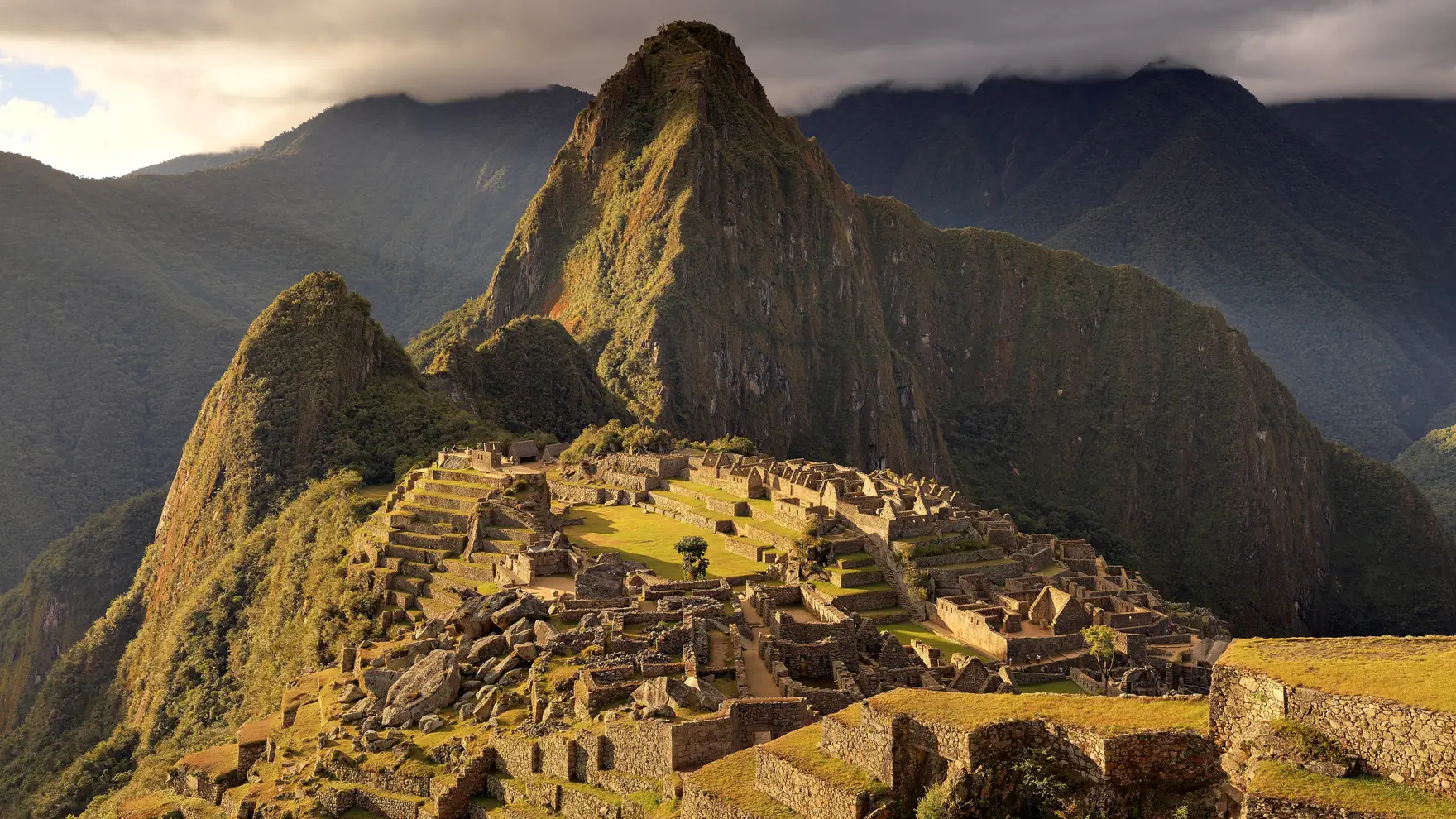
Peru · Andes & Incas
Few countries hold this many journeys in one: a capital that became the most celebrated table on the planet, a valley where the Incas still feel present, trains that thread their way through canyons — and, at the end of the line, the citadel the whole world dreams of seeing at dawn. All at your own pace, all designed tailor made.
The destination
Peru is that rare destination where even the arrival is a chapter: you begin at the edge of the Pacific, in Lima, dining in the most celebrated food city on earth — and you end standing before Machu Picchu in the hush of early morning, understanding why the Incas chose to build so close to the sky.
Between those two moments, the journey climbs the Andes intelligently: you sleep first in the Sacred Valley, lower and gentler, among rose-tinted salt pans, circular terraces and villages that keep their Inca street plan intact. Only then comes Cusco, the empire's old capital, where Inca walls carry baroque churches and every corner tells two civilisations at once.
And none of it demands hardship: today's Peru is travelled aboard panoramic trains with lunch served at your table, colonial haciendas reborn as spa retreats, and guides who turn stones into stories. It is South America's most complete cultural journey — in the comfort it deserves.
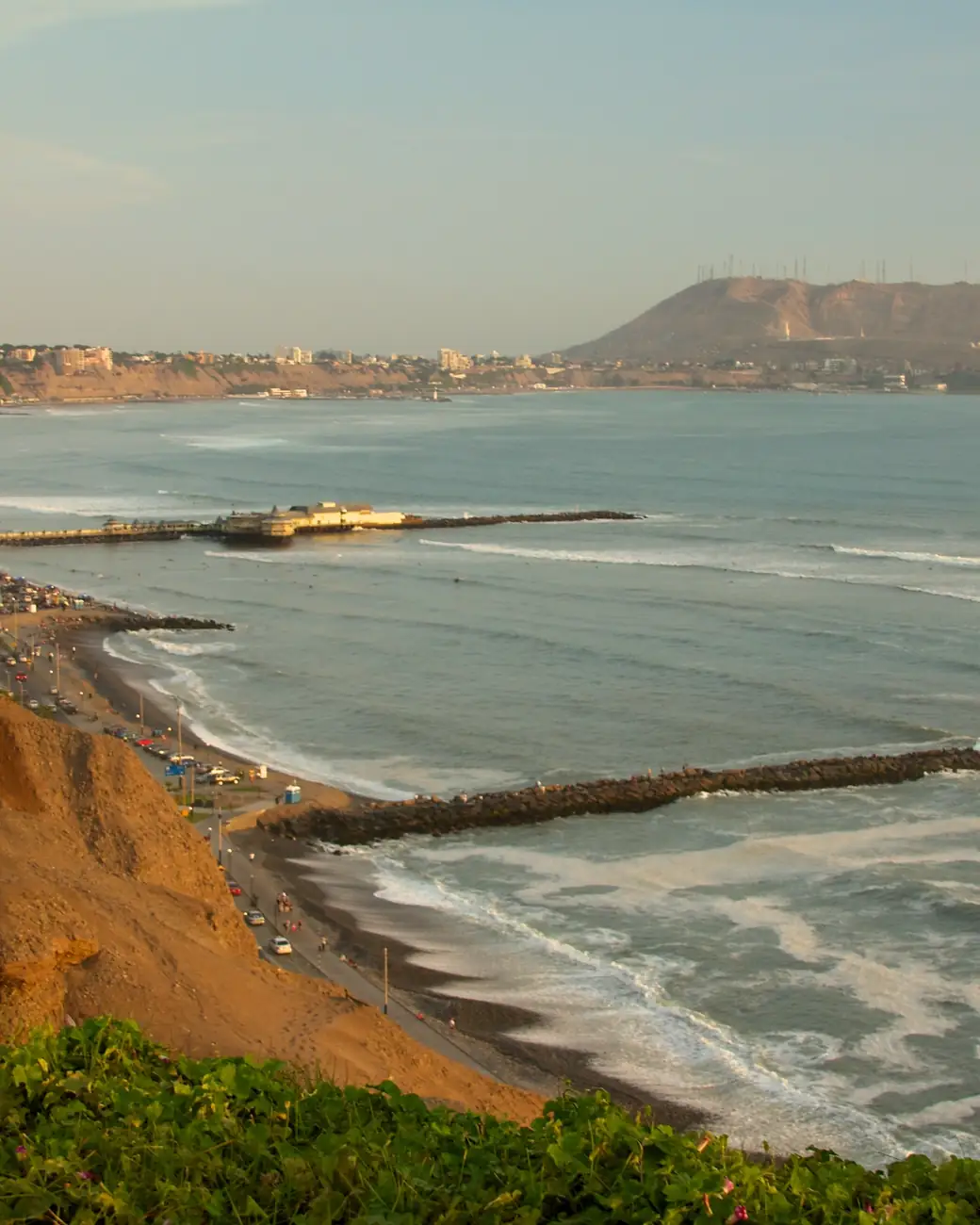 Lima · The world's table
First chapter
Lima is the only city on the planet to have seen two of its restaurants named the best in the world — and that is just the tip of the iceberg. The revolution its chefs led turned Peruvian cooking into a heritage of its own: ceviche cured to order, Nikkei cuisine marrying Japan and the Pacific, pisco sours at sunset. Here, every meal is a chapter of the trip.
Away from the table, the city unfolds in layers: a colonial centre of Moorish balconies, the pre-Columbian gold of the Larco Museum, the Miraflores clifftops leaning over the Pacific, and the bohemian charm of Barranco, where painted mansions hide studios, bars and a bridge that grants wishes.
From ceviche counters that only open for lunch to tasting menus booked out months ahead, eating in Lima is an itinerary in itself. We design the route — and secure the tables you cannot get on your own.
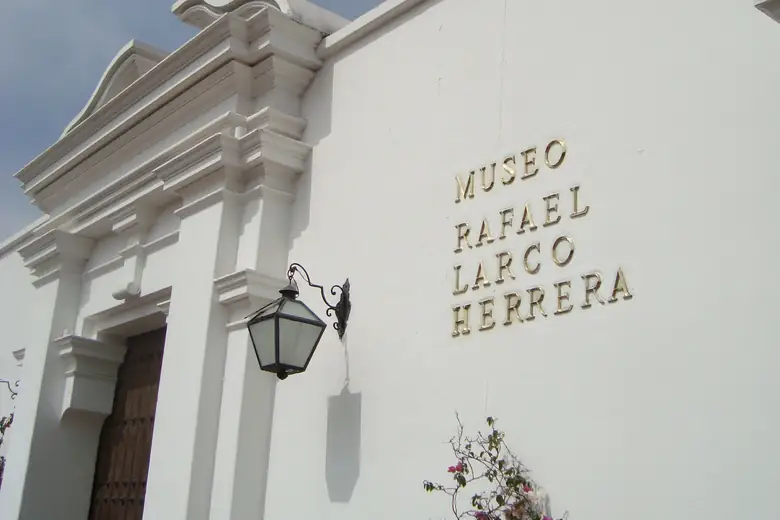
In an eighteenth-century mansion draped in bougainvillea, five thousand years of Peru before the Incas: gold, ceramics and textiles that explain everything the journey will show you later. A guided visit at dusk and dinner in the garden — the perfect opening.
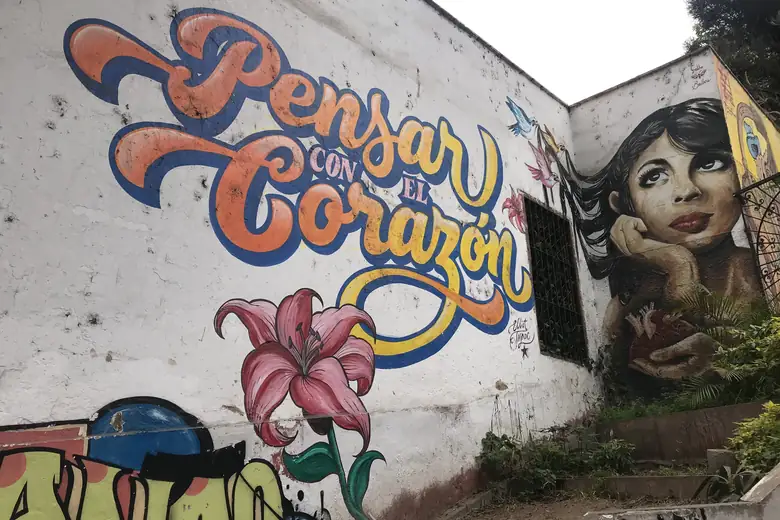
Lima's bohemian quarter lights up after sunset: art galleries, murals, pisco bars tucked into old mansions and the Bridge of Sighs — which, legend says, grants a wish to anyone who crosses it holding their breath.
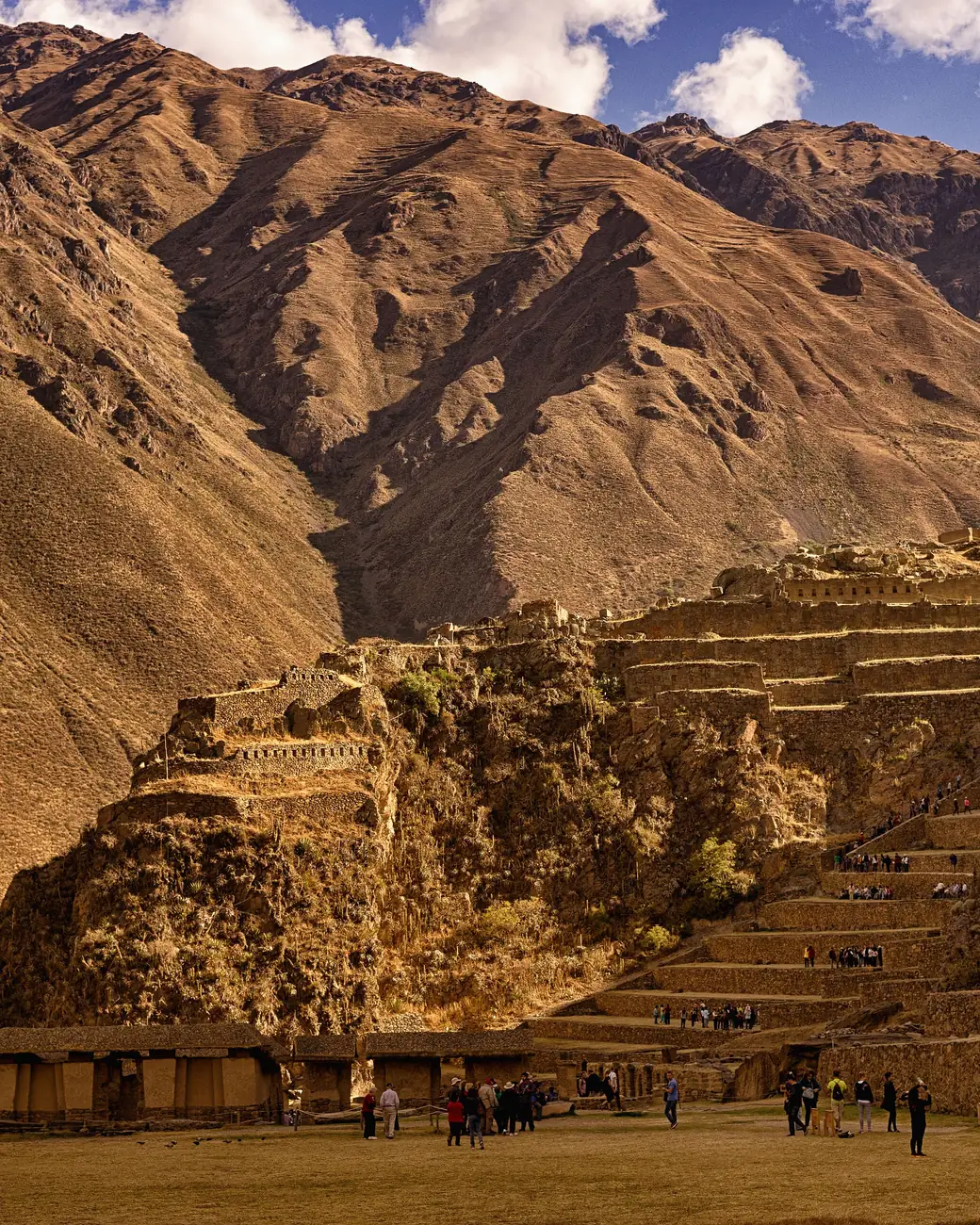 Sacred Valley · The Inca heartland
Second chapter
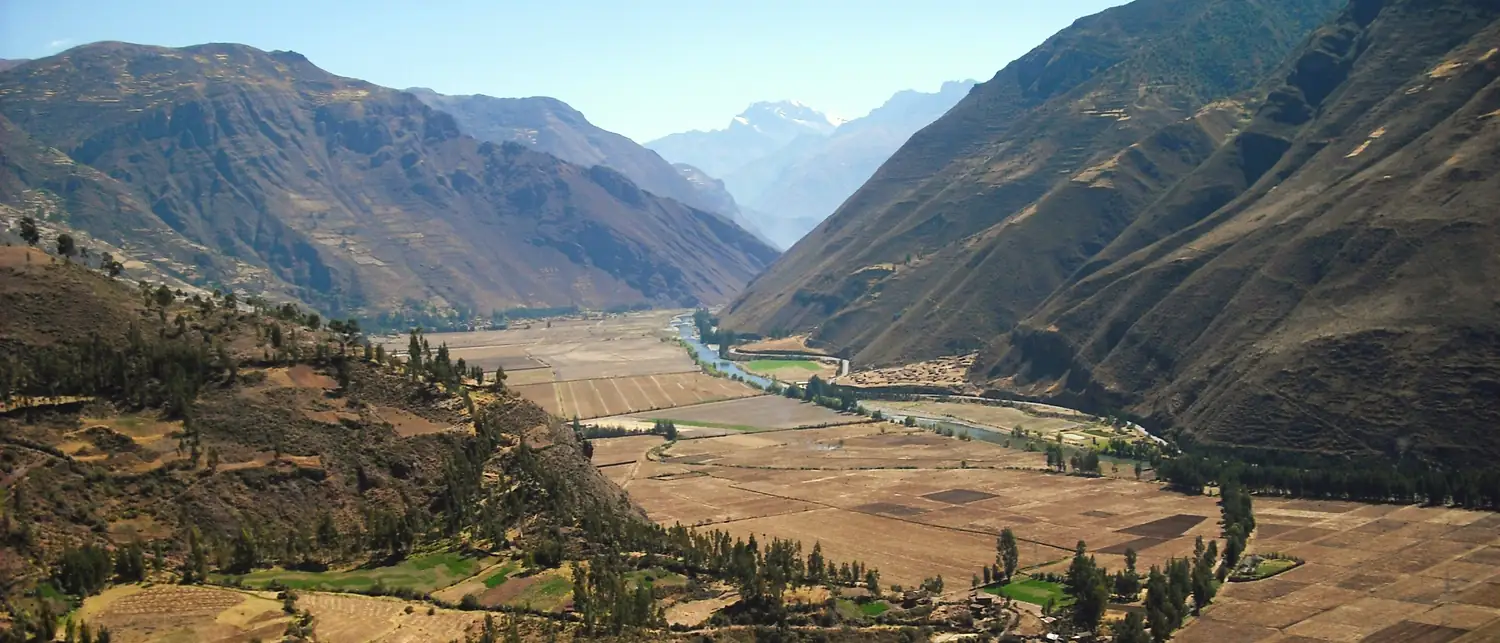
Between Cusco and Machu Picchu, the Urubamba river opens a broad golden valley that was the empire's granary — and it is still very much alive: markets held for centuries, giant corn drying in the sun, weavers dyeing alpaca wool with plants and cochineal. This is where the journey slows down and the Andes introduce themselves.
There is also an altitude secret: at around 2,800 metres, the valley sits well below Cusco — sleeping here for the first nights is the most elegant way to acclimatise. Not by chance, this is where you find the colonial haciendas turned destination hotels, with eucalyptus-scented spas, hydrangea gardens and the river running just beyond.
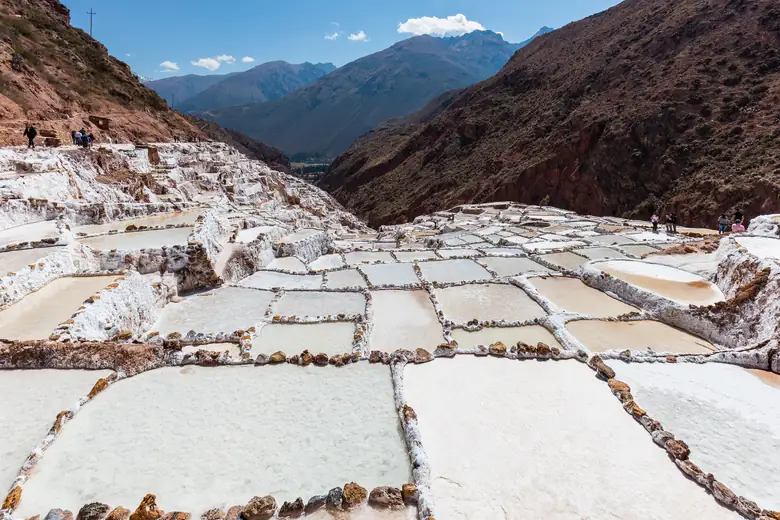
A mosaic of thousands of pools of rose-coloured salt, harvested by hand since before the Incas — and, right next door, the concentric rings of Moray, the "agricultural laboratory" where the empire tested crops across microclimates. Two landscapes that look borrowed from another planet.
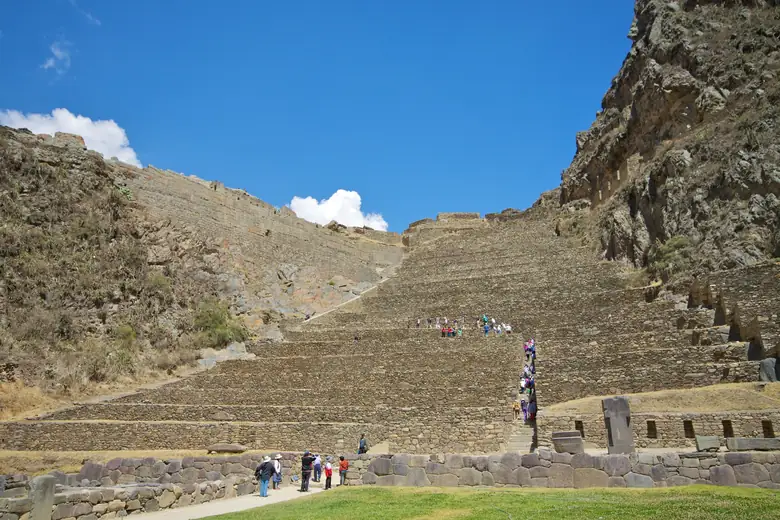
The only town in Peru still living on its original Inca street plan: water channels running along the lanes, trapezoid doorways and a temple-fortress climbing the mountainside. It is also where the train departs — the last stop before Machu Picchu.
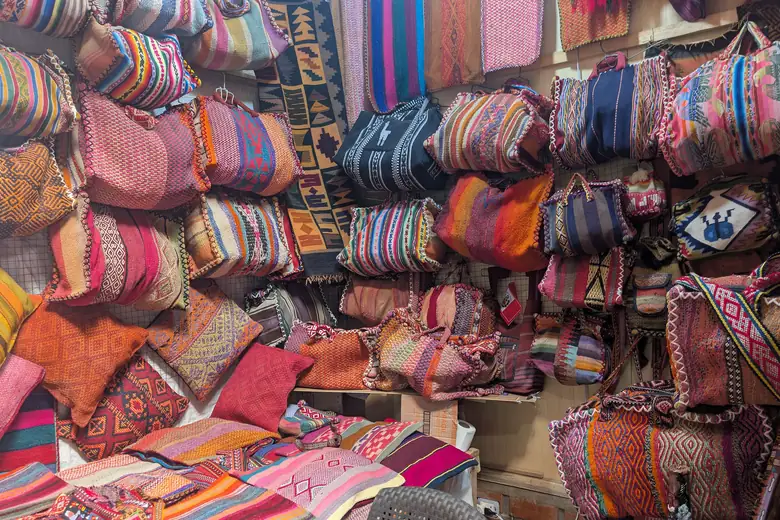
In communities like Chinchero, children feed corn to the alpacas while weavers show how wool becomes thread, thread becomes colour, and colour becomes a textile you can read like a map. The most beautiful souvenir of the trip comes from here — straight from the hands that made it.
The train rounds the last bend, the mist lifts — and there it is, whole, suspended between two green peaks. Nobody says a word for a long minute. The trip exists for that minute.
From Brazil to the top of the Andes, everything designed tailor made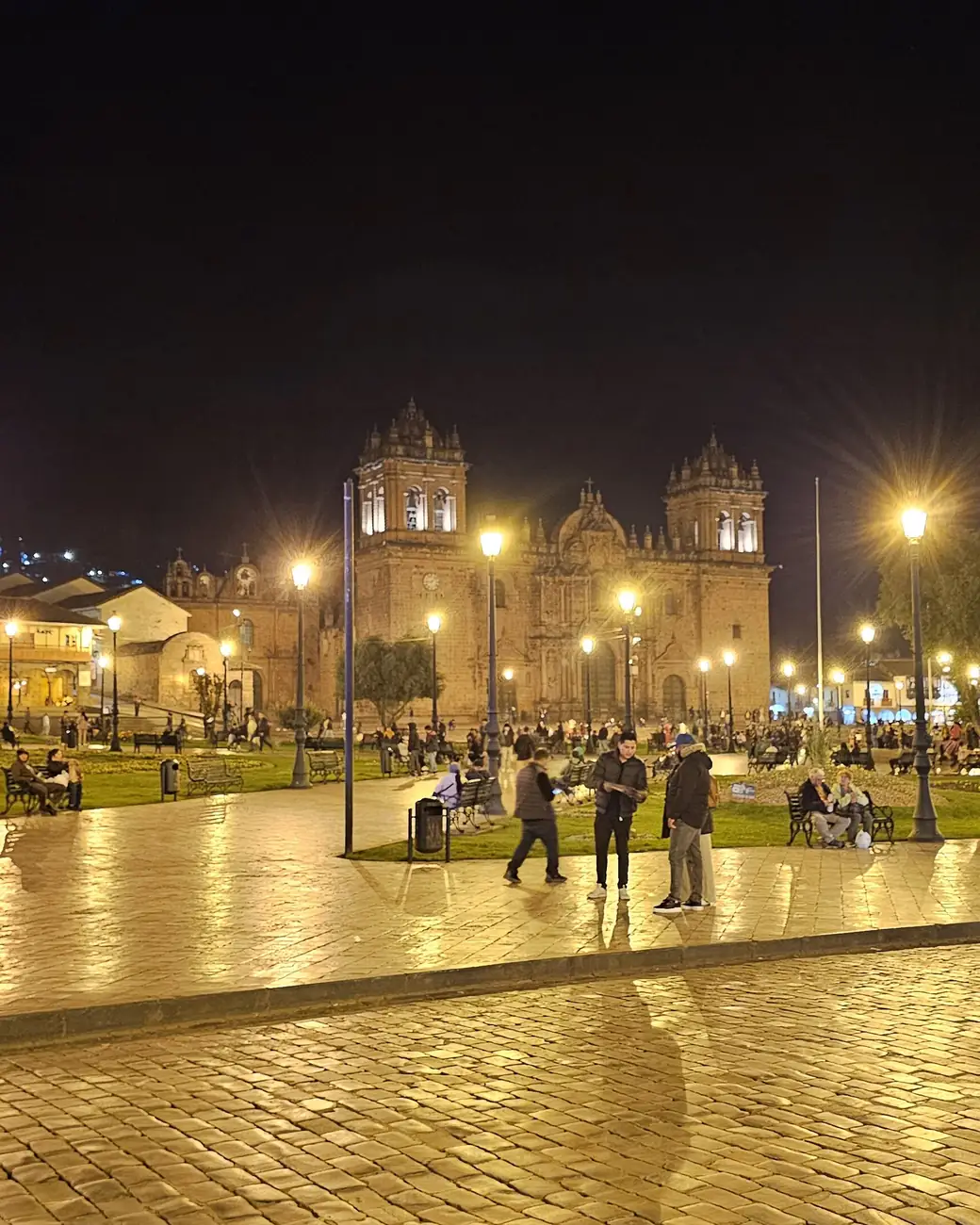 Cusco · The imperial capital
Third chapter
Cusco was the navel of the world — that is what its name means in Quechua — and the city never gave up the title. On top of flawless Inca stone foundations, the Spanish raised baroque churches and mansions with blue balconies; the result is a historic centre like no other, where you quite literally walk on an empire.
At 3,400 metres, the city asks for calm — and rewards every pause: convent courtyards turned into hotels, the artists' quarter of San Blas, markets fragrant with fruit that exists nowhere else and, on the hill above, the cyclopean blocks of Sacsayhuaman, fitted without mortar five centuries ago and defying explanation still.
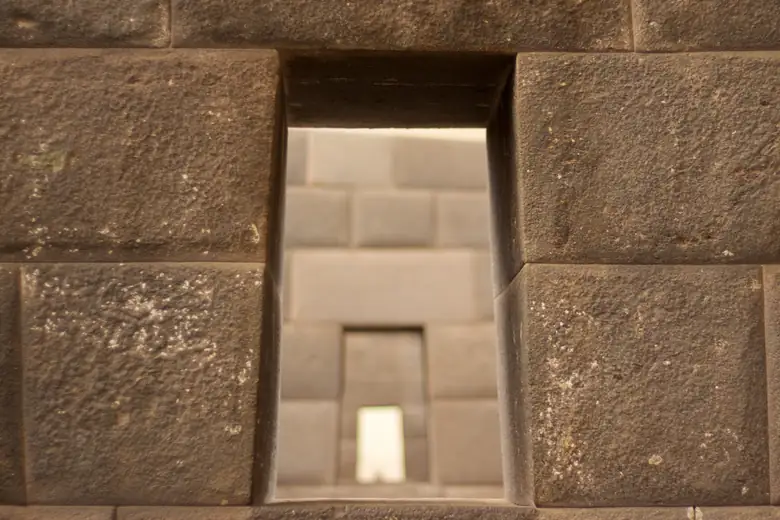
The empire's most sacred temple once had walls sheathed in gold — and the masonry that remains is so perfect that not even earthquakes have moved it. On top, the Spanish built a convent: no place better captures the meeting of the two worlds.
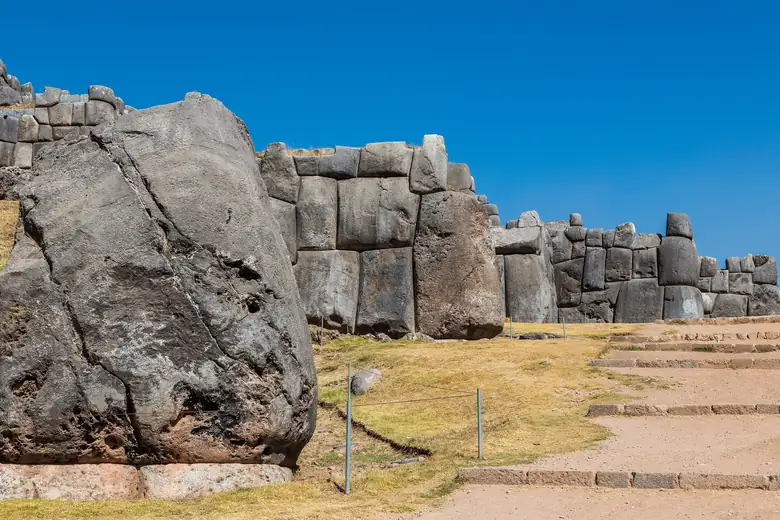
On the hill above Cusco, zigzag ramparts built from stones of up to a hundred tonnes — fitted with a jeweller's precision, without mortar. Between one block and the next, llamas grazing, lawns to run on and the best view of the city.
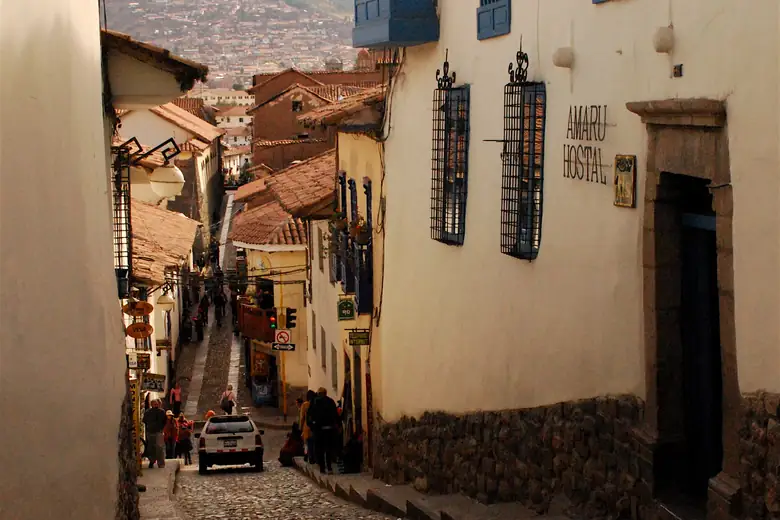
Steep stone lanes, silver and ceramics studios, cafés roasting their own beans and balconies with all of Cusco at your feet. In the late afternoon, when the tour buses leave, the quarter gives the city back to those who stay — a pisco sour helps you toast it.
 Machu Picchu · The wonder
Fourth chapter
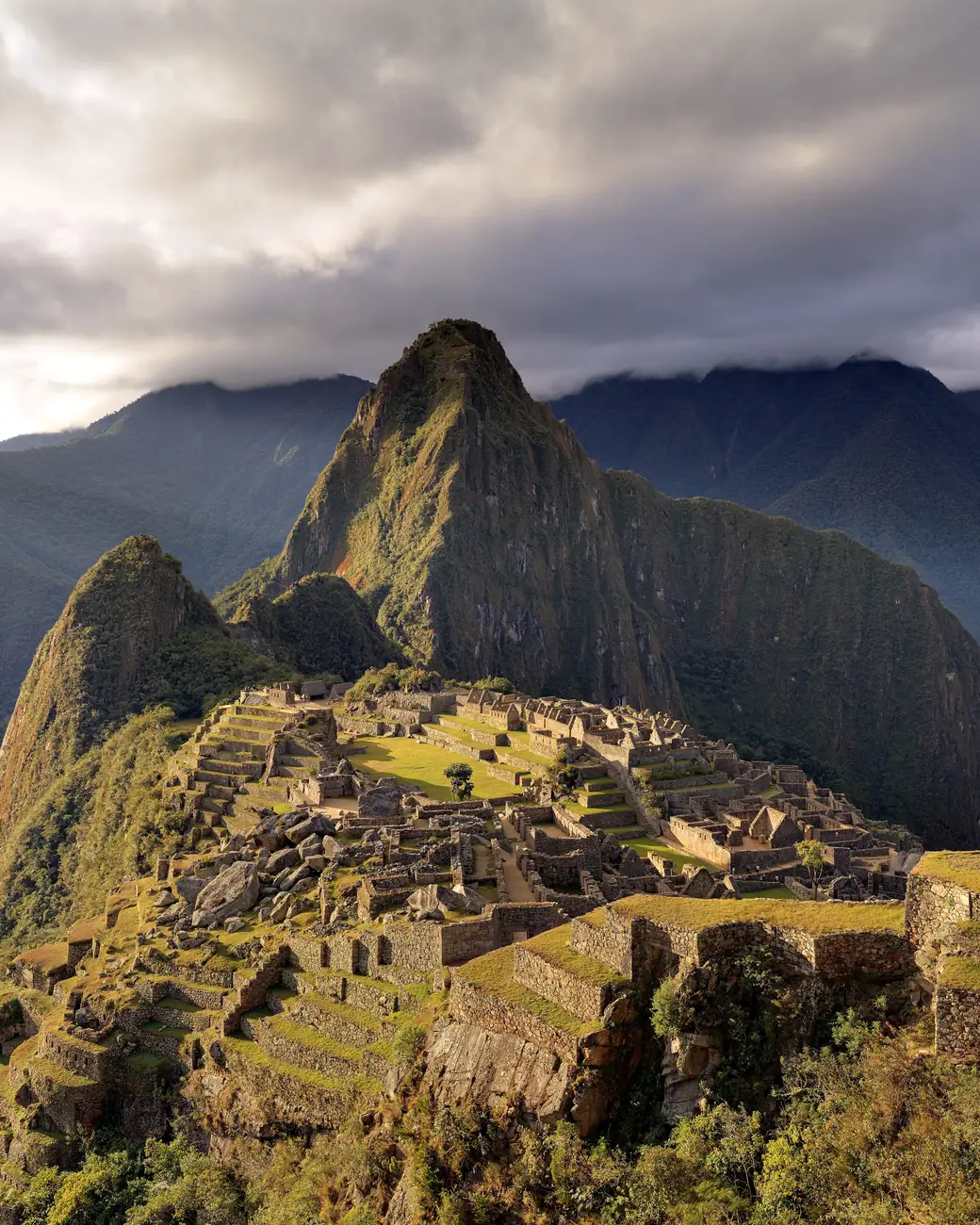
Built around 1450 on the orders of the emperor Pachacutec and abandoned a century later, Machu Picchu spent three hundred years hidden beneath the forest — until 1911, when the explorer Hiram Bingham reached the ridge, guided by local families. Today it is a UNESCO World Heritage Site, a wonder of the modern world and, even so, greater than any expectation.
Getting there is half the spell: the train descends the Urubamba canyon between granite walls and cloud forest, with panoramic windows reaching into the roof. And those who sleep at the foot of the citadel earn the privilege that changes everything — entering with the first wave of the morning, while the mist is still dissolving over the terraces and llamas outnumber people.
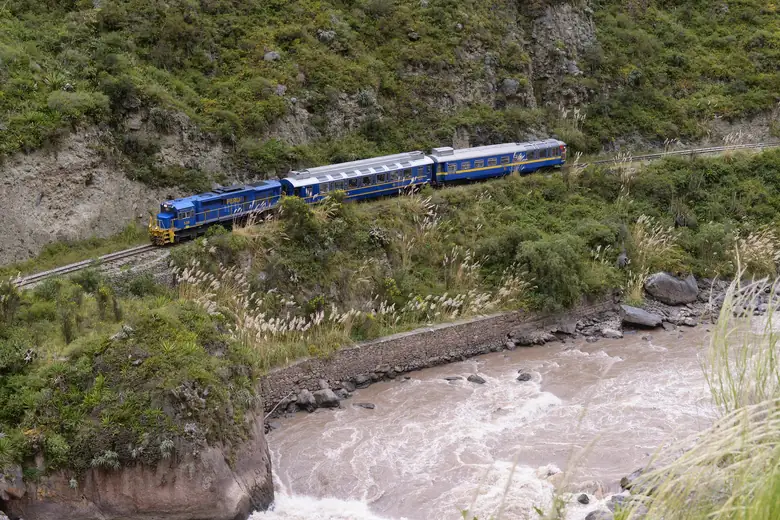
From glass-roofed panoramic carriages to the legendary 1920s-style luxury train — bar car, live music and dinner served at your table while the Andes roll past. In Peru, even the journey is a destination; we choose the right train for your occasion.
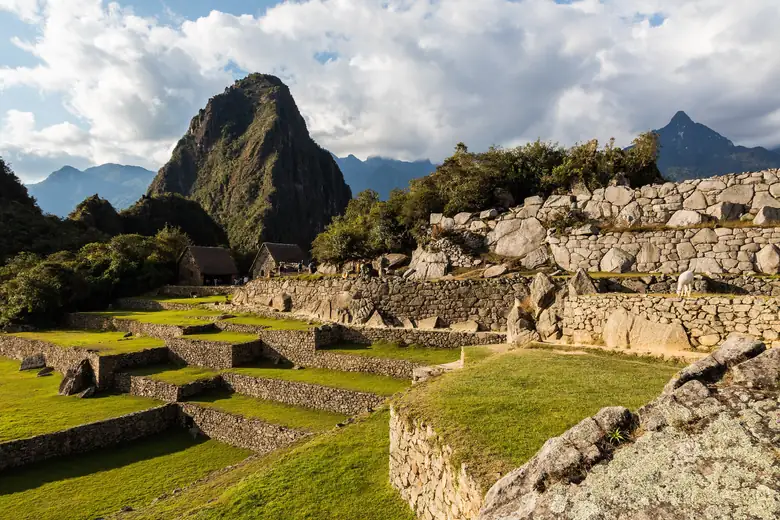
Temples aligned with the sun, fountains that still run, terraces suspended over the void. With circuit tickets booked for the right hour and a guide who has studied the site for decades, the visit becomes what it should be: a masterclass in wonder, without haste.
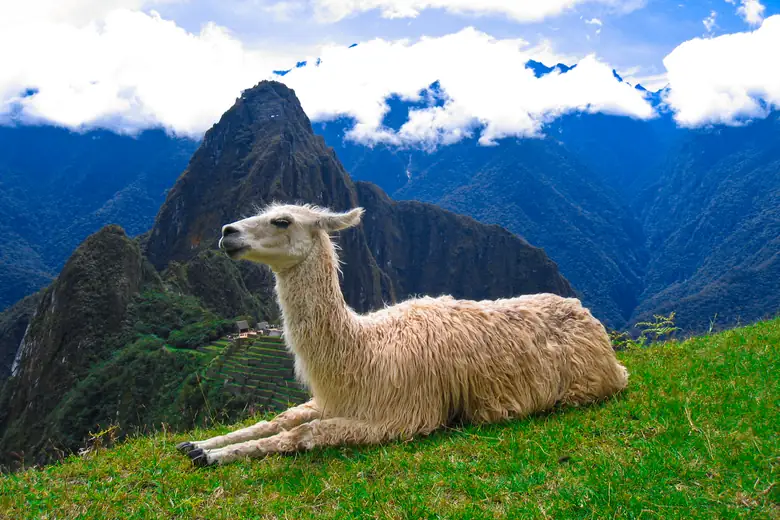
For those who want more: the climb up Huayna Picchu — the postcard mountain, limited to a few hundred people a day — or the walk to the Sun Gate, the Incas' own gateway. Rare permits, booked months in advance.
Day by day
A skeleton itinerary to give you a sense of scale — the order climbs the altitude gradually, on purpose. Every day can be swapped, and length, pace and experiences are always adjusted to you.
Arrival and check-in facing the Pacific in Miraflores. A walk along the clifftop malecón, a welcome pisco sour and the first table of the trip — dinner alone justifies the stop.
A morning in the colonial centre — the square, the cathedral, the Moorish balconies — and an afternoon among the pre-Columbian gold of the Larco Museum. At night, bohemian Barranco: murals, the Bridge of Sighs and a Nikkei counter.
A scenic flight over the Andes to Cusco, then straight down into the Sacred Valley, which lies lower — the secret to acclimatising without drama. A gentle afternoon in the hacienda garden, coca tea and an early night.
The day of impossible landscapes: the rose-coloured pools of Maras, the rings of Moray, lunch at a hacienda and an afternoon among the weavers and alpacas of Chinchero. To finish, Ollantaytambo and its Inca lanes at dusk.
Board the panoramic train and descend the Urubamba canyon into the cloud forest. An afternoon first visit to the citadel as the site empties out — then a night at the foot of the mountain, ready for an early start.
Enter with the first wave of the morning, while the mist still wraps the terraces. Those who wish climb Huayna Picchu; the rest linger among the temples with the guide. In the afternoon, the train back and arrival in Cusco.
A whole day for the city: Qorikancha, the cathedral, the twelve-angled stone, the cyclopean blocks of Sacsayhuaman — and dusk in the lanes of San Blas, among studios and cafés, with the city lighting up below.
A slow breakfast in the convent courtyard and the flight back via Lima, timed to your international connection. Or the next chapter: the Amazon, Lake Titicaca or the canyons of Arequipa waiting just beyond.
Gallery
Click any image to enlarge.
How we travel
Peru rewards those who arrive well advised: the right order of altitudes, the right tickets at the right time and the right people at your side turn a good trip into the trip of a lifetime. All of it is settled before you board.
The order of the route is not aesthetic — it is physiology. Sleep in the valley first, reach Cusco already acclimatised, let your body set the pace: the right design is the difference between suffering the Andes and floating through them.
Machu Picchu runs on circuits, timed entries and a daily cap — and the best windows vanish months ahead. Train, citadel, Huayna Picchu, Lima's dining rooms: we book everything in the order, and with the lead time, each one demands.
An Inca wall is just a wall — until the right guide tells you what it holds up. We work with private guides, in your language, who shape every visit to your interests: history, photography, archaeology or the best route with children.
A panoramic carriage with the family, or the luxury train with dinner and live music? A ceviche counter or an award-winning tasting menu? Peru has a repertoire for every occasion — our job is to match each choice to yours.
Domestic flights, trains that wait for no one, mountain transfers, luggage moved from one hotel to the next: the Peruvian puzzle has many pieces. We assemble them all — and if anything shifts, the solution arrives before the worry does.
From departure in Brazil to the flight home, a team follows the entire trip. Any surprise — a flight, a touch of altitude, a special request — is solved with a single message, in your language.
Where to stay
We work with a short list of houses we know and trust — organised here by style of address, which in Peru changes with every chapter of the route. The final choice is always designed with you, occasion by occasion.
In Lima, the best addresses split between the Miraflores clifftops — ocean views, the malecón at the door — and the artistic charm of Barranco, in restored mansions steps from the city's best counters. To start the trip on the right note.
Colonial haciendas and contemporary hideaways scattered through the valley's gardens: eucalyptus spas, seventeenth-century chapels, kitchen gardens and mountains framing breakfast. The most restorative chapter of the trip — and the best place to acclimatise.
In Cusco, monasteries and colonial mansions have become hotels with flowered courtyards, oxygen-enriched rooms and centuries in the walls. And at the foot of Machu Picchu, a handful of coveted addresses guarantee dawn at the citadel — the upgrade that changes the whole experience.
Before you go
Practical notes for anyone starting to think about the trip.
In the Andes, the year splits into two seasons — dry and rainy — and each stretch has its own personality:
Brazilians do not need a visa for tourism in Peru and may enter with a passport — or simply a national ID card in good condition issued within the last ten years (Mercosur agreement). We recommend travel insurance with solid cover, including for activities at altitude.
For those adding the Amazon extension, the yellow fever vaccine is recommended — with the certificate issued within the required lead time. We walk you through it all closer to your trip.
Soroche — altitude sickness — respects those who respect it: sleep in the Sacred Valley first, climb slowly, hydrate well, go easy on alcohol in the first days and accept the welcome coca tea. With the route in the right order, the vast majority feel nothing worse than slightly shorter breath.
Machu Picchu, contrary to what most imagine, sits lower than Cusco — and Lima is at sea level. Andean hotels offer oxygen and infusions; for those who want it, there is also prior medical advice on preventive medication.
Machu Picchu cannot be improvised: entry works by circuit, with timed slots and a daily cap — no last-minute ticket window will save the day. Huayna Picchu and the Mountain have a few hundred permits a day, gone months in advance.
This is how we design it: we fix the citadel dates early, book circuit, train and guide in sync — and let the rest of the trip settle around its most important moment.
To add on
Chapters that slot in naturally before or after the Andes.
A short flight separates the Andes from the forest: charming lodges deep along the river, macaws wheeling over clay licks, giant otters and nights lulled by the sound of the jungle. The perfect counterpoint to end the trip — and a surprisingly comfortable one.
The highest navigable lake in the world, where the Incas placed the birth of the sun. The floating totora islands of the Uros, communities that welcome you into their homes and — for those who want the journey itself to be the experience — a luxury sleeper train across the altiplano.
The white city of volcanic sillar stone, a monastery that is a painted citadel within a city — and, a few hours away, the Colca Canyon, where condors glide past at eye level. Southern Peru at its most majestic.
Vinicunca, the mountain striped in red, ochre and turquoise at over five thousand metres — an early start rewarded with one of the most unreal landscapes on the planet. For acclimatised travellers with willing legs; private logistics smooth out the rest.
South of Lima, the desert meets the sea: sea-lion and seabird reserves at Paracas, pisco vineyards in Ica — and a flight over the Nazca geoglyphs, giant drawings that only make sense from the sky, a two-thousand-year-old mystery.
For those who travel fork-first: market tours with a chef, ceviche and pisco sour classes, dinners at Lima's most coveted counters and the Andean flavour route — corn, native potatoes, single-origin cacao. The world's most awarded cuisine, lived from the inside.
( Pairs well with this trip )
Across the Andes: the Atacama, vineyards and Patagonia — Peru's natural partner.
On the way home, a continent of a country: Rio, the Amazon, the Pantanal and the Iguassu Falls.
To stay in nature: volcanoes, cloud forests and two coasts teeming with wildlife.