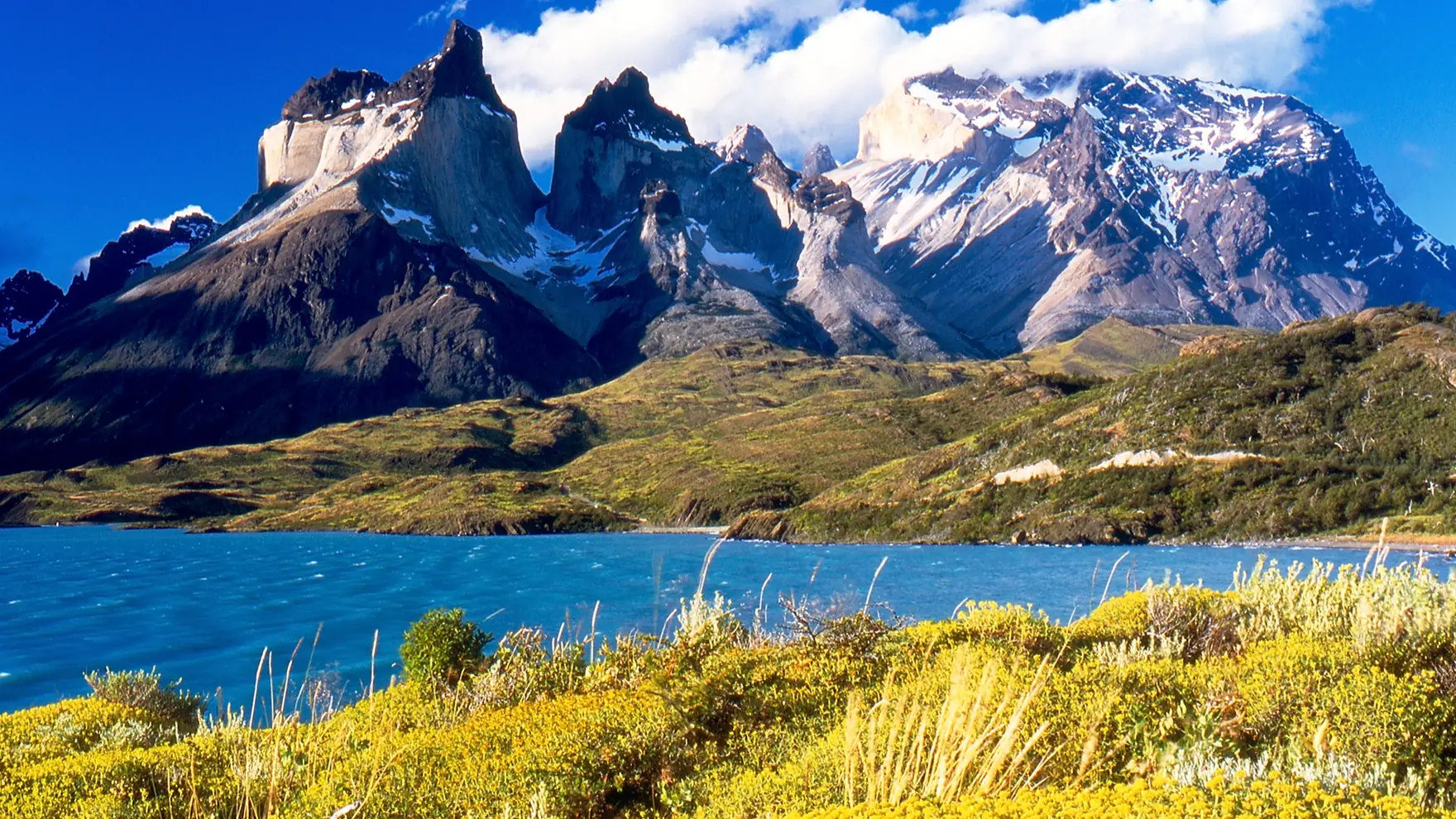
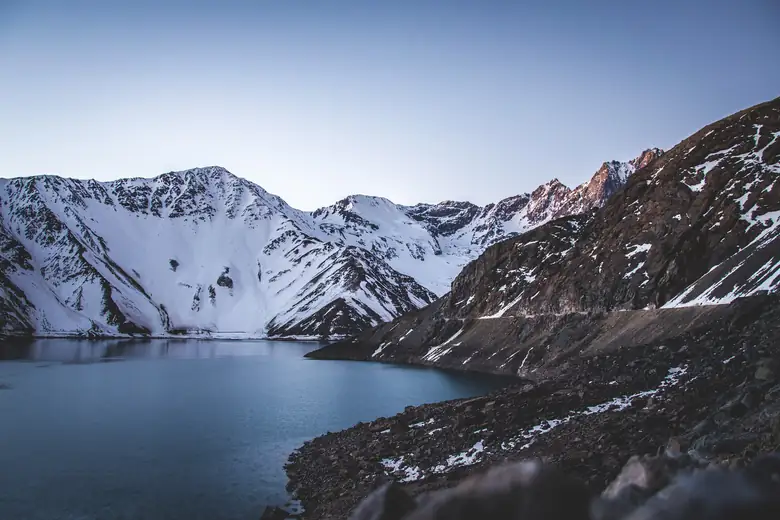
Maciço de Torres del Paine refletido em lago turquesa na Patagônia chilena

Chile · From the Atacama to Patagonia

From the driest desert
to the end of the world

No other country holds so many worlds: the driest desert on the planet, wine valleys turning gold at dusk, a bohemian coast painted by hand and granite towers guarding glaciers in the far south. Chile is a collection of extremes just a few hours from Brazil — and every chapter of it can be designed tailor made.

4,300kilometres long — no other country stretches so far between desert and ice
4hof direct flight from São Paulo to Santiago — and virtually no time difference
0visa needed for most travellers — Brazilians can even enter with a national ID
100%tailor made — regions, pace and stops chosen for you

The destination

A narrow country,
an immense journey

Squeezed between the wall of the Andes and the Pacific, Chile is a ribbon of land 4,300 kilometres long — with every climate on the planet lined up along it. In the north, a desert that can go years without rain; in the centre, Mediterranean valleys blanketed in vines; in the south, ice fields, fjords and the most photogenic granite towers in the Americas.

For travellers from South America's east coast it is the great nature destination closest at hand: short direct flights, almost no time difference, visa-free entry — and, at the other end, desert lodges with pools facing volcanoes, vineyard hotels among the vines and all-inclusive refuges gazing at the Paine massif. Extremes, yes; discomfort, none.

This page travels the country in the order the trip usually unfolds: Santiago and bohemian Valparaíso, the wine valleys — from hidden Millahue to classic Colchagua —, the Atacama Desert and, finally, the Patagonia of Torres del Paine. You can live one chapter at a time, or stitch two or three into a single journey: drawing that cut is exactly our job.

Atacama Desert Wine & harvest Valparaíso Torres del Paine Starry skies Snow in the Andes

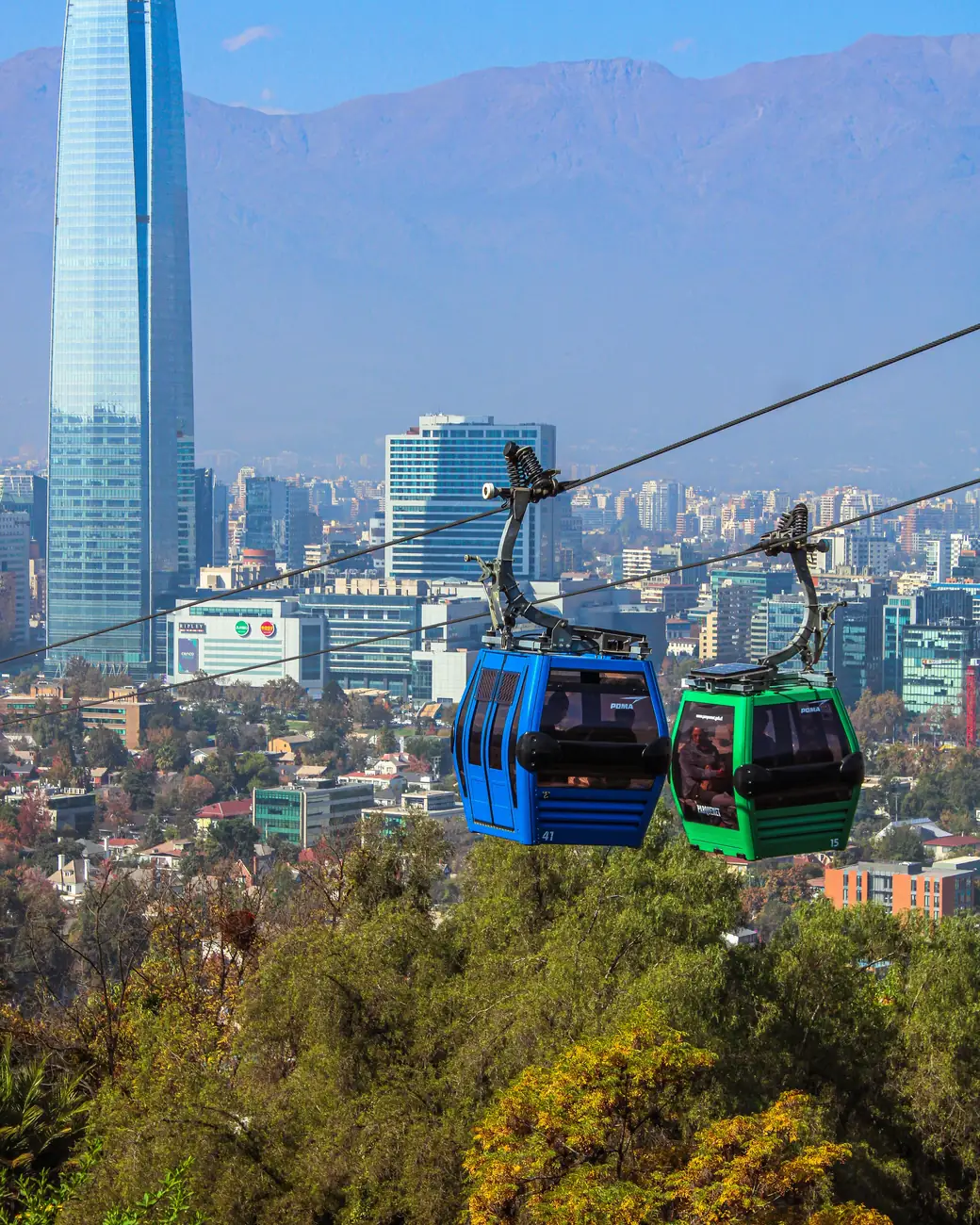
Skyline de Santiago com a cordilheira dos Andes nevada ao fundo Santiago & Valparaíso · The gateway

First chapter

The capital with the Andes in the window

Santiago lives at the foot of a six-thousand-metre wall — and never lets you forget it. The snow-capped cordillera appears at the end of avenues, behind glass towers, in the café window. Between one lookout and the next, the city fills delicious days: the cafés and bookshops of Barrio Lastarria, the Museum of Pre-Columbian Art, the bustle of the Mercado Central and a restaurant scene that has become a destination in its own right.

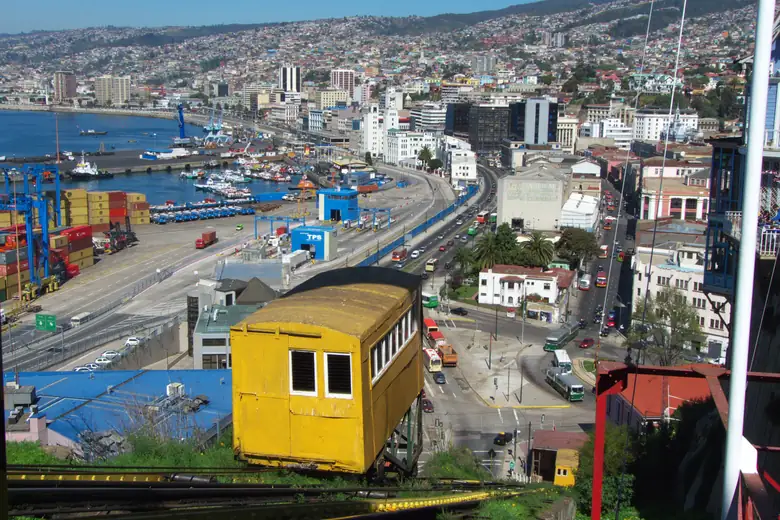
An hour and a half away, Valparaíso is the perfect counterpoint: a historic port spilling down to the Pacific like an amphitheatre, a UNESCO World Heritage Site where century-old funiculars climb hills covered in murals and painted houses. And the Andes stay on the doorstep all year round — in winter, the snow begins ninety minutes from your hotel.

  • 300 m — the highest observation deck in South America, atop the Gran Torre
  • 1.5h by car to the hills of Valparaíso
  • Jun–Sep — snow in the Andes an hour and a half from the city
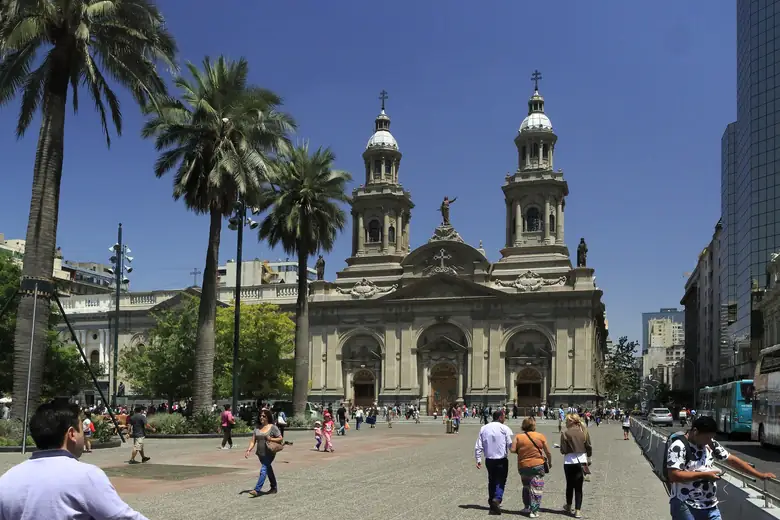
Rua arborizada e fachadas históricas no centro de Santiago
For everyone

Lastarria, markets & the new cuisine

Santiago's delicious side: a morning of seafood stalls at the Mercado Central, an afternoon among the bookshops and cafés of Lastarria, an evening at a tasting counter guided through the country's wines. The Chilean capital eats — and drinks — better every year.

Casas coloridas cobrindo os cerros de Valparaíso diante do Pacífico
For everyone

Valparaíso, amphitheatre of the Pacific

You ride up in a century-old funicular and walk down through stairways turned into an open-air art gallery. On the Alegre and Concepción hills, every corner earns a photo — and Pablo Neruda's house-museum explains why the poets never left.

Montanhas nevadas dos Andes chilenos perto de Santiago
With children

The Andes on the doorstep

Few capitals keep high mountains as a backyard. In winter, the snow resorts welcome everyone from a first sled ride to a first ski lesson; the rest of the year, the cordillera offers picnics with a view, horseback rides and the city's most golden sunset.

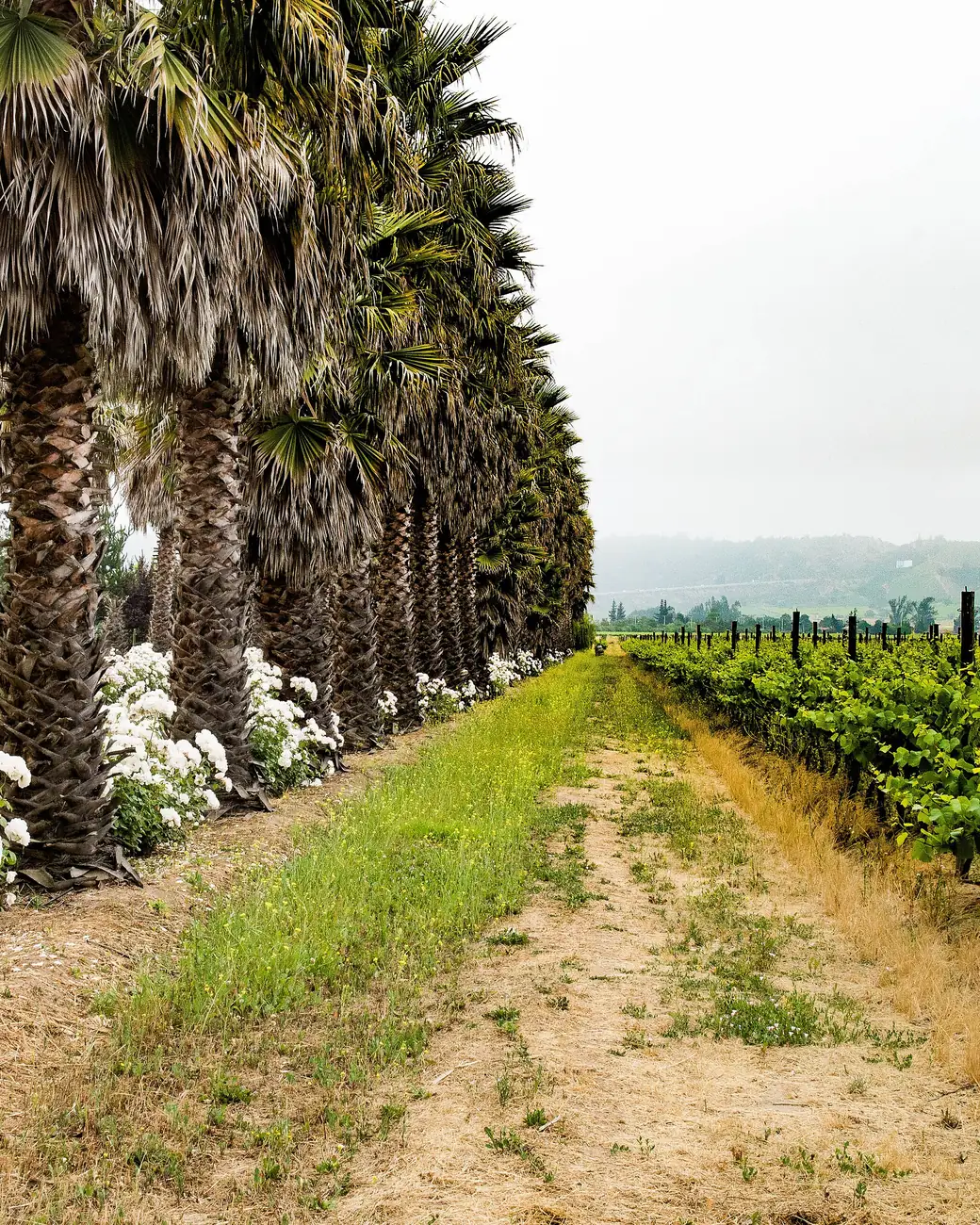
Fileiras de parreiras num vale vinícola chileno com montanhas ao fundo Central Valleys · Chile by the glass

Second chapter

The valleys where the afternoon turns gold

South of Santiago, Chile slows down among the vines. Colchagua is the heart of Chilean red wine — farm roads, colonial villages and the improbable story of Carmenère, the Bordeaux grape presumed extinct that reappeared here, hiding in the vineyards, in 1994. Today it is the country's signature, and it is in this valley that it delivers the most beautiful afternoons.

A little further north hides Millahue, the "place of gold" in the Mapuche language: an amphitheatre of hills in the Cachapoal Valley where the late light gilds the slopes — and where you sleep literally inside the vineyard. On the way to the coast, Casablanca completes the map with cool-climate whites, between the Pacific and the first morning fog.

  • 1994 — the year the "lost" Carmenère was rediscovered in Chile
  • Millahue — "place of gold" in Mapudungun
  • Mar–Apr — harvest time, when whole valleys smell of grape must
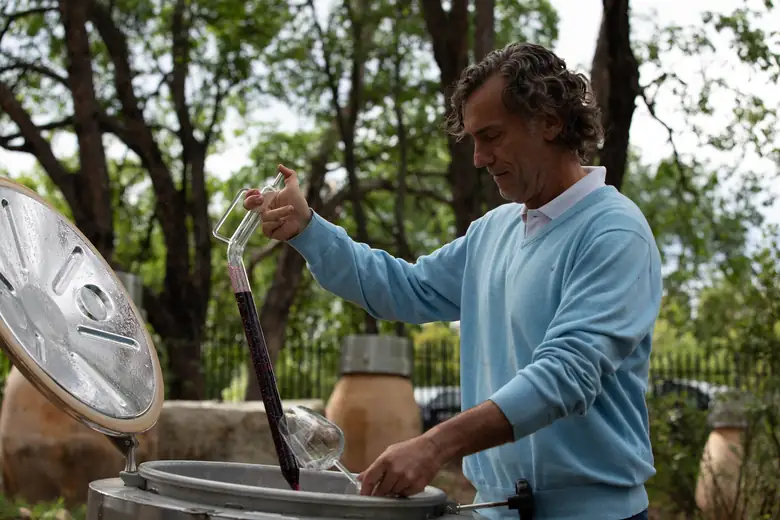
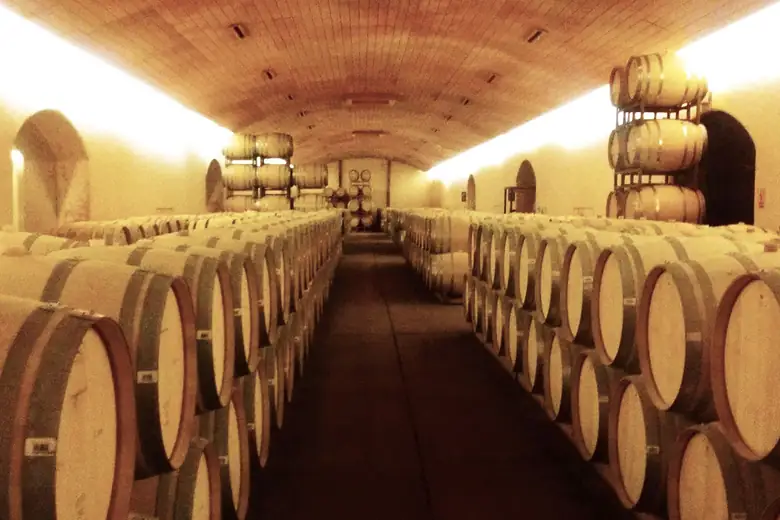
Barris de carvalho em adega de vinícola chilena
Adults only

The Carmenère route

Closed-door tastings, paired lunches at the winemaker's house, the chance to blend your own barrel cut. In Colchagua, wine is not a tourist attraction — it is local life, and visiting it the right way changes everything.

Colinas cobertas de vinhedos douradas pela luz do entardecer
For everyone

Millahue, the "place of gold"

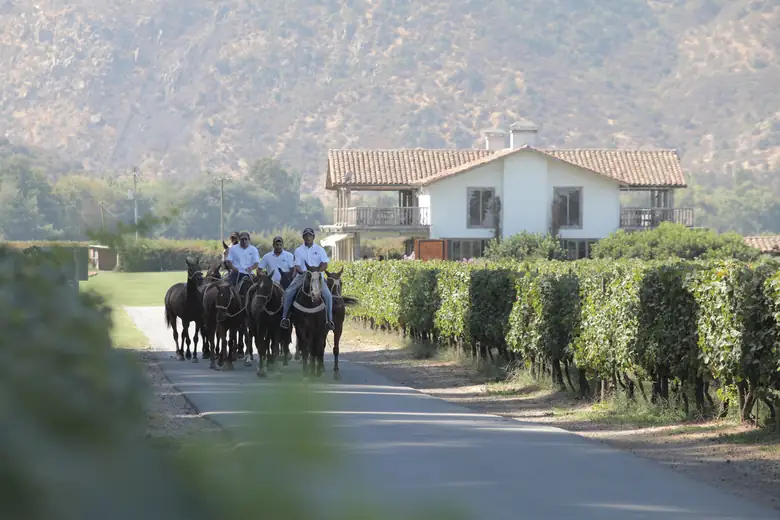
The hidden valley of Cachapoal delivers the gentlest days of the trip: horseback rides among the vines, picnics on the hilltops, a bicycle out to the lake — and the daily spectacle of a sunset that explains the Mapuche name.

Vinhedo do vale de Casablanca sob céu aberto
On the way

Casablanca & the sea

Between Santiago and Valparaíso, the Casablanca Valley is the stop that fits itself into the route: cool-climate whites, Pacific oysters on the table and the morning fog dissolving over the vines. The most beautiful lunch of the road.

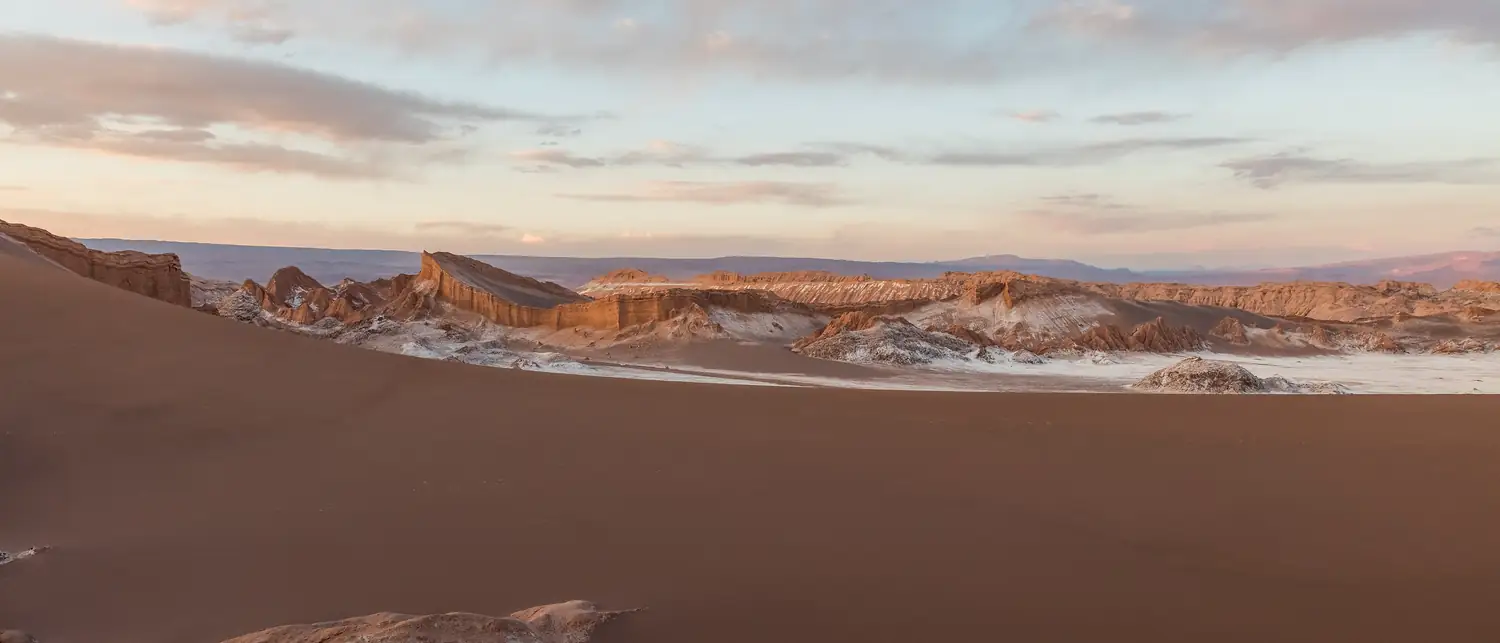
Paisagem desértica do Valle de la Luna ao entardecer, no Atacama

There are countries you visit and countries you cross. Chile is a map of extremes stitched along a thread of land — and at every stop, the plane window shows you another planet.

From Brazil to the end of the world, everything designed tailor made
Formações de sal e dunas do deserto do Atacama sob luz dourada Atacama Desert · Another planet

Third chapter

The driest desert on Earth

There are corners of the Atacama where rain has never been recorded. The result is a landscape that does not seem to belong to this planet: salt cordilleras sculpted by the wind, rust-coloured valleys, white salt flats inhabited by flamingos and perfect volcanoes closing the horizon. The base is San Pedro de Atacama, an oasis of dirt streets and adobe houses at 2,400 metres.

It is also the most comfortable desert in the world: design lodges with pools facing the volcanoes, private excursion programmes leaving from your door — and, at night, the prize of more than three hundred clear skies a year. It is no accident that the greatest astronomical observatories on the planet chose exactly this patch of sky.

  • 2,400 m — the altitude of San Pedro, the base oasis
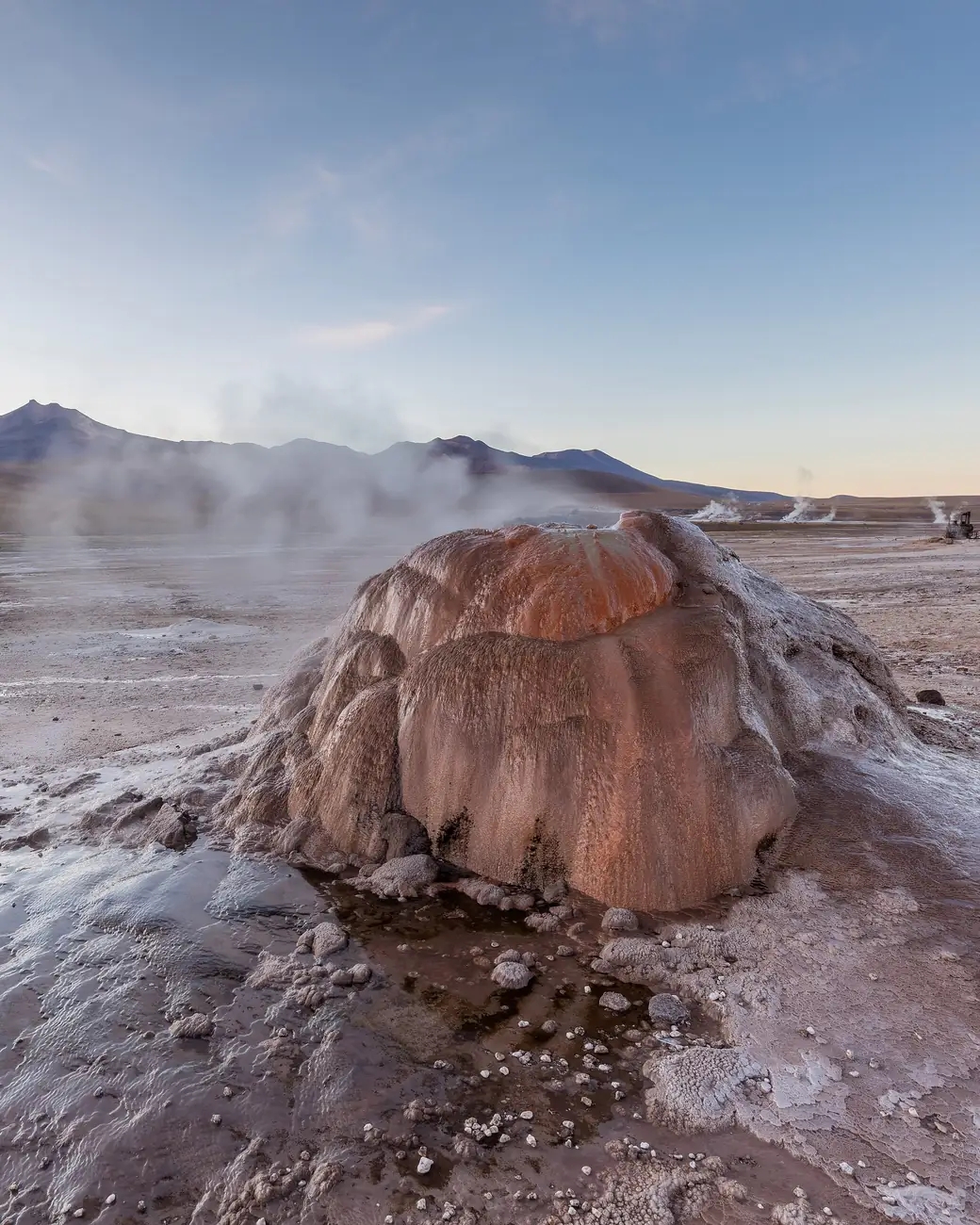
  • 4,320 m — the El Tatio geysers steaming at dawn
  • 300+ clear-sky nights a year
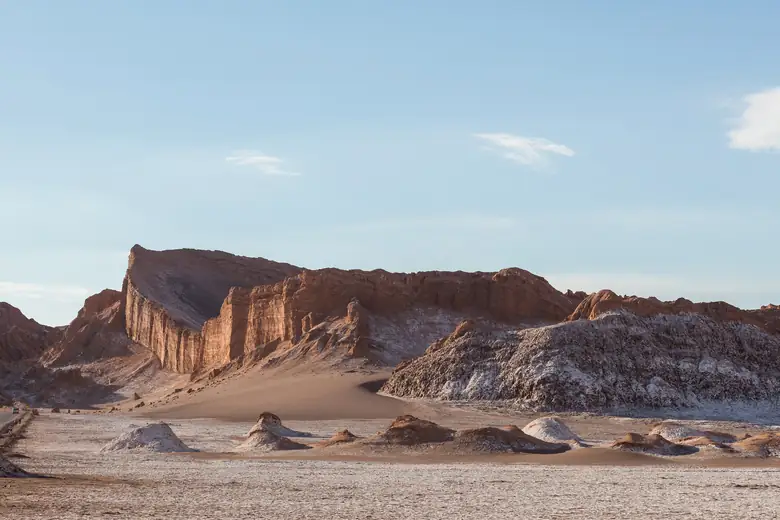
Dunas e cristas de sal do Valle de la Luna ao pôr do sol
The classic

Valle de la Luna at sunset

Minutes from San Pedro, the Salt Cordillera holds the desert's most lunar scenery. At the end of the day, the ridges shift from ochre to violet as the sun goes down — with a glass in hand and the absolute silence of the Atacama for a soundtrack.

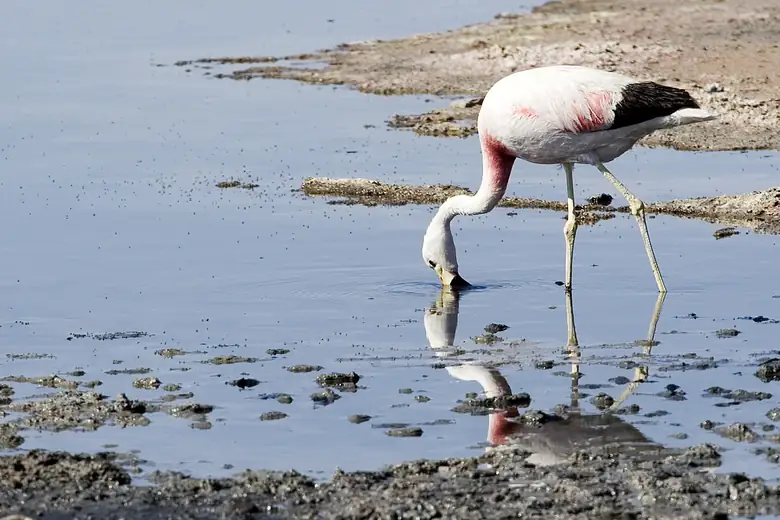
Flamingos caminhando nas águas rasas do Salar de Atacama
With children

Flamingos on the salt flat

In the heart of the Salar de Atacama, mirror-still lagoons shelter three species of flamingo — fishing upside down just metres from the walkways. Higher up, the altiplanic lagoons of Miscanti and Miñiques frame volcanoes in an unreal blue.

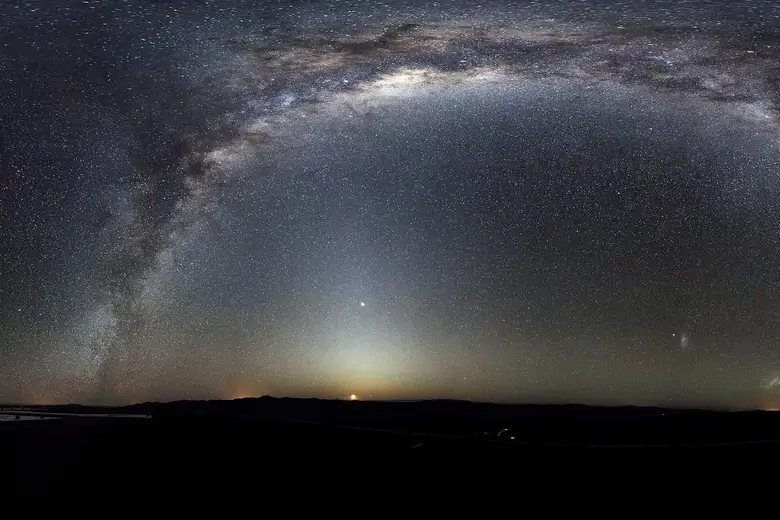
Via Láctea brilhando sobre o deserto do Atacama à noite
For everyone

The starriest night of your life

Altitude, dry air and zero light pollution: the Atacama sky is considered the best on the planet for stargazing. Dinner under the Milky Way, with a telescope and a private astronomer, tends to be the most remembered night of the entire trip.

Torres de granito do maciço do Paine erguendo-se sobre a estepe patagônica Patagonia · Torres del Paine

Fourth chapter

The end of the world in granite and ice

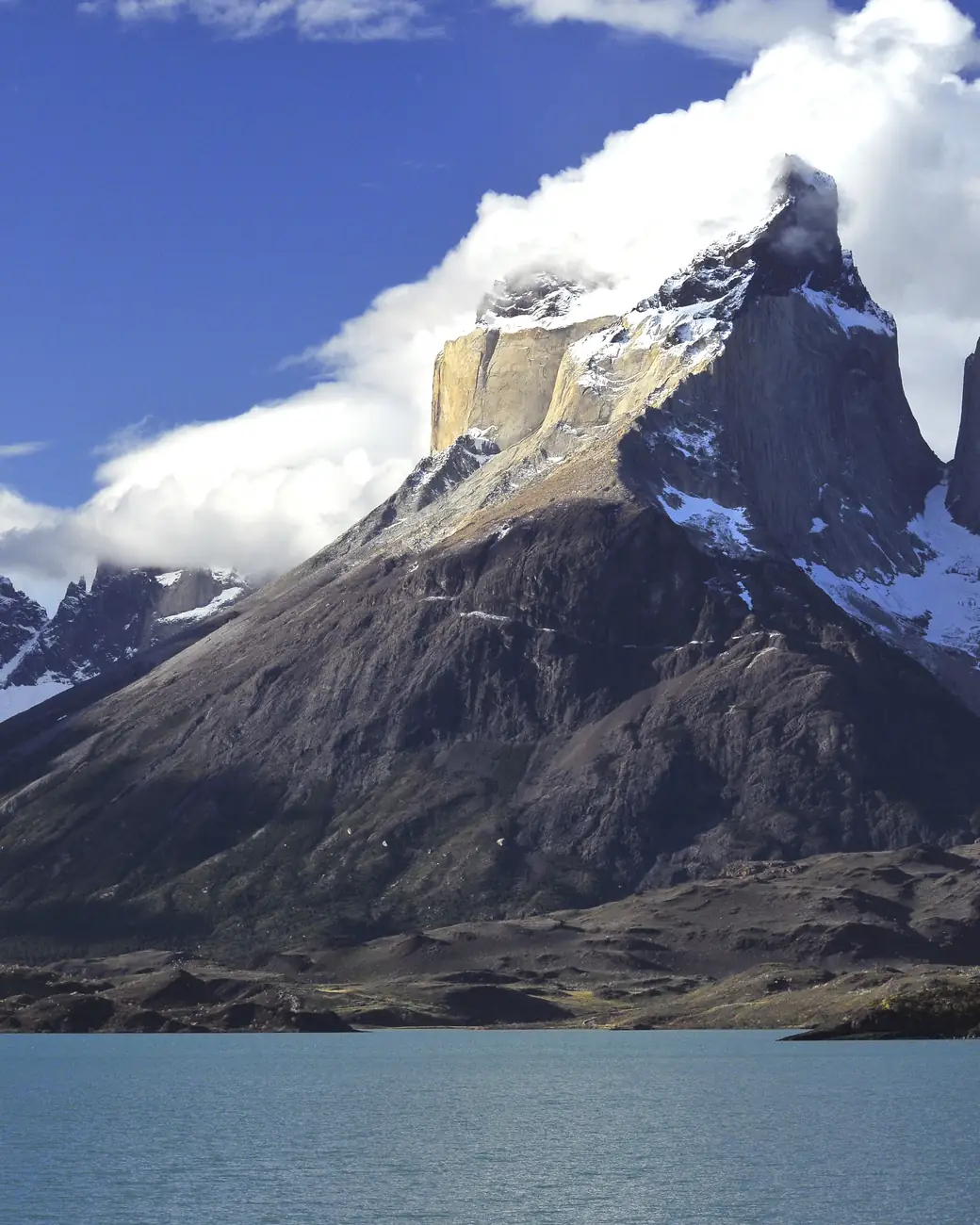
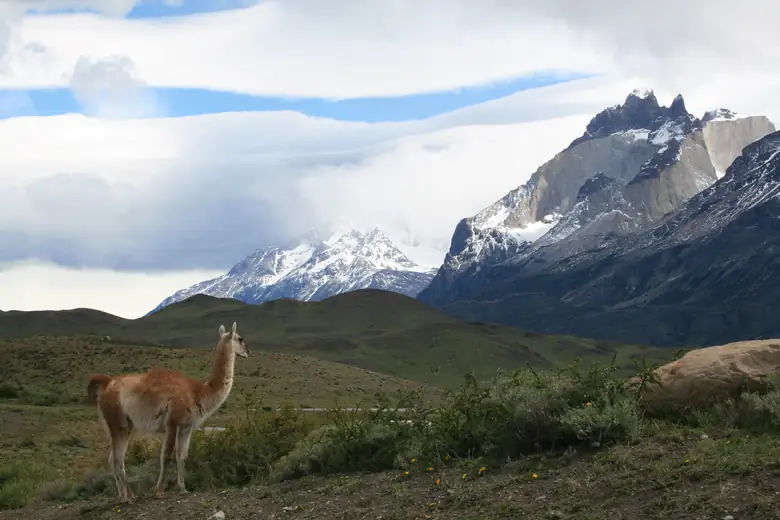
In the far south, the road ends at one of the most spectacular parks on Earth. Torres del Paine is a granite massif raised over turquoise lakes, ringed by glaciers flowing down from the Southern Ice Field — the largest mass of ice in the hemisphere outside the poles after Antarctica. Guanacos graze the steppe, condors cross the sky and pumas patrol, discreetly, the whole scene.

Chilean Patagonia invented its own way of being explored: all-inclusive lodges facing the massif, where each evening you choose the next day's excursion — trails of every length, rides with baqueano horsemen, boat trips to the blue wall of Grey Glacier. The wind is part of the landscape; the comfort, part of the design.

  • 1978 — a UNESCO Biosphere Reserve
  • 3 vertical granite towers give the park its name
  • Oct–Apr — the austral summer season
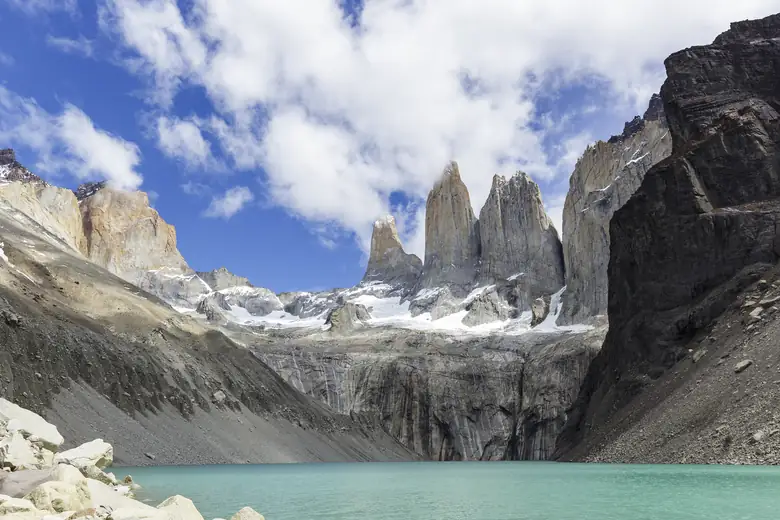
As três torres de granito de Torres del Paine vistas do mirante
For everyone

The lookouts of the massif

The park is generous with every fitness level: there are jaw-dropping lookouts steps from the car, gentle lakeside walks — and, for those who want the medal, the full-day trail to the base of the towers, face to face with the granite.

Parede azul do Glaciar Grey encontrando as águas do lago
For everyone

Sailing to Grey Glacier

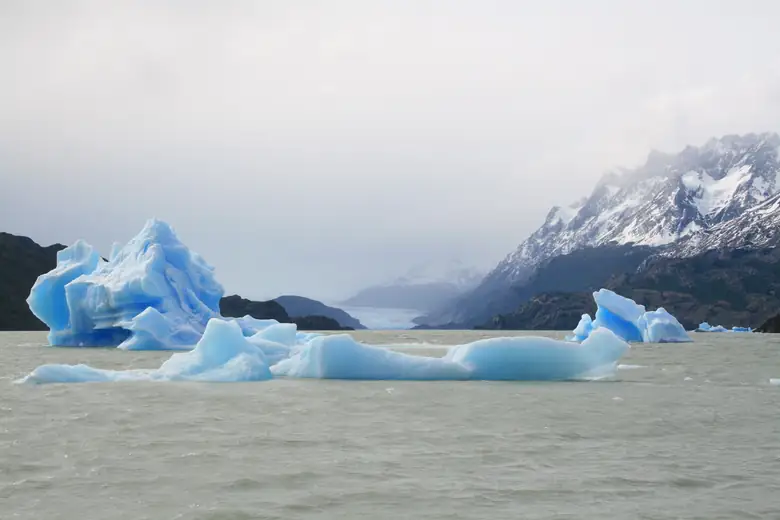
The boat weaves past blue icebergs until it stops before a twenty-metre wall of ice. It is the excursion that sums up Patagonia: wind on your face, a glass served with millennial ice and the crushing scale of the Southern Ice Field.

Guanacos na estepe dourada de Torres del Paine
Adults only

On the trail of the pumas

Torres del Paine has become the best place in the world to see pumas in the wild. With trackers and specialised photographers, you set out before dawn to find them at just the right distance — a safari of silence, patience and a racing heart.

Day by day

How the trip takes shape

A skeleton itinerary through the country's four chapters, to give you a sense of scale — each block can grow, shrink or leave the map. Length, pace and order are always adjusted to you.

Day 1

Arrival, with the Andes standing guard

A direct flight and arrival in Santiago with the day still ahead. Check-in, a first stroll through the hotel's neighbourhood and a welcome dinner as the cordillera turns gold in the window.

ArrivalSantiago
Day 2

Santiago, from market to lookout

A morning at the Mercado Central and the historic centre, an afternoon between Lastarria and the Museum of Pre-Columbian Art, day's end up high — sunset over the city with the whole of the Andes for a frame. At night, a reserved table in the new Chilean cuisine.

The cityGastronomy
Day 3

Valparaíso & the coast

A full day on the coast: the funiculars and murals of the hills, Neruda's house, lunch with the Pacific in the window — and, on the way back, a tasting stop in the Casablanca Valley to close the afternoon.

ValparaísoCasablanca
Day 4

Down to the wine valleys

The road south, among orchards and vineyards, to a hotel inside the vines — in the Millahue amphitheatre or the heart of Colchagua. An afternoon of first tastings and a sunset gilding the hills.

Change of baseVineyards
Day 5

A whole day among the vines

A morning ride through the vineyards, a paired lunch at the winemaker's house, an afternoon of spa or cycling — and, at harvest time, the chance to pick and tread grapes as tradition demands. The gentlest day of the trip.

WineriesHorseback ride
Day 6

The leap to the desert

A flight north and arrival in San Pedro de Atacama, the oasis at 2,400 metres. A light afternoon to acclimatise, then day's end at the Valle de la Luna — no one forgets their first desert sunset.

Domestic flightValle de la Luna
Day 7

The altiplano before dawn

Out before sunrise to watch the El Tatio geysers steaming at 4,320 metres — the country's most dramatic daybreak. On the way back, a thermal soak, adobe villages and a well-earned afternoon by the lodge pool.

GeysersAndean villages
Day 8

Salt flat, lagoons & stars

Flamingos on the salt-flat lagoons in the morning, the altiplanic lagoons mirroring volcanoes next. At night, the desert's grand finale: dinner under the Milky Way, with a telescope and an astronomer just for you.

FlamingosAstronomy
Day 9

Towards the end of the world

A day crossing the country: coordinated flights to the far south and a drive across the steppe, guanacos escorting the car, to the lodge facing the Paine massif. The first sight of the towers already pays for the trip.

Flight southPatagonia
Day 10

The days of the massif

Two or three days of excursions chosen evening by evening with the lodge's guides: lookouts and trails to match your legs, rides with baqueano horsemen, the boat to Grey Glacier — and, for the determined, the base of the towers.

TrailsGrey Glacier
Final day

Home, larger on the inside

A last morning before the towers, a flight north and the connection home — all coordinated as one seamless piece of logistics. The suitcase returns with wine and salt; the memory, with four different planets.

ReturnFlight home
This itinerary is a starting point, not a package. Some savour the desert alone and slowly, some join the Atacama and Patagonia in a single trip of extremes, some prefer an entire week among the vines. The final design — regions, bases, number of nights — is always drawn up together, and without haste.

Gallery

What you will see

Click any image to enlarge.

How we travel

What changes when the trip is designed

Chile looks simple on the map and is treacherous on the calendar: four regions with clocks, climates and logistics of their own. Stitching it all in the right order is exactly our craft — and it is settled before you board.

The right cut for your time

No one needs to see all of Chile at once. With one week, the desert or Patagonia plus wine; with two, the complete extremes. We draw the cut from your days, the time of year and what cannot be missing.

The right order of extremes

Altitude is managed by design: light days on arrival in the desert, the altiplano only after acclimatisation, time margins where the weather rules. The sequence of regions is never random — it is what makes the whole trip flow.

Wineries behind closed doors

Private tastings away from the bus circuit, lunches at the winemaker's house, picking grapes at harvest. In the valleys, the difference between a visit and a memory is having the right doors open — we knock on them first.

Guides who are half the landscape

In the Atacama and Patagonia, the right guide turns stone into story: naturalists, astronomers, wildlife trackers, baqueanos. We book the best — privately, at your pace and in your language whenever possible.

Three climates, one right suitcase

Dry heat in the desert, freezing nights on the altiplano, real wind in Patagonia — sometimes all in the same week. We send the exact list by region and season, so the suitcase closes light and nothing is missing up there.

24/7 support

From boarding to the return, a team follows the entire trip. Any surprise — a flight, a road, a special request at the lodge — is solved with a message, in your language.

Where to stay

Three ways to sleep in Chile

We work with a short list of houses we know and trust — organised here by style, which in each region of Chile defines the experience. The final choice is always designed with you.

Among the vines

Vineyard hotels

Sleeping literally inside the vineyard: rooms with the vines in the window, wine-therapy spas, dinners signed by the house winemaker and the sunset gilding the hills. The gentlest — and most delicious — way to live the valleys.

  • Millahue & CachapoalVineyard hideaways
  • ColchaguaFarmhouses & boutiques
In the desert

Explorer lodges

Adobe-and-design architecture, pools facing the volcanoes and private excursion programmes included — each evening you choose the next day's adventure with the house guides. The Atacama without giving up a single thing.

  • San Pedro de AtacamaLodges with excursions included
  • Around the oasisAdobe & design houses
At the end of the world

Patagonian refuges

All-inclusive lodges facing the Paine massif, with their own guides, daily excursions and windows that count as paintings. After a day of wind and trail, the hot tub gazing at the towers explains everything.

  • Torres del PaineAll-inclusive lodges before the massif
  • Puerto NatalesDesign on the fjord's edge

Know before

The essentials, no fine print

Practical information for those starting to think about the trip.

When to go

Chile has no wrong season — it has regions with different clocks. The Atacama works all year; Patagonia has a season; the valleys and the snow keep calendars of their own:

Oct–NovThe austral spring: Patagonia reopens with the park at its emptiest, the valleys turn green and Santiago is at its best.
Dec–FebSummer: Patagonia's peak, with up to seventeen hours of daylight in the far south — and the park's most sought-after season.
Mar–AprHarvest time in the valleys — picking, festivals and golden vineyards — with Patagonia still open and dressed in autumn colours. For many, the perfect combination.
Jun–SepWinter: snow in the Andes an hour and a half from Santiago, while the Atacama stays dry, sunny and with an even cleaner sky at night.

Documents, no visa

Brazilian citizens do not need a visa for tourism of up to 90 days — and can even enter with their national ID card, as long as it is in good condition and issued less than ten years ago (a driving licence does not count). With a passport, the six-month validity rule avoids any surprise.

On arrival, keep the migration slip handed over at border control, and the SAG declaration forbids bringing in fresh food — fruit, cheese, honey. We walk you through everything before departure, item by item.

Altitude, no drama

San Pedro de Atacama sits at 2,400 metres — an altitude most people barely feel — but the altiplano excursions climb past 4,000. The golden rule is design: a light arrival, hydration, and the highest points only after two days of acclimatisation.

The itinerary is born in that order, and the lodges keep oxygen and trained staff. Children enjoy the desert just as much — they simply earn more generous naps. Medical conditions, just let us know while we design the trip.

The Patagonian wind

In Patagonia the weather changes by the hour and the wind is part of the landscape — in summer, it is the park's own soundtrack. You dress in layers, walk with margins and let the schedule breathe: it is the weather that makes the scenery what it is.

This is how we design it: enough nights at each base, excursions decided day by day according to the sky, and guides free to swap plan A for plan B without drama. Patagonia rewards those who arrive with time — and humility.

To add on

To make the trip even more yours

Layers that fit naturally into a journey through Chile.

01

Rapa Nui, island of the moai

Five and a half hours by air from Santiago, Easter Island is the most isolated inhabited place on the planet — and the moai at sunrise are among the most powerful images a trip can hold. An extension that becomes a pilgrimage.

02

Lakes, volcanoes & Chiloé

Between Santiago and Patagonia lies a green Chile: snow-perfect volcanoes mirrored in lakes, hot springs in the forest, and the wooden churches and painted stilt houses of Chiloé. The chapter the hurried skip — and returning travellers choose first.

03

Snow in the Andes

From June to September, the Andean ski resorts sit an hour and a half from Santiago — slopes with the whole cordillera in view, lessons for children and the rare luxury of skiing in the morning and tasting at a vineyard in the afternoon.

04

The fjords under way

Following Torres del Paine with an expedition cruise through the fjords of the far south — glaciers calving into the sea, penguin colonies and, for collectors of extremes, mythical Cape Horn off the bow.

05

Harvest, live

Between March and April, whole valleys turn to the harvest: baskets in hand, feet in the grapes, vintage festivals and new must perfuming the cellars. For wine lovers, it is the season when the valleys show their soul.

06

From the Atacama to Uyuni

From San Pedro, you cross the altiplano towards the largest salt flat in the world, over in Bolivia — coloured lagoons, stone deserts and the celebrated infinite mirror of water. Two legendary deserts stitched into one epic crossing.

( Pairs well with this trip )

After Chile, South America goes on

01

Peru

Machu Picchu, the Sacred Valley and Lima's dining scene — the classic Andean pairing to combine with Chile.

02

Brazil

From Rio to the Amazon and the Pantanal, a continent-sized country adding beach, jungle and waterfalls to the route.

03

Costa Rica

Volcanoes, cloud forests and pura vida between two oceans — a dose of tropical nature.