Senso-ji & Asakusa
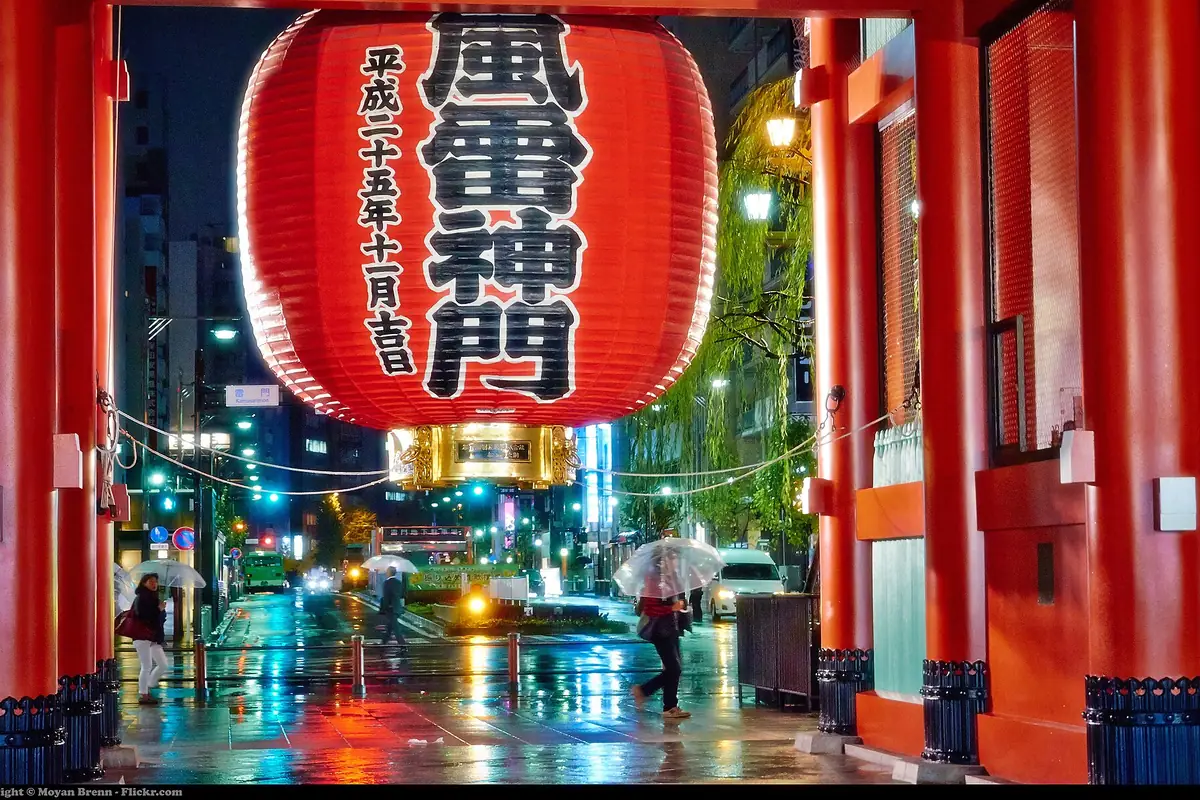
Tokyo's oldest temple, with the giant lantern of the Kaminarimon gate and Nakamise street full of sweets and souvenirs. It is traditional Japan inside the metropolis — a walk that delights grandchildren and grandparents alike.
Japan · Cities & Snow
Two journeys in one: the temples, bullet trains and electric energy of the Japanese cities — capped by an all-inclusive ski week in the best powder on the planet. All at your pace, all tailor made.
The itinerary
There is the Japan of thousand-year-old temples, zen gardens and crossings where three thousand people cross the street at once. And there is the white Japan: Hokkaido, the northern island, where the driest, deepest snow on the planet falls — the famous “Japow”. This itinerary brings the two together.
The first part is urban and cultural: Tokyo and its electric energy, Mount Fuji seen from the hot springs of Hakone, the thousand red gates of Kyoto, the deer of Nara and the street food of Osaka. Every stage has one design for those travelling with children and another for adults-only groups — both appear throughout this page.
The second part is the finale: a week of skiing at Club Med Kiroro Grand, in Hokkaido, with lessons, equipment, dining and even the après-ski bundled into a single package. Non-skiers get a full trip too: open-air onsen, kids clubs, sledding and snow outside every window. And you can also book just one of the two parts — the itinerary is modular.
Tokyo · 3 to 4 nights
First stop
The largest city in the world is also the most organised. Tokyo stacks eras effortlessly: a 7th-century temple three subway stops from the busiest crossing on the planet, gardens of absolute silence around the corner from the neon of Shinjuku. It is the perfect gateway — culture shock delivered with punctual trains, safe streets and a politeness that disarms any traveller.
It is also the city that best adapts to your profile. With children, it becomes the biggest theme park on Earth — Disney, Ghibli, Pokémon, robots and vending machines for everything. Adults only, it becomes a run of omakase counters, tiny bars and views from the top at dusk. The shape of the days changes; the enchantment does not.

Tokyo's oldest temple, with the giant lantern of the Kaminarimon gate and Nakamise street full of sweets and souvenirs. It is traditional Japan inside the metropolis — a walk that delights grandchildren and grandparents alike.

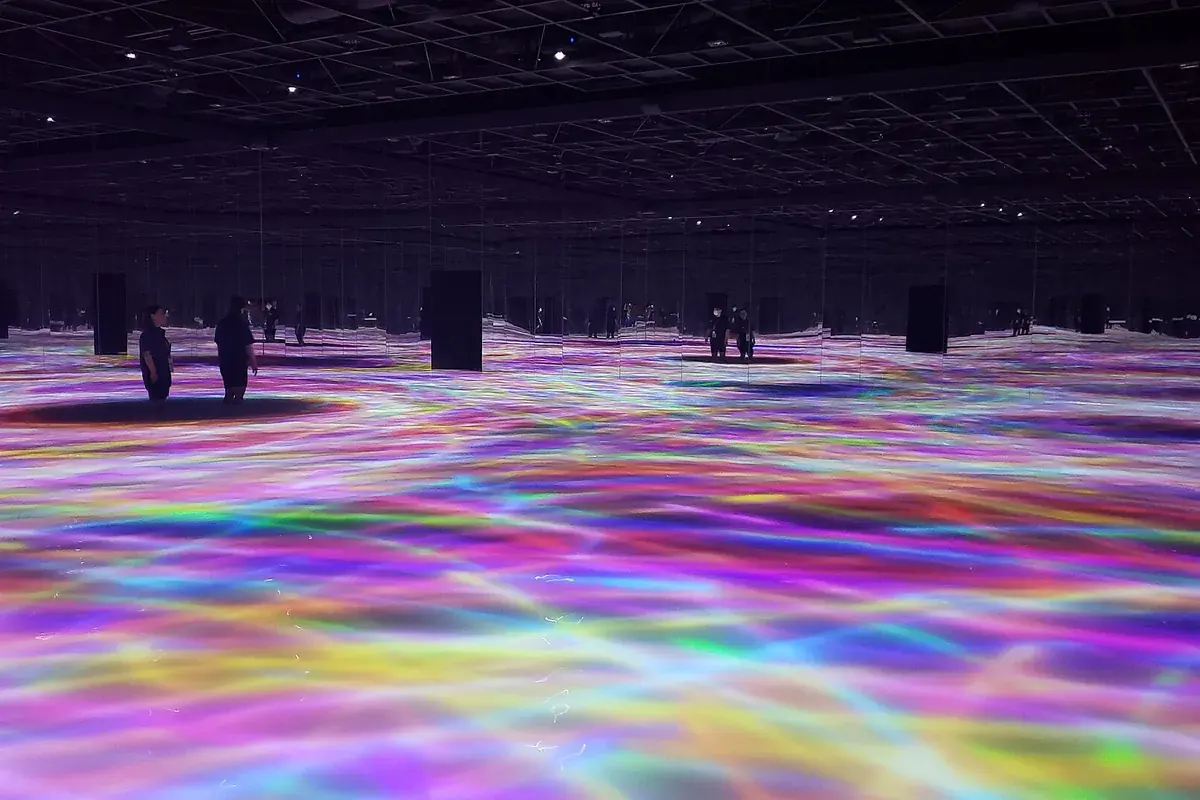
Immersive digital art where you walk barefoot through water, among mirrors and fields of light. It enchants every age — children dive into the play, adults leave with the best photos of the trip. Tickets sell out: we book ahead.

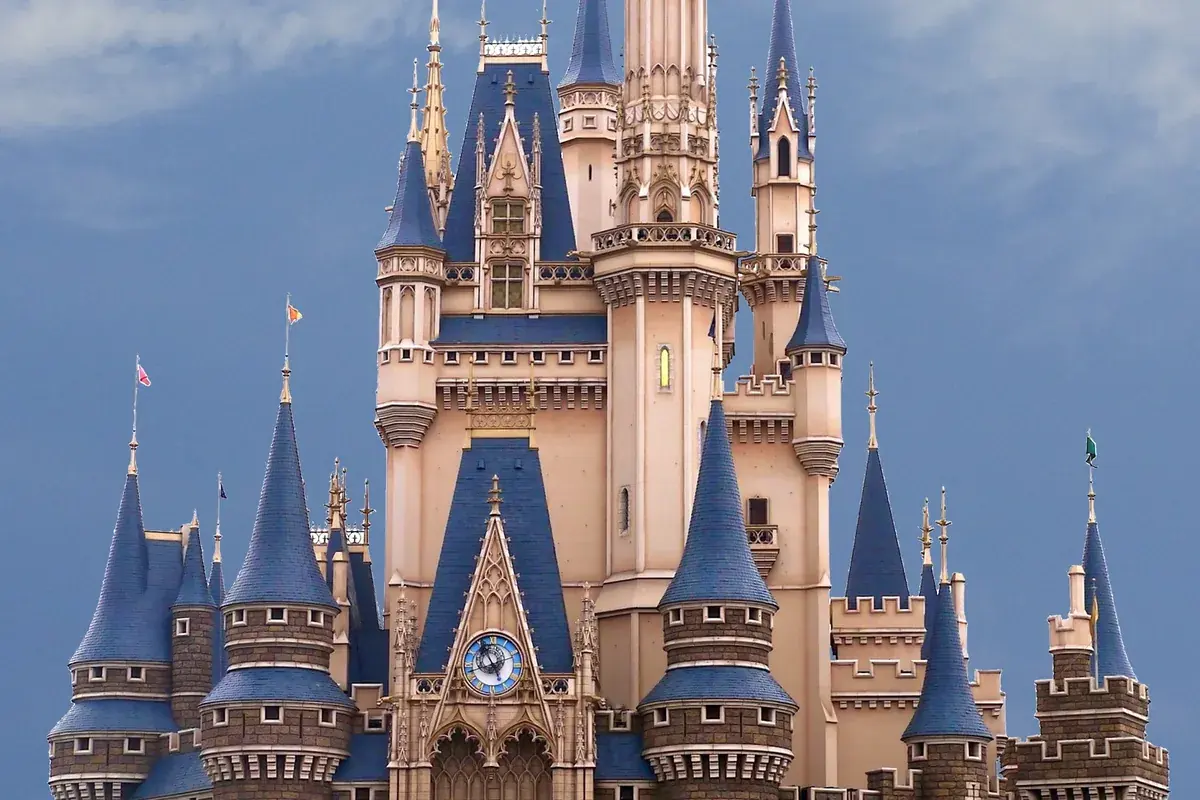
Two parks side by side — and DisneySea exists nowhere else in the world. Worth one or two full free days: the Japanese operation is impeccable and even the queues are civilised.

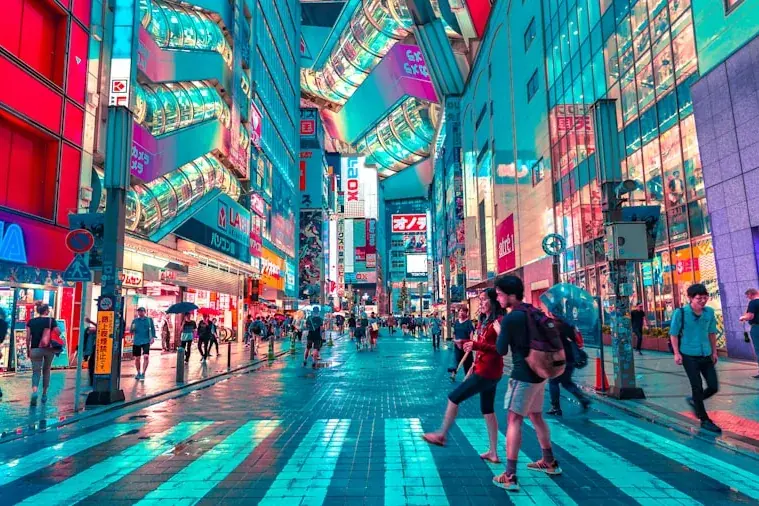
The Ghibli Museum (a fiercely contested ticket — we take care of it), the Pokémon Centers and the Akihabara district, world capital of games and anime. For young fans, it is the most awaited day of the trip.

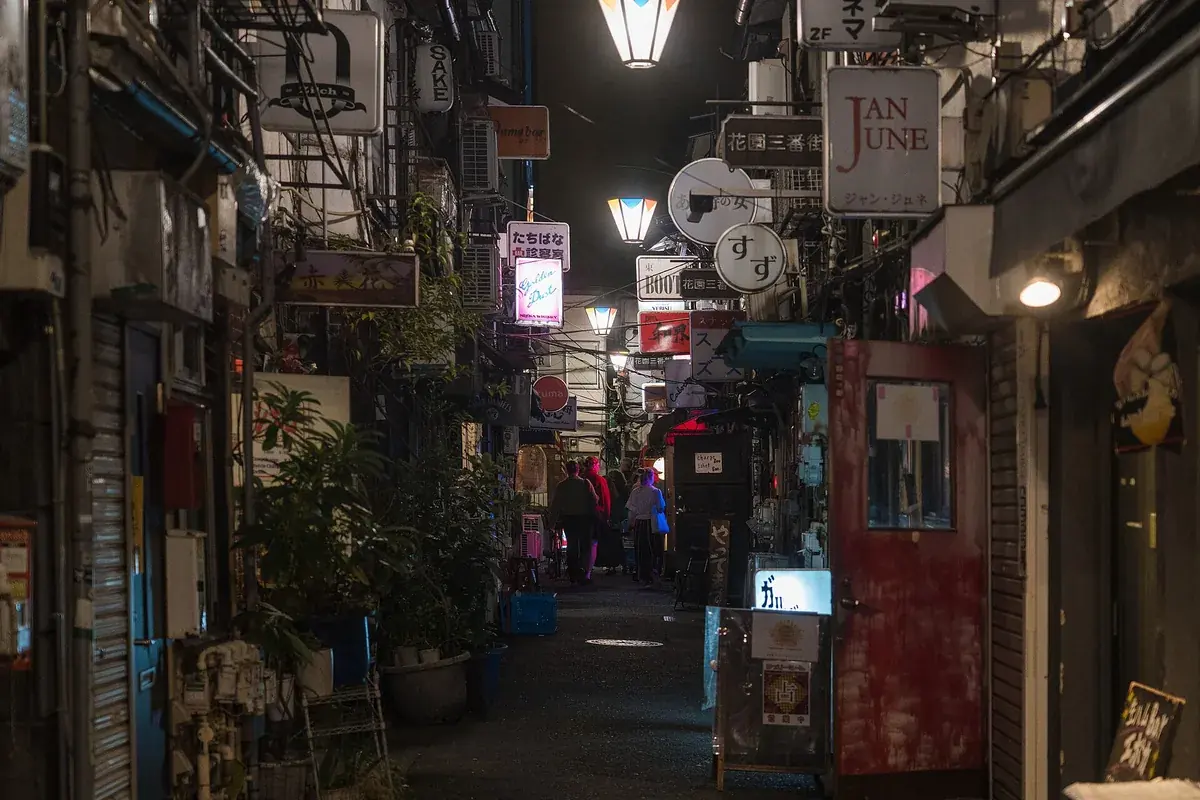
An omakase dinner — the counter where the chef decides, piece by piece — and then the alleys of Golden Gai, where every bar has six seats and a personality of its own. Tokyo nights are made of small doors and big memories.

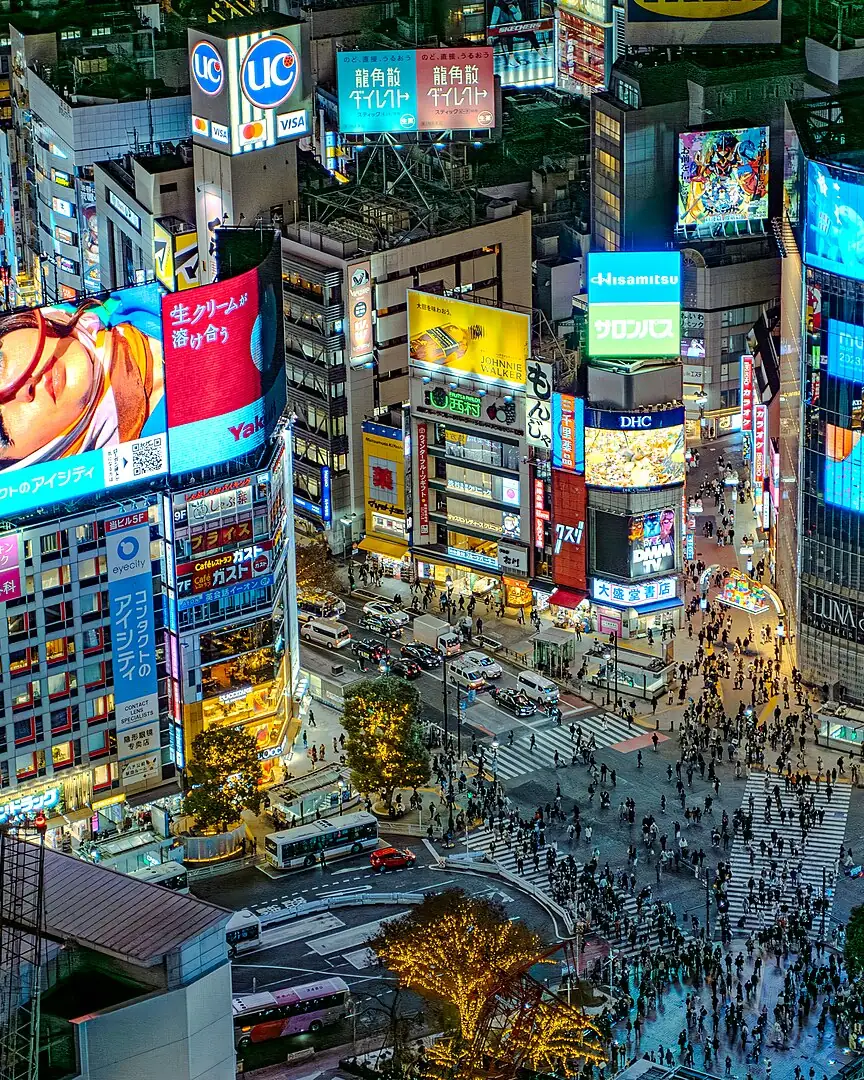
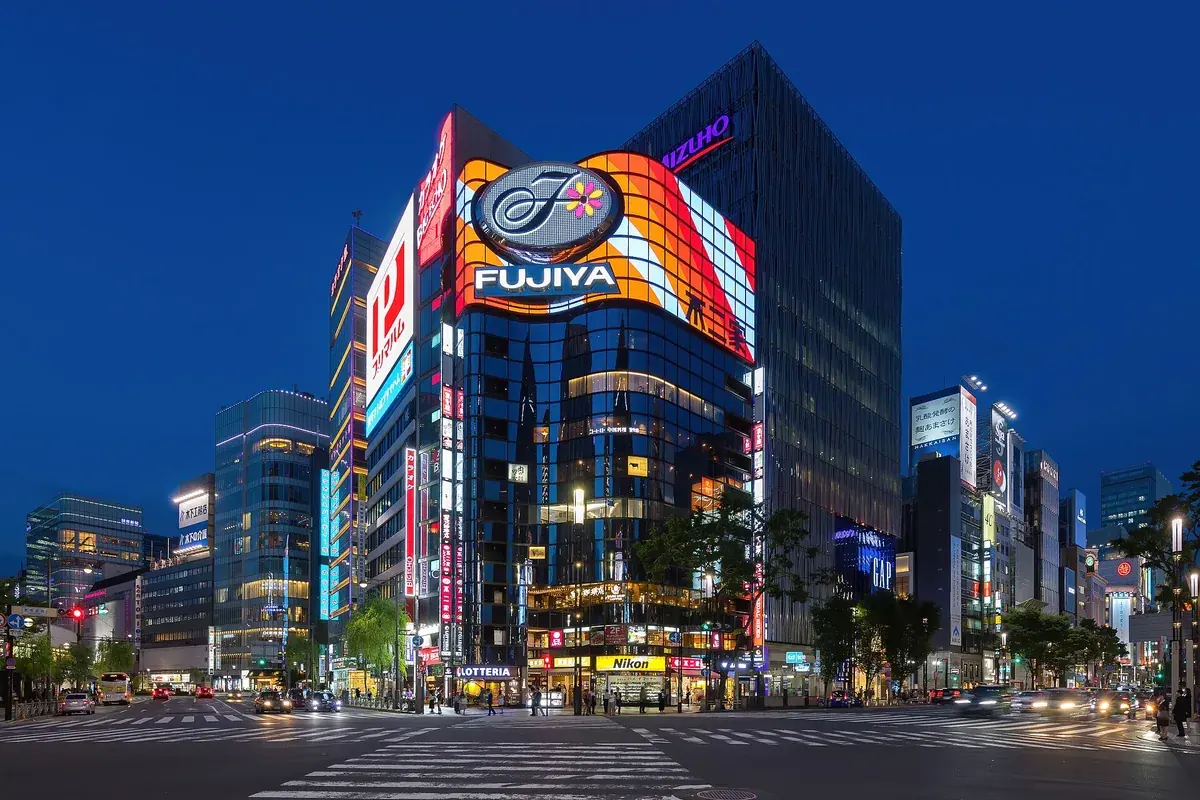
The shops of Ginza and the signature cafés of Omotesando by day; at dusk, the open-air observatory of Shibuya Sky, with the crossing swarming below and, with luck, Fuji on the horizon.
Hakone & Fuji · 1 to 2 nights
Second stop
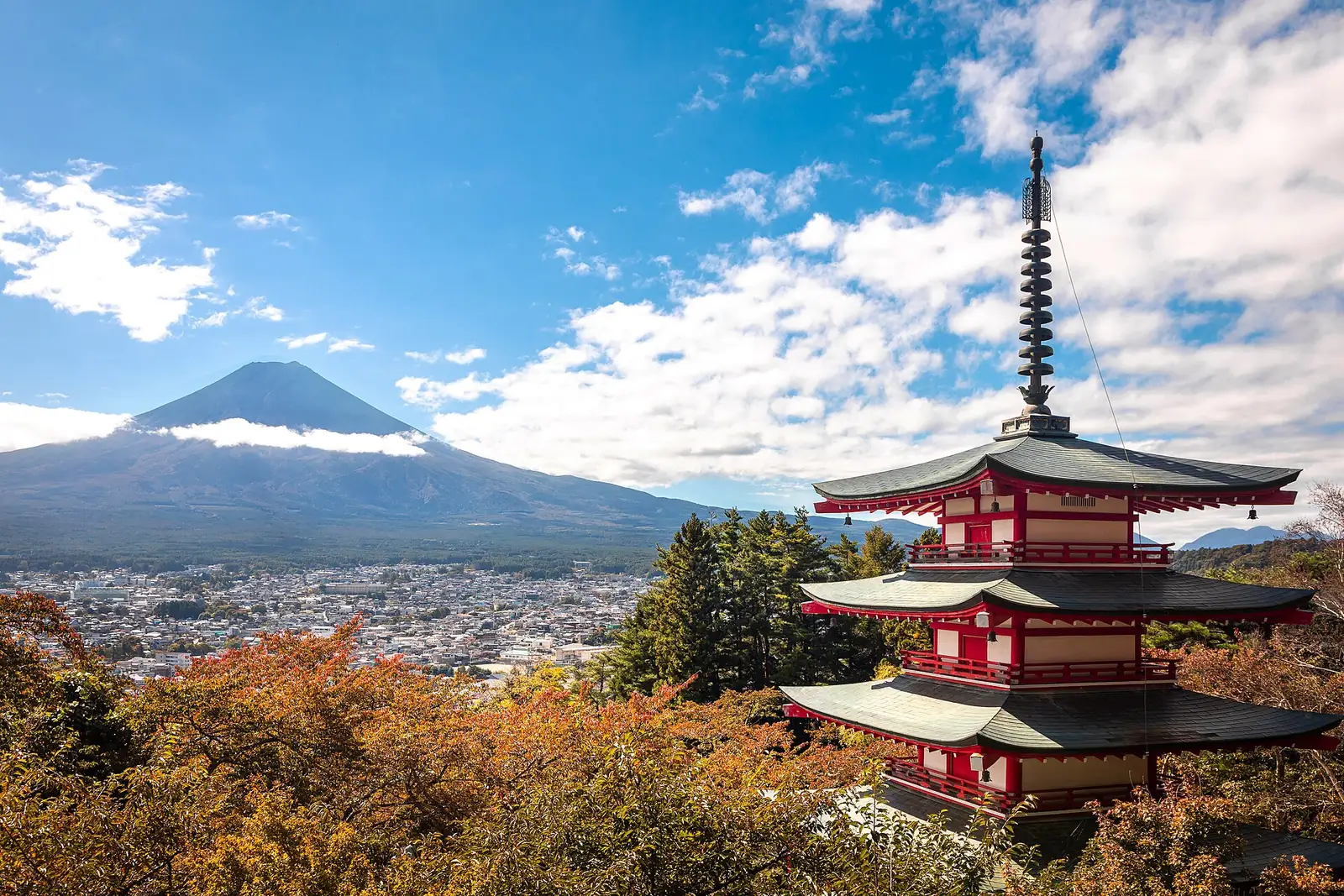
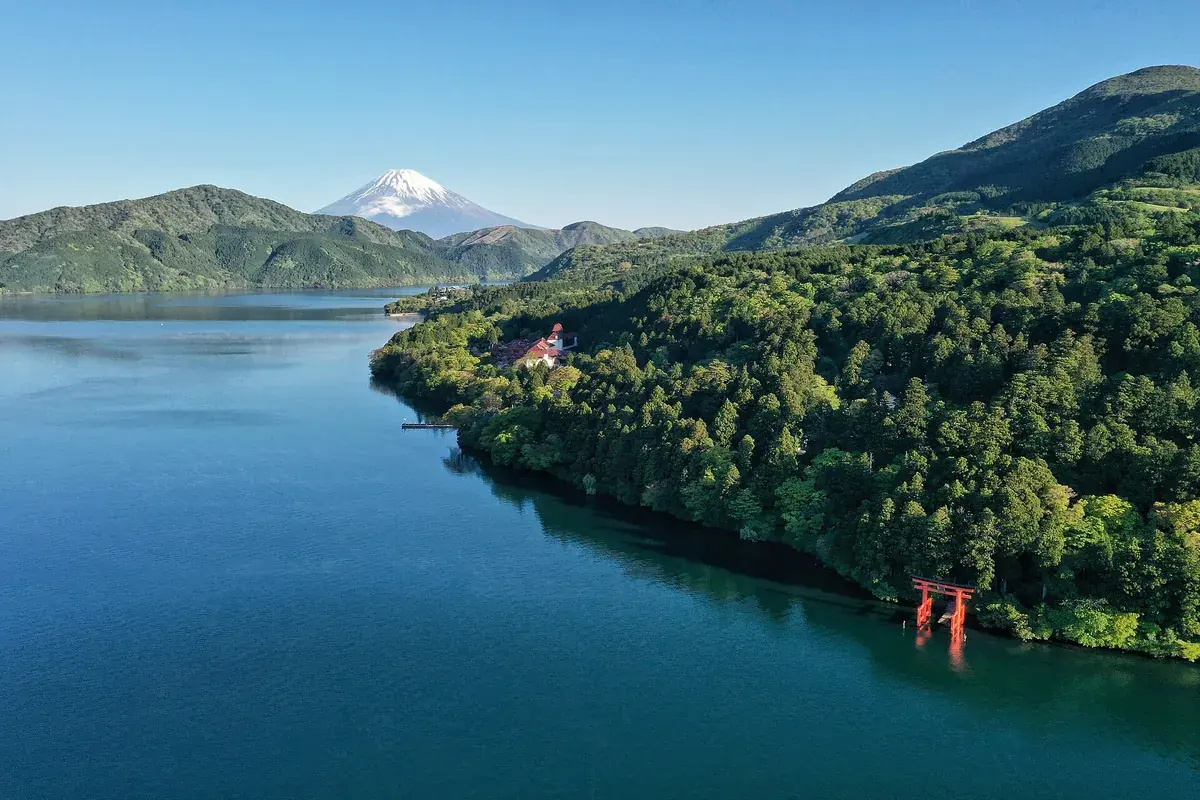
Just over an hour from Tokyo, Hakone is the region of mountains, lakes and volcanic steam the Japanese chose as a retreat centuries ago. This is where the classic views of Mount Fuji come from — framed by the red torii of Lake Ashi — and where the trip slows down for the first time.
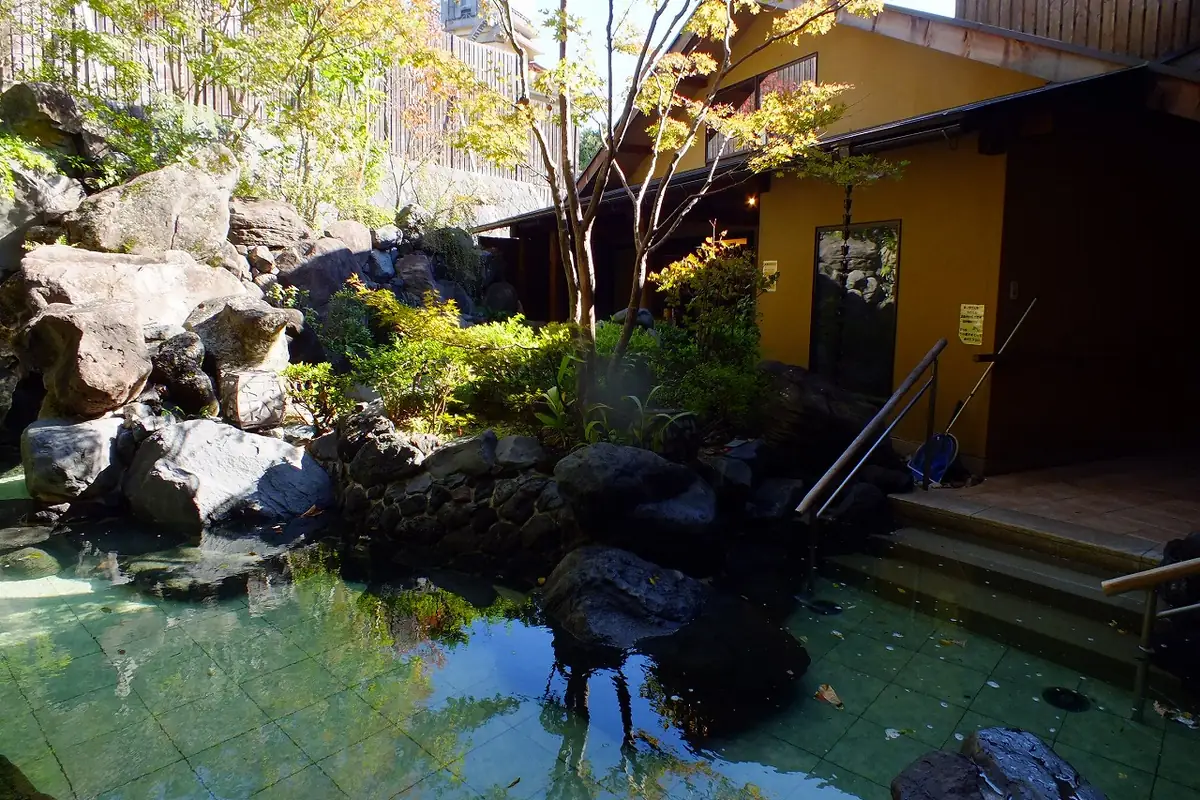
The ideal night in Hakone is at a ryokan: the traditional Japanese inn, with tatami, futon, a kaiseki dinner served in the room and an onsen bath — hot springs that are half landscape, half ritual. A pause of steam and silence between the metropolis and Kyoto.

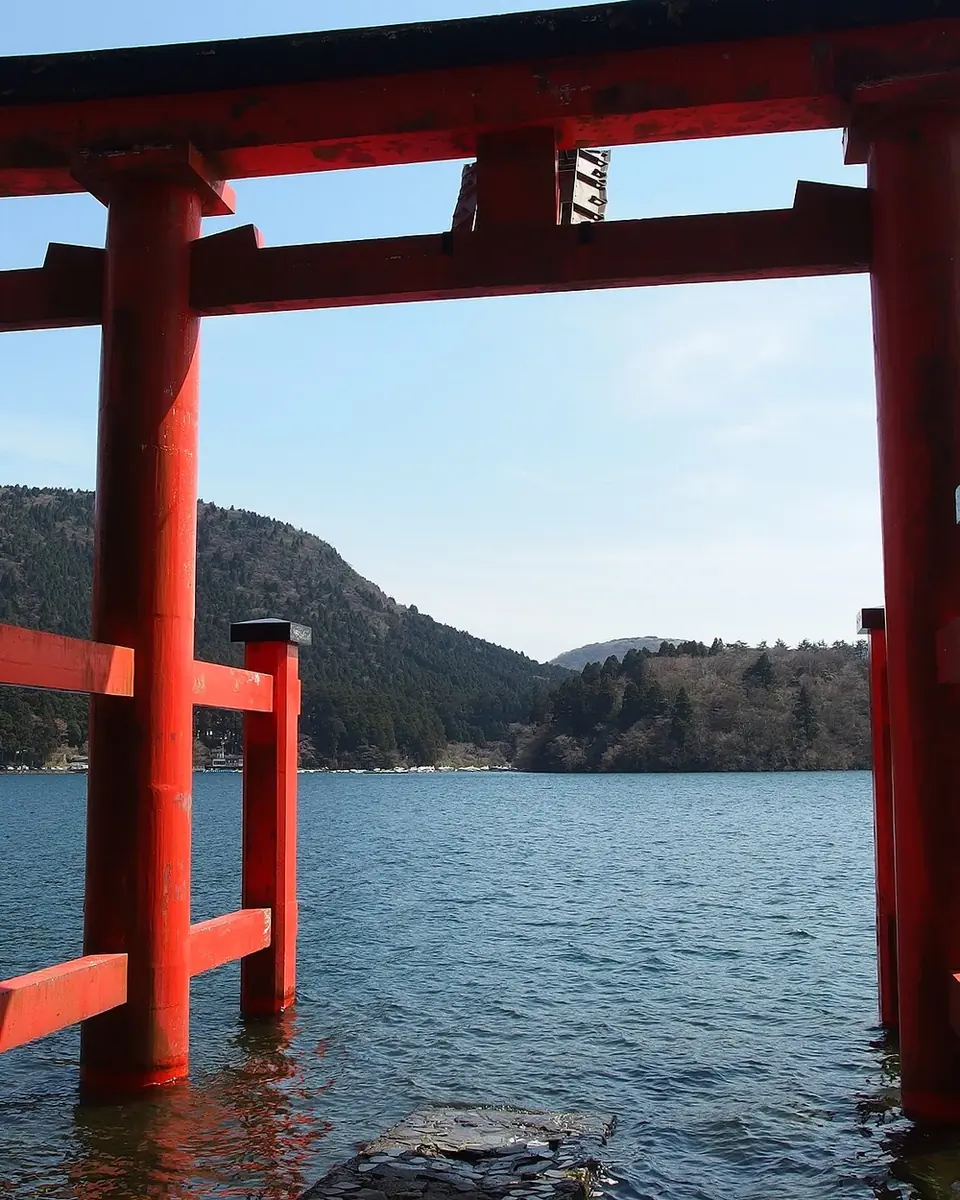
A lake crossing on themed boats that delight the children and, on clear days, deliver Fuji reflected in the water. On the shore, Hakone Shrine and its red torii standing in the lake — the most famous photo in the region.

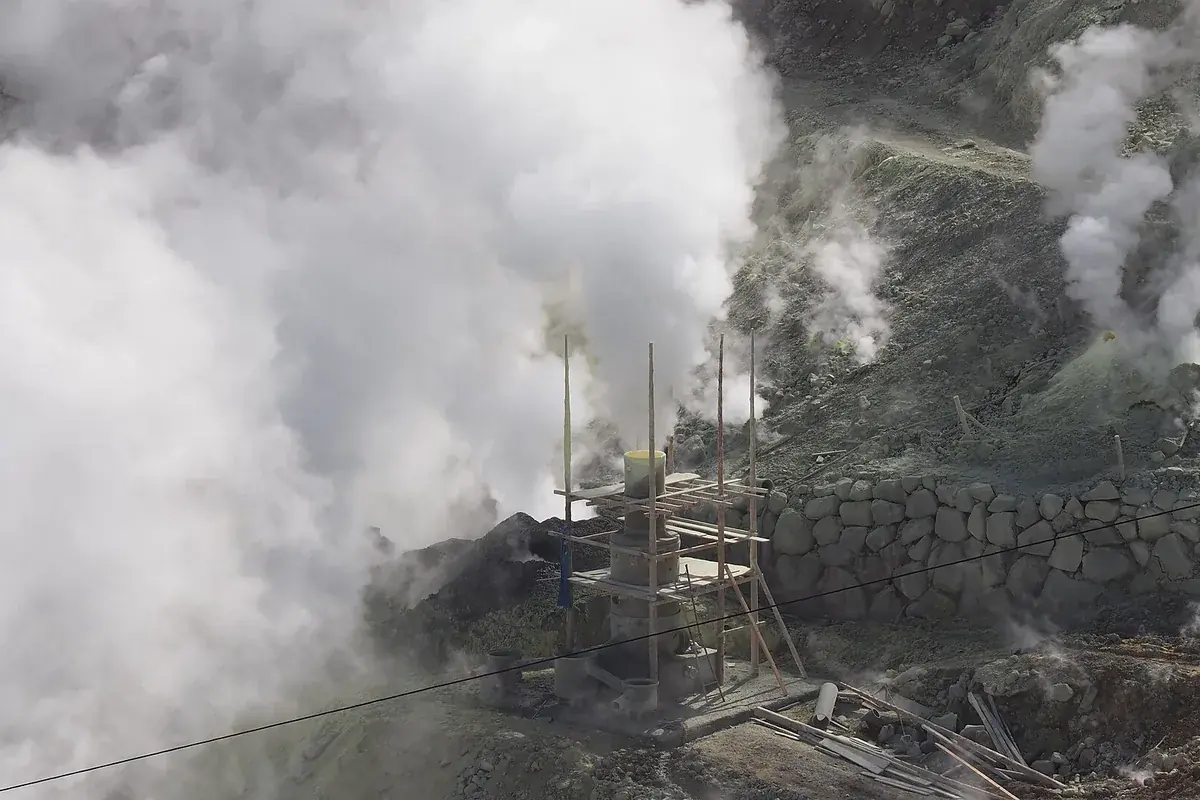
The ropeway glides over an active volcanic valley of yellow sulphur vents. Up top, the famous eggs boiled in the springs — the shell turns black, and legend says each one adds seven years to your life. Children love the story.

For couples, the adult version of Hakone: a room with a private open-air onsen, a many-course kaiseki dinner and the Hakone Open-Air Museum — sculptures from Picasso to Miró scattered across the mountainside.
Kyoto & Nara · 2 to 3 nights
Third stop
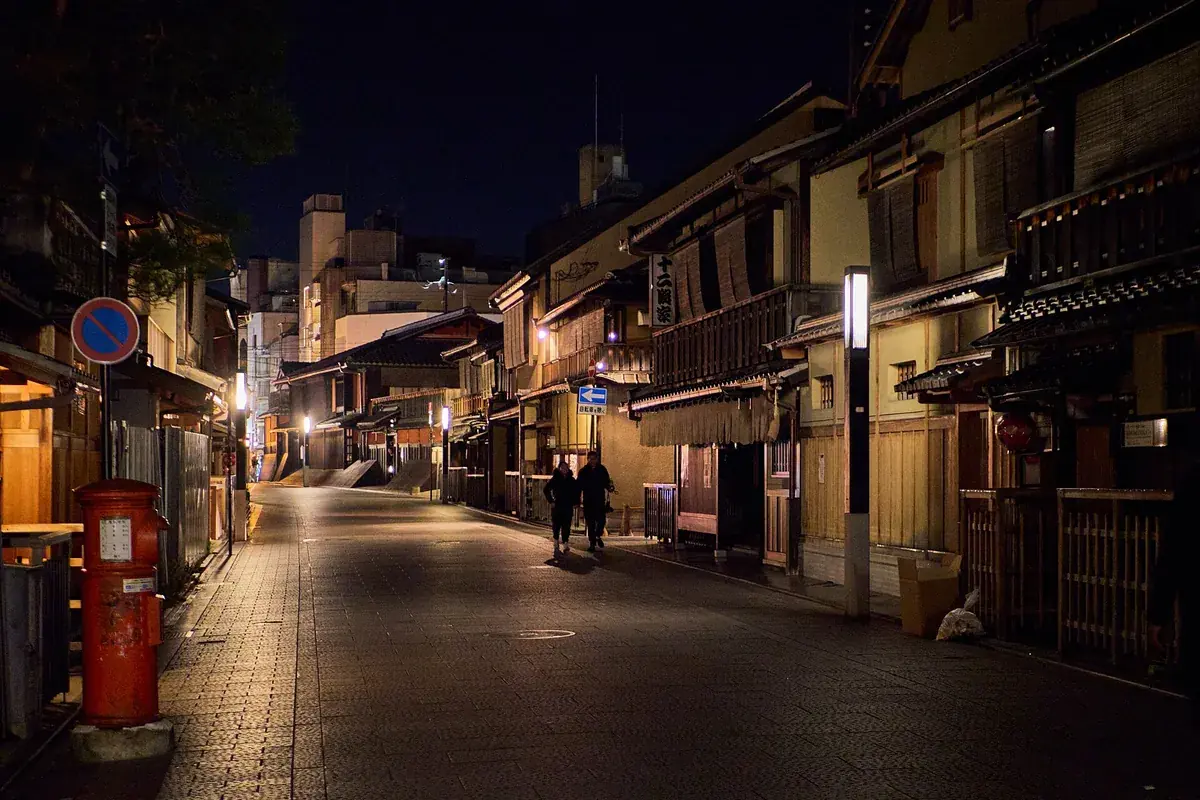
Kyoto was the imperial capital for over a thousand years, and it is where Japan keeps its most delicate treasures: two thousand temples and shrines, zen gardens designed stone by stone, tea houses and the lanes of Gion, where you may still cross paths with geisha on their way to work. No city concentrates so much beauty per square metre.
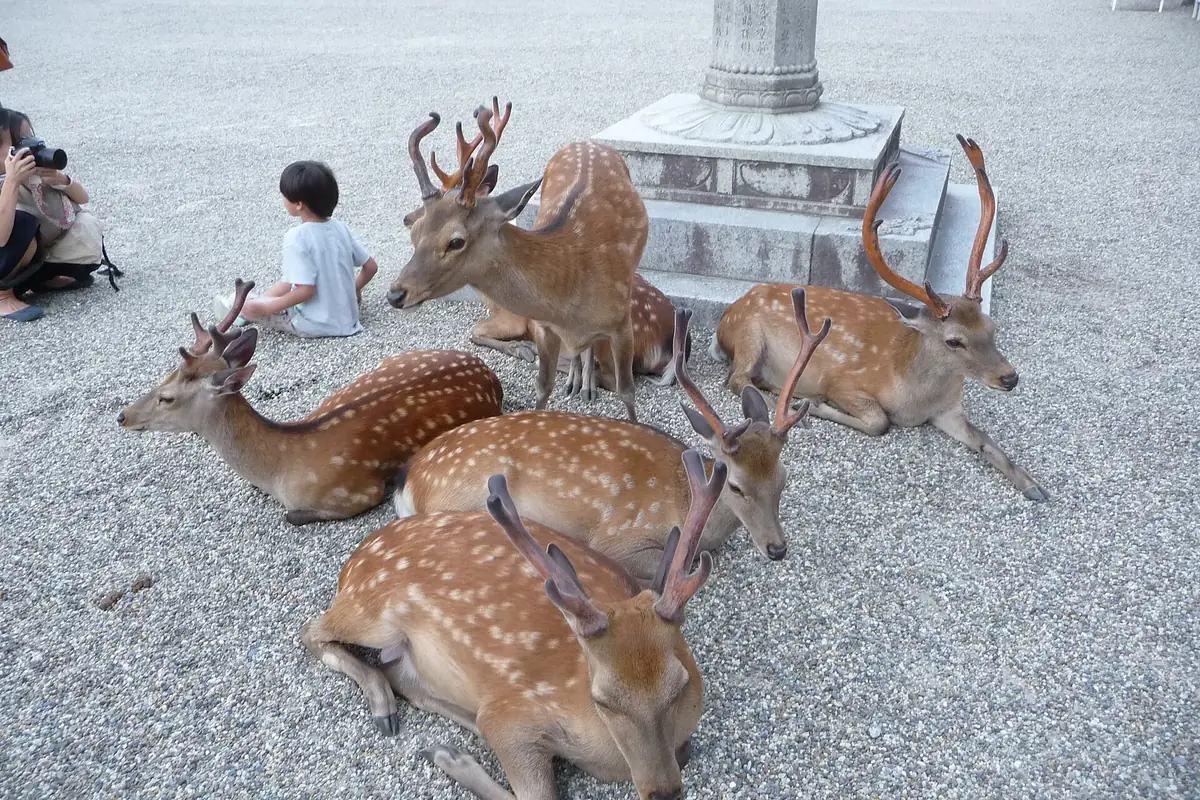
Half an hour away, Nara — the capital before Kyoto — adds the Great Bronze Buddha of Todai-ji and a park where over a thousand deer roam free and bow for crackers. For children, it is often the strongest memory of the entire trip.

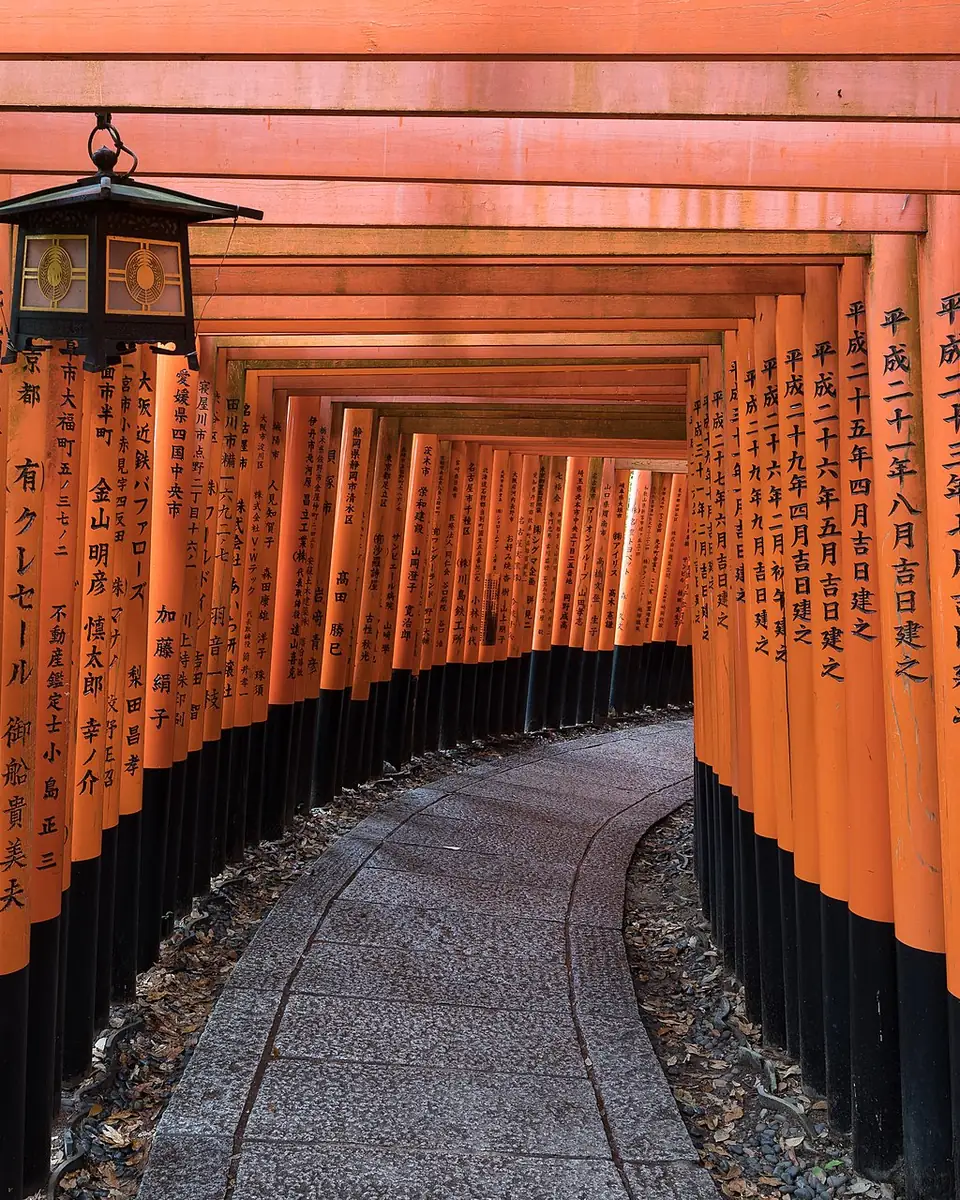
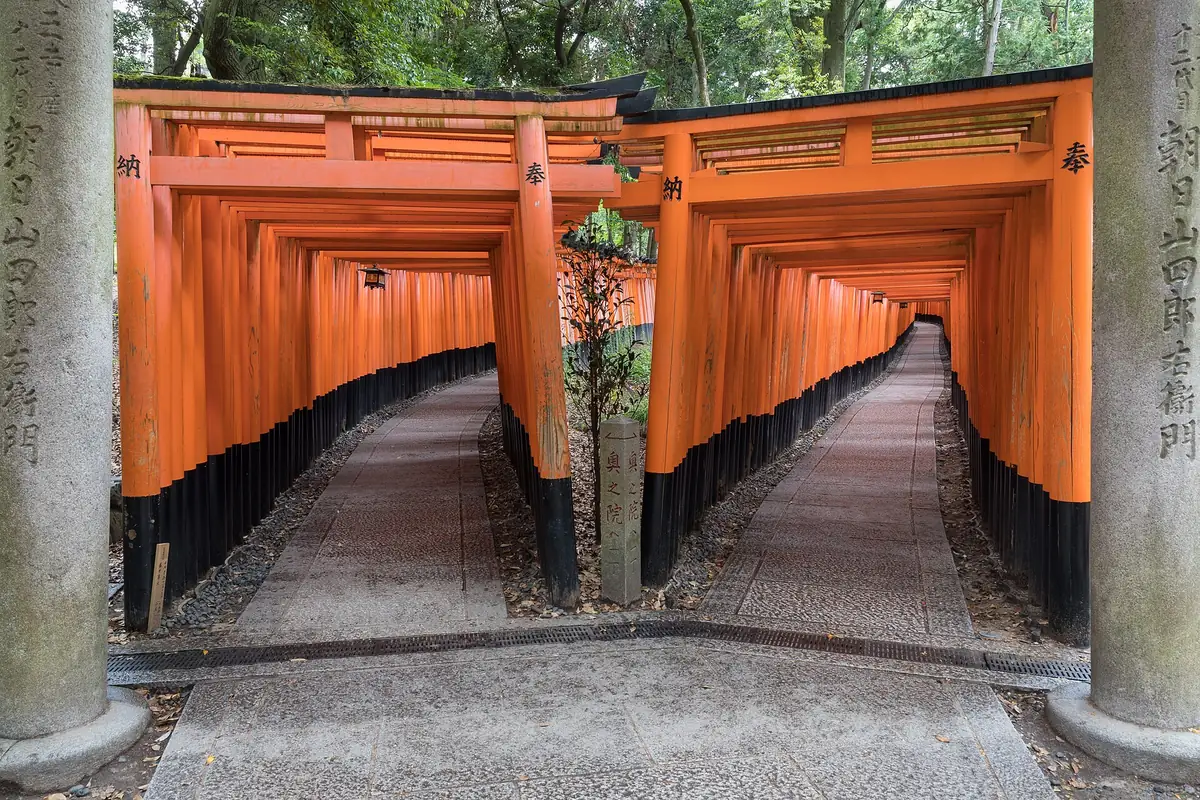
Thousands of red gates forming tunnels that climb the sacred mountain. It is the most reproduced image of Japan — and early in the morning, with the right guide, you walk stretches that are almost empty.

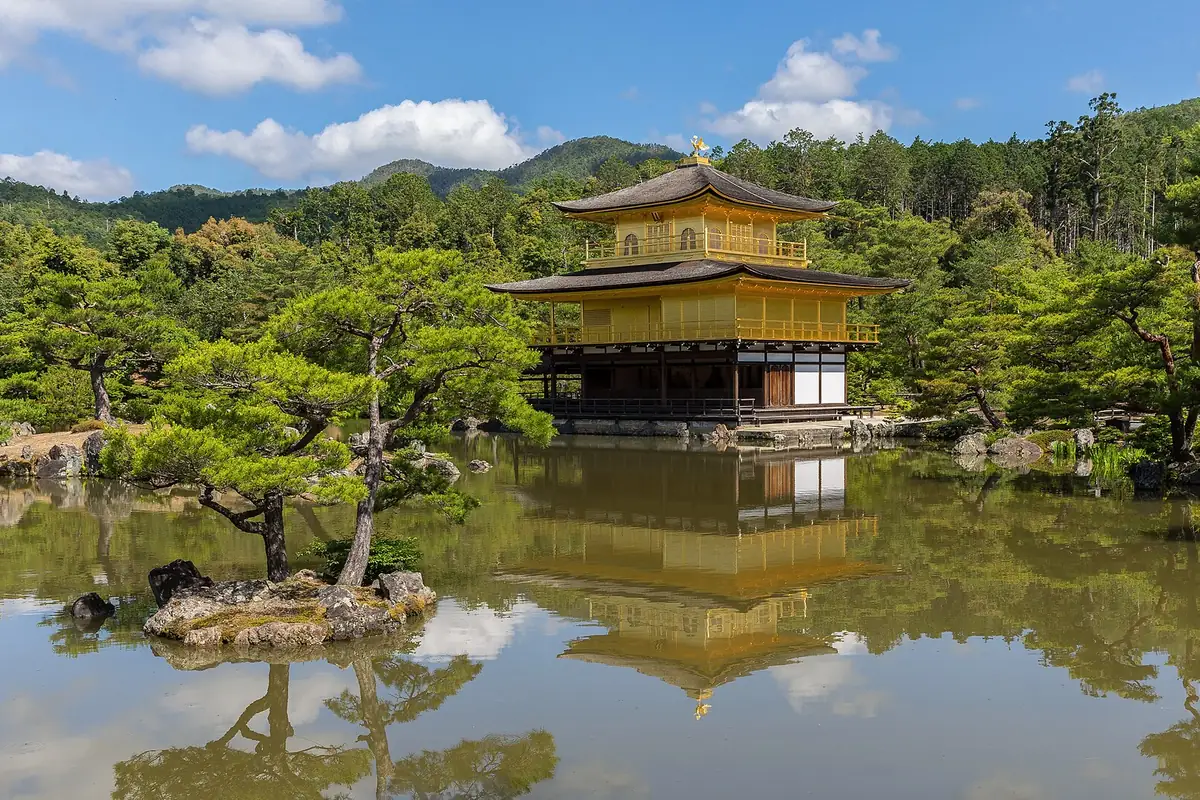
The Golden Pavilion floating on its mirror pond is Kyoto's postcard. On the same day, a stone zen garden like Ryoan-ji teaches, in silence, what Japan understands by perfection.

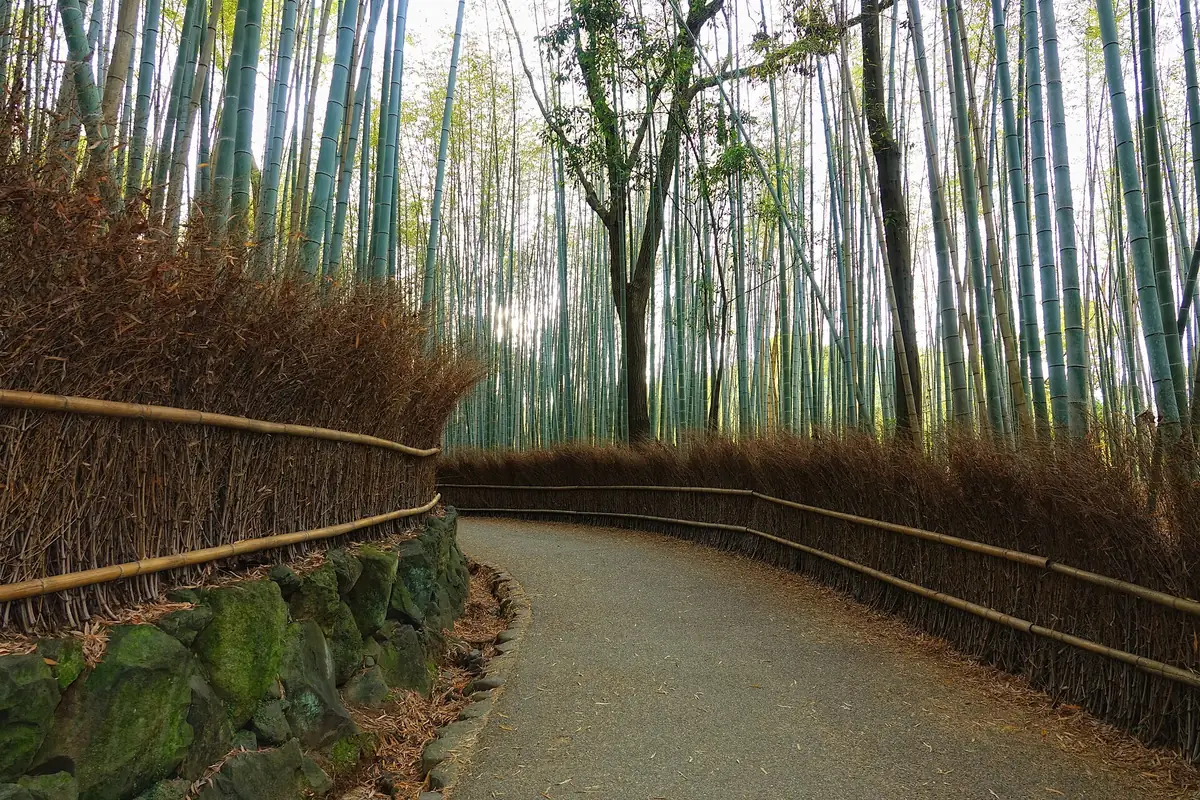
The bamboo forest creaking in the wind, the river with its wooden boats and, at the top of the hill, the monkey park — where the monkeys roam free while the humans step into the cage to feed them. Guaranteed fun for the family.

More than a thousand sika deer live free in the park of the ancient capital — and have learned to bow for the crackers sold at the stalls. Next door, the Great Buddha of Todai-ji, inside one of the largest wooden buildings in the world.

The geisha district at the hour the lanterns come on: century-old tea houses, the rustle of a kimono turning a corner and a kaiseki dinner to finish. It is Kyoto's most atmospheric walk — and it asks for calm, not haste.

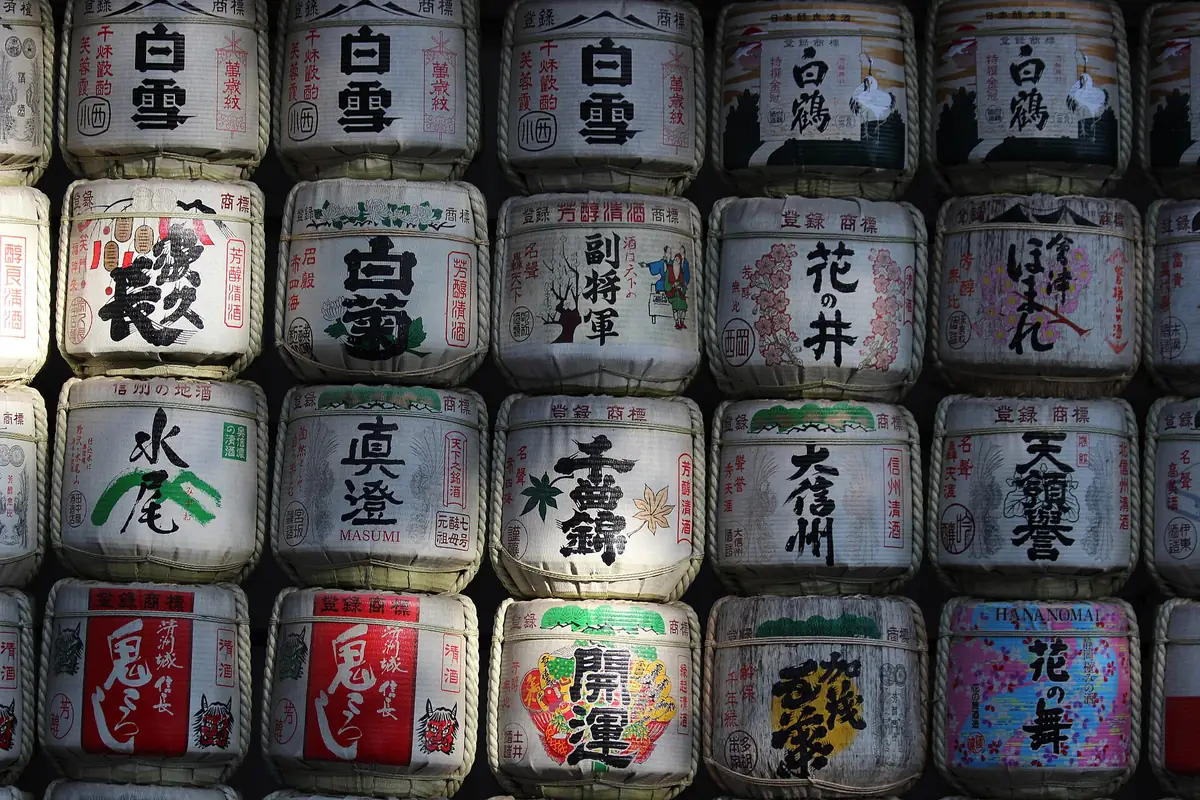
A tea ceremony led by someone who has devoted a life to it — and, in the Fushimi district, the century-old sake houses with guided tastings. Two Japanese rituals, one serene and one rather less so.

There is a moment when the train leaves the cities behind, the window turns white and the whole of Japan falls silent. That is when the second journey begins.
From the cities to the snow, all tailor made
Osaka · 1 to 2 nights
Fourth stop
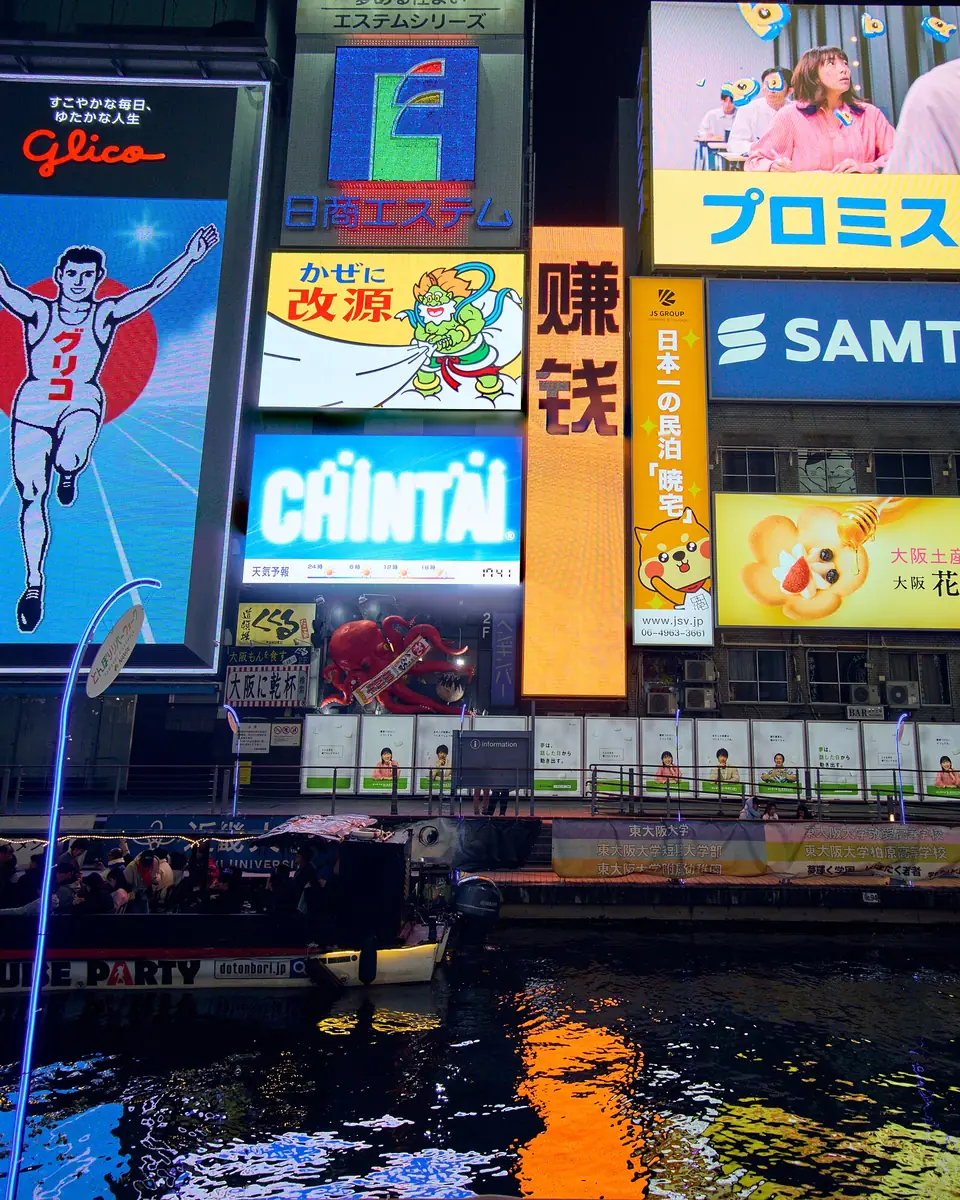
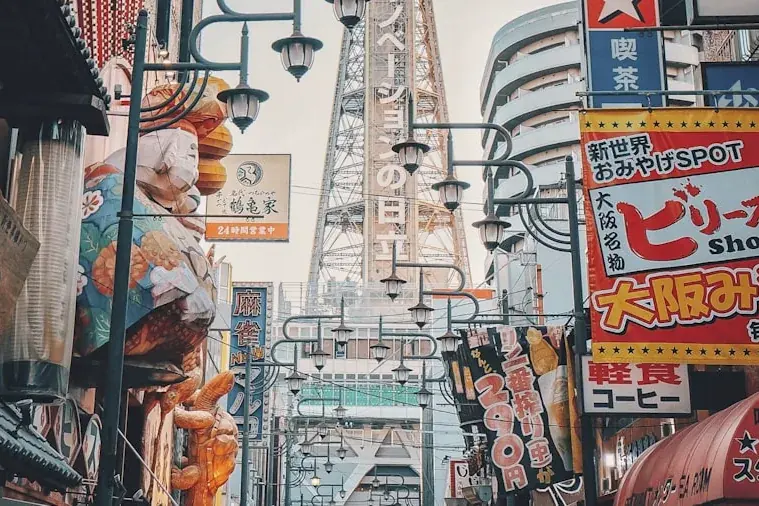
If Tokyo is the shop window and Kyoto is the altar, Osaka is the table. The city has its own verb — kuidaore, “eat until you drop” — and practises it nightly under the neon signs of Dotonbori: takoyaki sizzling on the griddles, okonomiyaki, skewers and the right queue for every stall. It is the most extroverted city in the country, and the most fun to be hungry in.
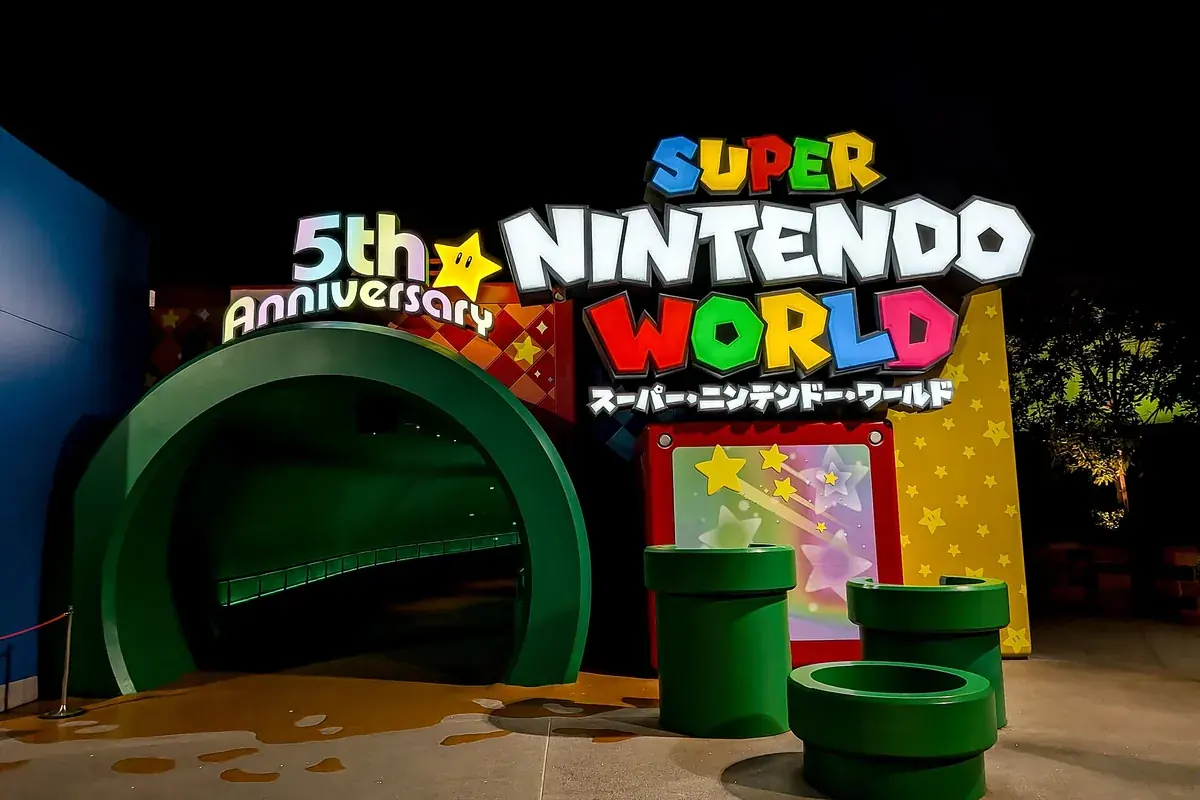
By day it transforms to match the group: the Universal park with the Super Nintendo World for the children, or the tiny counters and bars of Namba for the adults — with the legendary Kobe wagyu half an hour away by train.

The park that is home to Super Nintendo World — Mario's world at full scale — plus Harry Potter and the Minions. Timed tickets and express passes sell out fast; we secure everything before departure.

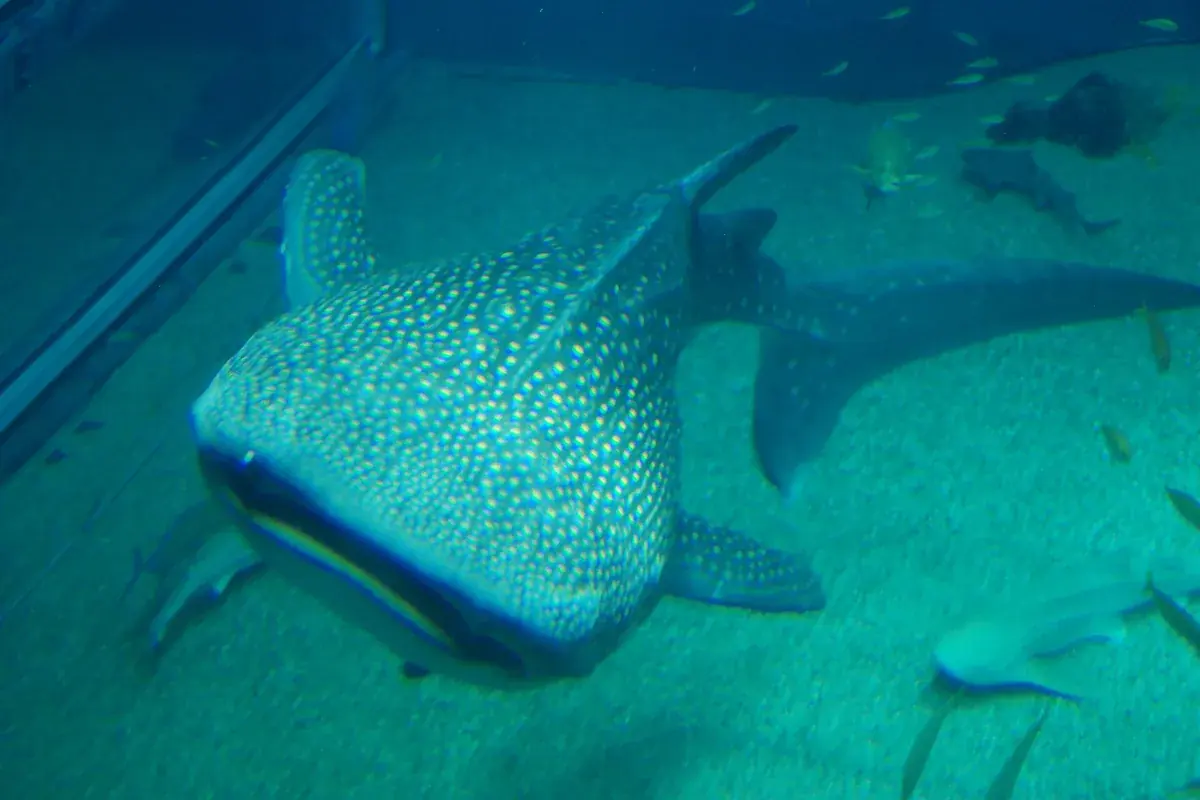
One of the largest aquariums in the world, built as a spiral around a central tank where whale sharks swim. You descend eight floors following the Pacific Ocean from top to bottom — hypnotic at any age.

The most photogenic block in Japanese gastronomy: the Glico Man sign, the giant moving crab and one stall better than the next. For adults, the night carries on in the hidden bars of Namba.
Hokkaido · 7 nights
The grand finale
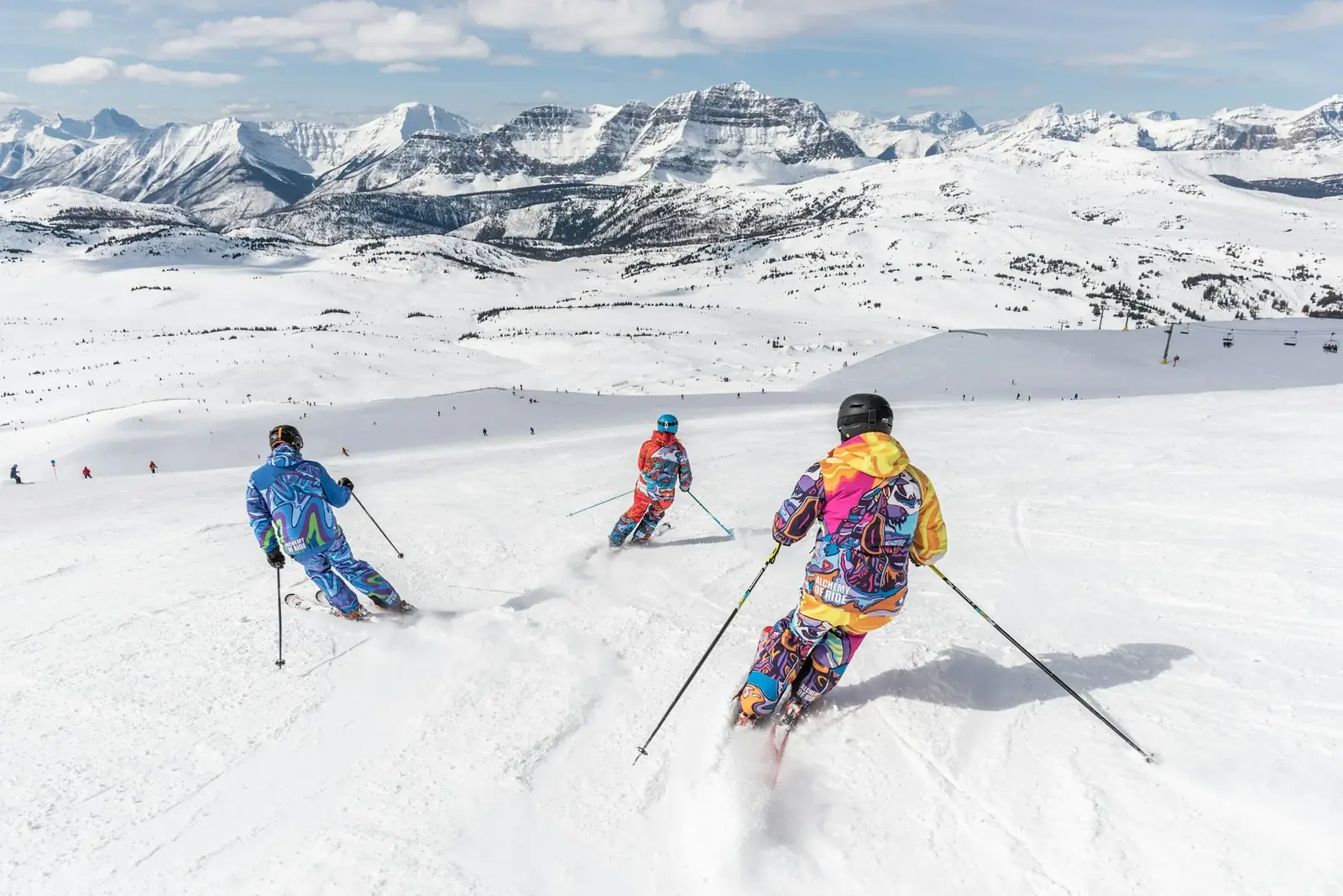
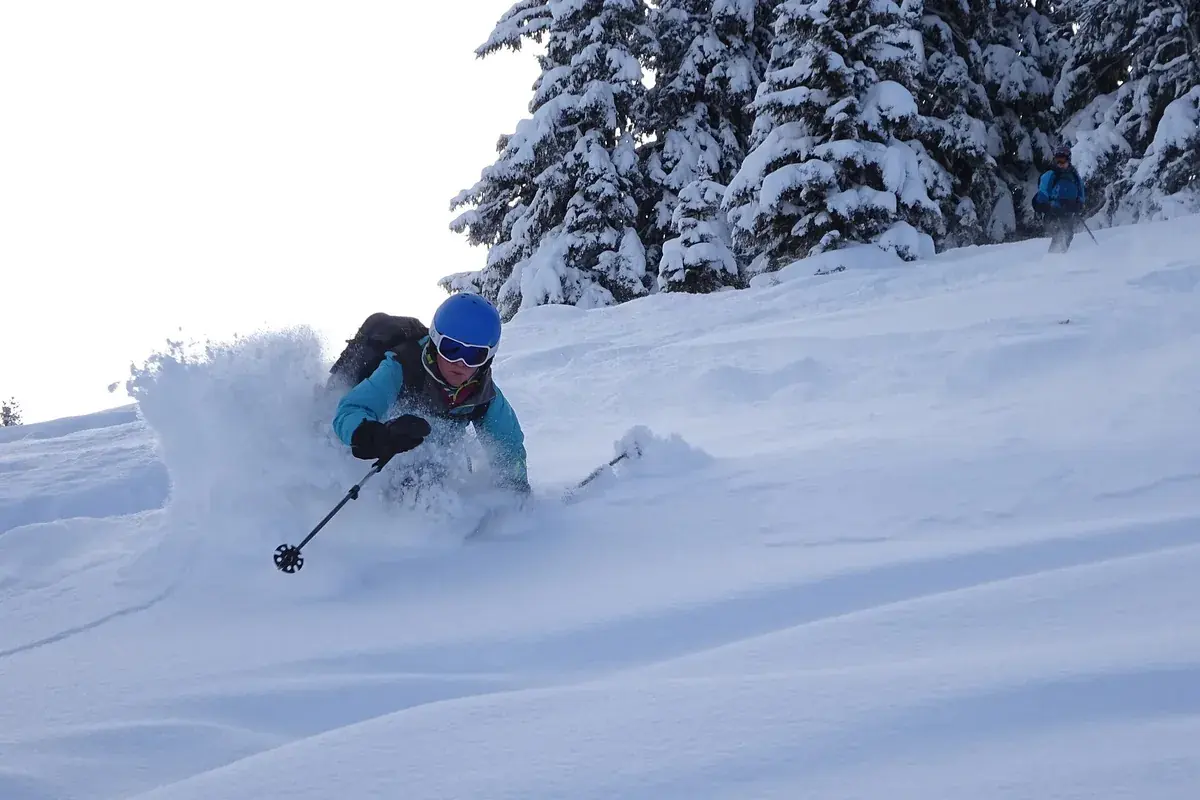
A short flight takes you from the cities to the northern island, where winter is something else: Siberian fronts cross the Sea of Japan and unload onto the mountains the driest, lightest, deepest snow on the planet — the “Japow” that skiers cross oceans to taste. This is where the trip trades the bullet train for the chairlift.
Home base is Club Med Kiroro Grand, an all-inclusive resort set in Kiroro, one of the snowiest spots in all of Japan. The formula is made for groups and families: ski and snowboard lessons every day, kids clubs by age, open dining and bar, onsen for the late afternoon and shows at night. Inside the resort, your wallet never leaves your pocket — everything is already taken care of.

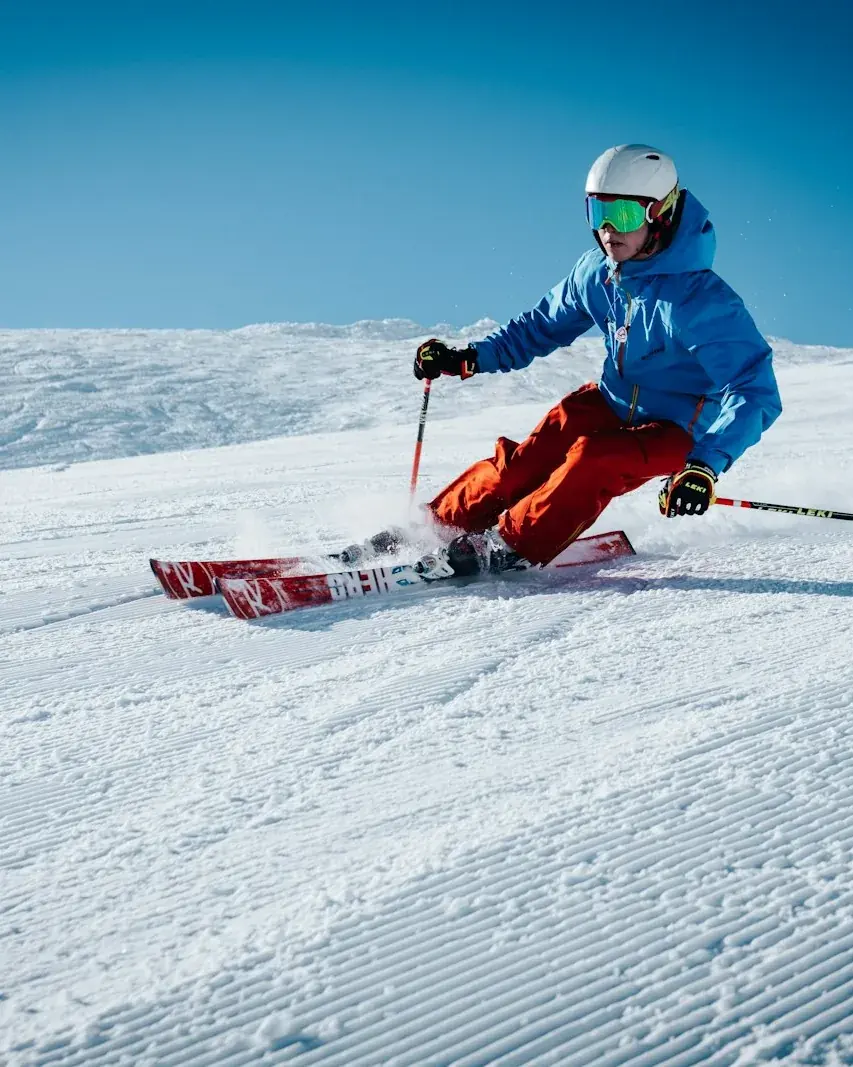
All-inclusive ski-in/ski-out resort: step out of your room straight onto the slopes, with lift pass, equipment, meals, bar and entertainment included. Group lessons by level start every day — perfect for first-timers on snow.

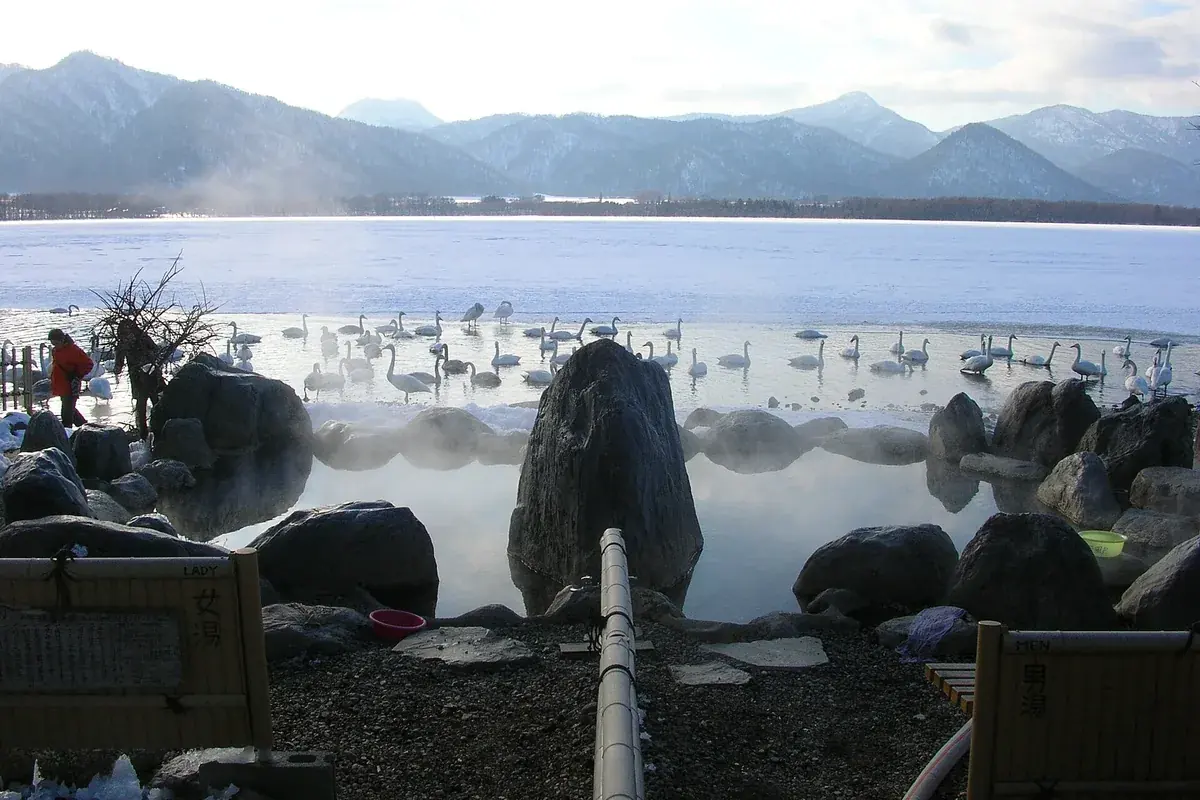
The perfect end to a Japanese winter day: a body tired from the snow sinks into steaming hot springs, ideally open-air, with flakes falling all around. Then dinner and a show — without opening your wallet.

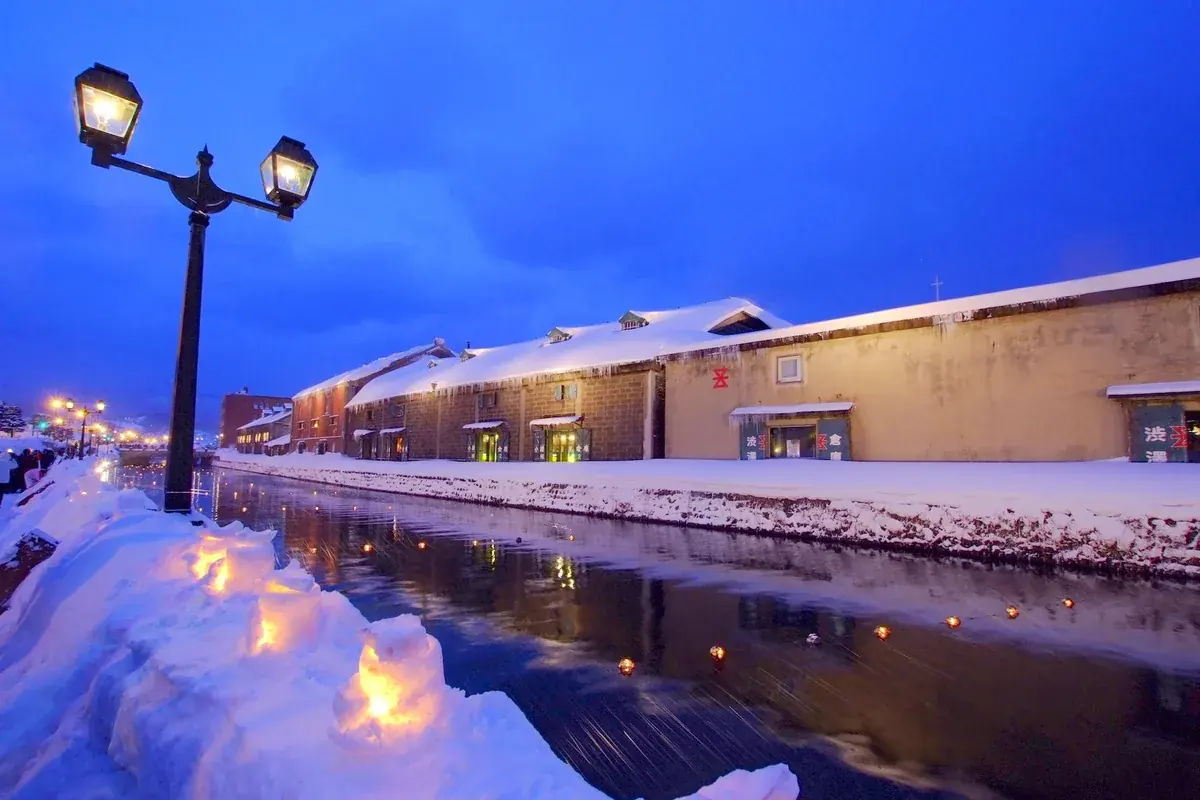
The port town about an hour from Kiroro, famous for its historic canal lined with stone warehouses — which in winter becomes a storybook scene of snow and gas lamps. Glassworks, music boxes and chocolate complete the outing.

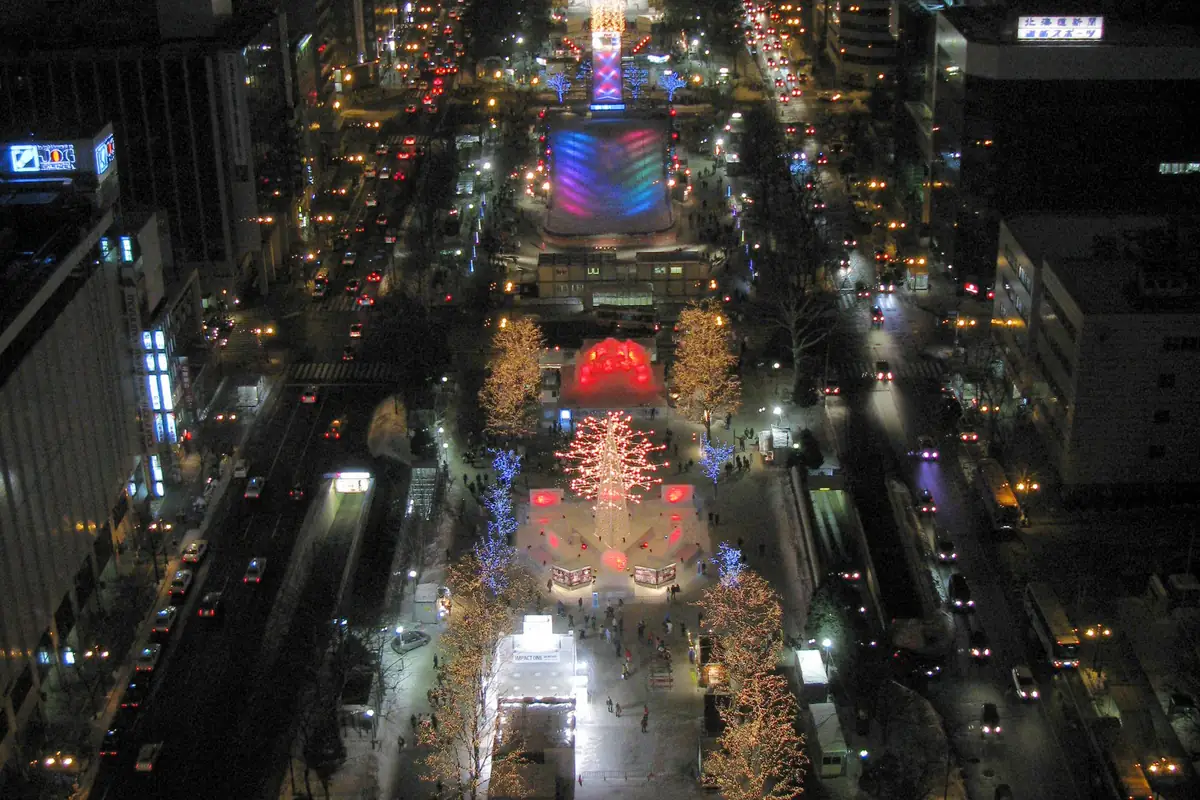
At the height of winter, Hokkaido's capital raises snow sculptures the size of buildings in Odori Park. If your travel dates coincide with the festival, we include the visit — there is nothing else like it in the world.

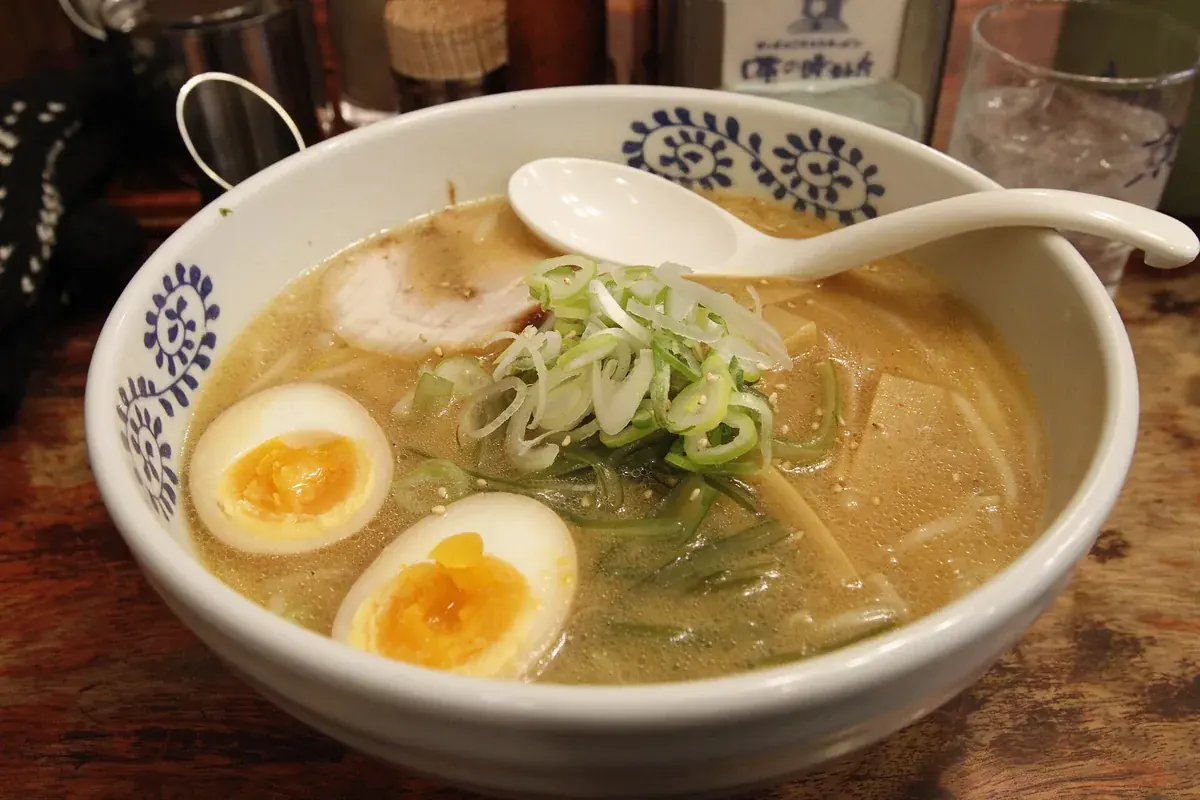
Hokkaido is Japan's pantry: miso ramen was born in Sapporo, and the island's markets serve uni, crab and scallops straight from the icy sea. The winter version of Osaka's “eat until you drop”.

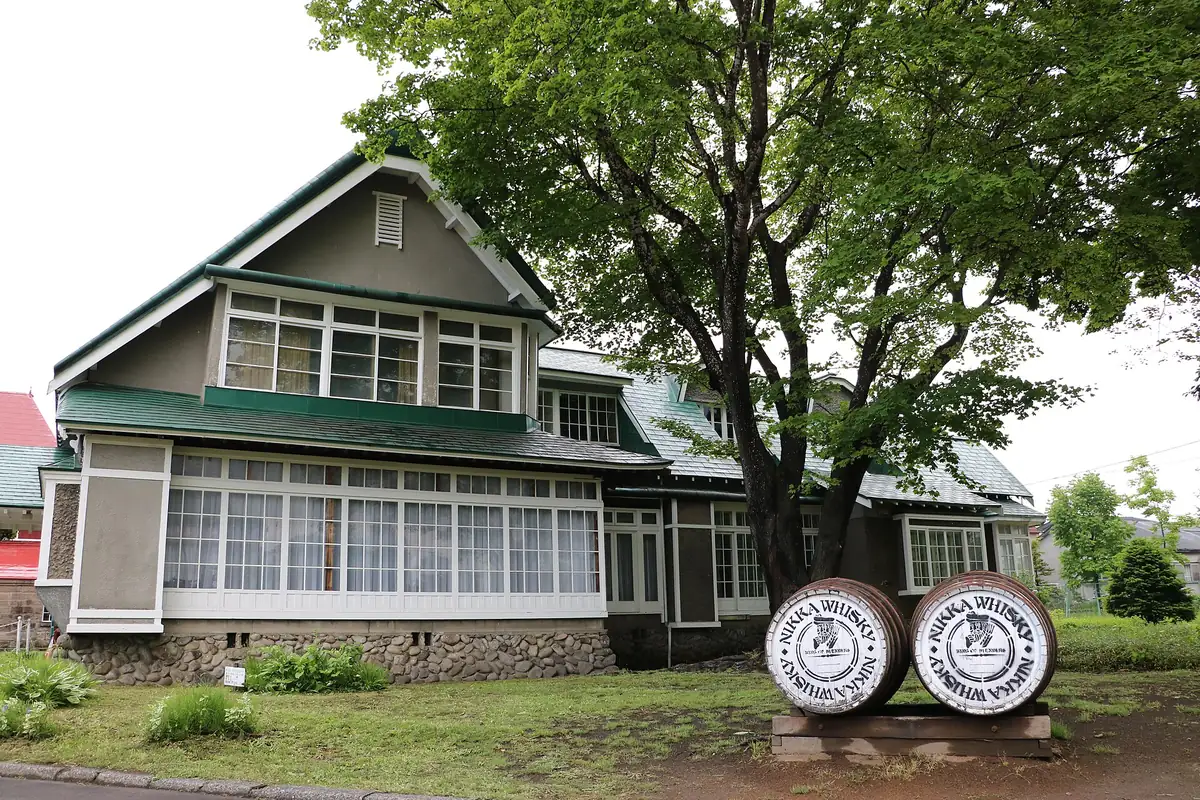
Near Otaru stands the historic Nikka distillery, founded in 1934 by the father of Japanese whisky — today among the most awarded in the world. A visit and tasting amid coal-fired stills and snow-covered roofs.
Day by day
A tested skeleton that rides the bullet train through the cities and closes with the snow week. Dates, order and the length of each stage are always adjusted to your group.
Airport welcome and private transfer to the hotel. The rest of the day is for landing: a walk around the neighbourhood, the first corner ramen, the jet lag settling.
A full day of private touring between the city's two extremes: Senso-ji temple and the streets of Asakusa, the Meiji shrine in its forest, the Shibuya crossing and a pre-booked session at teamLab Planets.
With kids: Tokyo Disneyland or DisneySea, all day. Adults only: Ginza and Omotesando by day, Shibuya Sky at dusk and an omakase dinner at night.
With kids: the second Disney park, or the Ghibli Museum, Pokémon Center and Akihabara. Adults only: a market in the morning, shopping in the afternoon and the alleys of Golden Gai at night.
Off to Hakone: the boat on Lake Ashi with the red torii, the ropeway over the steam vents of Owakudani and, late afternoon, check-in at the ryokan — kaiseki dinner and the first onsen bath.
An unhurried morning in the hot springs, then aboard the Shinkansen to Kyoto. Arrival, a first walk through the historic centre and Gion at dusk, just as the lanterns come on.
A full day of private touring: the torii tunnels of Fushimi Inari early, the Golden Pavilion, a zen garden and the Arashiyama bamboo grove — with the monkeys at the top of the hill for the kids.
A day trip to Nara for the deer and the Great Buddha. Back in Kyoto, the afternoon is free: tea ceremony, sake tasting in Fushimi or simply getting lost in the lanes of Higashiyama.
Fifteen minutes by train separate the two cities — and centuries of temperament. An afternoon of castle or shopping and, at night, the plunge into the signs and stalls of Dotonbori.
With kids: Universal Studios Japan and the Super Nintendo World, or the Kaiyukan aquarium. Adults only: the counters of Namba — or a quick trip to Kobe to taste wagyu at the source.
Domestic flight to Hokkaido and a transfer of about 1h30 to the resort, with an optional stop at the snowy Otaru canal. Check-in at Club Med Kiroro Grand — from here on, everything is included.
Six full days on the mountain, each at your own level: daily group lessons for beginners, powder and off-piste for those who already fly, kids clubs for the little ones. Onsen in the afternoon; dinner, bar and a show at night. It is the part of the trip where the clock stops mattering.
Transfer to the Hokkaido airport, domestic flight and connection back to Brazil — with a suitcase heavier with memories and, most likely, a new family sport.
Gallery
Click any image to enlarge.
How we travel
Japan is safe, punctual and fascinating — and full of details only insiders solve: tickets that sell out, trains with assigned seats, luggage that travels on its own. All of it is settled before you board.
No forty-person groups. Private guides in the cities, at your group's pace — and we arrange service in Portuguese or English, whichever you prefer.
teamLab, the Ghibli Museum, Universal and the good omakase counters sell out weeks or months ahead. We book everything before departure — in Japan, latecomers stay outside.
Reserved Shinkansen seats, the right carriages, timed connections — and the big suitcases travelling by courier from hotel to hotel, so you ride with just a backpack on your lap.
The leg to Hokkaido — a domestic flight plus a transfer of about 1h30 to Kiroro — is fully arranged by us. You step off the plane and your only worry is choosing tomorrow's slope.
During the snow week a single package covers lodging, meals, bar, lessons, lift pass and entertainment. Inside the resort there is no bill at the end — the most relaxing format there is for groups and families.
A dedicated team follows the group from departure to return. Any hiccup — a flight, an allergy, a boot size — is solved with one message, in your language.
Where to stay
This journey combines three lodging experiences that complete each other — and for each one we work with a selection of addresses tuned to your style and your group.
In Tokyo, Kyoto and Osaka: contemporary and design hotels, always in the right neighbourhood to walk out of — near the train, the restaurants and the day's outings. From the clever four-star to grand luxury, you choose the level.
One night (or two) at the classic Japanese inn: tatami, futon, kaiseki dinner and onsen — ideally private, open-air, with the mountain all around. It is the experience travellers remember most afterwards.
The all-inclusive resort of the ski week, set in one of the snowiest spots in Japan. A format designed for families and groups: everything included, everything in one place, zero logistics all week.
Know before
Practical information for anyone starting to think about the trip.
To combine cities and skiing in a single trip, the axis is winter — that is when Hokkaido receives the powder that made it famous. But Japan has four strong seasons, and each one yields a different journey.
Holders of a Brazilian passport do not need a visa for tourism in Japan for stays of up to 90 days. The passport must be valid for the whole trip — we recommend at least six months from departure.
No vaccination certificate is required for Brazilians. We recommend carrying copies of the passport's first pages separately from the originals, and we walk you through the immigration forms before departure.
Japan runs on time: trains leave on the minute and restaurants respect the queue. Outside hotels, English is limited — but the kindness makes up for it, and the guides solve the rest.
Currency: yen. Cards are widely accepted in the cities, but Japan still loves cash — temples, stalls and small restaurants often take nothing else. And one rule that surprises: no tipping, ever — it can even offend.
The snow week is the bottleneck: Hokkaido's winter is global high season, and the resort's best weeks sell out many months ahead. The trip's dates are organised around it.
In the cities, teamLab, the Ghibli Museum, Universal Studios and the omakase counters have quotas and sell out. All of that goes to the front of the planning — it is what we secure first.
To add on
Extensions that fit naturally into this itinerary.
From Osaka, the bullet train reaches the Hiroshima peace memorial and the island of Miyajima, where the great torii floats at high tide. A day of history and beauty that changes the size of the trip.
Kanazawa keeps one of Japan's three most beautiful gardens and an intact samurai quarter. On the way, Shirakawa-go: the village of steep-roofed farmhouses that, covered in snow, looks straight out of a fairy tale.
Classic day trips from Tokyo: Nikko and its gilded mountain shrines, or Kamakura, with the open-air Great Buddha and trails between temples by the sea.
In Nagano, Japanese macaques soak in open-air onsen in the middle of winter, eyes closed and snow on their heads. One of the most photographed scenes in the country — and a detour worth making along the way.
Half an hour from Osaka, the city that gave its name to the most famous beef in the world. A teppanyaki lunch at the source, with the chef grilling in front of you, settles the debate about hype: it is not.
A morning of sumo, a sushi class with a chef, baseball with the Japanese crowd, private karaoke or a formal tea ceremony. We add them to the itinerary to match the group.