Enseada de águas esmeralda entre falésias de calcário no Sudeste Asiático

Southeast Asia · Thailand, Cambodia, Vietnam & Bali

The gold, the jungle
and the emerald sea

No other corner of the planet fits so much world into so little map: golden temples where monks collect alms at dawn, bays studded with limestone towers, cities buzzing with life and islands where time walks barefoot. Several countries, one single journey — designed tailor made from end to end.

1,600+limestone islands and islets in Ha Long Bay alone, a UNESCO World Heritage site
400 km²of the Angkor park — the greatest ensemble of temples humankind has ever built
29°Cin the Andaman Sea, in any month of the year
100%tailor made — countries, pace and hideaways chosen for you

The destination

Many worlds,
one journey

Southeast Asia is the destination that won't fit into one word. It is spiritual and vibrant, ancient and ultra-modern, wild and refined — sometimes all in the same day. It is temple incense in the morning, an award-winning street stall at lunch and a rooftop with the whole city at your feet by night.

It is also, today, one of the great territories of luxury hotel-keeping: resorts set among rice paddies, private-pool villas perched on cliffs, boutique cruises through World Heritage bays and a standard of service — Asian hospitality — that became the world's benchmark and still has no rival.

The region is best travelled in chapters: Bangkok and the temples of Thailand, Angkor swallowed by the jungle in Cambodia, the Vietnam of Hanoi and Ha Long Bay, Bali and its rice terraces — with Singapore, Laos and the islands of the entire map at your disposal. Choosing the right chapters, in the right order and season, is what transforms the itinerary. It is exactly what we do.

Temples & culture Islands & beaches Gastronomy Wellness & spas Honeymoon With children

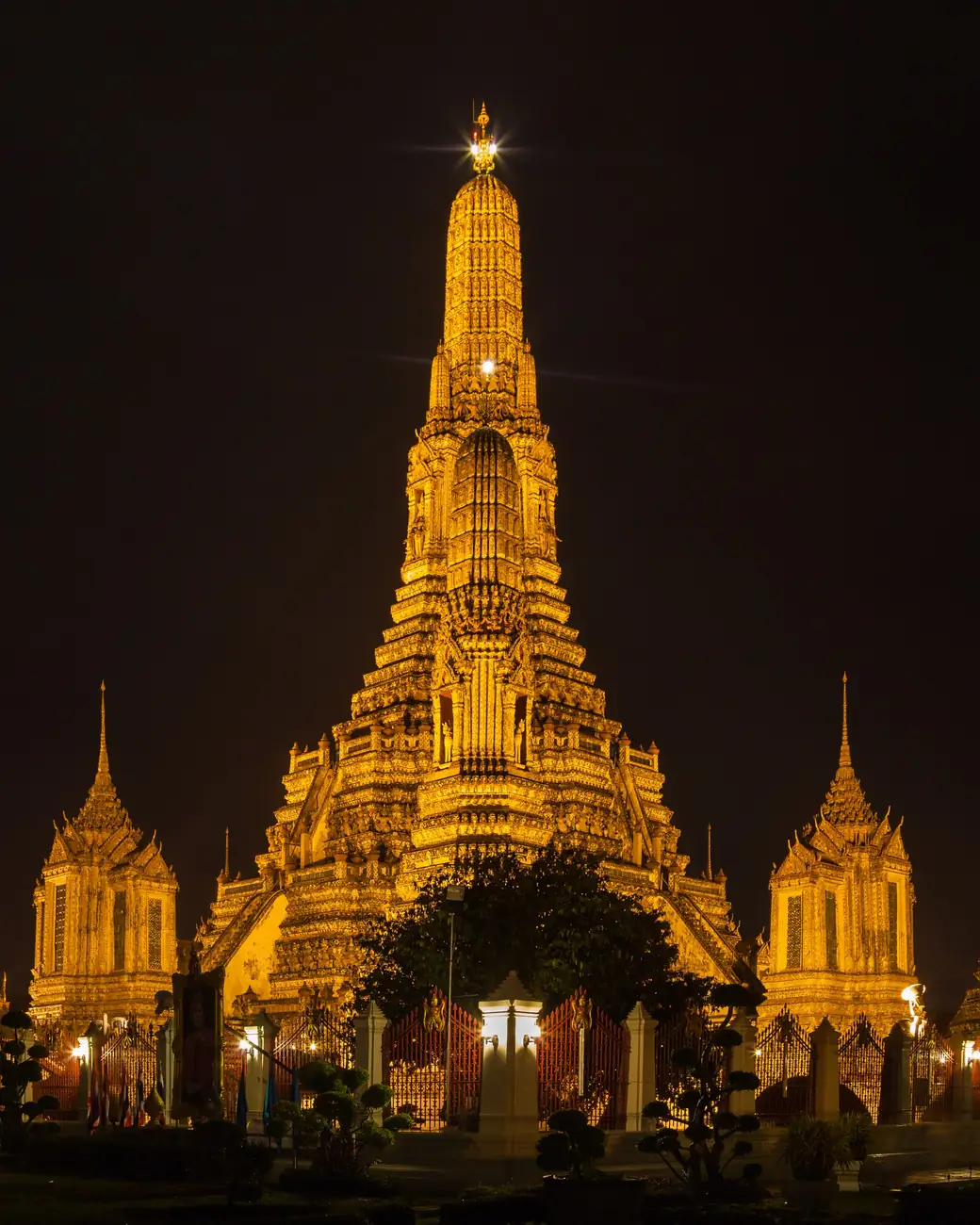
O templo Wat Arun à beira do rio Chao Phraya, em Bangkok The cities · The energy of Asia

First chapter

Capitals that resemble nothing else

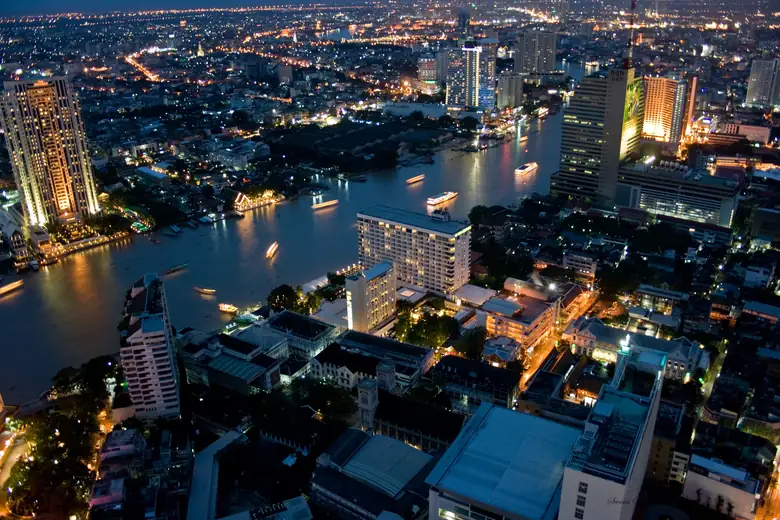
Every great journey through the region begins in a city — and what cities. Bangkok is a layered spectacle: temples clad in gold and porcelain along the river, a floating market at dawn, the best street food on the planet and, high above, rooftops serving dinner with the whole metropolis glittering below.

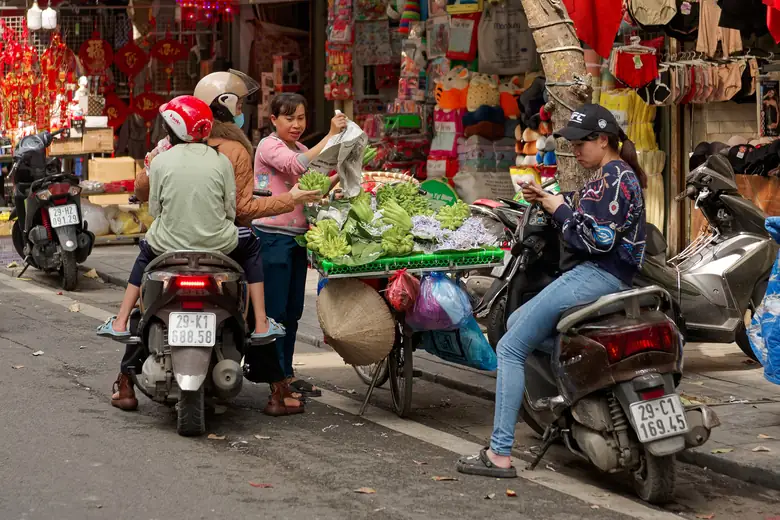
Hanoi answers with old-world charm — the ancient quarter of centuries-old lanes, pavement cafés, ladies on bicycles carrying flowers — while Singapore settles the score in the future: vertical gardens that light up at night, science-fiction architecture and a dining scene studded with stars. Between one and the other, the contrast is the destination itself.

  • Bangkok — golden temples, the river and the street-food capital of the world
  • Hanoi — a thousand years of history at neighbourhood scale
  • Singapore — the futuristic grand finale, flawless for families
O rio Chao Phraya e Bangkok iluminada vistos do alto, à noite
For everyone

Bangkok by river

The right way to read Bangkok is from the water: a private boat stitches the Chao Phraya between the Grand Palace, the Reclining Buddha of Wat Pho and the porcelain spires of Wat Arun, with stops along canals where the city still lives with its doors open to the river. At night, the same river becomes the dinner scenery.

Cena de rua com vendedoras e motos no bairro antigo de Hanói
The charm

Hanoi on foot

The quarter of the 36 streets keeps one craft per street — silk, silver, herbs — and Hoan Kiem lake wakes up ringed with tai chi. With a good guide, the Vietnamese capital reveals itself in hidden cafés, corner temples and the art of pho eaten on a tiny stool. Dense history, gentle rhythm.

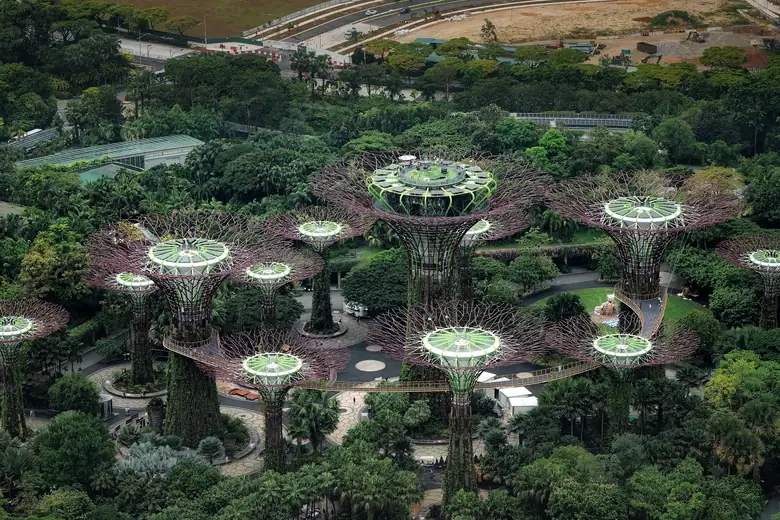
As superárvores do Gardens by the Bay, em Singapura, vistas do alto
With children

Singapore, the future

The garden city works like a theme park from the 22nd century: supertrees that light up at dusk, monumental conservatories, an airport with a waterfall inside and hawker centres where award-winning food costs a few dollars. Perfect as a grand finale — and unbeatable with children.

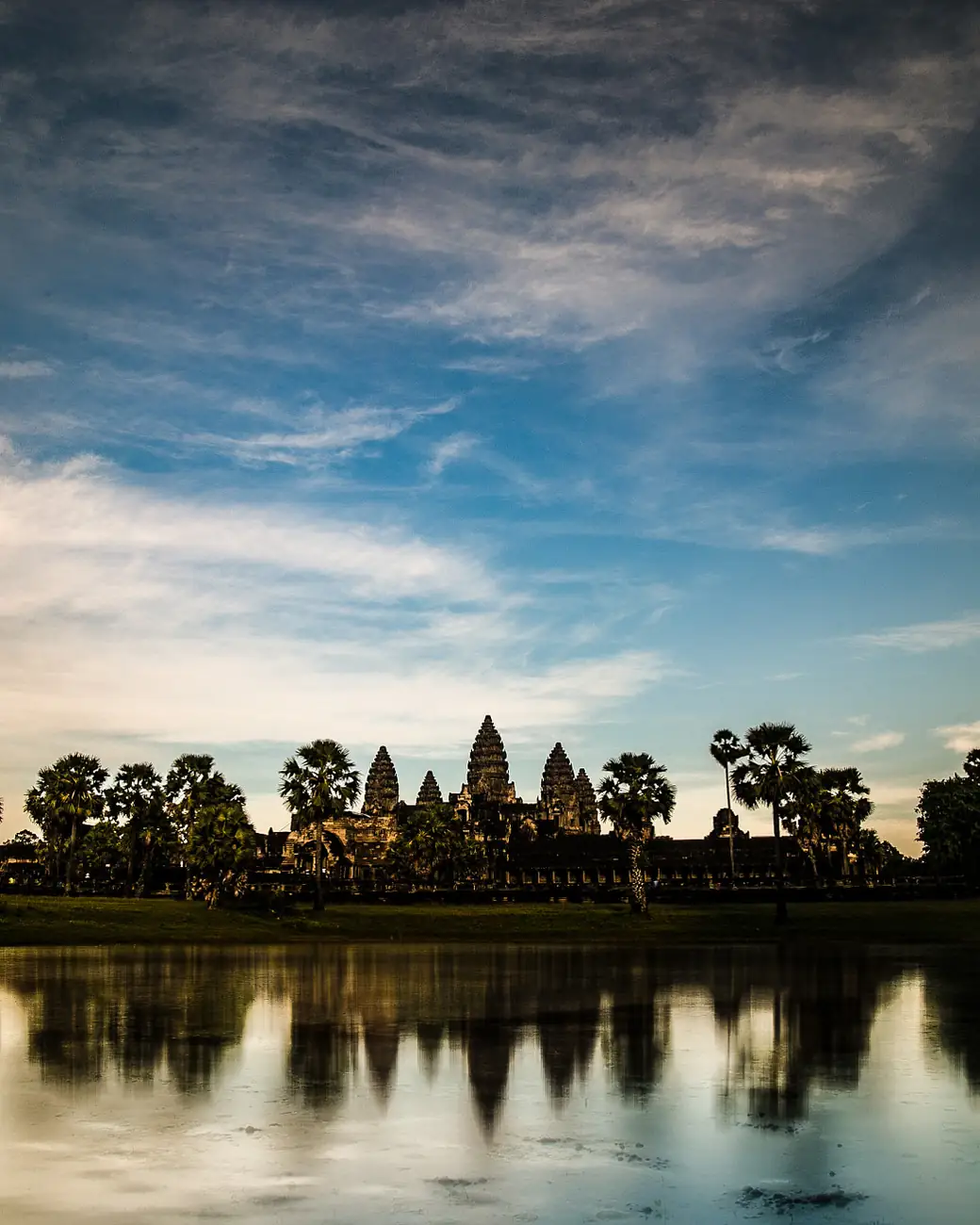
As torres de Angkor Wat refletidas no espelho d'água, no Camboja The sacred · A thousand years of gold

Second chapter

Temples that change whoever visits them

A golden thread stitches the whole region together: the sacred. At Angkor, in Cambodia, the largest temple city in the world rises out of the jungle — towers, stone faces and century-old roots embracing the ruins. At dawn, when the five towers of Angkor Wat draw themselves against the sky, you understand why travellers cross the planet to stand there.

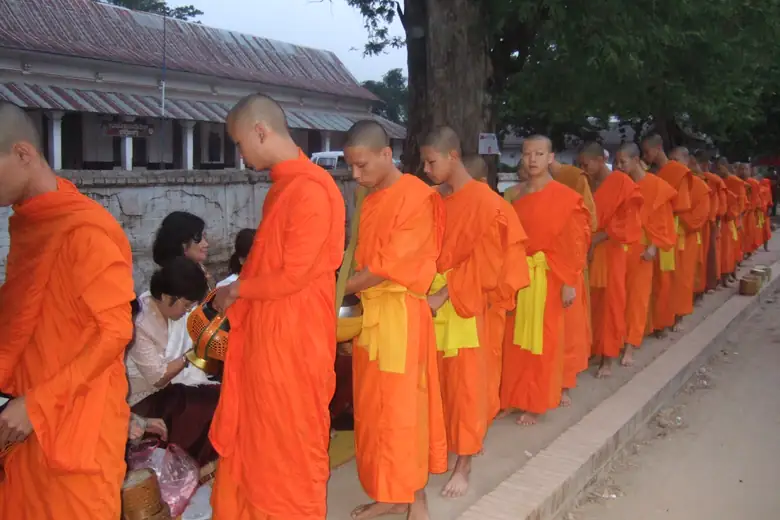
The thread runs on through the gilded monasteries of Chiang Mai and Luang Prabang, where saffron-robed monks file out in silent procession every daybreak; through the ruins of Ayutthaya, the old capital of Siam; and down to Bali, where every home has an altar and temples balance on cliffs and lakes. Visiting these places well — at the right hour, with someone who knows how to tell them — is another journey altogether.

  • Angkor Wat — the largest religious monument on the planet
  • 2 sacred UNESCO-listed towns: Luang Prabang and Hoi An
  • Borobudur — the world's largest Buddhist temple, in Java
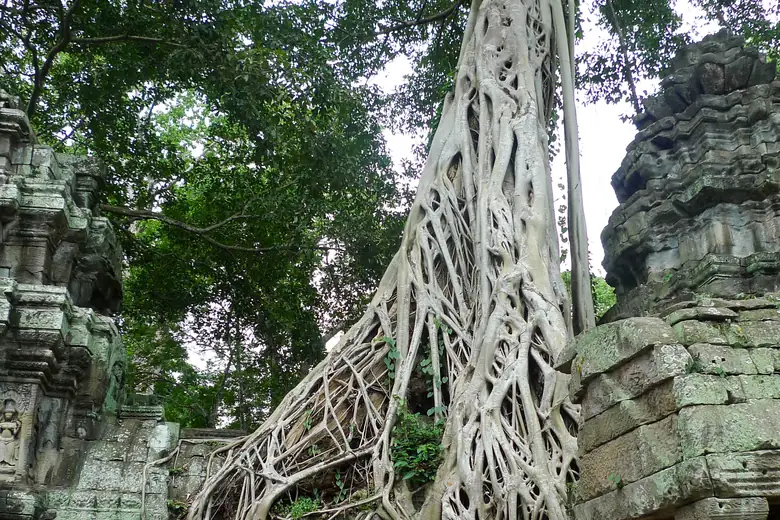
Raízes gigantes abraçando as ruínas de Ta Prohm, em Angkor
The wonder

Angkor beyond the postcard

Angkor Wat is only the front door: there is the Bayon with its two hundred serene stone faces, Ta Prohm surrendered to the roots of giant fig trees, and outlying temples no tour bus ever reaches. With a private guide and carefully drawn timings, the family has the sacred city almost to itself.

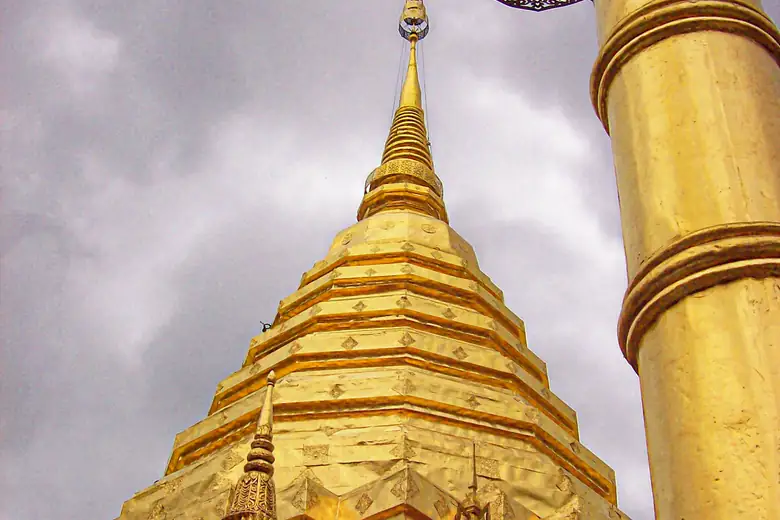
O chedi dourado do templo Doi Suthep, em Chiang Mai
In the mountains

Chiang Mai & northern Thailand

The old capital of the Lanna kingdom moves to another tempo: three hundred temples, night markets, artisans' workshops and, at the top of the mountain, the golden chedi of Doi Suthep watching over the valley. All around, rice fields, waterfalls and ethical elephant sanctuaries.

Monges budistas em fila na cerimônia de oferendas de Luang Prabang
The secret

Luang Prabang

On a peninsula between the Mekong and a tributary, the jewel of Laos is UNESCO-listed in its entirety: gilded monasteries, Indochinese townhouses and the alms procession at first light. Close by, the milky-blue pools of Kuang Si. Southeast Asia in its most serene version.

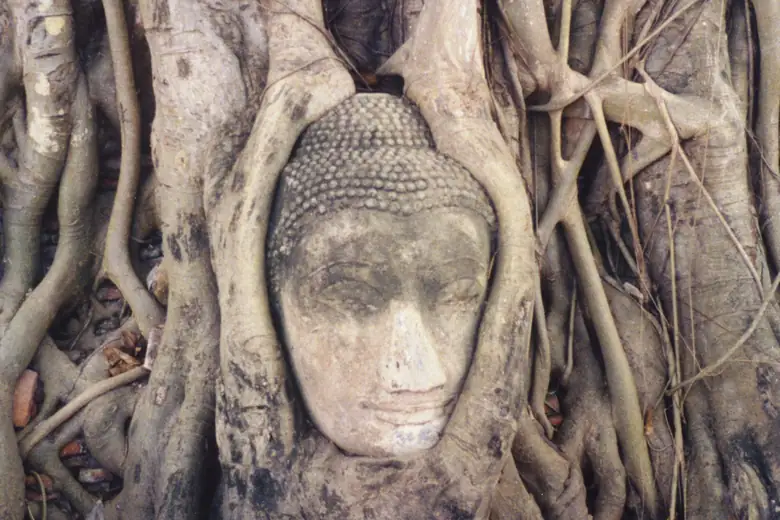
Cabeça de Buda envolta pelas raízes de uma figueira em Ayutthaya
The history

Ayutthaya, the ancient capital

An hour and a half from Bangkok, the ruins of a capital that was once among the largest cities in the world: brick prangs, serene Buddhas and the famous stone head embraced by the roots of a fig tree. By private car — or gliding down the river by boat — it makes an unforgettable day.

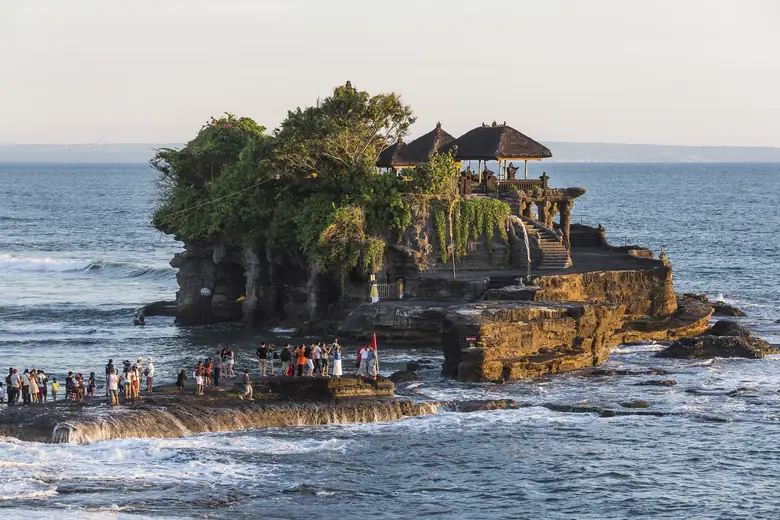
Templo balinês à beira d'água com portões e pagodes
The island of the gods

The temples of Bali

In Bali the sacred is not a visit — it is routine. Flower offerings appear on every doorstep at dawn, and the great temples make scenery with nature itself: Tanah Lot above the waves, Ulun Danu floating on its lake, Uluwatu on the edge of the precipice with the sunset and the kecak dance as the show.

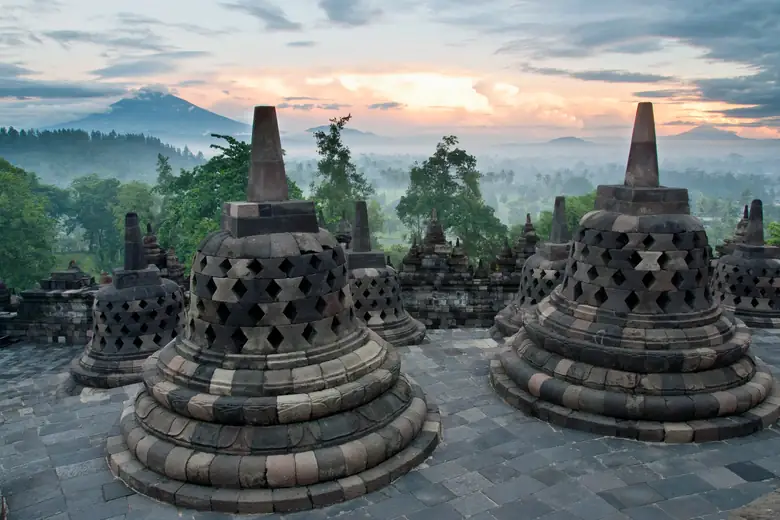
Estupas de pedra do templo de Borobudur, em Java
The extension

Borobudur, in Java

A short flight from Bali, the largest Buddhist temple in the world climbs in stone terraces crowned by seventy-two stupas, with volcanoes on the horizon. Visited at sunrise, with the mist still low over the forest, it is one of Asia's most moving spectacles.

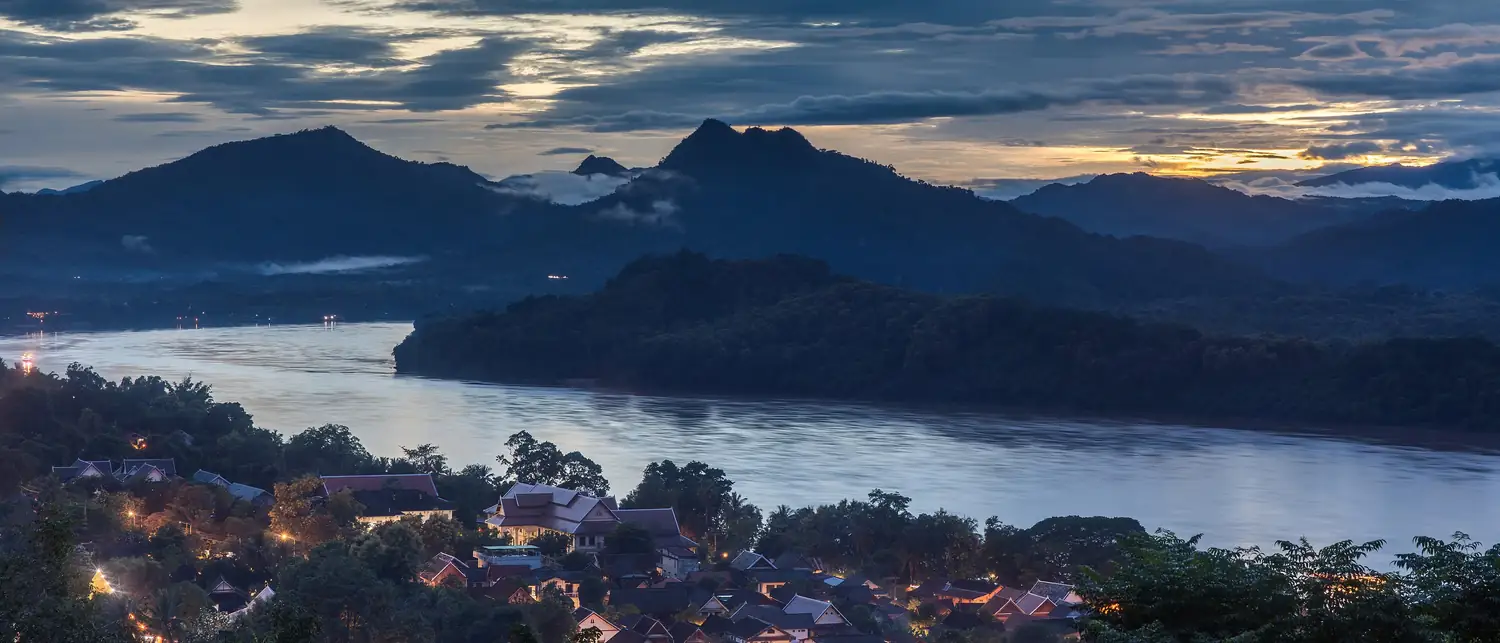
Entardecer sobre o vale do rio Mekong, em Luang Prabang

There is an hour, late in the afternoon, when the Mekong turns to bronze and the boats drift slowly home. The monks say it is the hour for doing nothing — and after a few days in Asia, you understand they are right.

From Brazil to Southeast Asia, everything designed tailor made
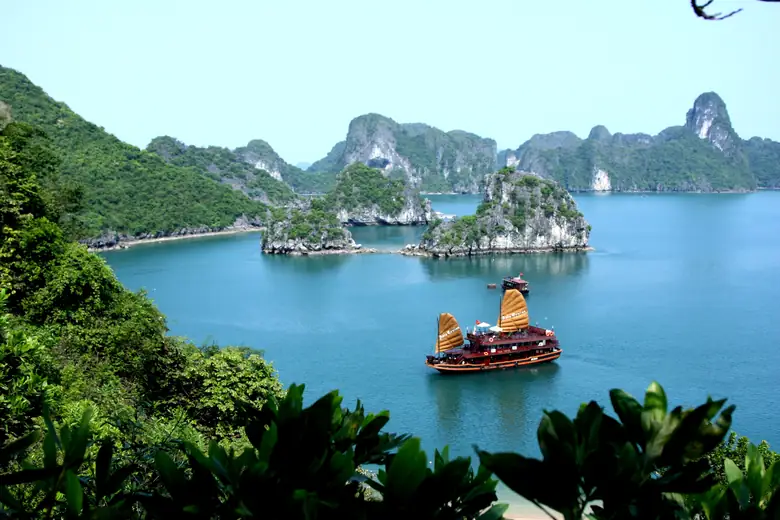
Juncos navegando entre as torres de calcário da Baía de Ha Long The waters · Bays and islands from another world

Third chapter

Seas that look invented

The waters of Southeast Asia come with their own scenography. In Ha Long Bay, in Vietnam, more than one thousand six hundred limestone towers rise from a jade-coloured sea — and the right way to be there is aboard a boutique cruise, waking up inside the World Heritage site before the day-trip fleets arrive.

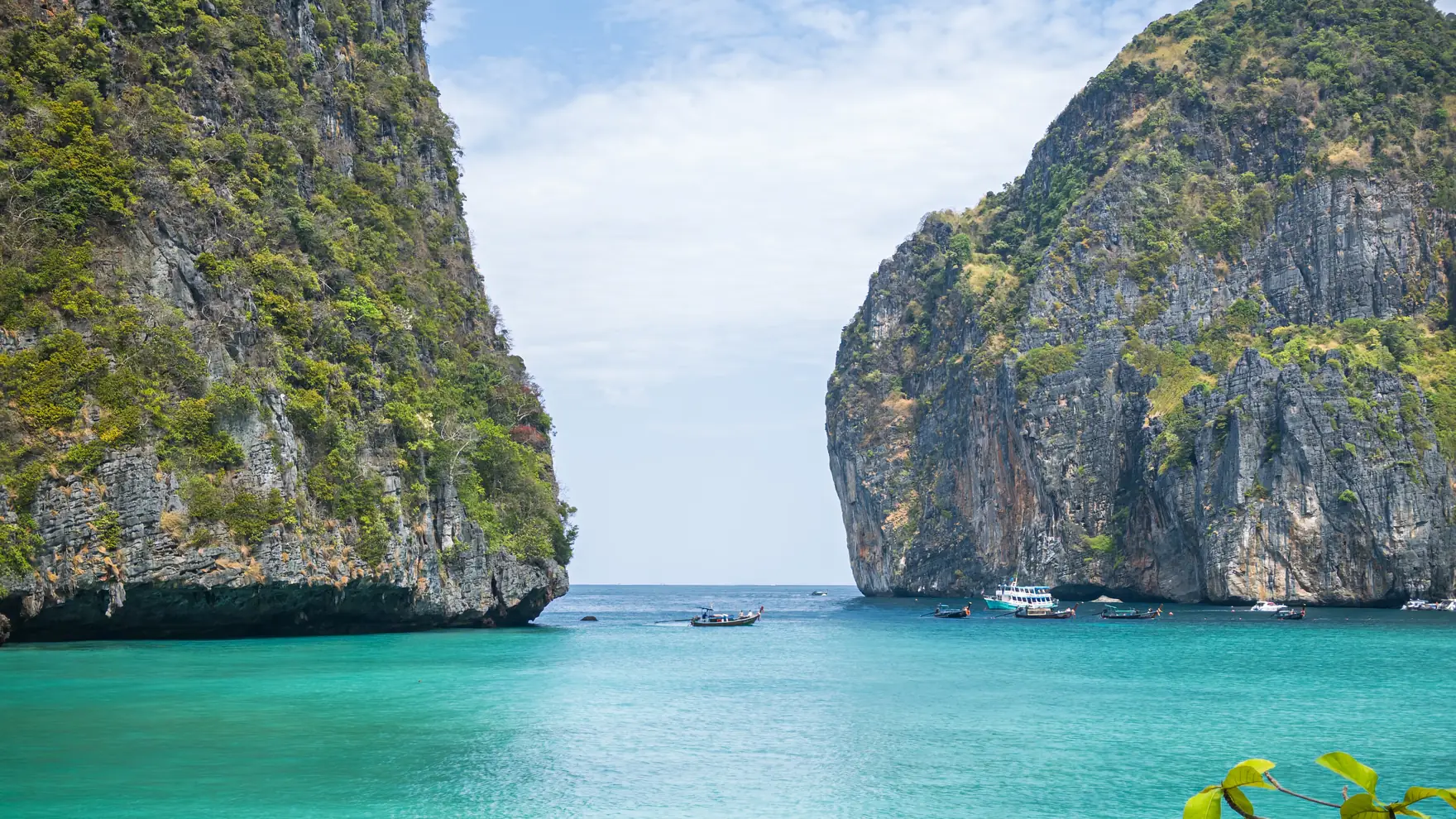
In southern Thailand, the Andaman Sea repeats the miracle in tropical key: Phang Nga, Phi Phi and Krabi line up cliffs, hidden coves and pale sands best visited by private speedboat or wooden junk. And Bali adds its own chapter — cliff-backed beaches, the blues of Nusa Penida and coral reefs everywhere.

  • Ha Long — a night on board, among 1,600 limestone islands
  • Andaman — warm sea all year round, islands by private boat
  • Corals — snorkelling and diving in aquarium-clear water
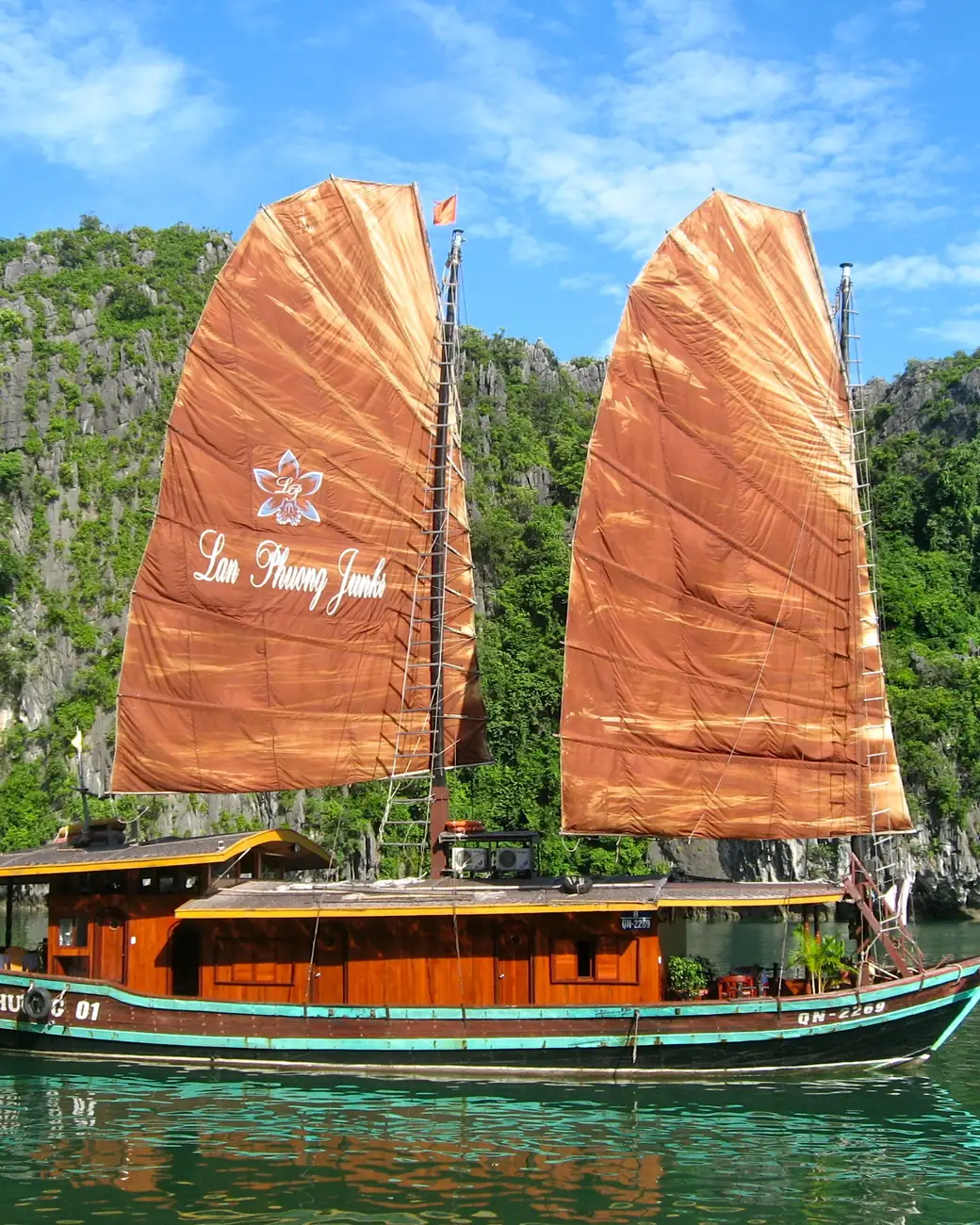
Junco de velas tradicionais na Baía de Ha Long
The night on board

Sleeping in Ha Long Bay

The bay's boutique cruises carry only a handful of cabins, teak decks and itineraries that escape the crowded routes. The day fills with kayaking among the stone towers, grottoes and floating villages; the night, with dinner under the stars in a silence no photograph can carry. Nobody comes back the same.

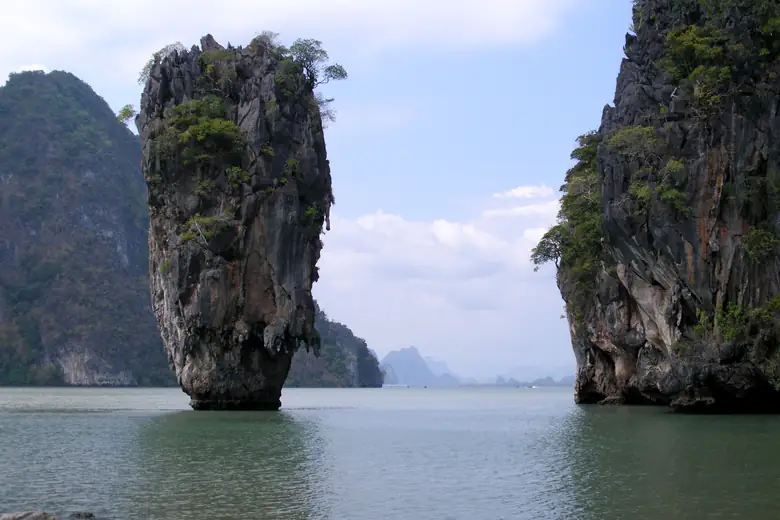
Torres de calcário emergindo do mar na Baía de Phang Nga
For everyone

Phang Nga by private boat

Between Phuket and Krabi, Phang Nga Bay is a labyrinth of limestone needles, mangroves and lagoons explored by canoe through the caves. On a private boat, with timings inverted from the excursion fleets, the most famous coves in cinema history stand practically empty.

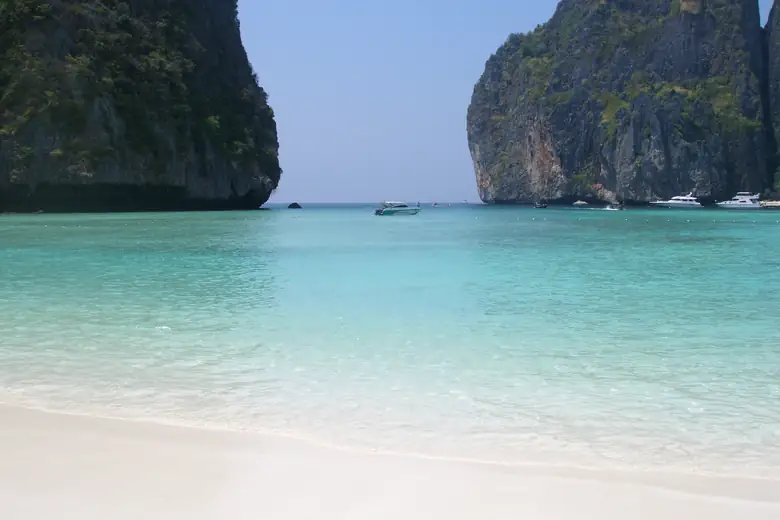
Enseada de águas claras cercada por falésias nas ilhas Phi Phi
The icon

Phi Phi & Krabi

The cliffs of Railay, the coves of Phi Phi, natural pools that appear with the tide: southern Thailand concentrates some of the most photographed seascapes on the planet. The secret is logistics — leave earlier, return later, lunch in the right place. We take care of that.

Praia de coqueiros e mar calmo em Koh Samui
The gulf

Samui & the gulf islands

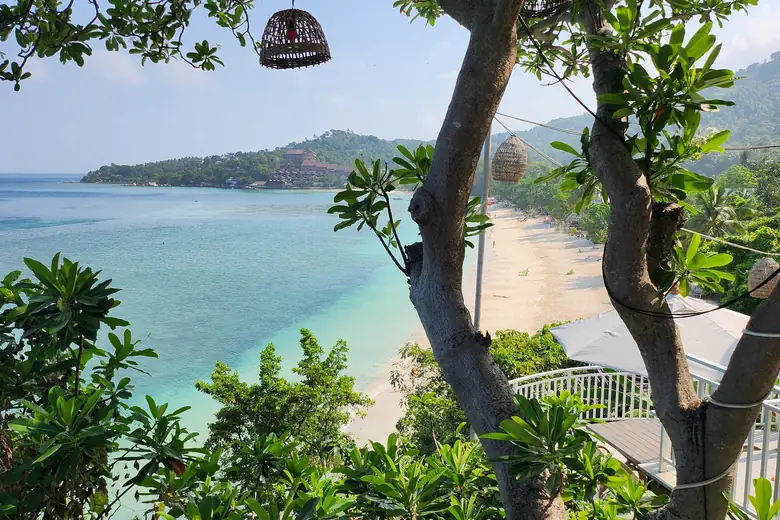
On the other side of the peninsula, the Gulf of Thailand keeps Koh Samui and its neighbours — coconut groves, signature resorts and a sunshine calendar that complements the Andaman's. When one side of the map is in monsoon, the other is usually having a postcard day; we use that in your favour.

Falésias e praia de areia clara em Nusa Penida, perto de Bali
Bali's blue

Nusa Penida & Uluwatu

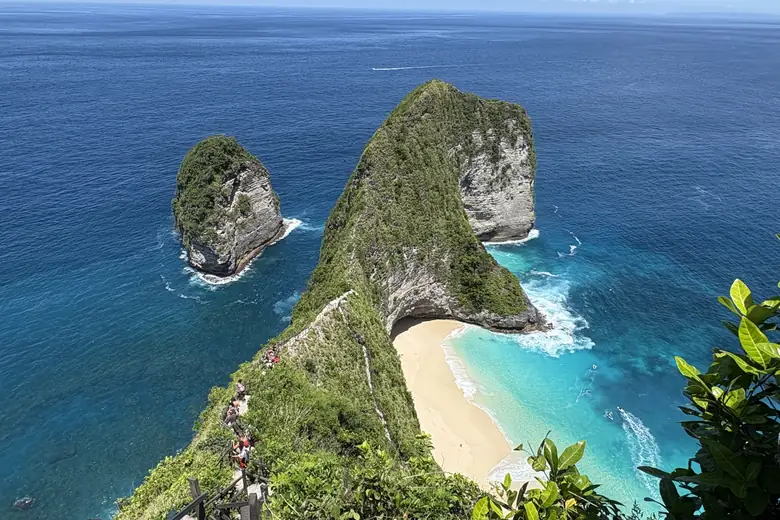
Bali's coastline is made of cliffs: in Uluwatu, Asia's most beautiful beach clubs hang over the sea; a short speedboat hop away, Nusa Penida keeps the cliff amphitheatre of Kelingking and coves where manta rays patrol the blue. Geological drama with chilled-towel service.

Corais coloridos e peixes em águas transparentes do Sudeste Asiático
Underwater

The coral garden

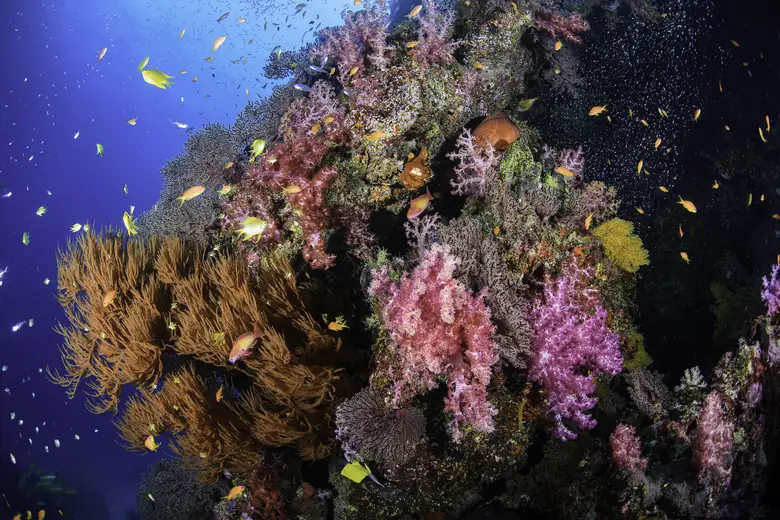
The region is the heart of the Coral Triangle, the richest area of marine biodiversity on the planet. Thai islands, Balinese reefs and Indonesian sanctuaries deliver aquarium-water snorkelling for the family and best-in-the-world dives for those with a licence.

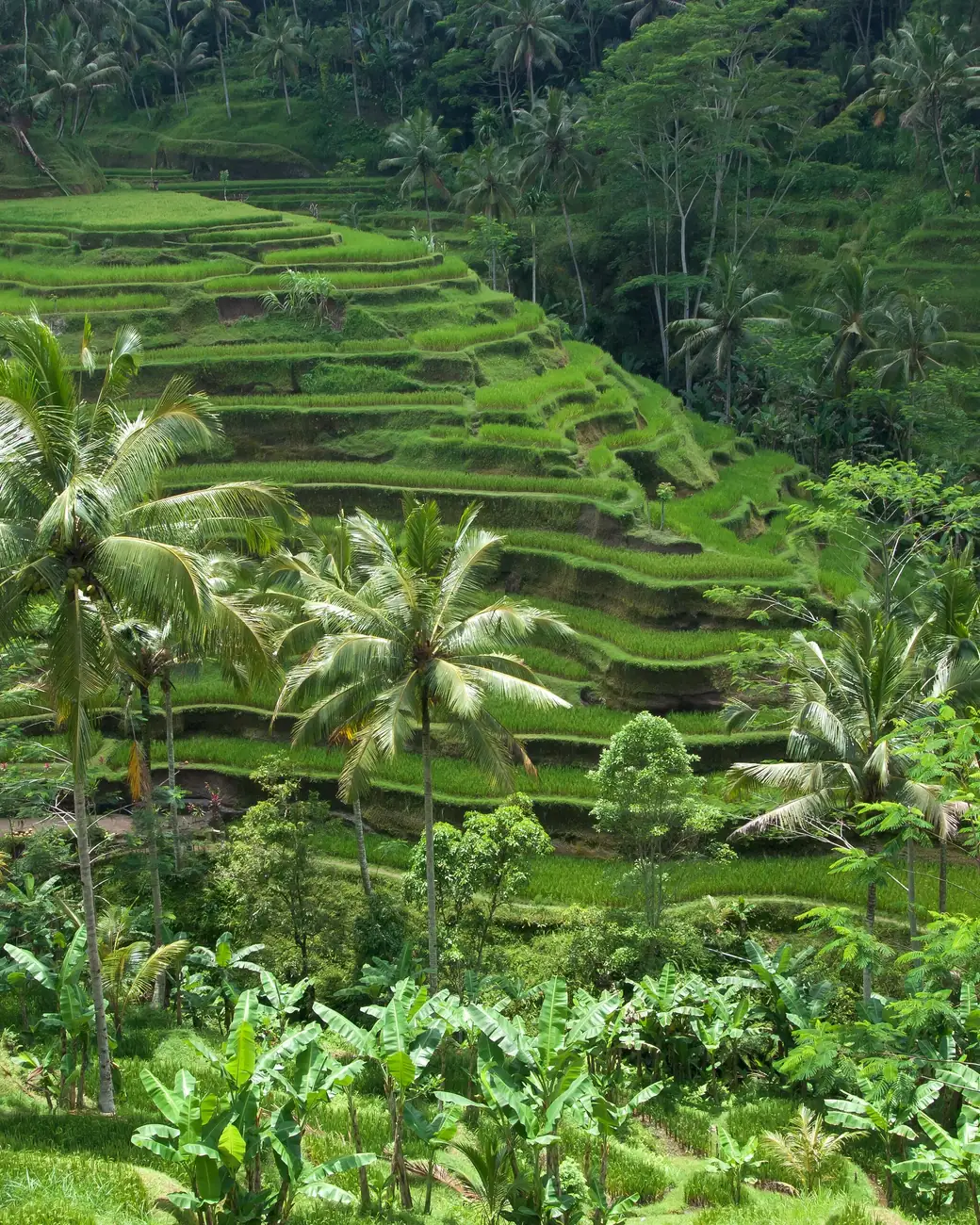
Terraços de arroz verdes descendo a encosta em Bali The days · The rhythm of the journey

Fourth chapter

A journey that also knows how to rest

The greatest mistake in Southeast Asia is trying to see everything. The journeys that work alternate chapters of discovery with chapters of pause: two days of temples, a day by the villa pool; the morning at the market, the afternoon at the spa. The region's hotels were built for exactly this — resorts among rice paddies, pavilions open to the jungle, pools framing volcanoes.

And there is the table, an attraction in its own right: Thai and Vietnamese cuisine among the most celebrated in the world, street stalls with stars in the guide, cooking classes that begin at the market and private dinners with the rice terraces for an audience. Travelling through Asia is, also, eating in a way that cannot be repeated at home.

  • Spas — Thai massage is UNESCO intangible cultural heritage
  • The table — from the award-winning stall to dinner in the rice paddy
  • Pace — discovery and pause in the right dose, for every age
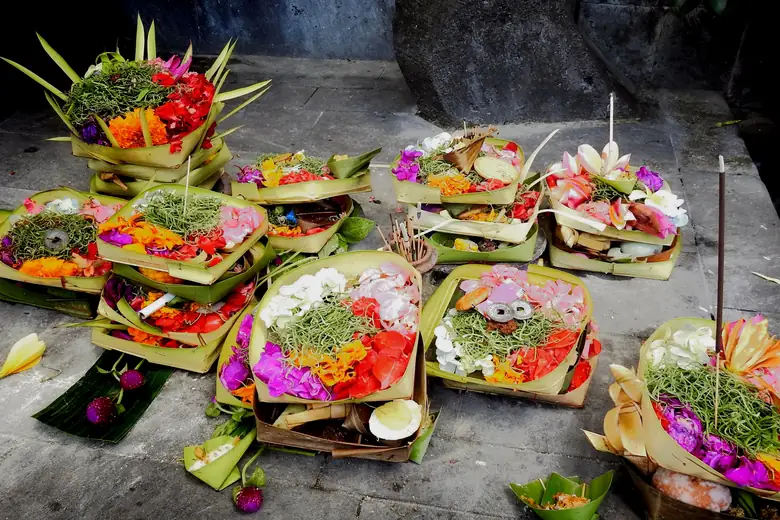
Oferendas balinesas de flores coloridas, matriz dos rituais de bem-estar
The ritual

The spa afternoon

Wellness was born here as tradition, not trend: Thai massage comes from the temples, Balinese rituals from the island's ceremonies. In the great resorts the spa is a destination in itself — pavilions over the water, flower baths and therapists who need no introduction.

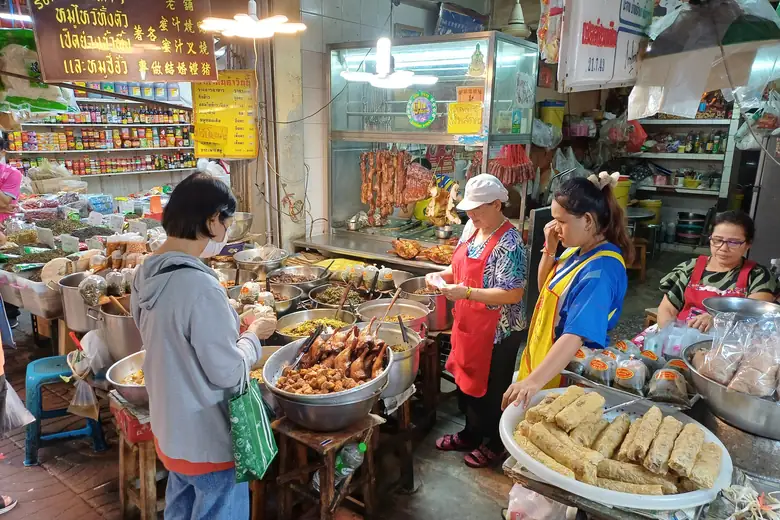
Barracas e panelas fumegando num mercado de comida de rua asiático
For everyone

The world's best street table

A guided food tour through Bangkok or Hanoi is worth a history course: pad thai on the griddle, pho on a tiny stool, egg coffee, the floating market at dawn. We know where it's clean, where it's legendary and where the kids ask for seconds — and we book whatever needs booking.

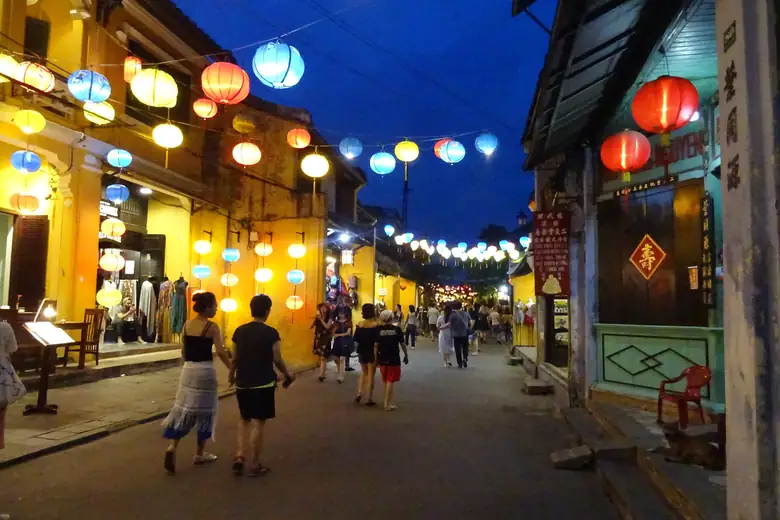
Lanternas coloridas iluminando a noite na cidade antiga de Hoi An
The night

Hoi An by lantern light

In central Vietnam, the little World Heritage town lights hundreds of silk lanterns when the sun goes down, and the river fills with floating candles. By day, legendary tailors, centuries-old houses and a beach ten minutes away. It is the kind of place travellers try to describe, then give up.

Day by day

How the journey takes shape

A ten-day skeleton to give you a sense of proportion — in Southeast Asia, every chapter can be swapped, stretched or added to another. Length, pace and countries are always adjusted to you.

Day 1

Arrival in Bangkok

Meet and greet at the airport and private transfer to a hotel on the Chao Phraya. Late afternoon on the rooftop for the first great view — the city lit to the horizon — and a Thai dinner to reset the clock.

Private transferCheck-in
Day 2

Golden Bangkok

A morning by private boat along the river and canals: the Grand Palace, the Reclining Buddha of Wat Pho, the spires of Wat Arun. In the afternoon, market and street food with a gastronomic guide — or the hotel pool for those who prefer a soft landing.

TemplesRiver & canals
Day 3

Onward to Angkor

A short flight to Siem Reap, Cambodia. A gentle arrival afternoon: pool, spa and, at dusk, a first contact with the park — the moats and walls of Angkor Thom in low light, after the buses have gone.

Short flightSiem Reap
Day 4

Sunrise over Angkor

Out before the sun to watch the towers of Angkor Wat emerge from the dark — then a circuit drawn against the flow of the crowds: the faces of the Bayon, the roots of Ta Prohm, a distant temple all to yourselves. A day for an exceptional guide.

Angkor WatTa Prohm
Day 5

Hanoi at human scale

Fly to Hanoi and spend the afternoon in the old town: the 36 streets of the crafts, the lake, egg coffee in the right house. At night, a Vietnamese dinner on a stool or on white linen — both are worth the flight.

HanoiOld quarter
Day 6

Embarking in Ha Long

Transfer to the bay and boarding the boutique cruise. The afternoon glides among the limestone towers: kayak, grotto, floating village. At night, dinner on deck with the islands in silhouette — the scene that justifies the whole journey.

CruiseHa Long Bay
Day 7

Dawn on the bay, then south

Tai chi on deck at first light, one last sail through the waking bay and disembarkation. Then a flight towards the beach chapter — southern Thailand or Bali, depending on the season and your profile.

Ha LongFlight south
Day 8

The day of the sea

A private speedboat through the islands: the cliffs of Phang Nga or the blues of Nusa Penida, snorkelling on the reef, lunch with your feet in the sand. Back at the villa, sunset in the private pool closes the day's account.

IslandsPrivate boat
Day 9

A day of one's own

A free morning of beach or pool. In the afternoon, everyone picks their ritual: a whole afternoon at the spa, a cooking class that begins at the market, rice terraces and temples — or absolutely nothing, which here counts as an activity too.

SpaFree day
Day 10

Until the next monsoon

One last unhurried swim, breakfast with a view and a transfer timed to the flight — straight home, or with a well-designed stopover in Singapore or Doha. The suitcase comes back smelling of incense and spice.

Free morningFlight home
This itinerary is a starting point, not a package. Some travellers do Thailand alone, slowly; some add Bali at the end; some trade the beach for Luang Prabang or stretch to Singapore. Ten days already travel well; fourteen travel splendidly. The final design is always drawn together — and never in a hurry.

Gallery

What you will see

Click any image to enlarge.

How we travel

What changes when the journey is designed

Southeast Asia is generous — and precisely for that reason easy to get wrong: many countries, seasons inverted between one sea and another, and a thousand versions of every excursion. The difference between a good trip and an unforgettable one lies in the design.

The right chapters

Thailand with Cambodia? Vietnam top to bottom? Bali with Java? Each combination calls for its own logic of flights, visas and seasons. We cross your time and your profile with what the region truly delivers in each month — and cut whatever would only tire you.

The right hour for each place

Angkor receives millions of visitors a year — and stands nearly deserted at first light. The same goes for Bangkok's temples, the Thai bays and Ha Long: with inverted timings and less obvious accesses, you see the postcard without its crowd.

Guides who open doors

The difference between passing a temple and understanding it is who walks beside you. We work with hand-picked private guides in every city — people who speak the children's language, know the monastery's monk and know where the market hides the best coffee.

Invisible logistics

Several countries in one journey means internal flights, boats, transfers and time zones — all coordinated by us, with margin for the unexpected. You never memorise an airport or drag a suitcase: the journey simply happens, one chapter pulling the next.

Paperwork solved

Every country has its rule — an e-visa here, an exemption there, a yellow fever certificate almost always. We map what applies to your itinerary, handle the forms and deliver it all pre-digested, in a simple step-by-step, before departure.

24/7 support

From boarding in Brazil to the return, a team follows the entire journey — even with the time zone upside down. Any surprise, a flight, a special request, a change of plan: it is solved with one message, in your language.

Where to stay

Three ways to live in Asia

Southeast Asia's hotels rank among the finest in the world — and we work with a short selection of houses we know and trust, organised by style. The final choice is always designed with you.

Urban icons

The grand hotels of the capitals

Legendary addresses on the Chao Phraya, towers overlooking Singapore's bay, restored Indochinese palaces in Hanoi. Service that became legend, gala breakfasts and the whole city at the door — the right way to live the urban chapters.

  • Bangkok · riversideclassics on the banks of the Chao Phraya
  • Singapore & Hanoicolonial icons and contemporary towers
Beach & villas

The private-pool villas

The region's great invention: the private villa with pool, walled garden and discreet butler — on the cliff in Phuket, among coconut palms in Samui, facing the sunset in Uluwatu. Absolute privacy with full resort service.

  • Phuket · Krabi · Samuicliff-top resorts and private coves
  • Bali · Uluwatu & south coastvillas suspended over the Indian Ocean
Jungle, river & rice paddy

The inland hideaways

Pavilions open to the river valley in Ubud, safari tents on the banks of the Mekong, timber houses among rice fields in northern Thailand — and Ha Long's boutique cruises, floating hotels of just a few cabins. Here, luxury means waking up inside the landscape.

  • Ubud & Chiang Maihideaways between jungle and rice terraces
  • Ha Long & Mekongboutique cruises with a handful of cabins

Know before

The essentials, without fine print

Practical information for those beginning to think about the journey.

When to go

The region is tropical all year round — what changes is the monsoon regime, and it is not the same everywhere. That is our advantage: there is almost always a corner of the map in full dry season, and we design the itinerary in its favour.

Nov–MarThe continent's great season: Thailand, Cambodia and southern Vietnam dry and milder. The region's classic peak.
Apr–OctBali and Indonesia's turn, in their driest stretch — along with the Gulf of Thailand islands, such as Samui. Mid-year is excellent for combining beach and temples.
VietnamIt is a long country, and each stretch has its own climate: Ha Long tends to reward from October to April. We adjust the order of the chapters to the season.
Busy datesNew Year's, July and Asian holidays sell out villas and boutique cruises months ahead. The earlier, the better the house.

Documents and visas

Good news: Thailand and Singapore welcome Brazilians without a visa. Vietnam and Cambodia ask for a simple e-visa, and in Indonesia the visa is settled on arrival. We map what applies to your itinerary and take care of every form.

An international yellow fever certificate is required across the region for travellers departing from Brazil — the vaccine must be taken at least ten days in advance. A passport with six months' validity and travel insurance complete the list; we walk you through everything before departure.

Time zone, language and money

The time difference is 10 to 11 hours ahead of Brasília — it sounds like a lot, but a well-designed arrival (overnight flight, gentle first day) settles it within a day or two. English circulates well throughout the tourist network, and the private guides do the rest.

Each country has its currency — baht, dong, rupiah — but cards are widely accepted and the dollar helps in Cambodia. In hotels and villas nearly everything goes to the room account; for markets and stalls, a small reserve in local currency, which we advise you on.

What to book in advance

The best houses are small: Ha Long's boutique cruises, private-pool villas and Ubud hideaways hold few keys and sell out first on prime dates. The dream itinerary calls for months of notice at New Year's and in July.

So do the experiences: exceptional guides at Angkor, signature tables in Bangkok and Singapore, private boats in the islands. We tie everything down before departure — including the internal flights, which in this region behave best when bought early.

To add on

To make the journey even more yours

Layers that fit naturally into a Southeast Asia itinerary.

01

Luang Prabang, serene Laos

Three nights in the Mekong's World Heritage town change the tone of the journey: gilded monasteries, the monks' procession at dawn, the Kuang Si waterfalls and a rhythm the rest of the world has unlearned. The most zen chapter on the map.

02

Palawan & the Philippines

For those who want the sea in its raw state: the lagoons of El Nido and the sandbars of Palawan, repeatedly voted among the most beautiful islands in the world. One more hop on the map — and one of the most absurd blues on the planet.

03

Southeast Asia's luxury train

Polished-wood carriages, gala dinners and the Malaysian jungle parading past the window: the legendary luxury train departing from Singapore turns the transfer into the destination. For those who believe — as we do — that the journey is also the way.

04

The Maldives to finish

A short flight from Southeast Asia, the Maldivian atolls are the perfect epilogue: after the temples and the cities, a villa over the lagoon and days when the only decision is when to swim. We join the chapters seamlessly.

05

Photo session

A professional photographer capturing the family among the lanterns of Hoi An, the couple before Angkor at dawn or the proposal on the Uluwatu cliff. The souvenir that appreciates with time.

06

Signature moments

A Balinese blessing at sunrise, a private dinner in the rice paddy, a cooking class with a chef, vow renewals facing the Indian Ocean. We add them to the journey as the occasion asks — an anniversary, a milestone or nothing beyond pleasure.