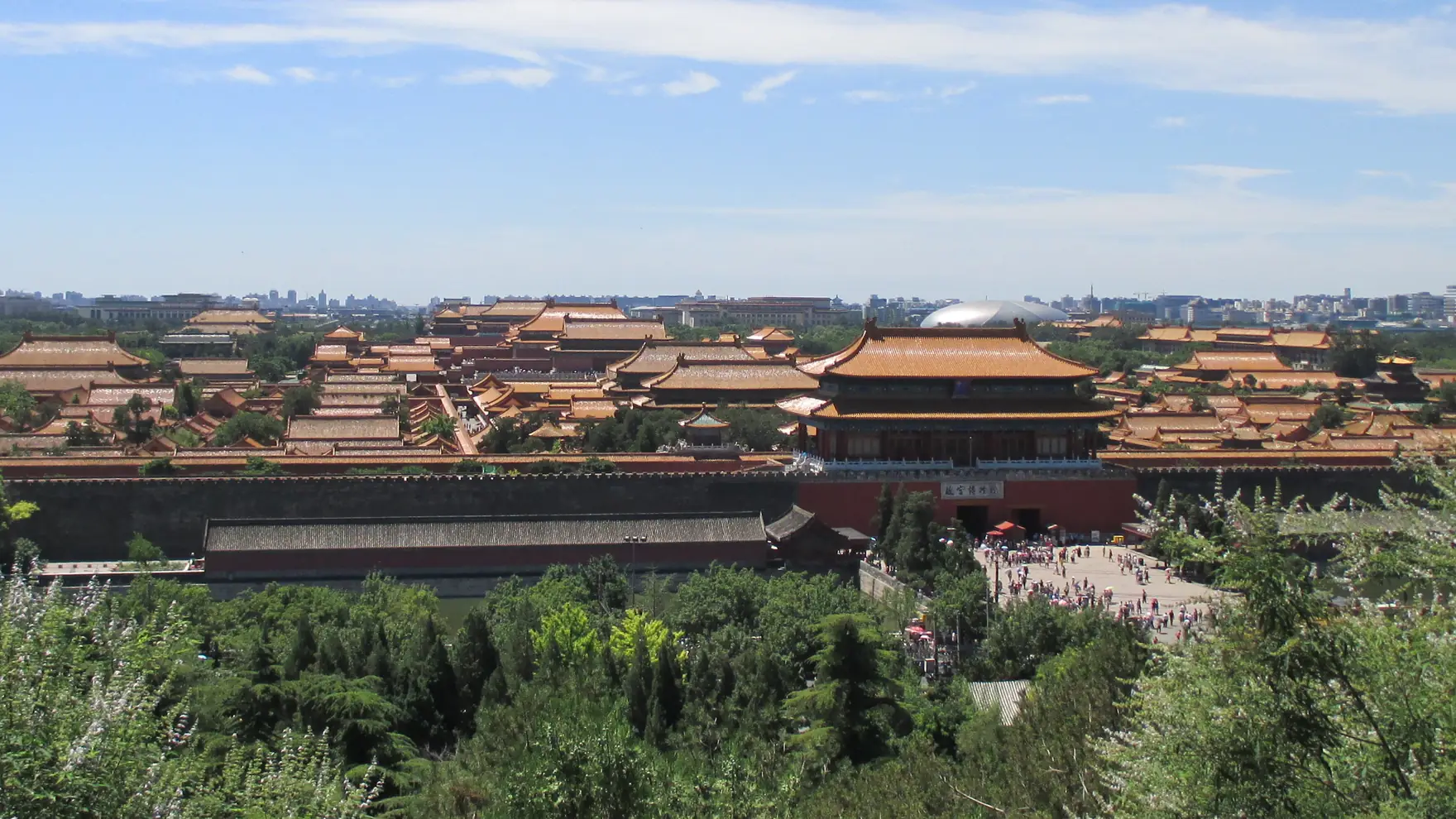
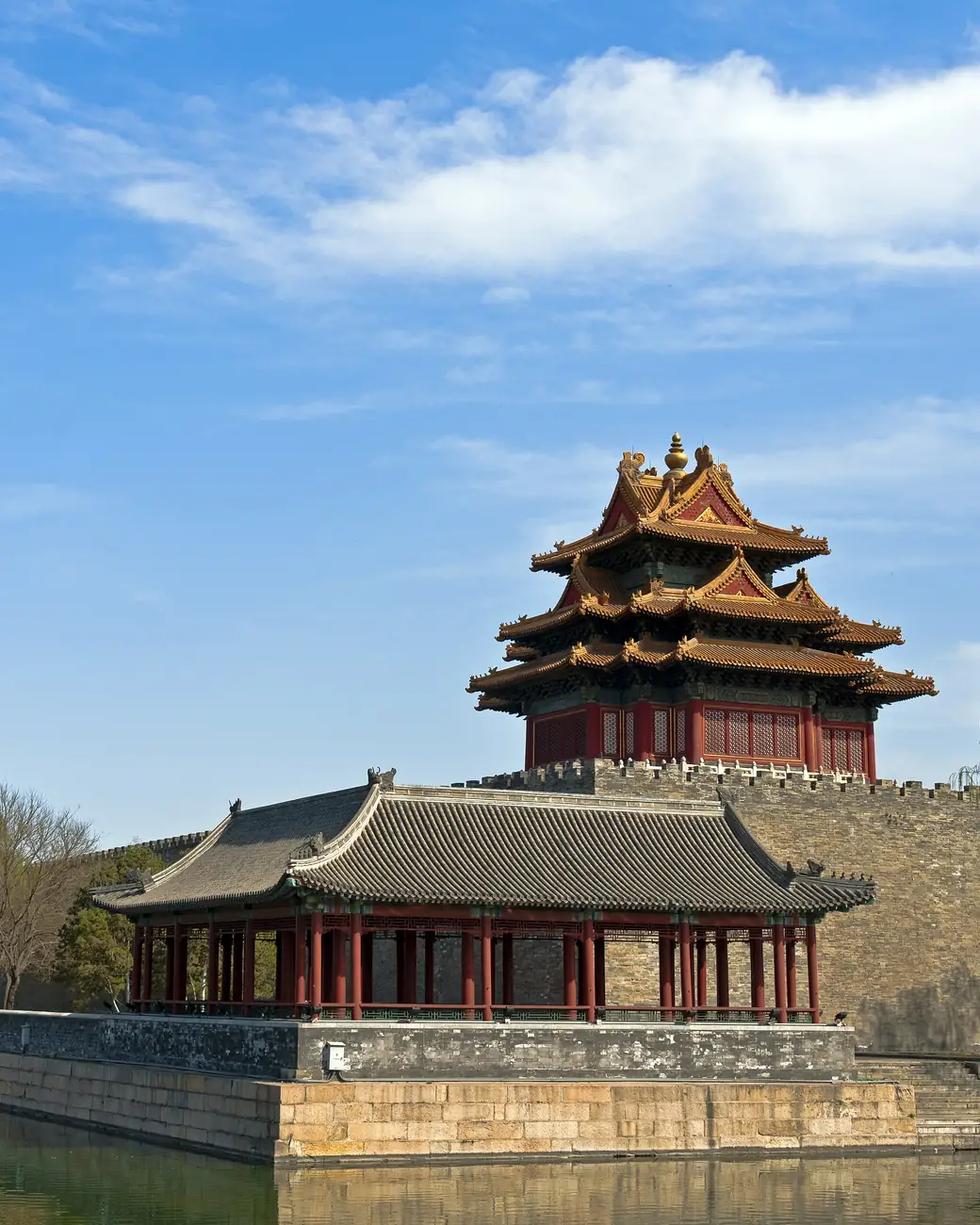
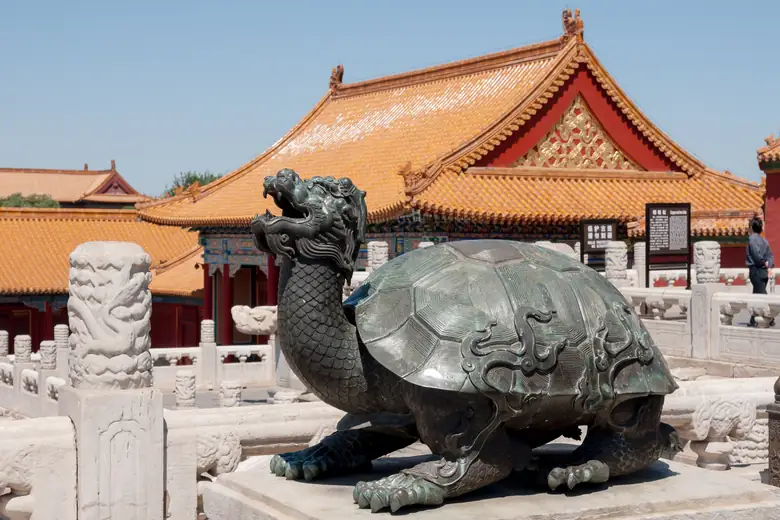
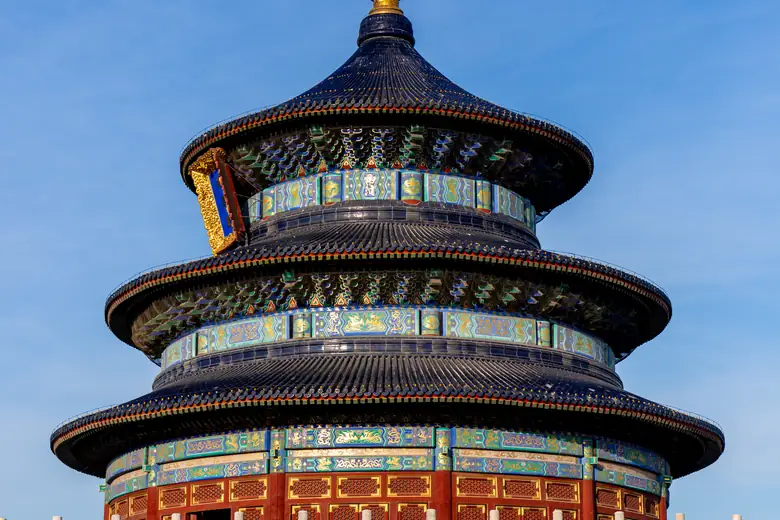
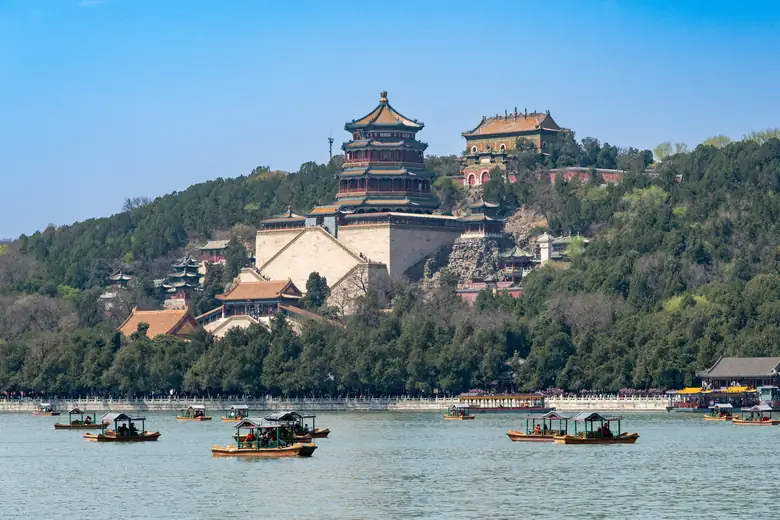
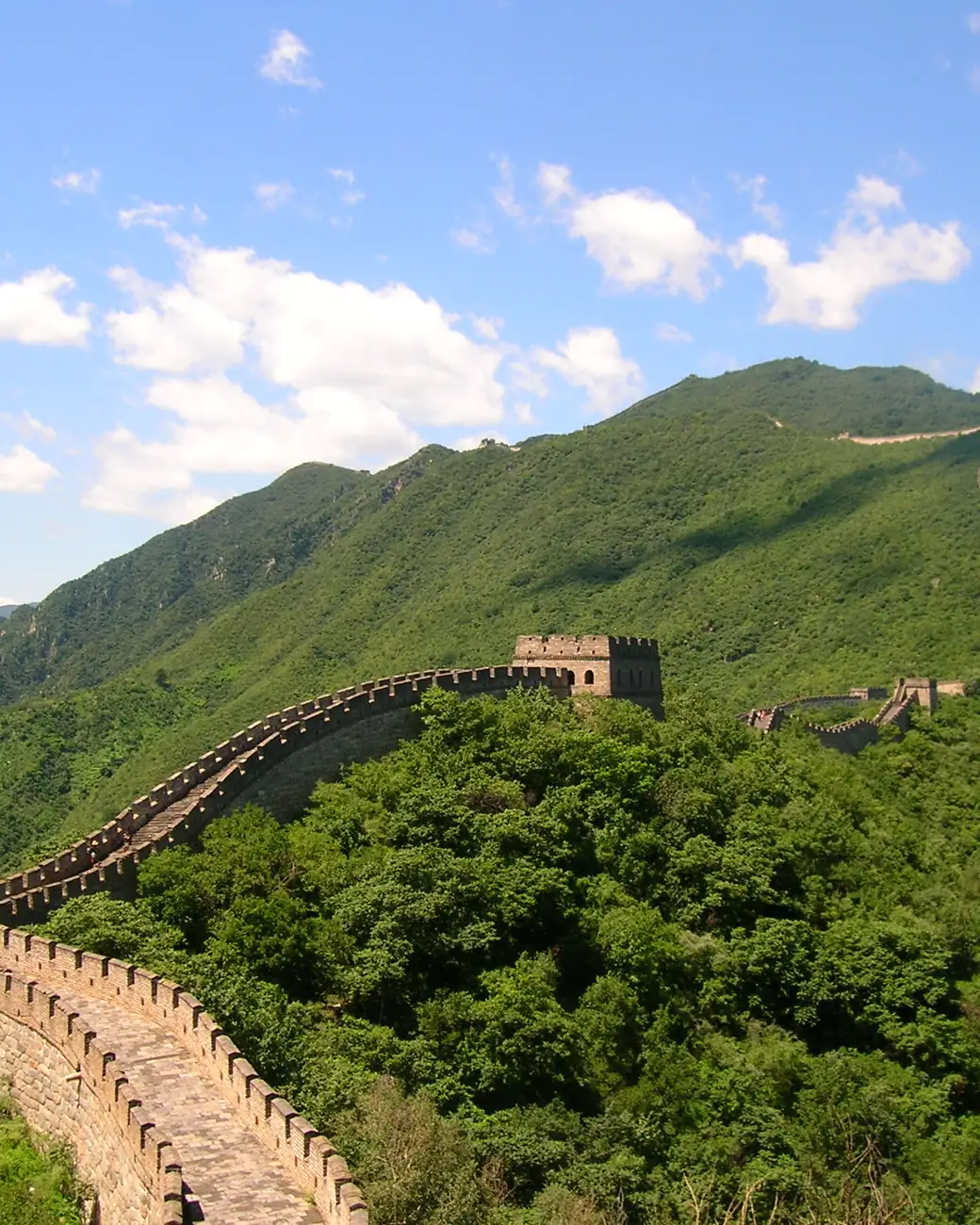
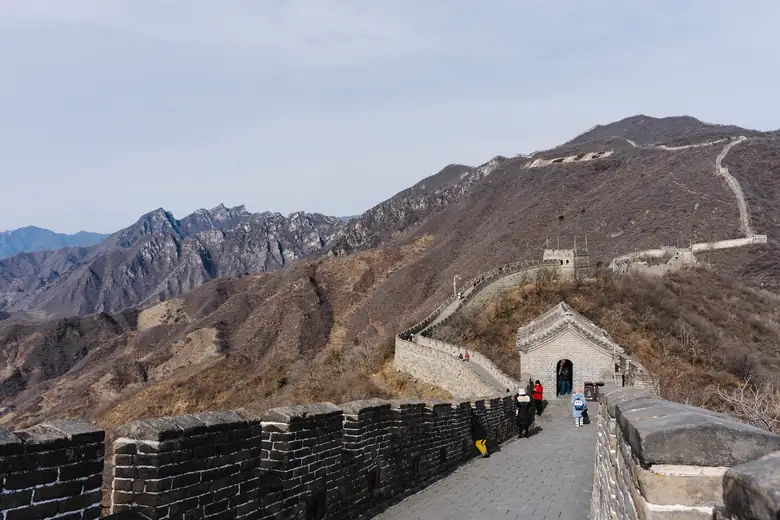
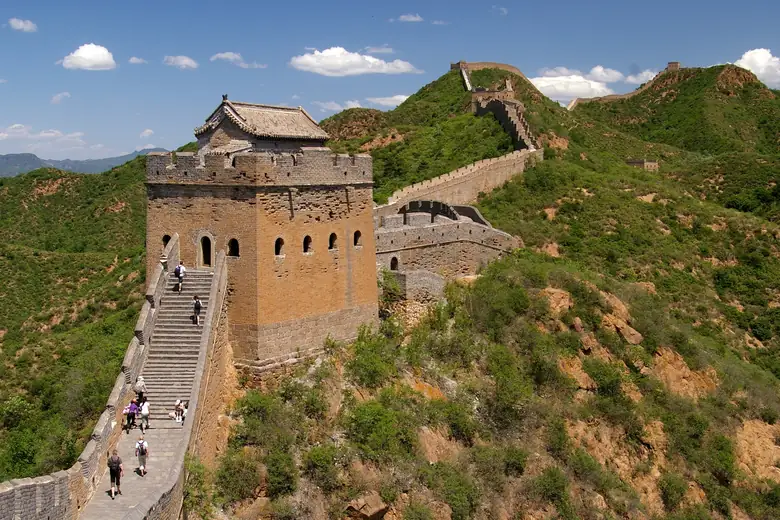
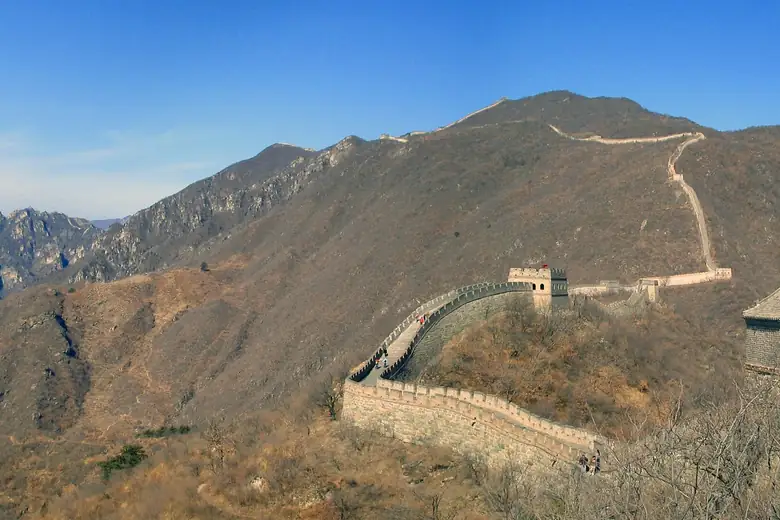
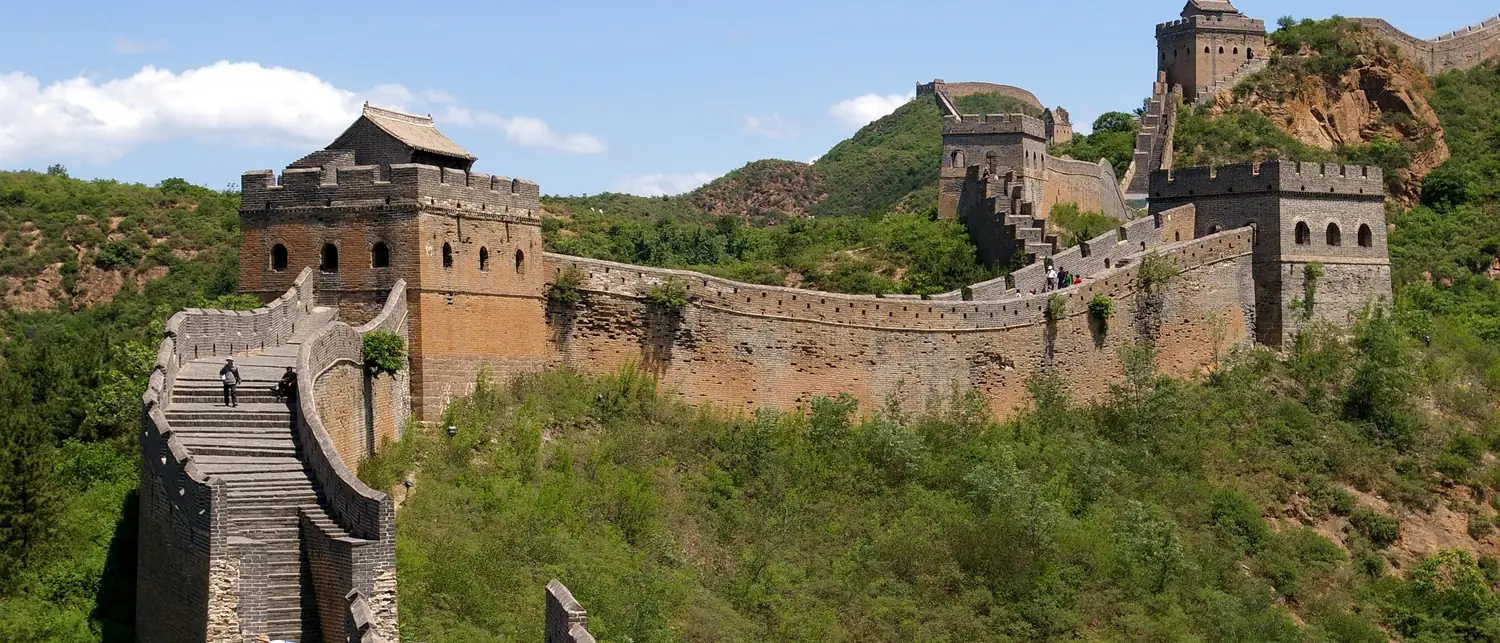
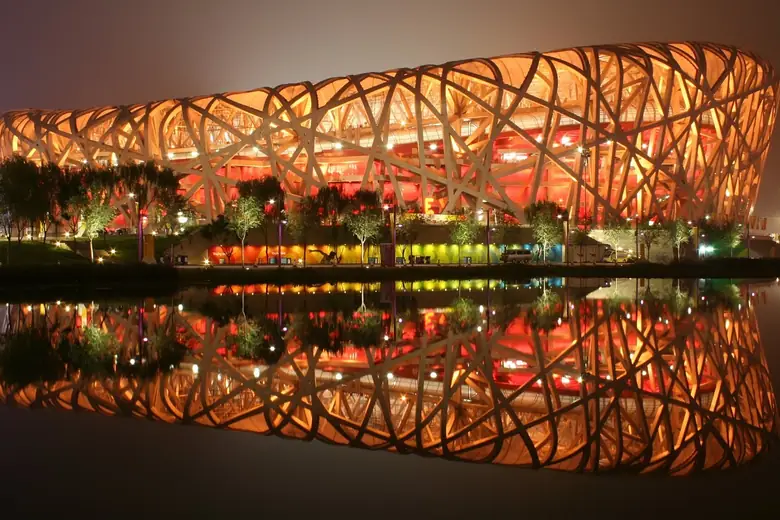
Capital for more than seven centuries, Beijing is where the Chinese empire left the best of itself: the Forbidden City and its nine hundred and eighty buildings, the Temple of Heaven where emperors prayed for the harvest, the Summer Palace mirrored in a lake — and, guarding it all, the Great Wall riding the mountains to the north.
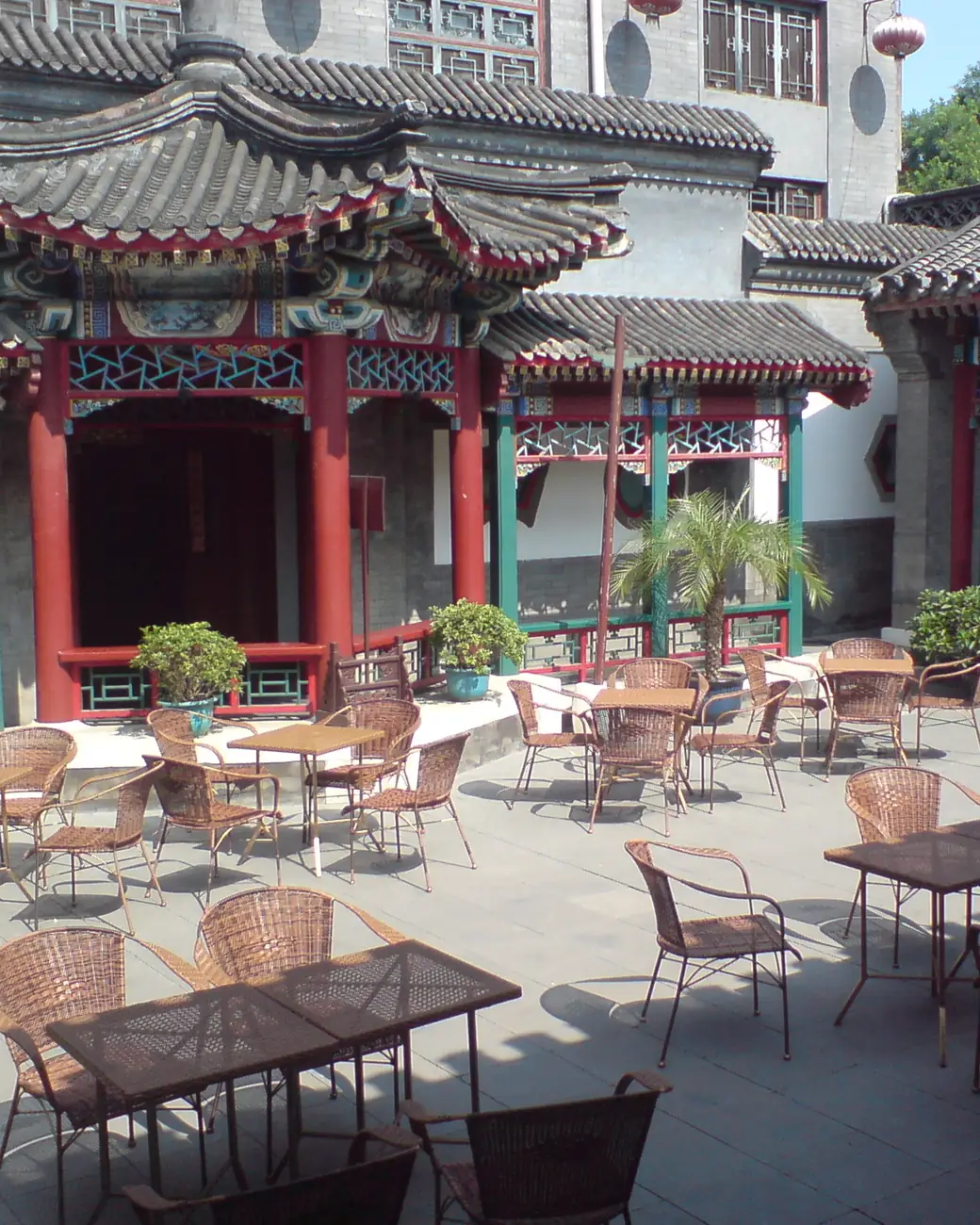
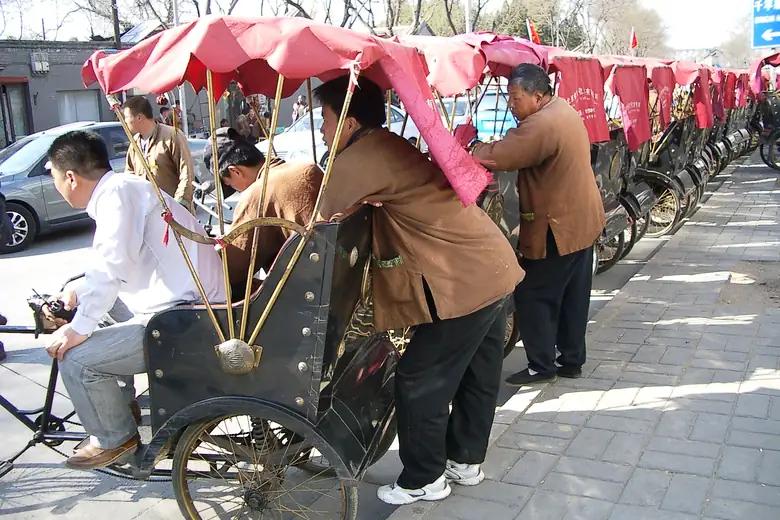
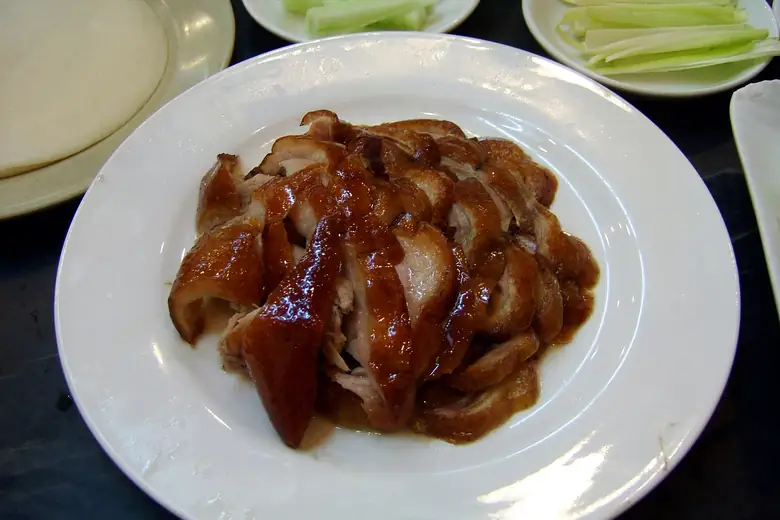
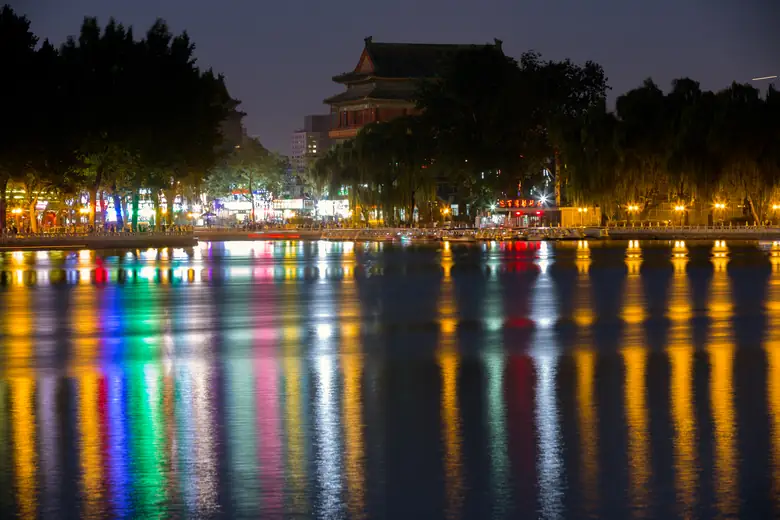
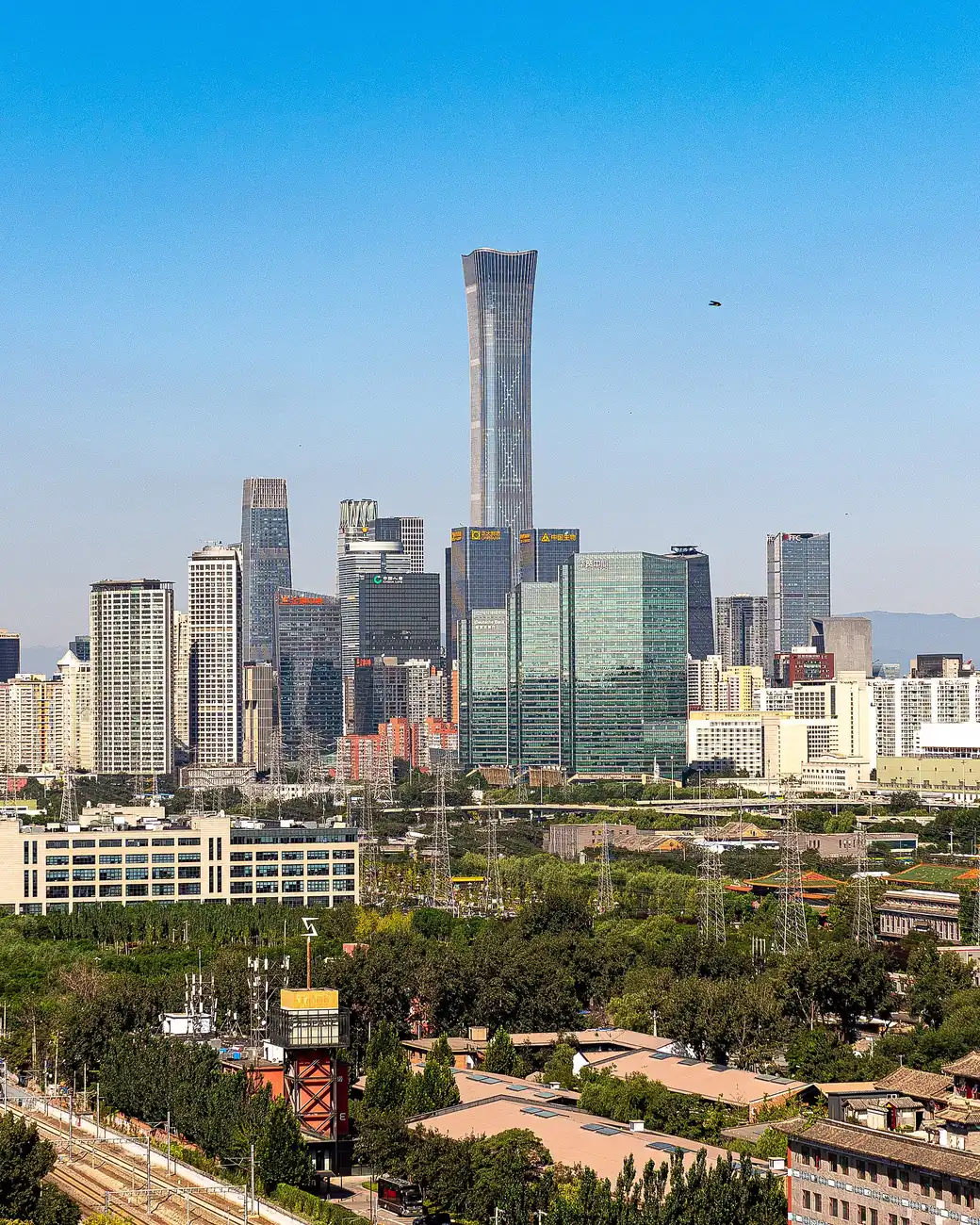
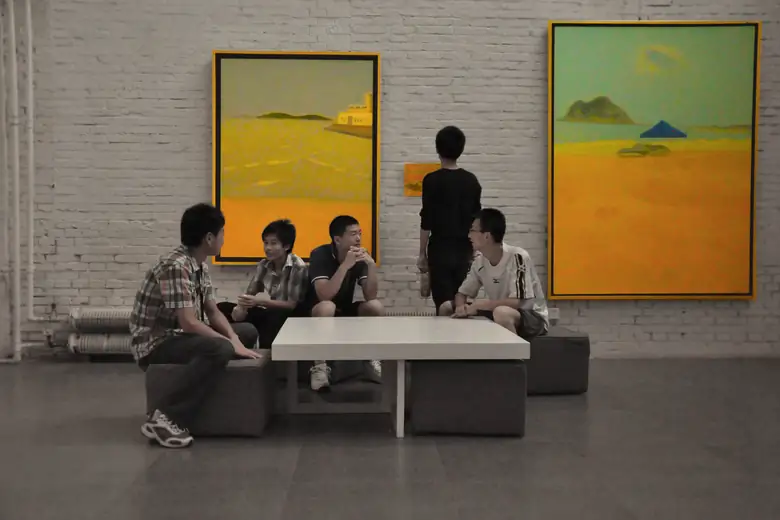
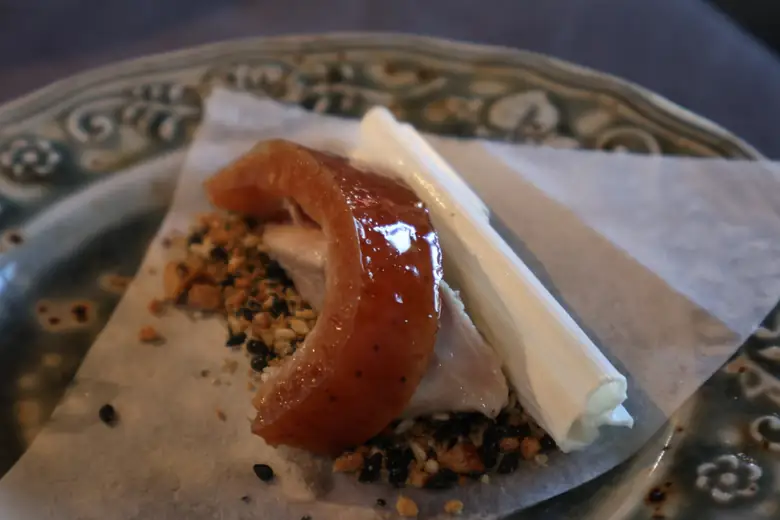
But reducing Beijing to its monuments means missing half the journey. Between one heritage site and the next lives a deliciously vivid city: the hutongs — the grey alleys where neighbours play chess on the pavement —, the century-old ritual of Peking duck, the Houhai lakes at dusk and a contemporary capital that has become a powerhouse of art, design and fine dining.
This page walks the city in four chapters: imperial Beijing, the Great Wall, the hutongs and contemporary Beijing. It is also China's great gateway — the bullet train puts Xi'an and Shanghai a few hours away — and it pairs naturally with other routes across Asia, from Japan to Southeast Asia. Drawing that cut is exactly our job.
Forbidden City
Great Wall
Temple of Heaven
Hutongs
Peking duck
Art & design